
Used Ford Cab and Chassis Trucks For Sale in New York
Browse used Ford cab and chassis trucks in New York. Compare wheelbases, GVWR, cab-to-axle dimensions, engines, and upfit readiness.
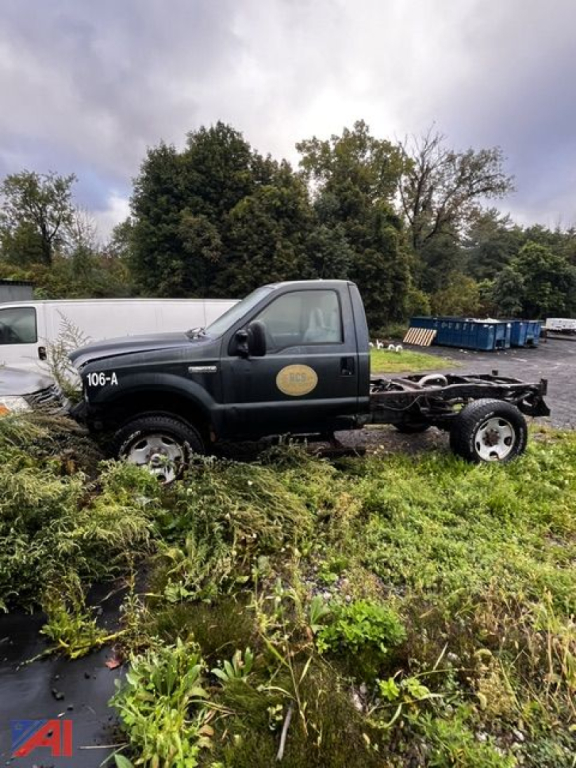
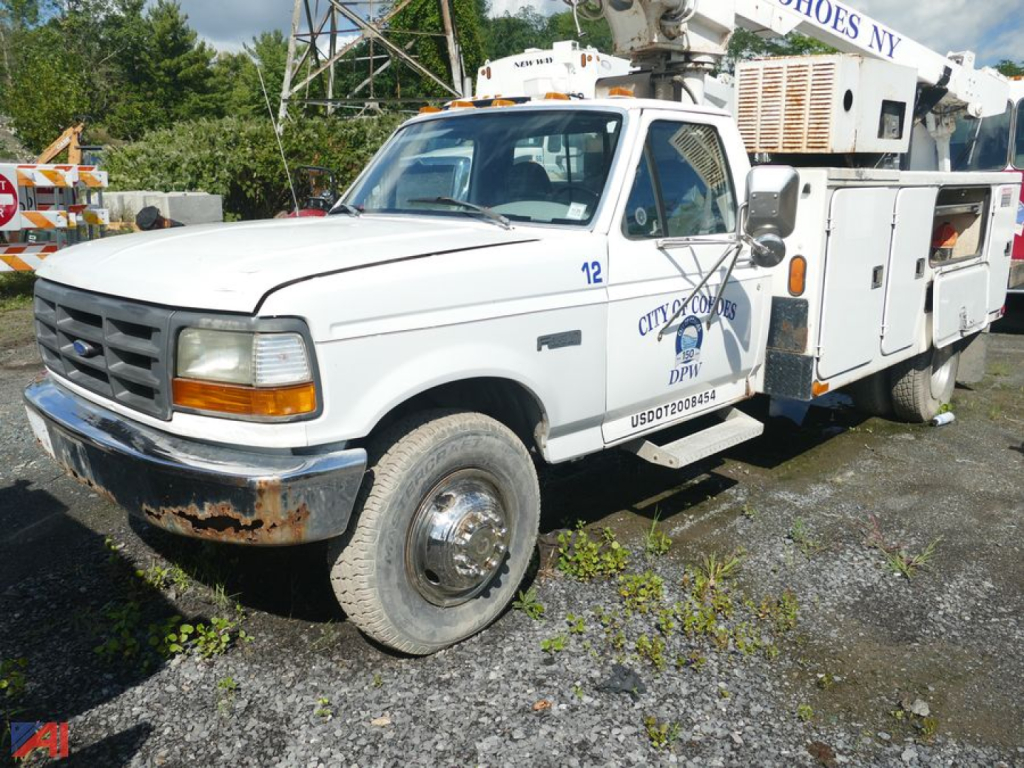
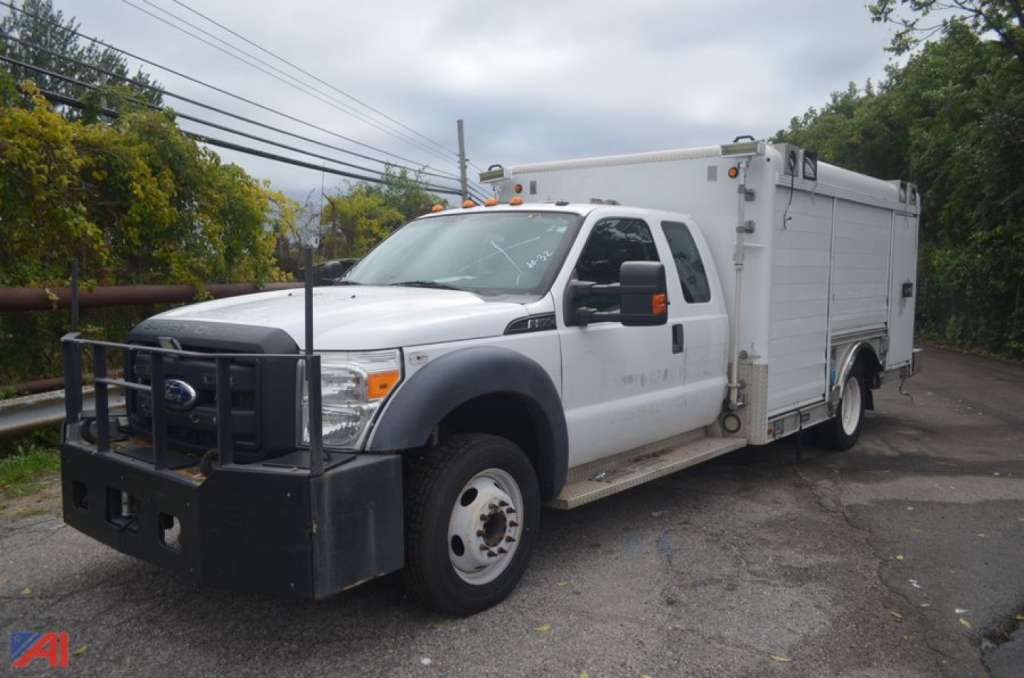
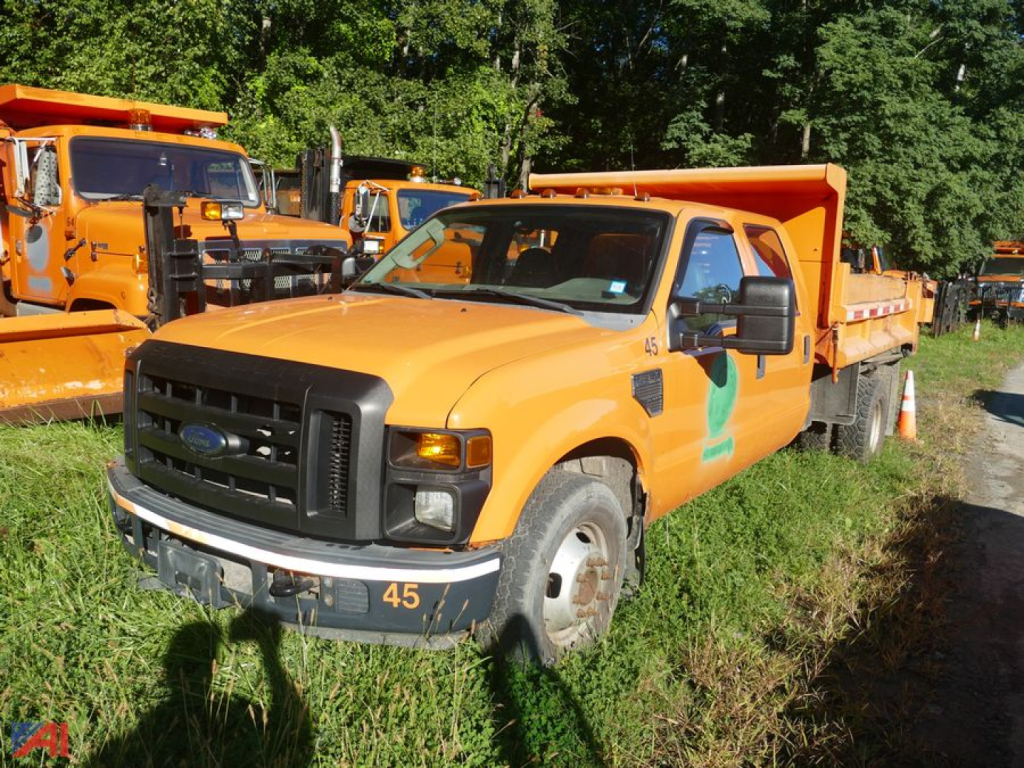
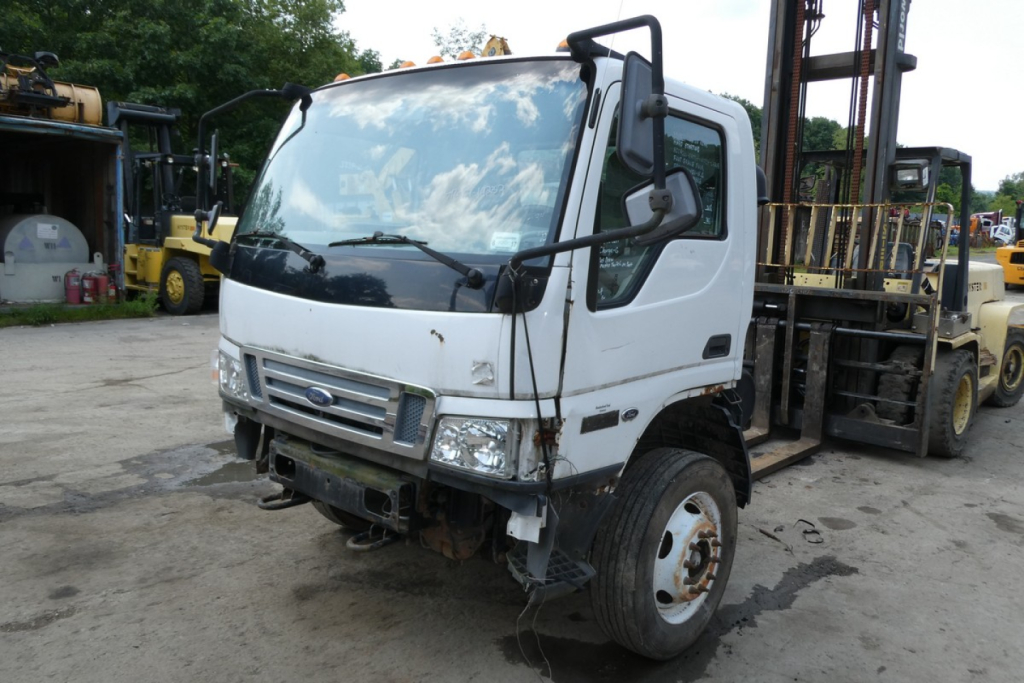
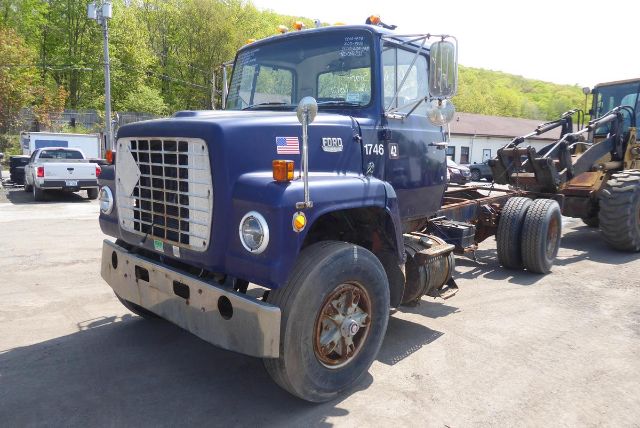
Looking for the easiest place to sell your used ford cab and chassis truck? List it here to reach thousands of buyers.
Used Ford Cab and Chassis Trucks in New York
Ford cab and chassis models commonly range from lighter Super Duty platforms like the F-350 and F-550 up into older medium-duty units such as the Ford 8000. That gives buyers a wide spread of capacities, from municipal pickup-based chassis for plows or small utility bodies to heavier commercial frames suited for larger payloads and more demanding PTO-driven applications. Key specs to compare include engine type, transmission, rear axle rating, suspension, brake system, tire size, and frame condition. On a used chassis, straight frame rails, clean mounting surfaces, and evidence of proper upfit removal matter just as much as mileage. If the truck already has drilled rails, auxiliary wiring, PTO provisions, or hydraulic remnants from a prior body, those details can either speed up the next build or create extra fabrication work.
For New York buyers, rust and corrosion should be part of the first pass, not the last. Cab corners, spring hangers, crossmembers, brake lines, fuel tank mounts, and the top and inside faces of the frame deserve close inspection, especially on trucks that have seen road salt or municipal winter service. On diesel units, verify cold-start behavior, blow-by, injector performance, and emissions equipment status where applicable. On gasoline Super Duty chassis, look closely at idle quality, transmission shift behavior, and front-end wear if the truck carried plows or heavy nose-mounted equipment. Cab and chassis trucks often spend their lives in stop-and-go work, so hours, PTO use, and vocational duty cycle can tell you more than odometer readings alone.
The right used Ford cab and chassis truck is the one that matches the intended body length, axle loading, and operating environment without expensive rework. A shorter cab-to-axle dimension may suit a compact service body for urban work, while a longer wheelbase may be needed for landscape, flatbed, or dump applications. Buyers planning an upfit should confirm frame height, exhaust routing, fuel tank placement, and any body-builder interface points before purchase. Ford remains popular in this class because parts support is broad, service familiarity is strong, and the Super Duty chassis in particular is widely used across contractor, municipal, and fleet applications.
Frequently Asked Questions about Used Ford Cab and Chassis Trucks in New York
What is the most important measurement on a used Ford cab and chassis truck?
Cab-to-axle length is usually the first measurement to confirm because it determines what body can be mounted correctly. Wheelbase, frame height, and rear axle position also matter, but cab-to-axle is the dimension most body builders use to match service bodies, dump bodies, flatbeds, and utility upfits. A truck can have the right GVWR and still be a poor fit if the cab-to-axle dimension does not match the intended body.
Are used Ford cab and chassis trucks good for upfitting?
Yes, that is the primary purpose of this equipment class. A cab and chassis truck is designed to accept a vocational body, which makes it a common starting point for contractors, municipalities, landscapers, towing operations, and service fleets. The best used candidates have straight frame rails, minimal corrosion, clean electrical integration, and axle ratings that support the finished body and payload.
What should buyers in New York check first on a used cab and chassis truck?
Frame rust, brake and fuel line corrosion, suspension wear, and signs of plow or salt-duty use should be checked immediately. New York road salt can affect crossmembers, spring mounts, cab supports, and the upper surfaces of the frame where corrosion is easy to miss. Buyers should also inspect wiring repairs, hydraulic remnants from prior equipment, and any drilled frame modifications that could affect the next upfit.
How do Ford F-350 and F-550 chassis compare to older Ford medium-duty chassis?
Ford F-350 and F-550 Super Duty chassis are typically used for lighter to medium vocational work, including service bodies, small dumps, utility beds, and municipal support applications. Older Ford medium-duty chassis, such as the 8000 series, are built for heavier axle ratings, larger frames, and more demanding body installations. The right choice depends on payload, body size, brake requirements, and whether the truck will operate more like a pickup-based fleet unit or a true commercial work truck.
Does mileage matter as much as vocational history on a used cab and chassis truck?
Mileage matters, but vocational history often matters more. Cab and chassis trucks may accumulate wear through idling, PTO operation, repeated loading cycles, and stop-and-go service that does not always show in the odometer. A lower-mile truck that spent years in severe-duty municipal or contractor use can require more reconditioning than a higher-mile truck that had lighter, steadier service.