
2026 Ford Cab and Chassis Trucks For Sale
Shop 2026 Ford cab and chassis trucks. Compare F-350 to F-550 specs, wheelbases, GVWRs, powertrains, and body-ready upfit options.
Have 2026 ford cab and chassis truck to sell? List it here to reach thousands of buyers.
2026 Ford Cab and Chassis Trucks
Most buyers in this class compare gas versus diesel first. Ford’s 7.3L gas V8 remains popular for fleets that want lower upfront cost, straightforward maintenance, and solid performance in local and regional work. Diesel power becomes more attractive when the truck will spend more time loaded, towing regularly, or operating in higher-mileage service. Transmission choice is usually tied to the engine and intended duty cycle, but what matters most on a chassis cab is how the powertrain works with axle ratio, rear suspension, and body weight. A truck that looks right on paper can still be a poor fit if the wheelbase is too short for the body, the rear axle rating is marginal, or the planned upfit pushes too much weight behind the axle.
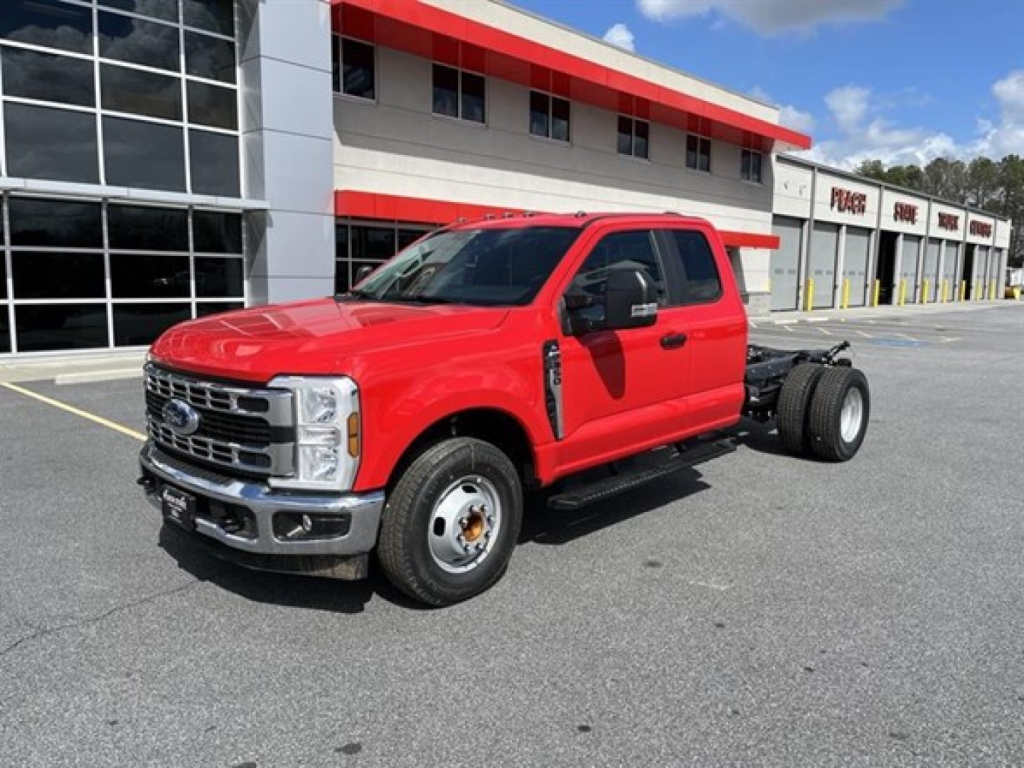
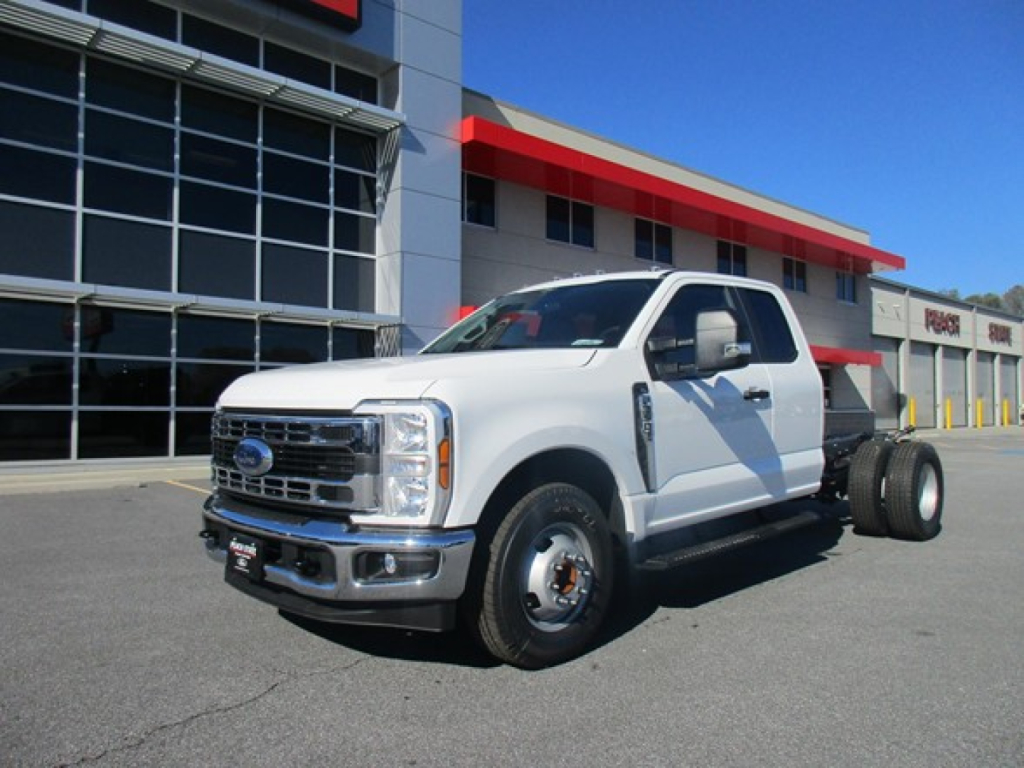
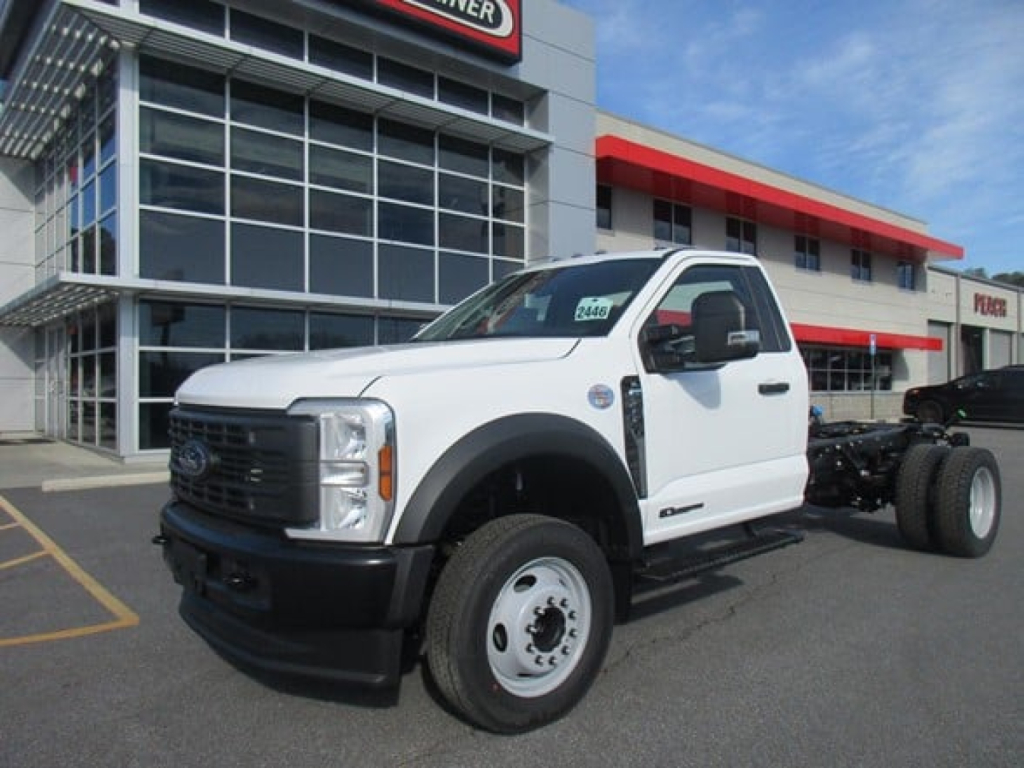
Ford cab and chassis trucks are also known for the range of body-ready configurations available from the factory. Buyers should pay close attention to regular cab, SuperCab, and crew cab layouts, along with 4x2 versus 4x4, because cab length and front drivetrain choice affect frame space, turning radius, curb weight, and final payload. Common details that matter during upfit include PTO provisions, trailer brake controller, rear view camera prep, fuel tank size, electrical architecture for body integration, and the frame dimensions needed by the body manufacturer. If the truck will carry a crane, compressor, welder, liftgate, or dump hoist, confirm front axle capacity, available alternator output, and whether the suspension and tires match the real operating weight rather than the empty chassis spec.
For many buyers, the best 2026 Ford cab and chassis truck is the one that leaves enough margin after the body is installed. That means checking payload after upfit, not just published GVWR, and matching the truck to the route, terrain, and crew size. A flatbed for regional deliveries has a different ideal setup than a service truck that idles on job sites all day or a dump body working in soft ground. Ford chassis cabs are widely supported by body builders, which makes them a practical choice when uptime, parts access, and easier fleet standardization matter. The smartest comparison is not just model versus model, but complete finished-truck capability once the bed, tools, equipment, fuel, and trailer are all part of the equation.
Frequently Asked Questions about 2026 Ford Cab and Chassis Trucks
What is the difference between a Ford cab and chassis truck and a pickup with a factory bed?
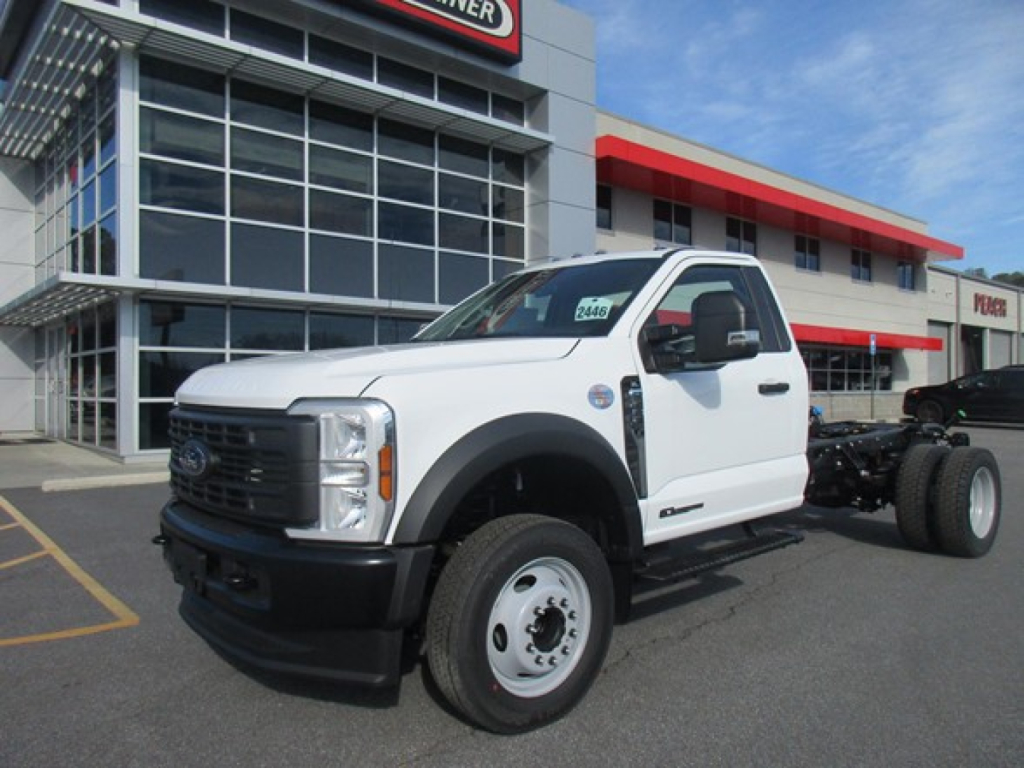
A Ford cab and chassis truck is delivered as a body-ready platform with frame rails behind the cab instead of a pickup box. It is designed for commercial upfitting, so buyers can install a flatbed, service body, dump body, stake body, utility body, or other vocational body. Compared with a standard pickup, a chassis cab is typically chosen when payload management, body customization, PTO equipment, or fleet-specific configurations are more important than consumer-oriented bed features.
Which 2026 Ford cab and chassis model is best for a flatbed or service body?
That depends on the body size, tool weight, and towing demands. An F-350 chassis cab can work well for lighter flatbeds and smaller service bodies, especially in applications where maneuverability and lower acquisition cost matter. F-450 and F-550 chassis cab models are more common when the finished truck will carry heavier tools, cranes, compressors, or frequent trailer loads. The best match comes from confirming GVWR, rear axle rating, wheelbase, and cab-to-axle length against the body builder’s requirements.
Why is cab-to-axle measurement so important on a Ford chassis cab?
Cab-to-axle, often called CA, is one of the most important dimensions because it determines what body length can be installed correctly on the frame. If the CA is wrong, the body may not fit, axle loading may be poor, and the finished truck can have balance or handling issues. Buyers should match CA, wheelbase, and frame length to the exact body specification before ordering or purchasing a chassis cab, especially for dump, utility, and mechanics truck applications.
Is the 7.3L gas engine a good choice in a Ford cab and chassis truck?
The 7.3L gas V8 is a strong option for many commercial users because it offers lower upfront cost than diesel, broad service support, and solid performance in local and regional duty. It is often a practical fit for flatbeds, stake bodies, and service trucks that do not spend every day at maximum load. Buyers who tow heavy regularly, operate at higher annual mileage, or need stronger low-end pull for sustained heavy-duty work may still prefer diesel, but the right answer depends on duty cycle and total operating cost.
What should buyers check before upfitting a 2026 Ford cab and chassis truck?
Start with GVWR, front and rear axle ratings, wheelbase, cab-to-axle, and intended body weight. Then verify PTO needs, electrical requirements for the body, tire and suspension capacity, and the actual payload remaining after the upfit is installed. It is also smart to confirm trailer brake provisions, camera prep, fuel tank range, and any equipment that affects idle time or alternator demand. A chassis cab should be evaluated as a finished work truck, not just as an empty platform.