
Cab and Chassis Trucks For Sale in Florida
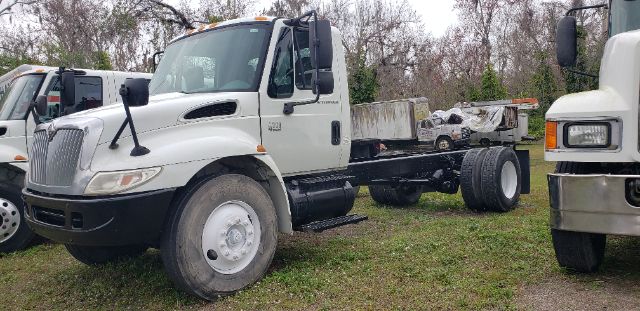
Shop cab and chassis trucks for sale in Florida. Compare wheelbases, GVWR, frame specs, powertrain options, and body upfit compatibility.
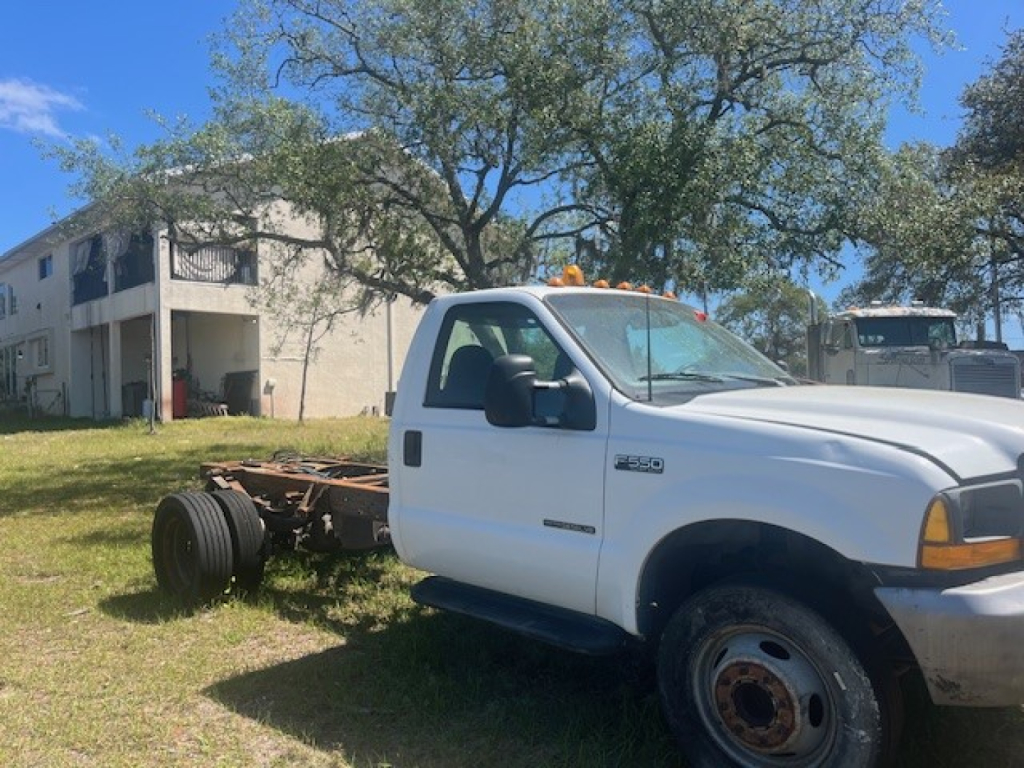
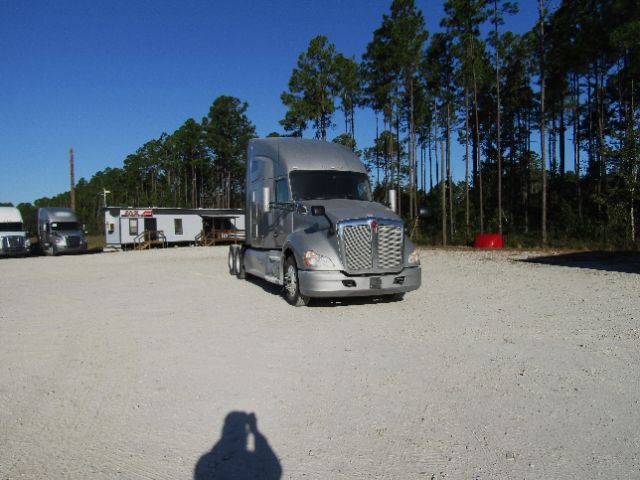
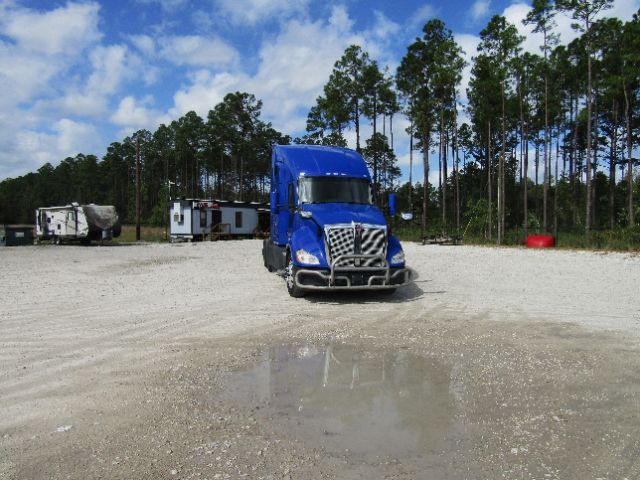
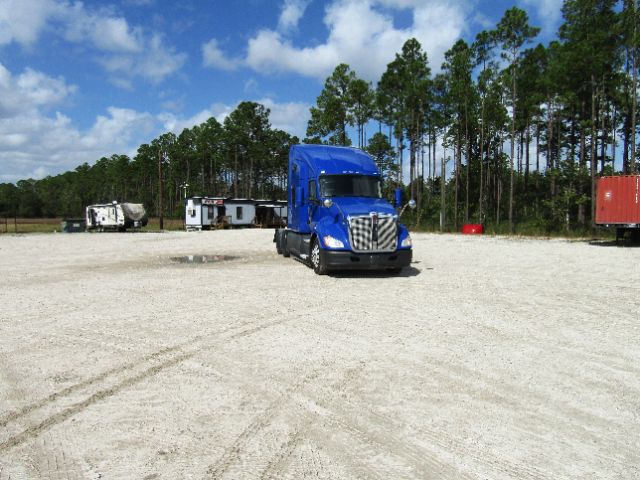
Selling a cab and chassis truck? List your cab and chassis truck for sale and reach thousands of commercial buyers.
Cab and Chassis Trucks in Florida
In Florida, application matters as much as the badge on the hood. Local delivery, municipal work, utility service, construction, and equipment hauling all call for different chassis layouts. Medium-duty cab and chassis models often use engines like the DT466 for straightforward vocational service, while heavier tandem or regional-spec chassis may carry powerplants such as the Cummins X15, PACCAR MX-13, or larger Mack diesel platforms. Transmission choice should match the route and payload. Automatics are common in stop-and-go service, while automated manuals and heavier manual setups still have a place in higher-GCWR or PTO-driven applications. Suspension also matters. Air ride can help protect sensitive cargo or equipment, while spring suspension is still preferred in many severe-duty uses for simplicity and durability.
A good cab and chassis buyer looks past horsepower alone. GVWR, front and rear axle ratings, frame section, single versus double frame, and rear suspension capacity tell you more about what the truck can actually do. If the truck will carry a crane, compressor, or heavy service body, frame reinforcement and PTO provisions become critical. If it will be upfitted as a box truck or reefer, wheelbase and rear overhang need to be matched carefully to the body length and bridge formula considerations. On sleeper-based chassis, common in some regional and specialty applications, it is worth confirming frame modification history, kingpin setting if a prior tractor was converted, and overall upfit suitability before committing.
Condition should be evaluated as both a truck and an upfit platform. Check for frame corrosion, flange damage, prior drill patterns, stretched or cut rails, electrical integrity, and air or hydraulic plumbing left from a previous body. In a Florida truck, pay close attention to rust around crossmembers, cab mounts, and underbody components, especially if the chassis worked near the coast. Engine brake operation, ABS function, tire condition, suspension wear, and title status still matter, but the real value in this category is whether the chassis can accept the body you need without expensive rework. A clean, properly spec'd cab and chassis can shorten build time, control upfit cost, and put the finished truck to work faster.
Frequently Asked Questions about Cab and Chassis Trucks in Florida
What is a cab and chassis truck used for?
A cab and chassis truck is used as the foundation for a custom work truck. The chassis can be fitted with a flatbed, dump body, utility body, van body, rollback, wrecker, tanker, or other vocational body depending on the job. The main advantage is flexibility, because the buyer can match the truck’s wheelbase, axle ratings, and frame layout to the exact body and payload requirement.
What measurements matter most when buying a cab and chassis?
The most important measurements are wheelbase, cab-to-axle, cab-to-end-of-frame, and frame height. These dimensions determine body fit, weight distribution, and rear overhang. Buyers should also confirm GVWR, front and rear axle ratings, frame section, and whether the truck has PTO provisions. A mismatch in any of these areas can create expensive upfit changes or limit payload capacity once the body is installed.
Can a former road tractor be converted into a cab and chassis?
Yes, some trucks begin life as tractors and are later converted into cab and chassis configurations, especially heavier Class 8 units. That can work well for certain applications, but buyers need to inspect the frame rails, crossmembers, suspension layout, electrical integration, and any evidence of frame stretching or shortening. If the truck previously hauled a trailer, it is smart to verify that the conversion was done correctly and that the finished chassis dimensions suit the intended body.
Is air ride or spring suspension better on a cab and chassis truck?
Neither is universally better. Air ride suspension is often preferred when the truck will carry sensitive cargo, expensive equipment, or bodies that benefit from improved ride quality. Spring suspension is common in severe-duty and construction work because it is simple, durable, and familiar to many fleets. The right choice depends on payload, road conditions, body type, and how much emphasis is placed on ride quality versus ruggedness.
What should Florida buyers inspect on a used cab and chassis truck?
Florida buyers should inspect the frame, crossmembers, brake components, wiring, and underbody hardware for corrosion, especially on trucks that worked near salt air or coastal routes. They should also check for previous body-mount holes, frame repairs, hydraulic or air line leftovers, and signs of poor upfit removal. Beyond the chassis itself, engine history, transmission operation, ABS performance, tire condition, and clear title status are still essential because a sound frame alone does not make the truck a good buy.