
2025 Cab and Chassis Trucks For Sale in Texas

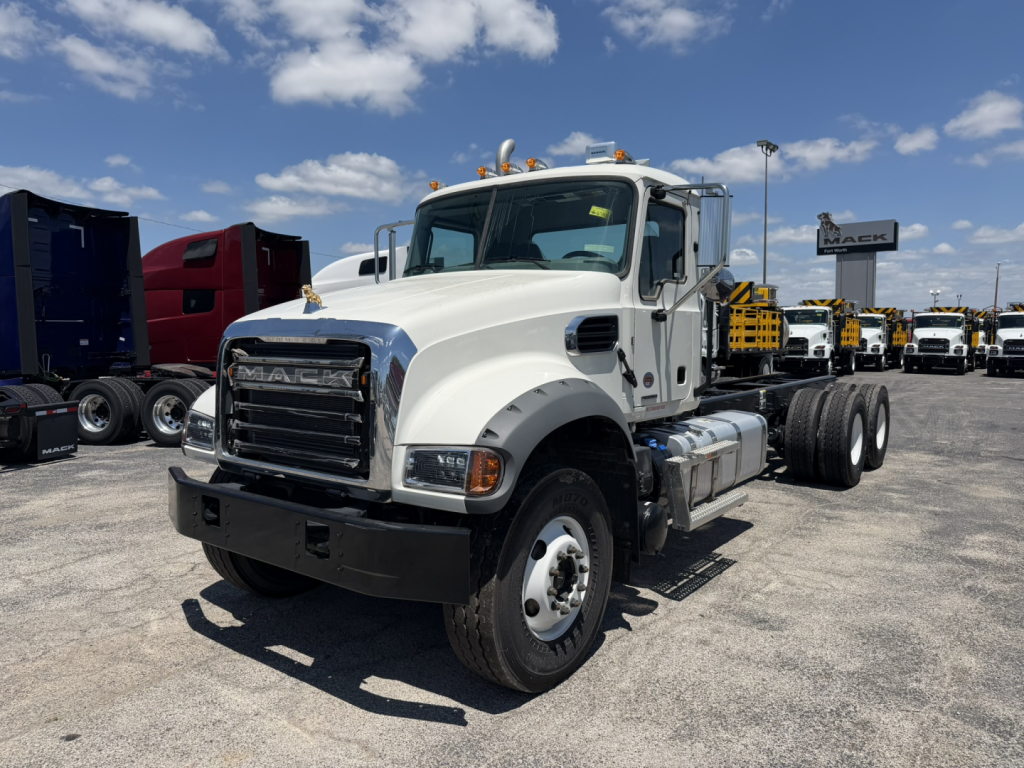
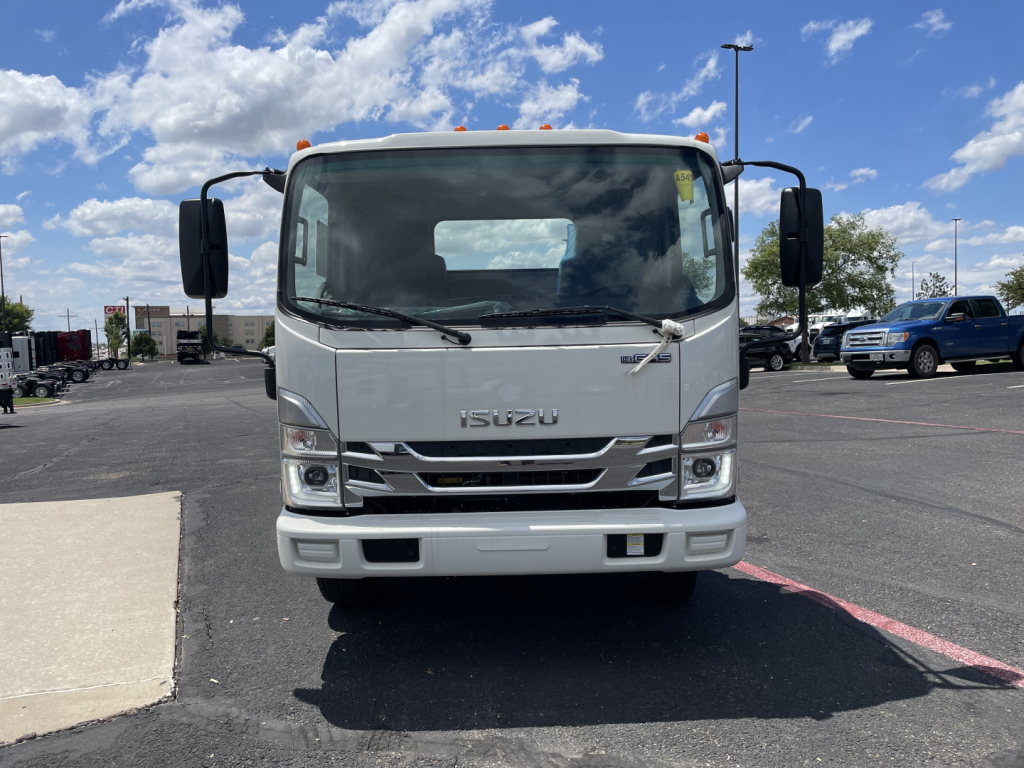
Have 2025 cab and chassis truck to sell? List it here to reach thousands of buyers.
2025 Cab and Chassis Trucks in Texas
The most important buying decisions are GVWR, axle layout, suspension, and drivetrain. In this category, that can mean anything from a medium-duty gas single-axle chassis for local delivery work to a severe-duty tandem or tri-drive platform for oilfield, construction, and municipal applications. Common specs include diesel or gas engines, Allison automatic, automated manual, or manual transmissions, and single, tandem, or tridem rear axle setups. Texas buyers often prioritize higher cooling capacity, vocational rear ratios, locking differentials, and heavy suspensions for slow-speed jobsite work, lease roads, and high-temperature operation. Wheelbase matters because it drives body length, bridge compliance, turning radius, and weight distribution across the steer and drive axles.
Frame and upfit details deserve close attention. A buyer should verify frame RBM, clear back-of-cab dimensions, PTO openings, fuel tank placement, exhaust routing, and any factory body-builder provisions before committing to a chassis. Front axle ratings, rear axle ratings, suspension type, and brake spec all affect how well the finished truck will carry a load and hold up in severe service. On heavier vocational trucks, features like double-channel frames, camelback or heavy air suspensions, interaxle and interwheel differential locks, and deep-reduction transmissions are common when traction and low-speed control matter more than highway fuel economy. On medium-duty chassis, buyers often focus on cab access, tighter turning radius, automatic transmissions, and simpler maintenance for city and regional routes.
A good 2025 cab and chassis truck should fit the body, the route, and the duty cycle without leaving capacity unused or overloading key components. For Texas operations, that often means balancing highway travel with off-pavement durability, especially in construction, energy, municipal, and agricultural work. Looking closely at horsepower, torque, rear ratio, wheelbase, and suspension design will tell you more than the badge alone. The right chassis is the one that lets the final upfit perform correctly, stay legal on weight, and remain serviceable for years after the body goes on.
Frequently Asked Questions about 2025 Cab and Chassis Trucks in Texas
What is the difference between a cab and chassis truck and a regular truck?
A cab and chassis truck is sold with the cab, drivetrain, and bare frame rails, but without a permanent rear body. That layout allows a buyer to install a dump body, service body, flatbed, box, tank, crane, or other vocational equipment. A regular truck with a factory-installed body is less flexible because the rear configuration is already fixed. For most vocational applications, a cab and chassis gives better control over wheelbase, body length, weight distribution, and PTO integration.
How do I choose the right wheelbase for a cab and chassis truck?
Wheelbase should be selected based on the planned body length, axle spacing requirements, and target weight distribution. A wheelbase that is too short can limit body options or overload the rear axle, while one that is too long can hurt maneuverability and add unnecessary frame length. Body builders usually work from the cab-to-axle and back-of-cab measurements to determine fitment. Buyers should confirm these dimensions early so the finished truck meets legal weight limits and performs correctly in turns, on job sites, and at highway speed.
What specs matter most on a vocational cab and chassis truck in Texas?
In Texas, buyers commonly focus on cooling capacity, axle ratings, suspension durability, PTO options, and rear axle ratio. High ambient temperatures, long highway runs, oilfield roads, construction sites, and municipal service all put different demands on the chassis. For severe-duty work, locking differentials, heavy front axles, vocational transmissions, and robust frame ratings are often more important than top-speed gearing. For medium-duty urban work, automatic transmissions, fuel type, cab access, and maintenance simplicity can be the priority.
Can a cab and chassis truck handle heavy specialty upfits like cranes, tanks, or dump bodies?
Yes, but only if the chassis is spec'd correctly for the final application. Heavy upfits require enough GVWR, front and rear axle capacity, frame strength, suspension support, and PTO capability to carry both the body and the payload. Buyers should also account for equipment weight mounted behind the cab, such as compressors, outriggers, tool compartments, or hydraulic tanks. A chassis that looks adequate on paper can still be wrong if the weight distribution shifts too much load onto one axle or if the frame and wheelbase do not match the body design.
Are gas or diesel cab and chassis trucks better for fleet use?
It depends on duty cycle, total weight, and service environment. Gas cab and chassis trucks are common in medium-duty applications where lower acquisition cost, simpler emissions systems, and local-route operation matter most. Diesel chassis are more common when higher torque, heavier payloads, PTO-driven equipment, and longer service life are priorities. Fleet buyers should compare not just engine output, but also maintenance intervals, idle time, average payload, fuel availability, and the expected life of the upfit installed on the truck.