
2025 Cab and Chassis Trucks For Sale in New Jersey
Have 2025 cab and chassis truck to sell? List it here to reach thousands of buyers.
2025 Cab and Chassis Trucks in New Jersey
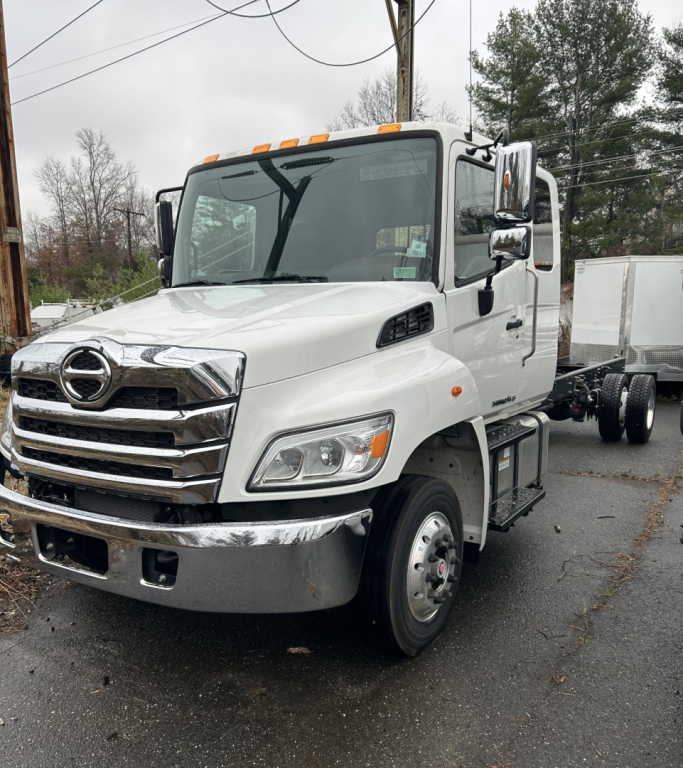
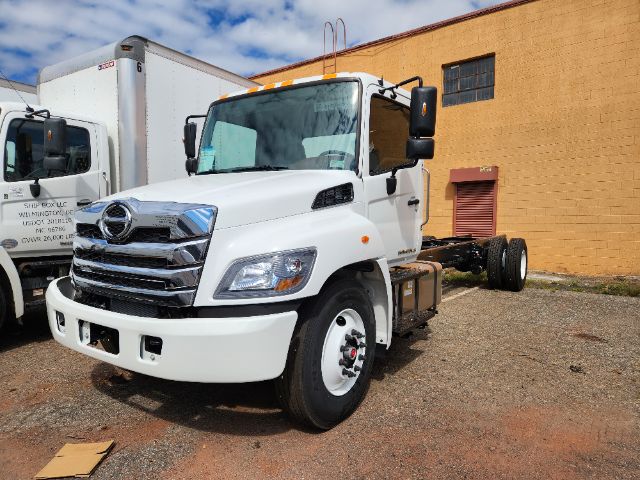
In the current Class 4 through Class 7 cab and chassis market, common specs include diesel power, automatic transmissions, and either hydraulic or air brake systems depending on the weight class. Medium-duty models like the Hino L6 and L7 are often ordered with Cummins diesel engines and Allison automatic transmissions because that combination is familiar to fleet maintenance departments and well suited for stop-and-go commercial work. Buyers should confirm the exact GVWR and body-builder dimensions before committing to an upfit. A truck in the 25,950-pound range may be a strong candidate for a 26-foot van body in the right configuration, but wheelbase, cab-to-axle, frame section, fuel tank placement, and suspension rating still have to line up with the intended body and payload.
A good cab and chassis spec is not just about power. It is about how cleanly the truck matches the job cycle. Local delivery and parcel operations usually prioritize a lower step-in height, good turning radius, visibility, and easy PTO or body integration. Contractors and municipalities tend to focus more on front axle capacity, frame strength, exhaust routing, snowplow prep, and compatibility with dump or utility equipment. Cold weather packages, heated mirrors, air-ride seats, larger aluminum fuel tanks, and factory upfitter switches can all make a meaningful difference in daily operation, especially for trucks that idle, stop frequently, or run year-round in mixed weather.
When comparing 2025 cab and chassis trucks for sale, pay close attention to the incomplete-vehicle ratings and body-builder guidance, not just the engine horsepower. Body length capacity, cab-to-axle measurement, frame height, and rear suspension spec will tell you more about real-world usability than a sales sheet with generic features. Buyers planning to add a box, reefer, dump, or service body should also verify PTO provisions, electrical architecture, exhaust aftertreatment packaging, and final curb weight targets before the body is installed. The best chassis cab is the one that leaves enough capacity for the upfit, the payload, and the route it will actually run.
Frequently Asked Questions about 2025 Cab and Chassis Trucks in New Jersey
What is a cab and chassis truck used for?
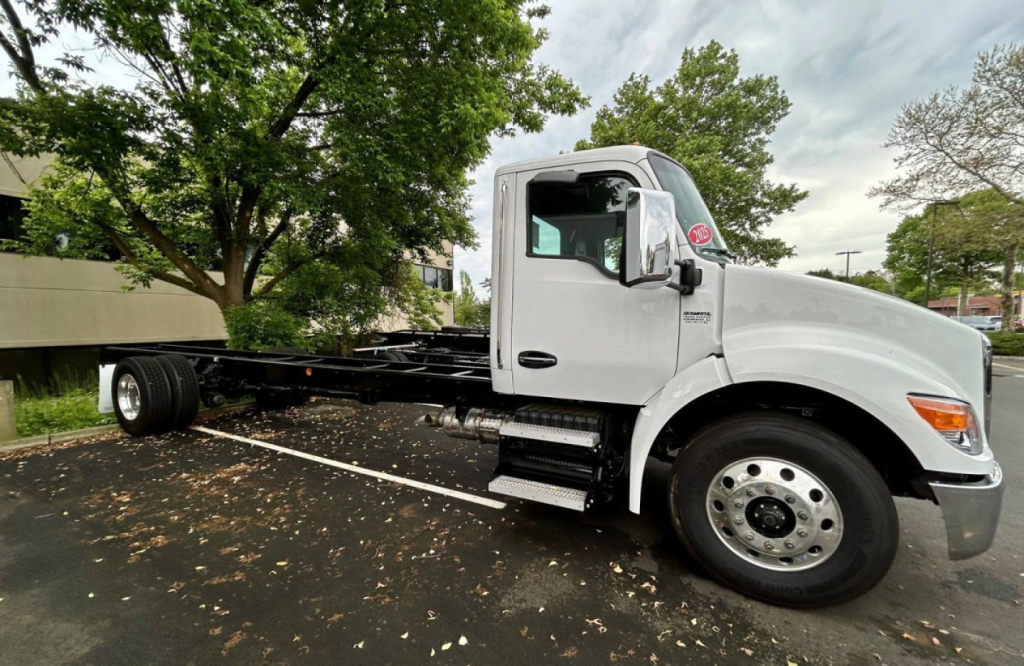
A cab and chassis truck is an incomplete vehicle designed to receive a vocational body after purchase. Common applications include dry van delivery bodies, refrigerated bodies, flatbeds, stake beds, dump bodies, service bodies, utility bodies, rollback equipment, and specialty municipal upfits. Buyers choose a chassis cab when they need the truck built around a specific job instead of buying a factory-complete body style.
How do I choose the right wheelbase and cab-to-axle for a body installation?
Wheelbase and cab-to-axle dimensions must match the body manufacturer's requirements for the exact body length and equipment layout. The cab-to-axle measurement is especially important because it determines where the body sits on the frame and how much room is available for liftgates, toolboxes, hoists, or auxiliary equipment. A longer body does not automatically fit just because the GVWR is adequate. The frame length, axle placement, fuel tank location, and rear overhang limits all need to be checked against the body-builder guide.
What GVWR should I look for in a 2025 cab and chassis truck?
The right GVWR depends on the combined weight of the chassis, installed body, cargo, passengers, fuel, and any mounted equipment. Many buyers start by estimating the finished curb weight after upfit and then add the heaviest realistic payload, with some reserve capacity for daily operation. In medium-duty applications, a truck around 25,950 pounds GVWR may suit a van body or light vocational build, while heavier applications may require a Class 6 or Class 7 chassis with higher axle and suspension ratings. GVWR should always be considered alongside front and rear GAWR, not by itself.
Are diesel engines and Allison automatic transmissions common in medium-duty cab and chassis trucks?
Yes. In Class 5 through Class 7 cab and chassis trucks, diesel engines paired with Allison automatic transmissions are a common and widely accepted specification. This setup is popular because it offers strong low-end torque, predictable operation in stop-and-go service, and broad service familiarity across commercial repair networks. Buyers should still verify horsepower, torque, PTO compatibility, transmission series, and rear axle ratio because those details affect acceleration, gradeability, and body equipment performance.
What should New Jersey buyers pay attention to when shopping for a cab and chassis truck?
New Jersey buyers often need a chassis that can handle dense traffic, frequent stopping, tight loading areas, and a mix of local and regional routes. Turning radius, wheelbase, visibility, brake type, and body width become especially important in urban and suburban service. Seasonal conditions also matter, so features like heated mirrors, cold weather packages, corrosion resistance, and the right tire spec can improve uptime. If the truck will operate near weight limits or in regulated corridors, bridge laws, registration class, and completed-vehicle compliance should also be reviewed early in the buying process.