
2013 Cab and Chassis Trucks For Sale
Shop 2013 cab and chassis trucks. Compare GVWR, cab-to-axle lengths, diesel engines, brake setups, and body-ready configurations.
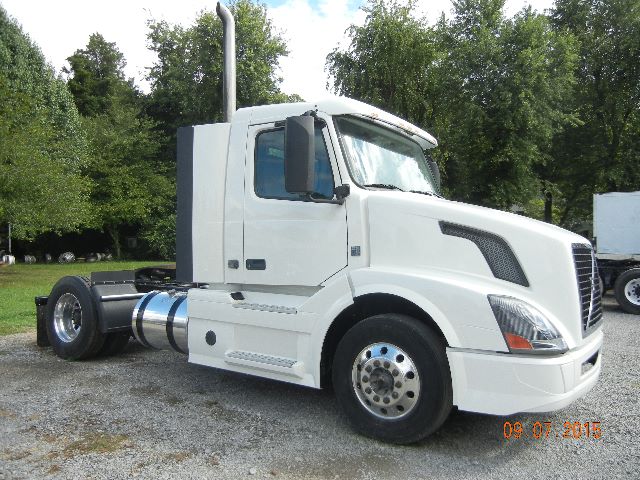
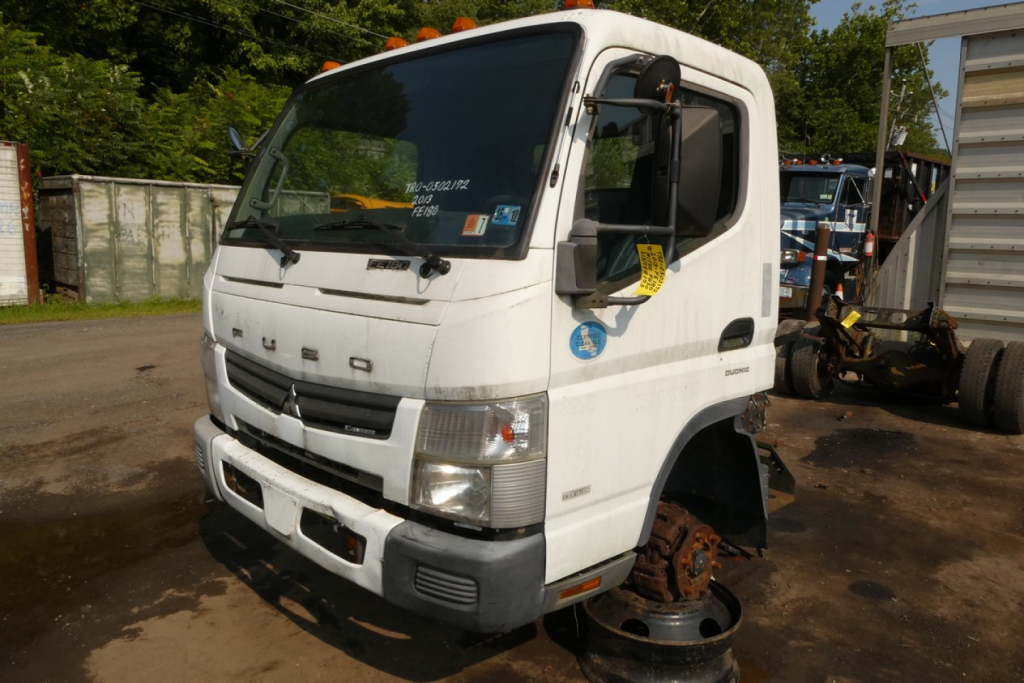
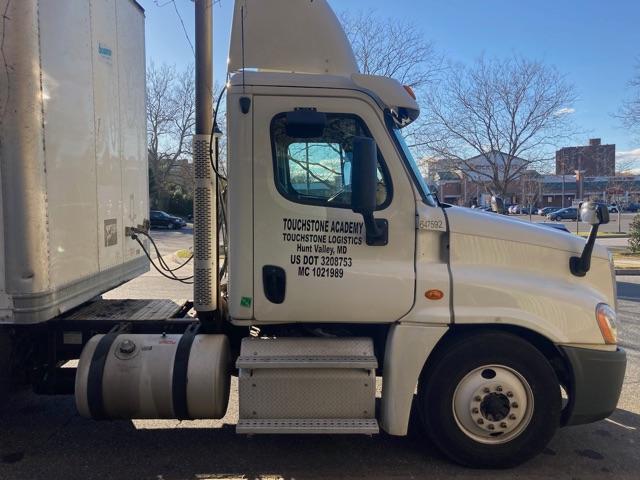
Selling a 2013 cab and chassis truck? List your 2013 cab and chassis truck for sale and reach thousands of commercial buyers.
2013 Cab and Chassis Trucks
The most common 2013 cab and chassis trucks on the market come from platforms such as the Freightliner M2 106, International 4300, Ford F-450 and F-550, Ram 4500 and 5500, Chevrolet Silverado 4500HD, and GMC Sierra 4500HD and 5500HD. Buyers will see diesel engines most often, with output varying by class and application. Lighter Class 4 and 5 trucks are often chosen for landscape bodies, mechanics trucks, and hot shot or rollback conversions, while Class 6 and 7 chassis are more common for box truck bodies, refrigerated bodies, dump bodies, and municipal work. Transmission choice matters on 2013 units because both manual and automatic configurations are still common, and PTO compatibility is a major consideration if the truck will run hydraulics, compressors, cranes, or lift equipment.
A serious buyer should look closely at axle ratings, rear suspension type, brake system, frame condition, and existing upfit history. Air brakes are common in higher GVWR applications, while hydraulic brakes are still found on many lighter chassis. If a body has been removed, check for frame drilling, corrosion around mounting points, wiring integrity, and any signs the rails were stretched, shortened, or reinforced. Cab-to-axle and axle-to-end-of-frame dimensions should be verified rather than assumed, especially if the plan is to mount a specific body length. On 2013 trucks, emissions equipment condition is another key factor. Buyers should confirm engine family, aftertreatment service history, fault code status, and whether the truck has been operated in duty cycles that are hard on DPF and SCR systems.
The value in a 2013 cab and chassis truck is flexibility. A clean chassis can be a cost-effective way to build a truck around a precise application instead of paying for a used body that does not match the work. For contractors, delivery fleets, municipalities, utility operators, and towing businesses, the right 2013 chassis can still offer strong service life if the frame, driveline, and electrical architecture are sound. The best comparisons are not just make, model, and mileage. They are wheelbase, CA dimension, front and rear GAWR, engine and transmission pairing, PTO readiness, and how easily the chassis can accept the body and operating equipment required for the job.
Frequently Asked Questions about 2013 Cab and Chassis Trucks
What should I check first on a 2013 cab and chassis truck?
Start with GVWR, front and rear axle ratings, wheelbase, and cab-to-axle measurement. Those specifications determine what body the truck can legally and practically carry. After that, review the frame rails, brake type, suspension, and powertrain configuration. On a 2013 model, emissions system history and diagnostic status are especially important because repair costs can quickly change the real value of the chassis.
What bodies can be installed on a 2013 cab and chassis truck?
A 2013 cab and chassis can be fitted with a wide range of vocational bodies, including flatbeds, dry freight boxes, refrigerated bodies, utility and service bodies, dump bodies, mechanics bodies, rollback carriers, and stake beds. The correct body depends on the truck's CA dimension, axle placement, frame length, and weight ratings. PTO needs, fuel tank placement, and exhaust routing should also be checked before finalizing an upfit.
Are 2013 cab and chassis trucks good for hot shot or contractor work?
They can be, especially in Class 4 and 5 configurations such as Ford F-450, F-550, Ram 4500, and Ram 5500 style platforms. The right setup depends on GCWR, axle ratio, suspension, hitch provisions, and how the truck will be loaded or trailered. Contractor buyers should also consider crew cab versus regular cab layouts, storage needs, and whether the chassis is already wired or configured for PTO-driven equipment.
Why is cab-to-axle length so important on a cab and chassis truck?
Cab-to-axle length is one of the main dimensions body installers use to match a chassis to a bed or box. If the CA is wrong, the body may not mount correctly, weight distribution can suffer, and clearance issues can develop around the back of cab, fuel tanks, and rear suspension. Buyers comparing 2013 chassis should verify the actual CA measurement instead of relying only on model or wheelbase assumptions.
What maintenance issues are common on 2013 cab and chassis trucks?
Common concerns include frame rust, corrosion around body mounts, worn suspension components, steering play, brake system wear, and electrical issues tied to prior upfits. On diesel units, buyers should also check DPF service records, SCR and DEF system function, EGR history, and any active or stored fault codes. A truck that looks clean but has unresolved aftertreatment or wiring problems can become more expensive than a higher-mileage chassis with documented maintenance.