
2009 Cab and Chassis Trucks For Sale
Shop 2009 cab and chassis trucks built for upfits like box, dump, utility, flatbed, and service bodies. Compare GVWR, wheelbase, axle, and PTO specs.
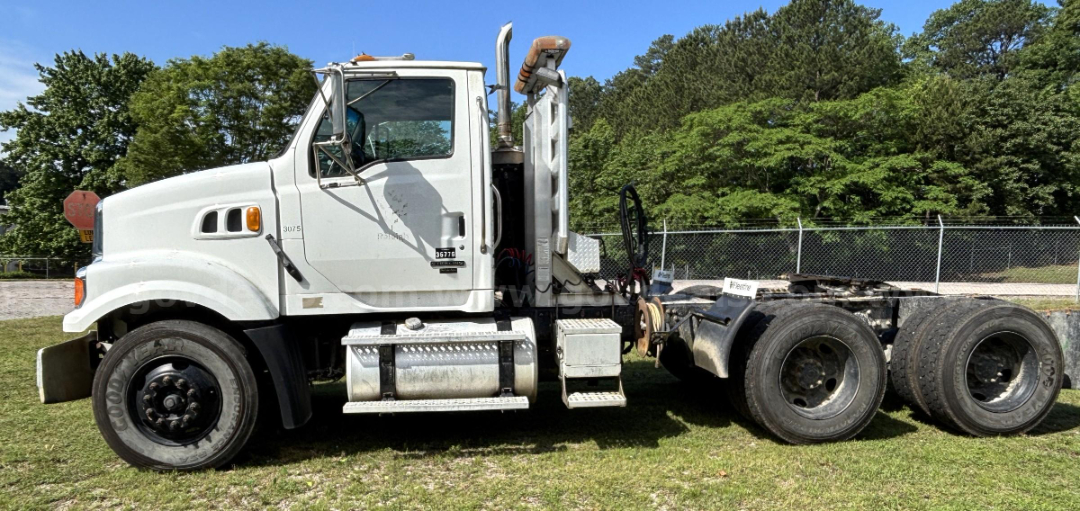
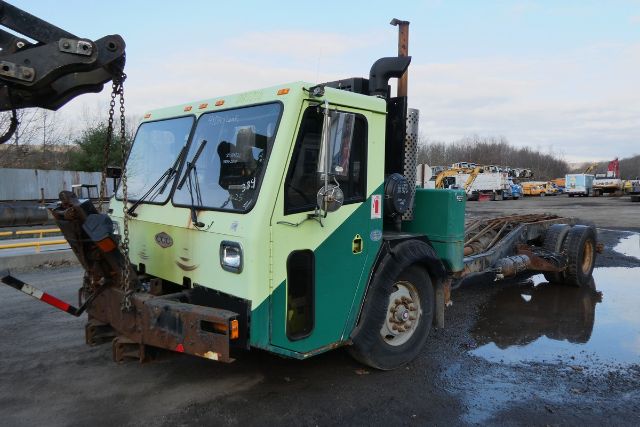
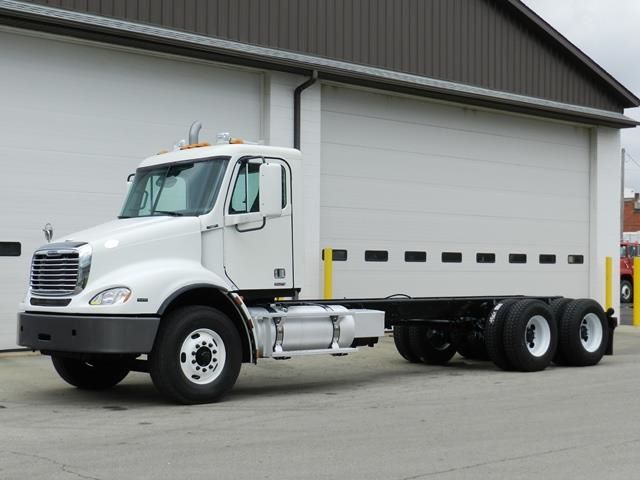
Have 2009 cab and chassis truck to sell? List it here to reach thousands of buyers.
2009 Cab and Chassis Trucks
For 2009 models, powertrain selection matters because emissions-era differences can affect maintenance cost and operating profile. Many 2009 cab and chassis trucks use diesel engines from Cummins, Duramax, International, Caterpillar, Mercedes-Benz, or MaxxForce families, while gas-powered chassis are also found in lighter GVWR ranges. Automatic transmissions are common in delivery, municipal, and service applications, while manual or automated manual setups still appear in heavier vocational use. PTO capability is an important checkpoint for buyers planning to run hydraulic pumps, compressors, winches, or other auxiliary equipment. Rear axle ratio, suspension type, and brake configuration also deserve a close look, especially if the chassis will see stop-and-go urban work, off-pavement jobsites, or sustained highway miles.
The most important fitment numbers on a used cab and chassis are usually cab-to-axle, cab-to-end-of-frame, frame height, axle spacing, and front axle set-back. Those dimensions control body length, weight distribution, and clearance for underbody toolboxes, outriggers, hoists, or liftgate equipment. Buyers should also inspect frame condition carefully on a 2009 chassis, especially around previous body mounts, drilled crossmembers, suspension hangers, and any evidence of rust scaling or frame modification. If the truck already has PTO provisions, hydraulic plumbing, or an upfitter switch package, that can shorten body installation time and reduce conversion cost. If it does not, confirm transmission compatibility and available PTO openings before budgeting the upfit.
A good 2009 cab and chassis truck can still be a cost-effective way to build a purpose-specific unit, but the value is in matching the chassis to the body and duty cycle. Pay close attention to GVWR, registered weight history, engine hours if available, and whether the truck spent its life in municipal service, local delivery, utility work, or seasonal vocational use. Medium-duty buyers often compare single-axle maneuverability against tandem capacity, while lighter buyers focus more on turning radius, CDL threshold, and body availability. When the measurements, axle ratings, and drivetrain spec line up with the intended upfit, a 2009 cab and chassis can remain a practical platform for many commercial applications.
Frequently Asked Questions about 2009 Cab and Chassis Trucks
What is a cab and chassis truck?
A cab and chassis truck is a stripped commercial truck platform sold with the cab, frame, drivetrain, and axles in place but without a permanent work body installed. It is designed for upfitting with equipment such as a box, flatbed, dump body, utility body, wrecker body, service body, or tank. The key advantage is flexibility, because the buyer can match the wheelbase, cab-to-axle dimension, and weight ratings to a specific application.
What should I check first on a 2009 cab and chassis truck?
Start with cab-to-axle length, wheelbase, GVWR, front and rear axle ratings, and frame condition. Those items determine whether the chassis will accept the body you need and whether it can carry the finished weight safely. On a 2009 model, it is also smart to review the engine emissions system, transmission model, PTO capability, and signs of frame corrosion or prior upfit modifications.
How do I choose the right wheelbase and cab-to-axle length?
The correct dimensions depend on the body length, body type, and desired weight distribution. A body manufacturer or upfitter will usually specify a required cab-to-axle measurement and recommended wheelbase for each body size. If the dimensions are wrong, the body may not fit correctly, axle loading can become uneven, and components like liftgates, outriggers, or underbody boxes may interfere with the chassis layout.
Are 2009 cab and chassis trucks good for PTO-driven equipment?
Many are, but PTO suitability depends on the transmission, engine speed requirements, and the type of auxiliary equipment being powered. Service trucks, dumps, wreckers, and utility builds often need a transmission with PTO openings and enough torque capacity for hydraulic or mechanical accessories. Before purchase, verify the transmission model, PTO port availability, and whether any existing hydraulic lines, pumps, or controls are already installed.
What are common uses for a 2009 cab and chassis truck?
Common uses include local delivery bodies, flatbeds, landscaper bodies, dump trucks, mechanics trucks, utility line bodies, plumbing and electrical service bodies, tow trucks, and small tank applications. Lighter chassis are often used for urban delivery and contractor work, while heavier medium-duty chassis are better suited for higher payloads, equipment hauling, and municipal or construction service.