
2007 Cab and Chassis Trucks For Sale
Browse 2007 cab and chassis trucks built for dump, utility, towing, service, and specialty body upfits with diesel power and vocational specs.
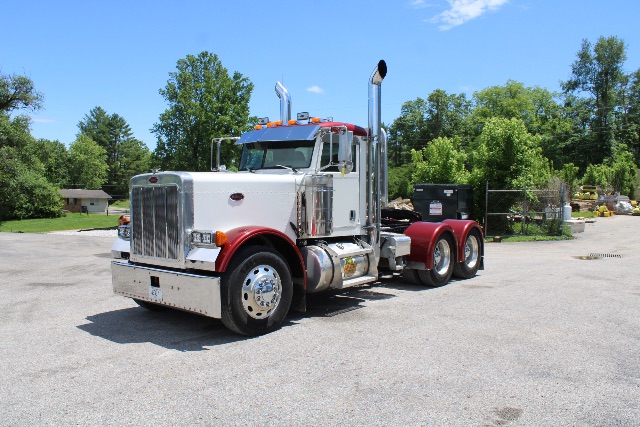
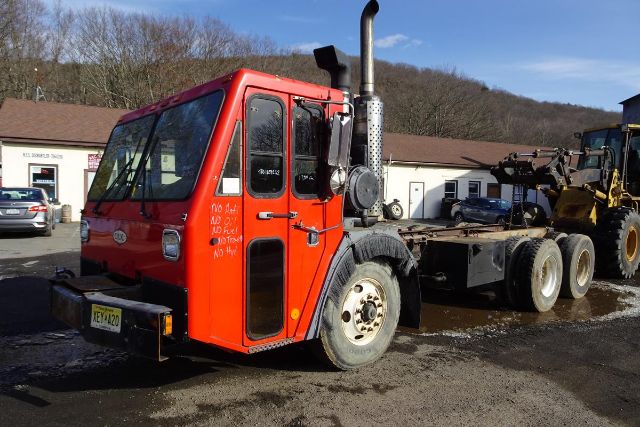
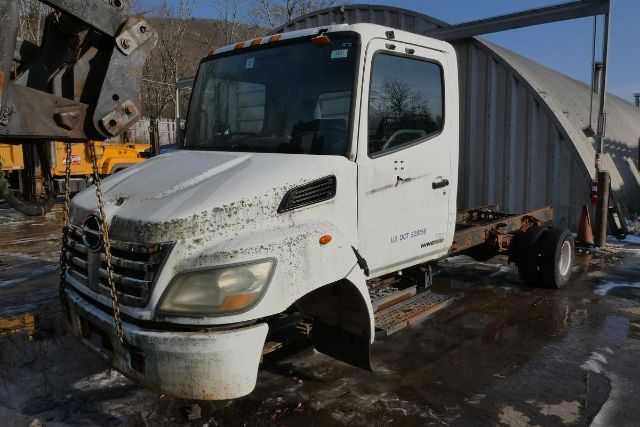

Selling a 2007 cab and chassis truck? List your 2007 cab and chassis truck for sale and reach thousands of commercial buyers.
2007 Cab and Chassis Trucks
The first numbers to verify are wheelbase, cab-to-axle, and cab-to-end dimensions because those measurements determine what body can be installed without costly frame modification. On a 2007 cab and chassis truck, axle ratings and suspension type are just as important. Common configurations include single axle, tandem axle, and heavier vocational setups with rubber block, walking beam, or air ride suspensions. Rear axle ratios in this year range are often selected for low-speed pulling power rather than highway fuel economy, especially on trucks intended for dump, refuse, municipal, or equipment hauling work. Buyers should also confirm PTO compatibility, transmission type, and frame specification if the truck will run hydraulics, pumps, winches, or compressors.
Engine and transmission choices on 2007 chassis cabs typically include medium-duty and heavy-duty diesel platforms from Cummins, Caterpillar, Detroit Diesel, Mack, and others, paired with manual, automated, or Allison automatic transmissions depending on the application. A utility or municipal truck may favor an automatic for stop-and-go work, while a heavier vocational chassis may be set up with gearing and driveline components aimed at off-road traction or severe service. Front axle capacity, rear axle capacity, tire size, brake system, and GVWR should be matched to the finished body and payload, not just the bare chassis. If the truck is being repurposed from a previous body, inspect for drilled frames, crossmember changes, PTO remnants, electrical splices, and hydraulic plumbing left from the prior upfit.
For a used 2007 cab and chassis, condition matters well beyond engine hours or mileage. Look closely at frame corrosion, suspension wear, steering components, brake condition, and signs of hard vocational use such as cracked body mounts, overloaded spring packs, or damaged frame flanges. It also pays to verify the emissions configuration, title status, and any state or municipal compliance requirements before committing to an upfit. A well-matched 2007 chassis cab can still be a cost-effective platform for local construction, towing, utility, snow and ice, municipal service, and specialized equipment builds when the dimensions, ratings, and drivetrain are aligned with the job.
Frequently Asked Questions about 2007 Cab and Chassis Trucks
What is a cab and chassis truck?
A cab and chassis truck is a truck sold with the cab, drivetrain, and frame rails in place, but without a permanently installed rear body. This allows the chassis to be fitted with a dump body, service body, utility body, flatbed, rollback, hooklift, tanker, van body, or other vocational equipment. The key advantage is flexibility, since the buyer can match the truck’s wheelbase, axle ratings, and PTO capability to a specific application.
What measurements matter most when buying a 2007 cab and chassis truck?
The most important fit-up measurements are wheelbase, cab-to-axle, and cab-to-end. These determine what body length can be mounted and whether the truck will need frame extensions or modifications. Buyers should also verify frame height, axle spacing on tandem units, and any obstructions such as fuel tanks, DEF-free legacy emissions components for the era, battery boxes, or exhaust placement that may affect body installation.
Are 2007 cab and chassis trucks good for vocational upfits?
Yes, many 2007 cab and chassis trucks are still widely used for vocational upfits because they often combine durable diesel powertrains with relatively straightforward electrical and emissions systems compared with later trucks. That can make them attractive for dump, utility, municipal, service, and towing applications. The truck still needs to be matched carefully to the intended body, payload, and duty cycle, especially in terms of GVWR, frame strength, suspension, and PTO provisions.
What should I inspect on a used 2007 chassis cab before installing a body?
Start with the frame rails and crossmembers, since prior body removal can leave extra holes, weld repairs, corrosion, or damage that affects the next upfit. Then inspect suspension components, steering gear, brake system, driveline, axle housings, and tire condition. It is also smart to review the wiring, air lines, hydraulic plumbing, and any PTO setup from the previous application. A chassis that looks serviceable mechanically can still become expensive if the frame or electrical layout is not clean for the intended body installation.
Which applications are common for a 2007 cab and chassis truck?
Common applications include dump trucks, service trucks, mechanics trucks, utility trucks, flatbeds, stake beds, tow trucks, vacuum trucks, water trucks, and municipal equipment such as plows or spreaders. The right application depends on axle capacity, wheelbase, transmission, rear axle ratio, and whether the truck has the frame and PTO setup needed to support hydraulic or mechanical auxiliary equipment. Trucks with heavier rear suspensions and lower gearing are generally better suited for severe-duty vocational work.