
Bus Trucks For Sale in North Carolina
Browse bus trucks for sale in North Carolina, including shuttle and transit bus models with common specs, seating layouts, and accessibility features.
Learn more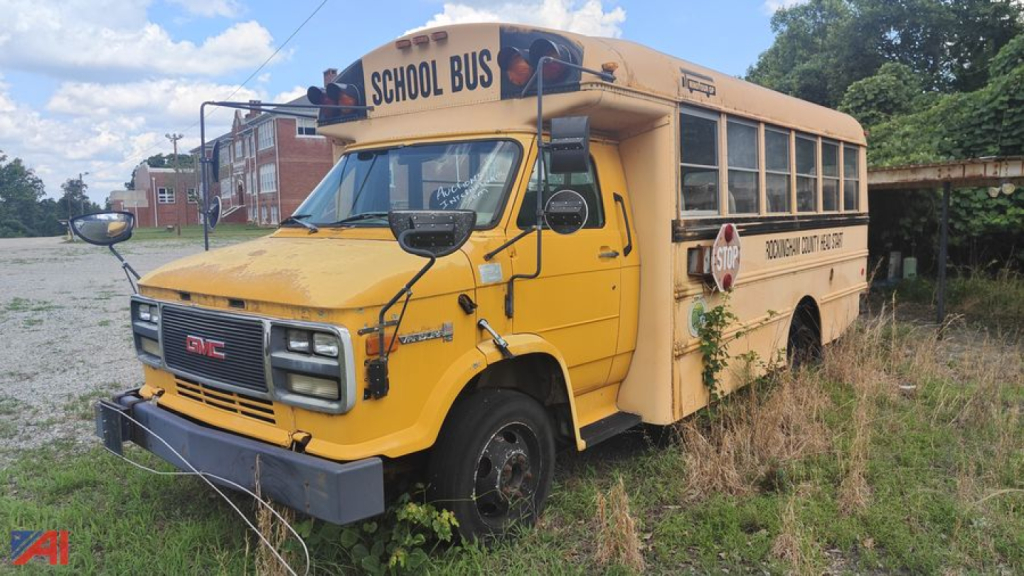
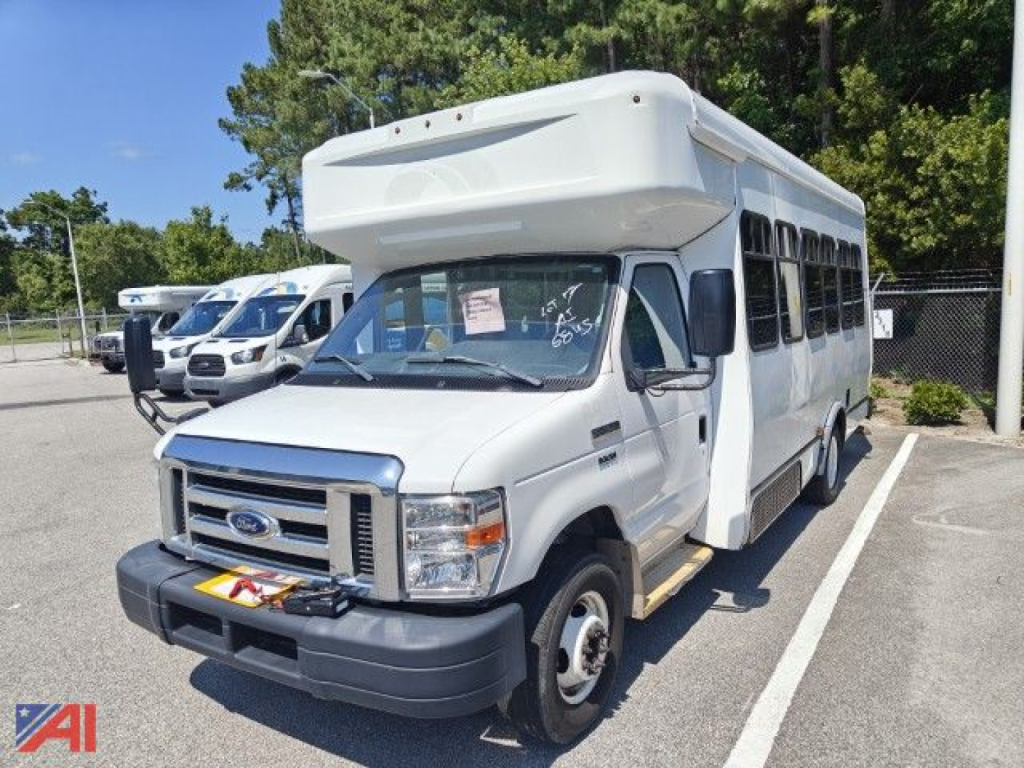
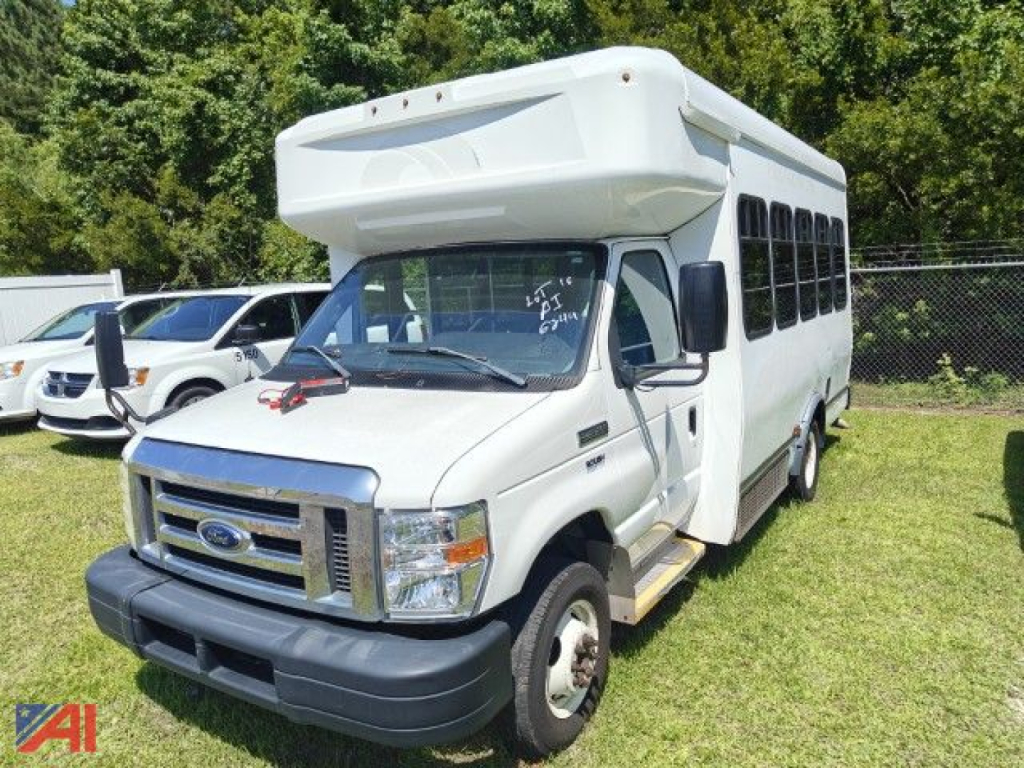
Have bus truck to sell? List it here to reach thousands of buyers.
About Bus Trucks in North Carolina
A good buying decision usually starts with capacity and access. Seating counts can range from smaller multi-row shuttle layouts to higher-capacity transit-style interiors, and floorplan matters as much as the raw seat number. Buyers should look closely at wheelchair lift condition, ADA securement positions, step height, aisle width, handrails, and entry door operation if the bus will be used for public or assisted transport. On cutaway buses, the body condition deserves as much attention as the chassis. Check for corrosion around skirt panels, door frames, lift openings, roof seams, and rear body corners, especially on older units or buses that have seen frequent stop-and-go service.
Powertrain and maintenance history are major value drivers in this category. Many used bus trucks are equipped with gasoline V8 engines on Ford E350 or E450 chassis, though diesel configurations also appear in some fleets. Buyers should compare GVWR, axle ratings, brake condition, suspension wear, cooling system service, and transmission performance under load. A bus that idles extensively or runs short routes may show different wear patterns than a highway shuttle. If the unit will operate in urban North Carolina routes, turning radius, entry height, HVAC output, and visibility can matter as much as mileage. Fleet buyers also tend to prioritize parts availability, local service support, and the simplicity of common chassis platforms.
Interior configuration can determine long-term operating costs and rider satisfaction. Rear luggage areas, perimeter seating, vinyl or cloth seats, front and rear air conditioning, school-bus-style windows versus transit windows, and passenger entry systems all affect suitability for the job. Electrical accessories such as destination signs, interlock systems, camera systems, and wheelchair lift electronics should be tested carefully. For buyers comparing used bus trucks for sale, the strongest units are usually the ones with a clear service record, solid body structure, working accessibility equipment, and a chassis spec that matches the route, passenger count, and duty cycle.
Frequently Asked Questions
What is the difference between a bus truck and a shuttle bus?
In this market, the terms often overlap. Many bus trucks are cutaway-style passenger buses built on truck-derived or van-based chassis such as a Ford E350 or E450. Shuttle bus usually refers more to the application or body style than the chassis itself. For a buyer, the more important distinction is passenger capacity, floorplan, and whether the unit is configured for route service, paratransit, private shuttle use, or general group transport.
What should I inspect first on a used bus?
Start with the chassis, body structure, and accessibility equipment. Engine and transmission condition are critical, but buses also need careful inspection around roof seams, side panels, entry doors, and lift openings because body repairs can be expensive and difficult to reverse. If the bus includes a wheelchair lift, check cycle operation, platform condition, hydraulic or electric function, and securement hardware. HVAC performance and electrical accessories should also be tested, especially on units used for passenger comfort-sensitive service.
Is a Ford E350 or E450 a better choice for a bus application?
That depends on passenger count and duty cycle. An E350 can be a practical choice for lighter passenger loads and smaller shuttle work, while an E450 is commonly preferred when the body is larger, the seating count is higher, or the route includes heavier daily use. Buyers should compare GVWR, rear axle capacity, brake performance, and how the body builder configured the final vehicle. The right answer comes from matching the chassis rating to actual operating weight and route demands.
Are wheelchair lifts and ADA features important on used bus purchases?
Yes, especially for public transportation, senior care, medical, and contract shuttle service. A used bus with a working wheelchair lift, securement stations, grab rails, and proper entry layout can save significant retrofit cost and shorten time to deployment. Buyers should confirm that the lift operates correctly, the interlock system functions as designed, and the interior layout still meets the intended service requirement. Accessibility equipment that has been poorly maintained can quickly become a major repair item.
What matters most for bus trucks operating in North Carolina?
Route type, heat load, and service support are major considerations. In North Carolina, buses used in city, county, and coastal environments may see frequent stops, long idle times, and heavy air conditioning demand. That makes cooling system health, front and rear HVAC performance, brake condition, and corrosion inspection especially important. Buyers also benefit from choosing common chassis platforms with readily available parts and service coverage across the region.