
Bus Trucks For Sale in Missouri
Browse bus trucks for sale in Missouri, including shuttle and passenger buses with wheelchair lifts, CDL and non-CDL capacities.
Learn more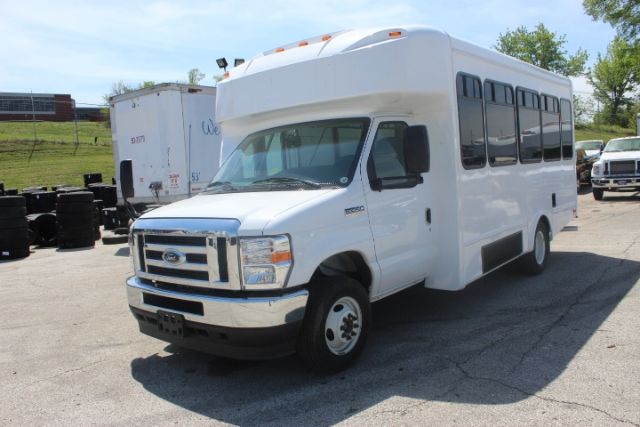
Have bus truck to sell? List it here to reach thousands of buyers.
About Bus Trucks in Missouri
For many buyers, the body and accessibility package are the most important parts of the spec. Common features include electric or hydraulic wheelchair lifts, side or rear lift doors, ADA-compliant tie-down positions, grab rails, high-back seating, and rear luggage or storage space depending on route needs. A shuttle bus built on a cutaway chassis often gives you easier service access and familiar medium-duty maintenance points, while still offering a fully enclosed passenger cabin with heat and air conditioning sized for people instead of cargo. Body manufacturers vary in insulation, roof structure, window design, and corrosion protection, so it is worth comparing interior finish quality and long-term durability, not just the chassis badge.
Powertrain choice depends on route length, idle time, terrain, and maintenance preference. Gas engines are common in lighter shuttle bus applications because upfront cost is typically lower and service support is widespread. Diesel power may still appeal to operators running higher annual miles or heavier passenger loads. Automatic transmissions, hydraulic brakes, dual rear wheels, heavy-duty alternators, and auxiliary climate control systems are standard considerations in this segment. In Missouri, seasonal temperature swings make front and rear HVAC performance especially important, and buyers should pay attention to defrost capability, insulation, and door sealing if the bus will run year-round.
A good bus purchase comes down to matching the unit to the route and the people using it every day. Check gross vehicle weight rating against loaded passenger count, lift equipment, and any baggage or medical gear. Review standing height, seat spacing, turning radius, and suspension tune if comfort is a priority on longer trips. If the goal is church transport, senior shuttles, or local group movement, a non-CDL shuttle bus with a simple gas powertrain can be a practical fit. If the job involves repeated daily service, tighter accessibility requirements, or more intensive commercial use, it pays to focus on body build quality, serviceability, and passenger-friendly features that hold up over time.
Frequently Asked Questions
What is the difference between a shuttle bus and a full-size bus truck?
A shuttle bus is usually built on a cutaway or van-based chassis and is commonly used for smaller passenger counts, shorter routes, and non-CDL applications. A full-size bus typically offers more seating capacity, a heavier-duty structure, and greater room for luggage or standing passengers, but it may require a CDL depending on seating capacity and local regulations. Shuttle buses are often easier to maneuver, easier to service through standard truck dealers, and better suited to churches, senior centers, hotels, and local community transportation.
Do I need a CDL to operate a bus in this category?
It depends on the seating capacity, weight rating, passenger use, and how the vehicle is configured. Many shuttle buses are ordered specifically to remain in a non-CDL configuration, which is attractive for private organizations and local transport operators. If the bus is set up for more passengers or used in a regulated commercial application, CDL requirements can change. Buyers should confirm the final seating count, wheelchair positions, and intended use before purchase so the unit matches licensing and compliance needs.
What features matter most on an ADA-accessible bus truck?
The key items are the wheelchair lift type, lift capacity, number of securement positions, door configuration, and interior maneuvering space. Buyers should also check the condition or specification of tie-down systems, handrails, entry lighting, and floor layout around mobility devices. A bus can list wheelchair capacity, but the real usability depends on how quickly passengers can board, how safely chairs can be secured, and how well the layout works with the rest of the passenger seating.
Is a gas or diesel engine better for a shuttle bus?
Gas engines are often a strong choice for lower-mileage shuttle operations because acquisition cost is usually lower and service support is broad. Diesel can make sense for heavier use cycles, higher annual mileage, or operators who prioritize torque and long-run fuel characteristics. The better option depends on route length, idle time, terrain, passenger load, and the maintenance resources available. For many local Missouri shuttle applications, a modern gas chassis is a practical and cost-effective setup.
What should I inspect first when comparing used bus trucks?
Start with passenger capacity, body condition, and accessibility equipment, then move to chassis service history. Roof leaks, corrosion around door openings, lift operation, HVAC performance, and seat mounting condition are critical on a bus because interior wear affects daily usability and safety. On the chassis side, review brake condition, tire age, suspension wear, transmission operation, and engine maintenance records. A bus can look clean cosmetically while still needing expensive body or accessibility repairs, so both the passenger compartment and the truck platform deserve equal attention.