
Used GMC Bus Trucks For Sale
No exact matches found for your search
Showing Used Bus Trucks instead.

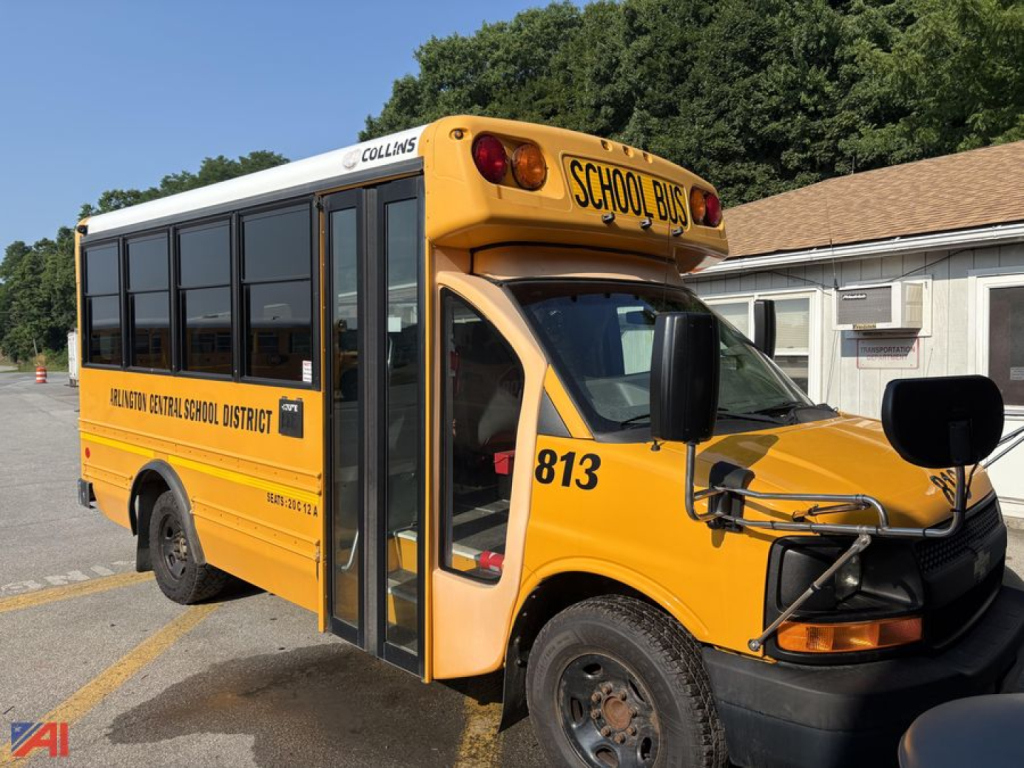
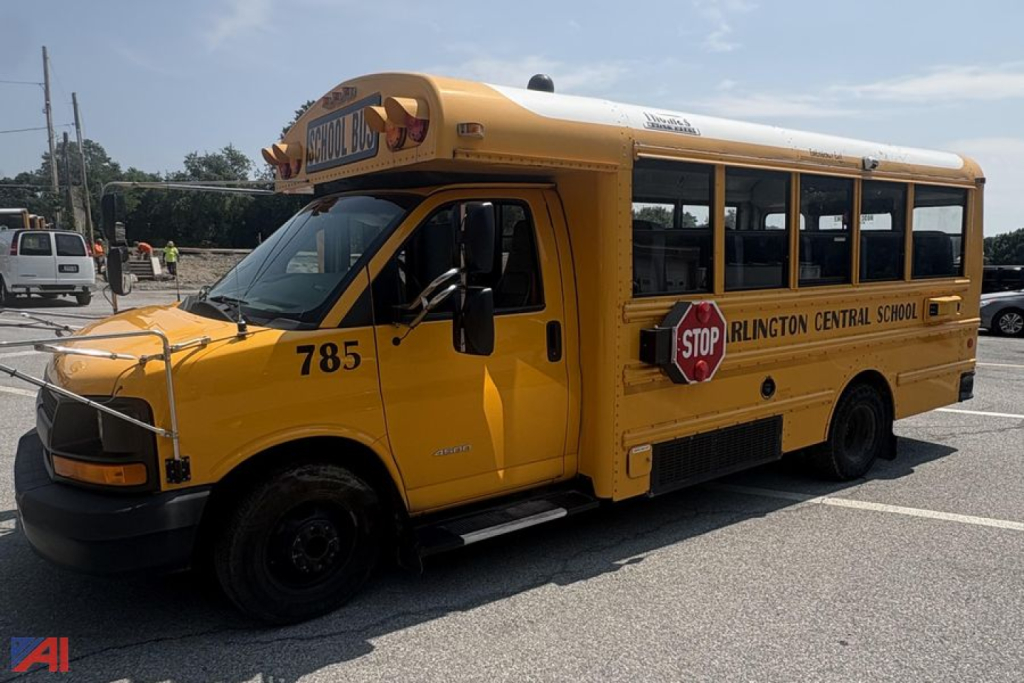
2018 International 3000 School Bus
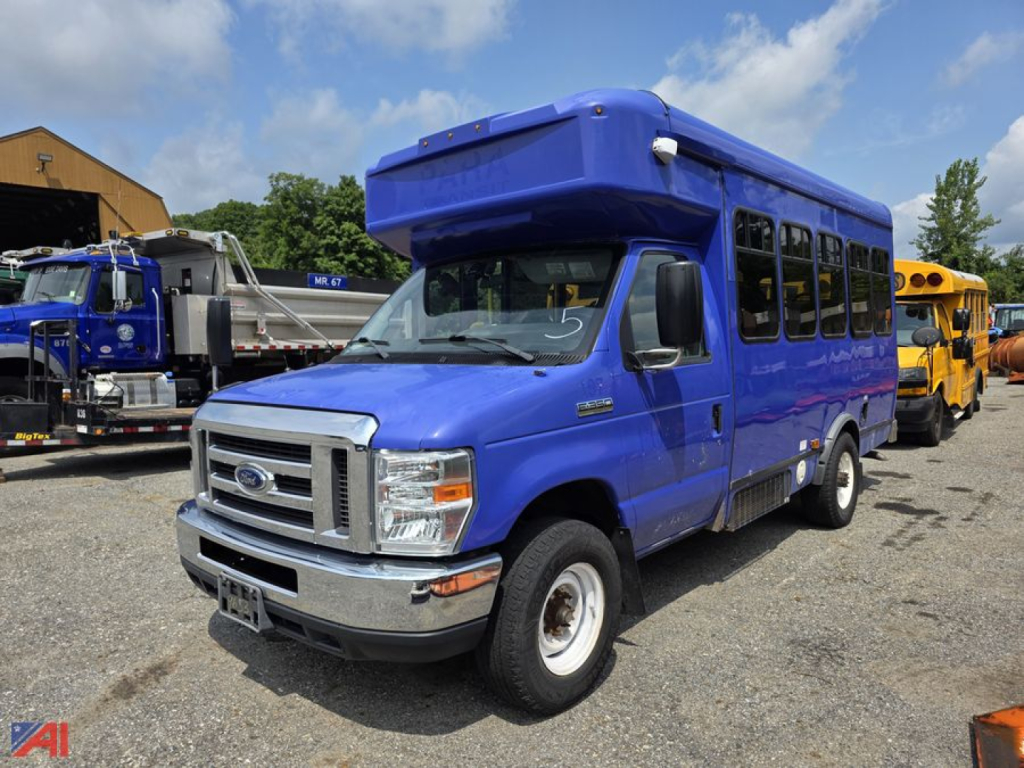
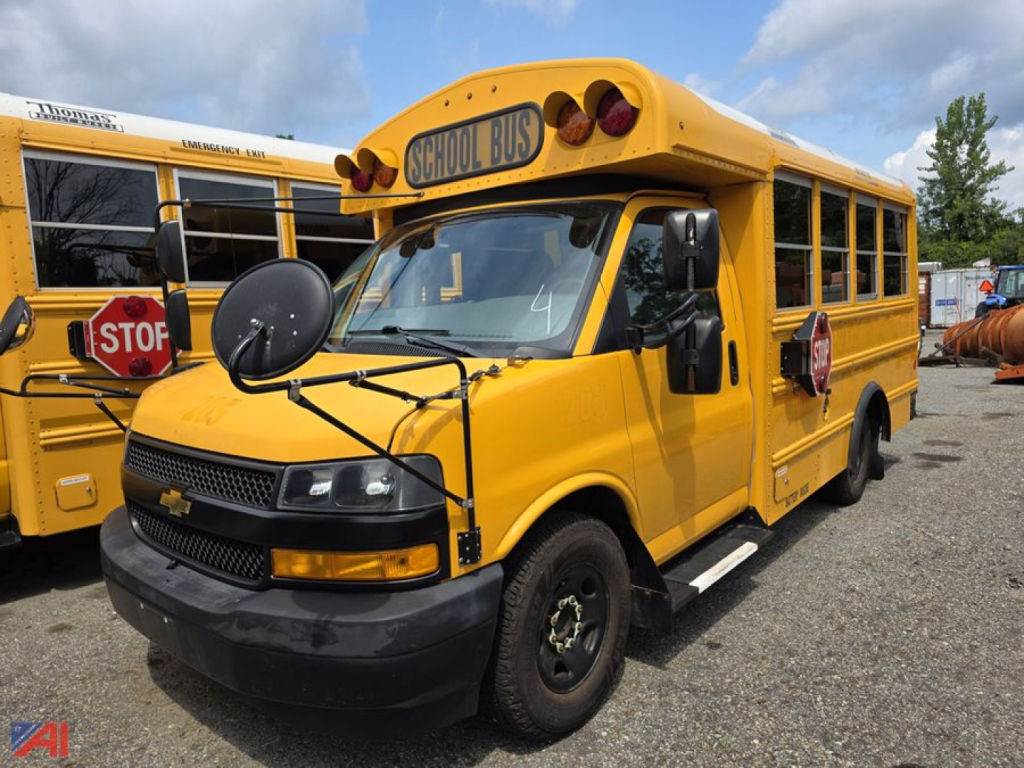
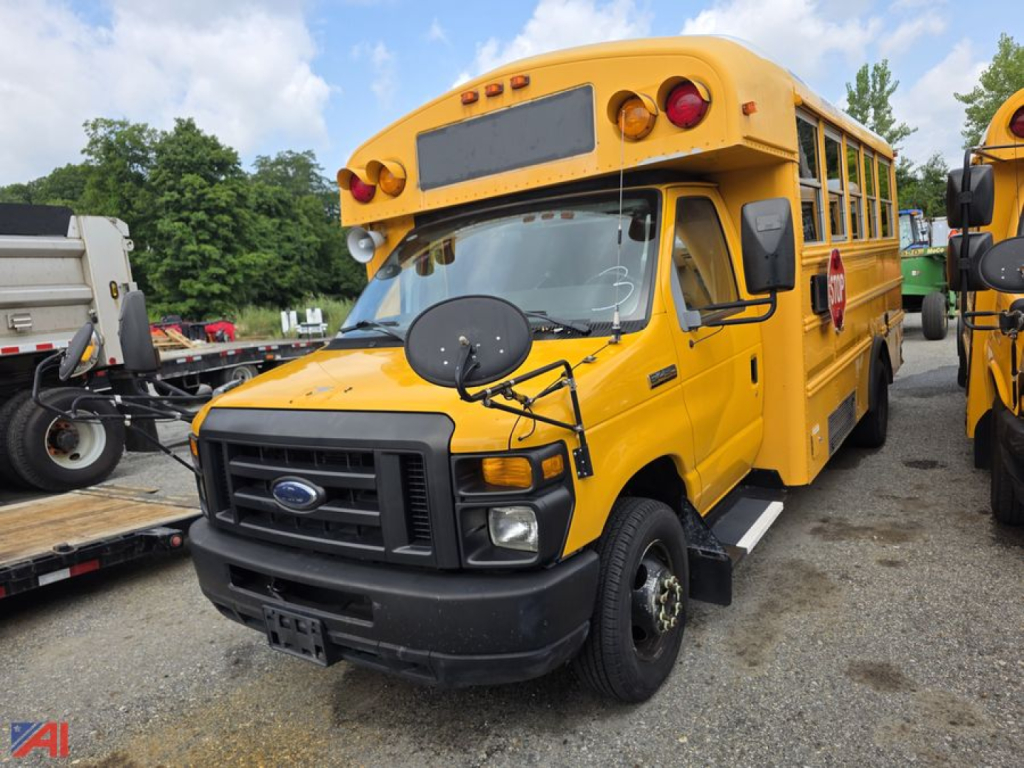
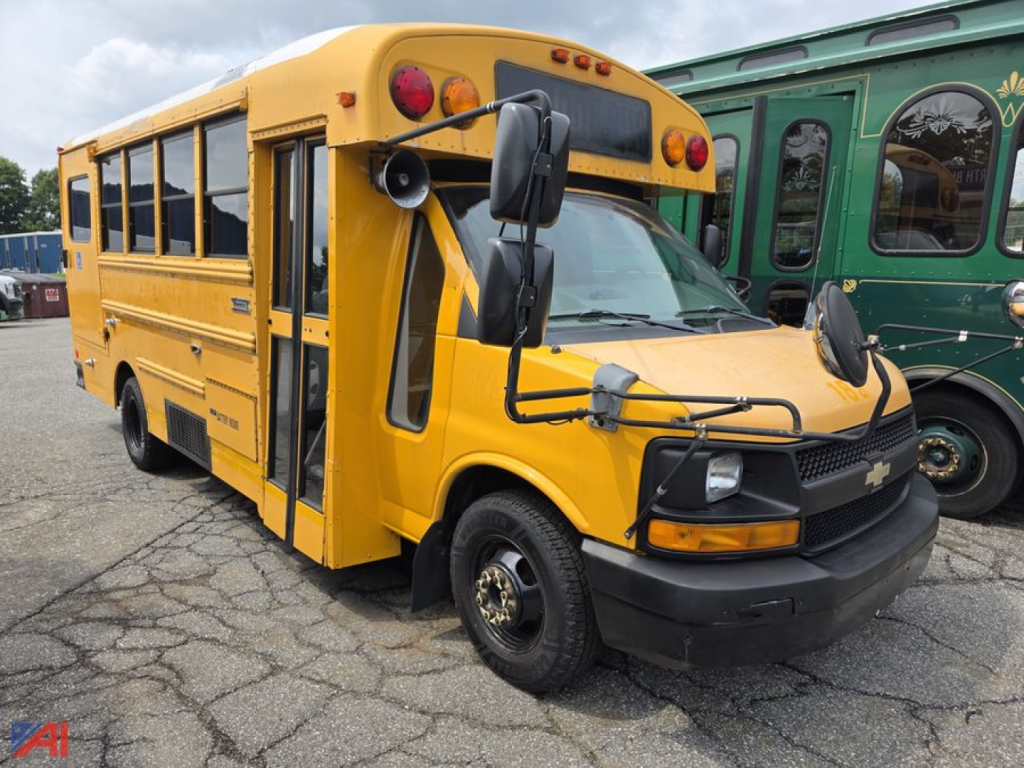
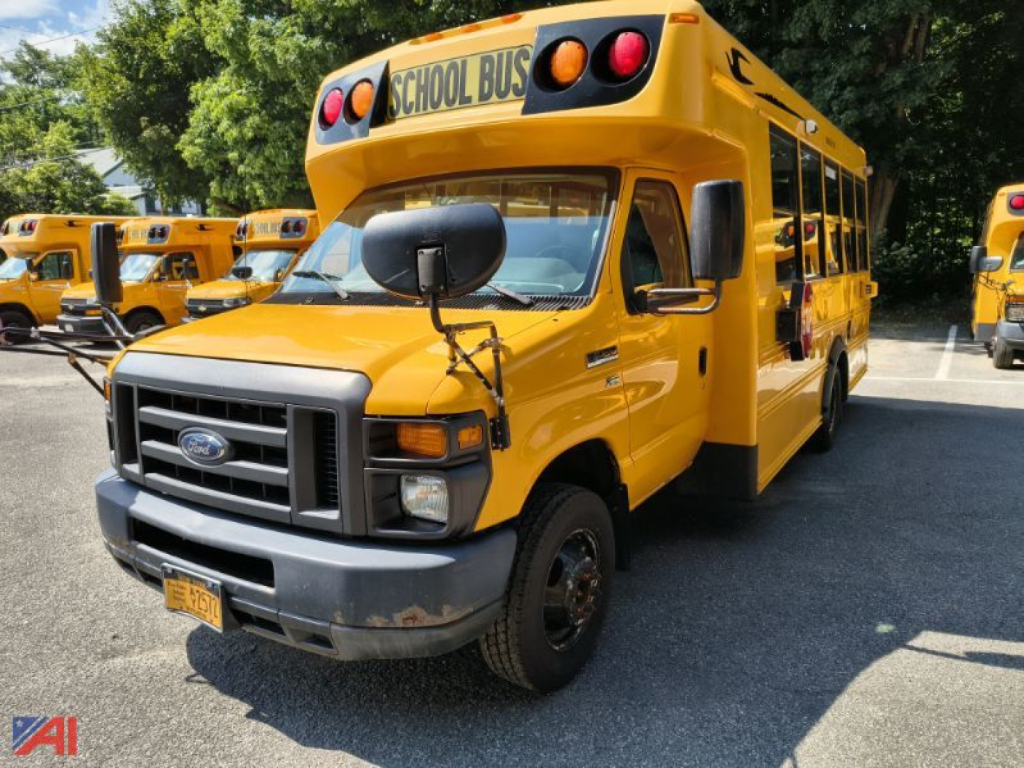
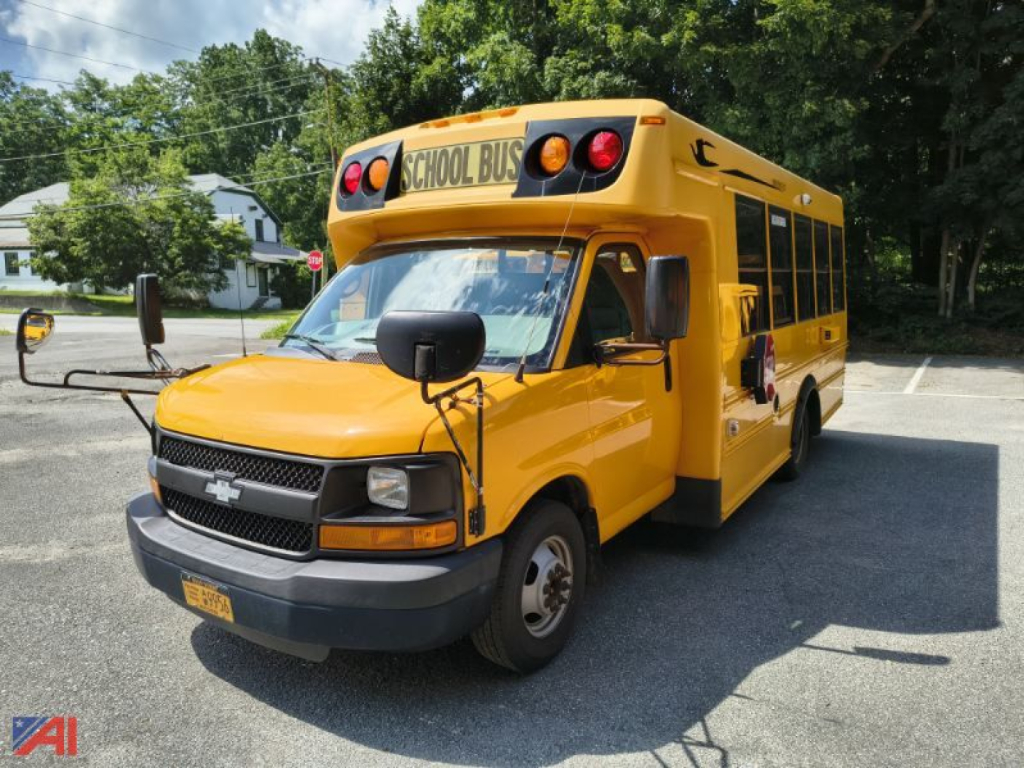
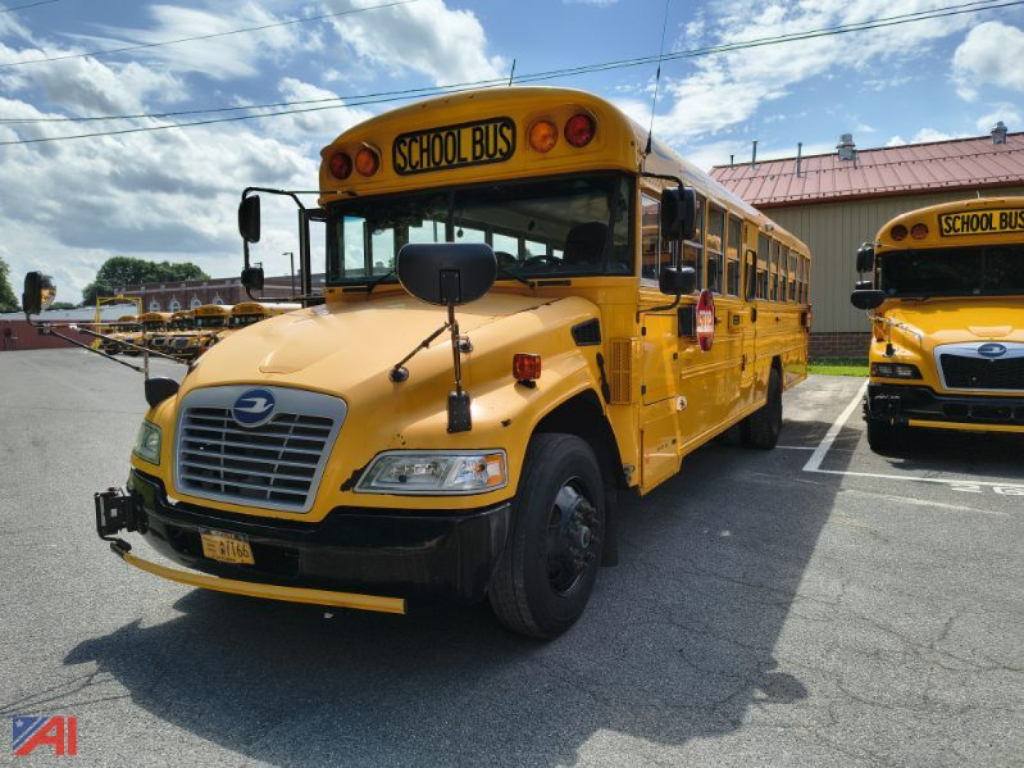
Showing 1 to 12 of 84 results
Have used gmc bus truck to sell? List it here to reach thousands of buyers.
Used GMC Bus Trucks
The first decision is usually body style and passenger configuration. Buyers should confirm seating count, wheelchair positions, lift or ramp type, door layout, interior headroom, and luggage or rear storage if the bus will be used for hotel shuttle, airport, medical transport, or community transit work. On used units, body-condition details are just as important as engine and transmission specs. Check for corrosion around step wells, side doors, roof seams, floor structure, wheelchair lift mounts, and underbody supports. Bus bodies often age differently than the chassis, so a solid powertrain does not automatically mean the passenger compartment is fleet-ready.
On the chassis side, GMC bus trucks commonly use diesel power in medium-duty GVWR ranges, often paired with automatic transmissions and hydraulic or air brake setups depending on the build. Review axle ratings, wheelbase, suspension type, tire size, and overall length to make sure the bus fits the route and facility. A tighter wheelbase can help in urban pickups and medical campus work, while a longer body may provide the seating capacity needed for contract shuttle service. Buyers should also verify entrance height, HVAC performance, generator or auxiliary electrical systems if equipped, and the condition of multiplex wiring, warning systems, and ADA-related equipment. Electrical repairs and lift work can quickly change the economics of a used bus purchase.
A used GMC bus truck is often a practical fit for operators who need passenger capacity on a truck-based platform rather than a full-size transit bus. That can include municipalities, private shuttle operators, churches, schools with special-use routes, assisted living facilities, and non-emergency transportation providers. The best units are the ones with documented maintenance, working climate control, clean interior panels, dry floors, and a body manufacturer with accessible replacement parts. For many buyers, the value of this category is not just acquisition cost. It is the combination of passenger utility, commercial chassis durability, and manageable service requirements over the life of the vehicle.
Frequently Asked Questions about Used GMC Bus Trucks
What should I inspect first on a used GMC bus truck?
Start with the body and passenger systems before assuming the chassis tells the whole story. Inspect step wells, floor structure, roof seams, side entry doors, wheelchair lift mounts, and signs of water intrusion or corrosion. Then review engine hours if available, transmission operation, brake condition, suspension wear, HVAC output, and the function of all interior electrical equipment. A bus with a strong powertrain can still become expensive if the body, lift, or climate-control system needs major work.
Are GMC bus trucks good for shuttle and paratransit service?
Yes, many GMC bus trucks are well suited for shuttle, assisted-living, airport, hotel, church, and ADA transportation roles because they are often built on medium-duty commercial chassis. That layout can simplify maintenance for fleets that already service truck-based equipment. The key is matching the body configuration to the job, including seating, wheelchair capacity, door placement, turning radius, and storage.
What chassis specs matter most when buying a used GMC bus?
GVWR, axle ratings, wheelbase, brake type, suspension setup, tire size, and overall body length are the main chassis-level specifications to confirm. These determine passenger capacity, route suitability, ride quality, and serviceability. Buyers should also verify engine model, transmission model, final-drive ratio if available, and whether the bus can meet local road, bridge, and facility access requirements.
Is a GMC TopKick bus different from a conventional bus?
A GMC TopKick bus is generally a bus body mounted on a medium-duty truck chassis rather than a purpose-built rear-engine or full-size transit platform. That usually means a more truck-like driving position, commercial service parts availability, and a familiar maintenance approach for medium-duty fleets. It also means the buyer should evaluate both halves of the vehicle separately, because the chassis and body often have different wear patterns and repair histories.