
Bluebird Bus Trucks For Sale
Shop Bluebird buses for sale, including school and transit-style models with diesel power, air brakes, automatic transmissions, and high GVWRs.
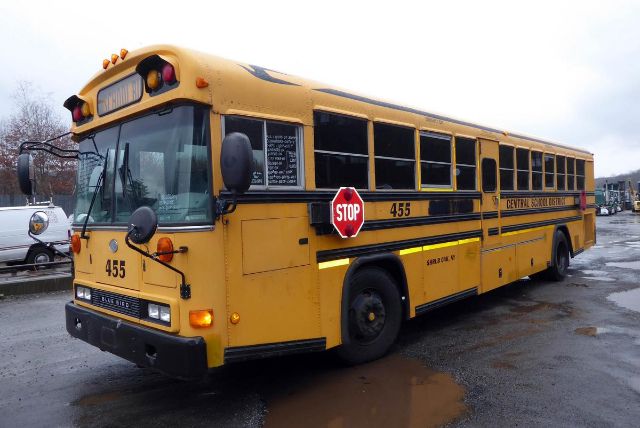
Looking for the easiest place to sell your bluebird bus truck? List it here to reach thousands of buyers.
Bluebird Bus Trucks
For buyers, the important decisions are usually seating capacity, wheelbase, overall length, and intended use after purchase. Many Bluebird buses were built as school buses, but they also serve well in church transport, shuttle service, work crew hauling, mobile training units, and approved bus conversion projects where local regulations allow. Full-size units commonly run in the 35 to 40 foot range, while passenger capacity can vary significantly based on seat layout and whether the bus is configured for children or adults. Suspension, axle ratings, tire size, and turning radius matter if the bus will operate on rural routes, tight lots, or mixed pavement conditions.
Mechanical spec differences can have a major effect on operating cost. Buyers should look closely at engine model, horsepower, transmission series, rear axle ratio, and brake type, especially on older diesel Bluebird buses. A bus geared for low-speed route work may not be ideal for highway shuttle use, and some units were spec'd primarily for local school service rather than sustained higher-speed operation. Check for corrosion around step wells, floor structure, body mounts, window frames, and underbody crossmembers. On rear-engine and transit-style buses, cooling system access and rear compartment condition deserve extra attention. Electrical condition is also important because warning systems, wheelchair equipment, heaters, and lighting circuits can add diagnostic time on older buses.
Bluebird remains a recognized name in the bus market because these units were designed for repeated daily loading cycles, predictable maintenance intervals, and long service life. A well-matched Bluebird bus can be a practical purchase for fleet operators, institutions, municipalities, and private buyers who need passenger capacity on a durable commercial platform. Comparing mileage, idle hours if available, drivetrain parts support, brake system type, and body condition will usually tell more than model year alone. On used bus listings, the best value is often found in a unit with a strong maintenance history, clean structural condition, and specifications that fit the route instead of simply the lowest price.
Frequently Asked Questions about Bluebird Bus Trucks
What should I look for when buying a used Bluebird bus?
Start with the intended application, then match the bus size, seating capacity, engine, and brake system to that job. Review GVWR, axle ratings, wheelbase, and overall length to make sure the bus fits route and parking constraints. On the mechanical side, pay attention to engine make and model, Allison transmission series, rear axle ratio, cooling system condition, and service records. On the body side, inspect rust-prone areas such as the floor, step well, body mounts, lower panels, and understructure, because structural repairs can outweigh the value of an older bus.
Are Bluebird buses good for conversion or specialty use?
Many Bluebird buses are used for conversions, mobile classrooms, church buses, and crew transport because they offer a durable body and a heavy-duty commercial chassis. Transit-style and full-size school bus models provide substantial interior space, but buyers need to confirm local titling, registration, seat removal, emergency exit, and CDL requirements before purchase. Weight distribution, roof height, electrical system layout, and underbody condition are also important if the bus will be repurposed. A solid shell with good drivetrain support is usually more important than cosmetic condition alone.
What engines and transmissions are common in Bluebird buses?
Used Bluebird buses are commonly equipped with diesel engines from Caterpillar or Cummins, often paired with Allison automatic transmissions. The exact combination depends on year, model, and original fleet specification. Some buses were built for low-speed urban or school routes, so horsepower, torque curve, and axle ratio should be reviewed together rather than judging the engine by badge alone. A well-supported drivetrain with available parts and known service history is usually the safest choice for long-term ownership.
How important is brake type on a Bluebird bus?
Brake type matters because it affects maintenance, stopping feel, driver familiarity, and regulatory fit for the intended operation. Larger Bluebird buses often use air brakes, while some smaller or differently spec'd units may use hydraulic brakes. Air brakes are common in higher-GVWR applications and are familiar to many commercial operators, but they bring their own inspection and maintenance requirements. The right choice depends on fleet capability, driver qualifications, and whether the bus will run local routes, private property, or public roads.
Do mileage and age tell the whole story on a used bus?
No. Mileage is useful, but a bus's maintenance history, route type, idle time, corrosion level, and overall spec are often more important. A school-route bus may have relatively low miles but very high stop-start cycles, while another unit may show more highway miles but less severe duty. Electrical condition, cooling system health, suspension wear, and structural integrity can have a bigger impact on ownership cost than odometer reading alone. The best evaluation combines mileage with service documentation and a careful mechanical and body inspection.