
2022 Bus Trucks For Sale
Shop 2022 bus trucks for sale, including school, shuttle, and wheelchair-accessible models with modern safety systems and diesel or gas power.
Learn more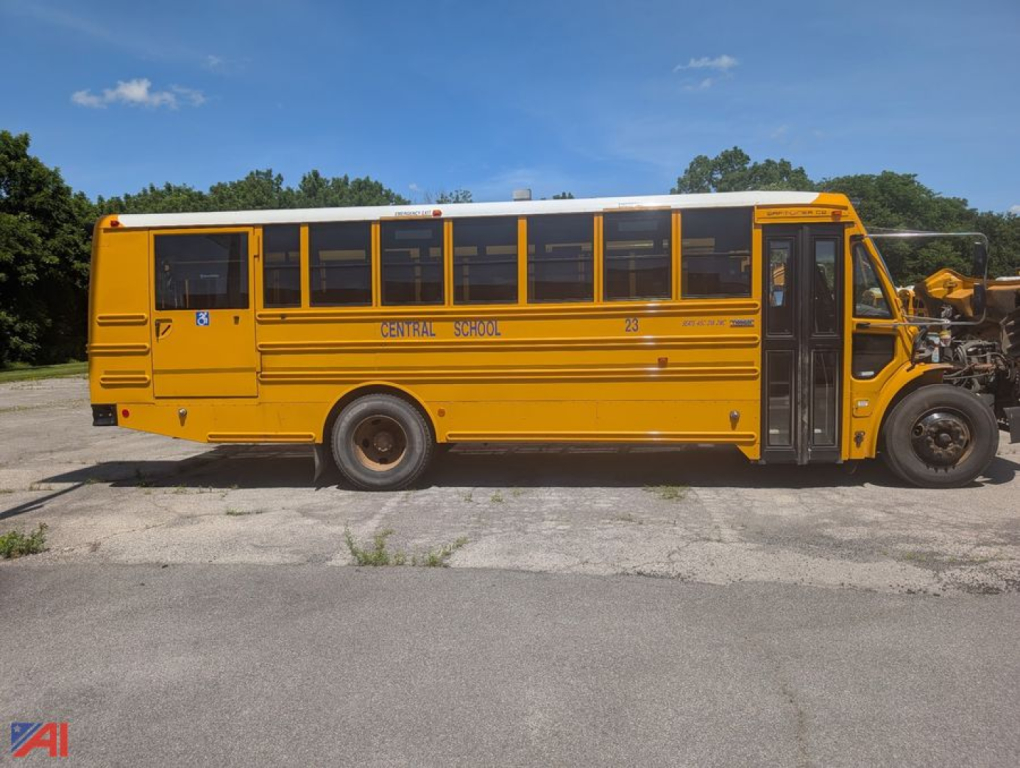
Have 2022 bus truck to sell? List it here to reach thousands of buyers.
About 2022 Bus Trucks
Frequently Asked Questions
What types of 2022 bus trucks are most common on the used market?
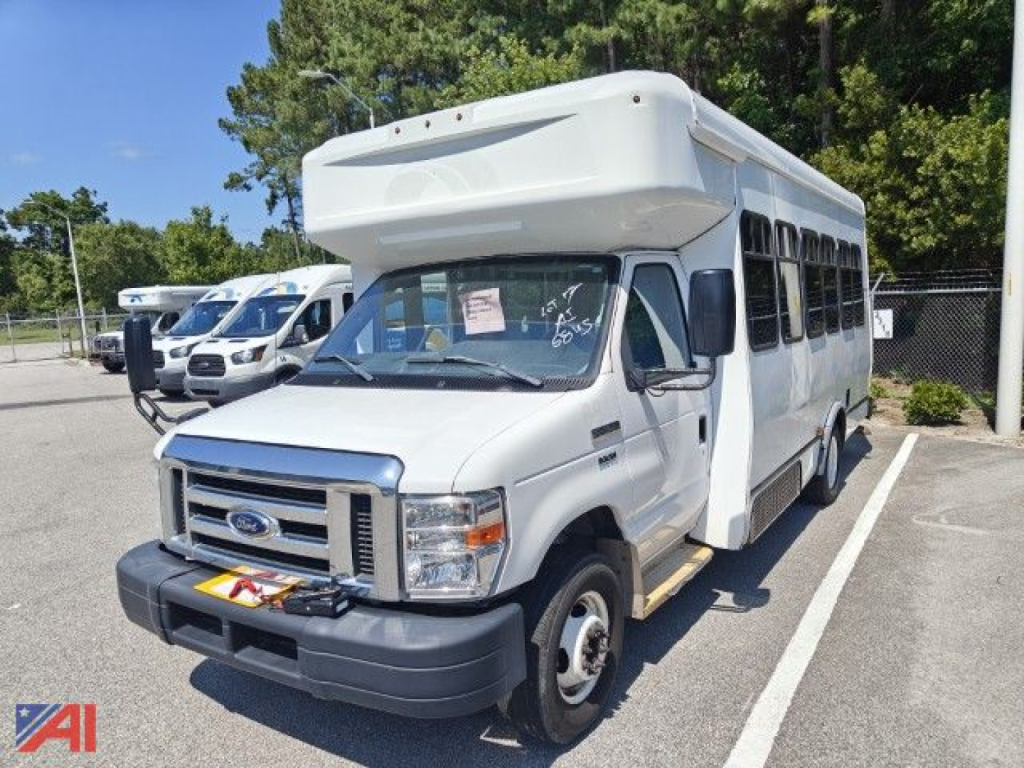
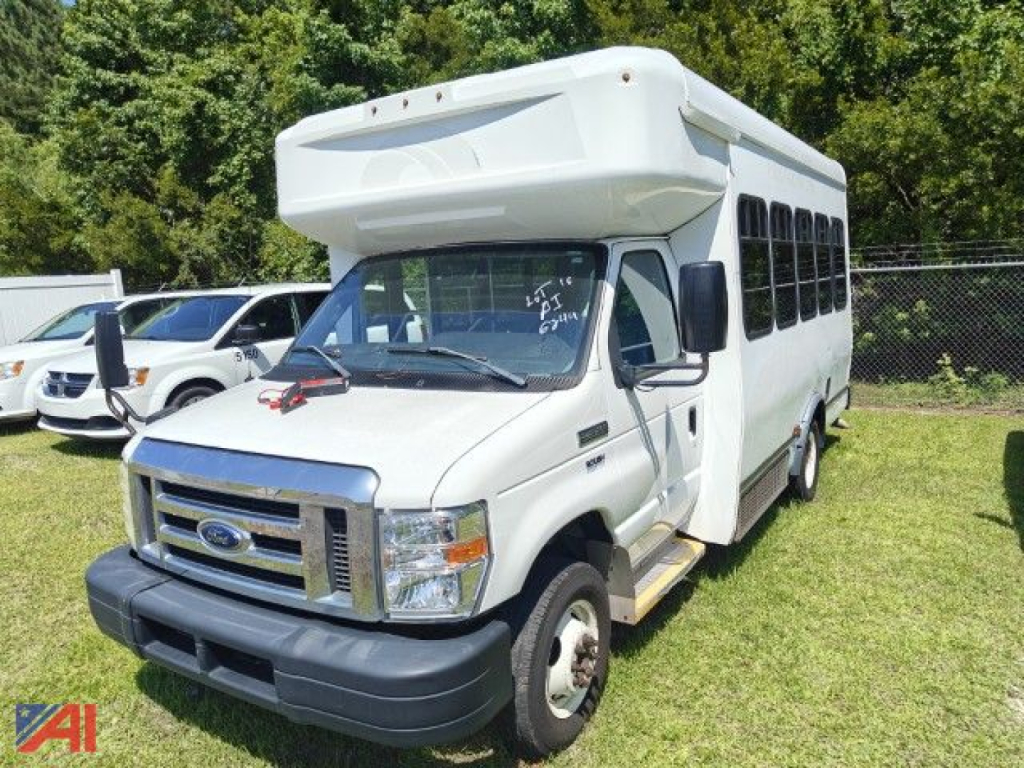
The most common 2022 bus trucks are full-size school buses, cutaway shuttle buses, and ADA-compliant wheelchair buses. Full-size units usually offer the highest passenger capacity and are built on medium-duty chassis with air or hydraulic brakes. Cutaway buses are typically based on van-style chassis such as Ford E-Series or Chevrolet Express platforms and are popular for senior transport, hotel shuttle, church, airport, and non-emergency passenger service. Wheelchair models add a lift or ramp system, securement stations, and floor plans that reduce total seated capacity in exchange for accessibility.
What should I check first when comparing a 2022 bus truck?
Start with seating layout, GVWR, wheelbase, powertrain, and door configuration. A buyer should confirm adult seating versus school-age passenger capacity, then review engine and transmission pairing for the intended route. For cutaway models, check rear axle rating, lift capacity, and interior headroom. For full-size buses, pay close attention to brake type, suspension, luggage or underbody storage if applicable, and whether the bus uses diesel exhaust fluid and active regeneration. Maintenance records matter because even a newer 2022 bus can accumulate heavy idle time and stop-start cycles that affect emissions components, brakes, tires, and lift systems.
Are 2022 bus trucks mainly diesel, or are gas models available too?
Both diesel and gas powertrains are common, depending on body style and application. Full-size school and route buses are often diesel-powered for torque, durability, and higher passenger loads. Cutaway shuttle buses may be equipped with gasoline V8 engines or diesel engines, depending on the chassis and upfit. Gas buses can make sense for lighter duty cycles and fleets that want simpler service support, while diesel remains attractive for heavier use, higher annual mileage, and applications where low-end pulling power matters.
What features are important on a wheelchair-accessible 2022 bus truck?
The priority items are lift or ramp condition, lift cycle history, securement track layout, Q'Straint or similar tie-down equipment, door opening dimensions, and usable interior space once wheelchair positions are occupied. Buyers should also verify HVAC output, especially in rear passenger areas, because accessible buses often run in passenger-sensitive service. A good spec also includes a backup camera, warning alarms, grab rails, non-slip flooring, and easy access to replacement parts for the lift manufacturer. If the bus will be used in commercial passenger service, confirm the equipment meets the operating and inspection standards required in the state where it will be registered.
How do I choose between a full-size bus and a cutaway bus from the 2022 model year?
Choose a full-size bus when you need higher capacity, a heavier-duty chassis, and better suitability for fixed routes or school service. Choose a cutaway when maneuverability, lower step-in height, easier urban operation, and mixed passenger needs are more important. A full-size bus generally handles repeated high-capacity loading better and may offer better long-term durability in fleet service. A cutaway is often easier to place into shuttle, medical transport, hospitality, or church use where route flexibility and accessibility matter more than maximum seating.