
2015 Bus Trucks For Sale
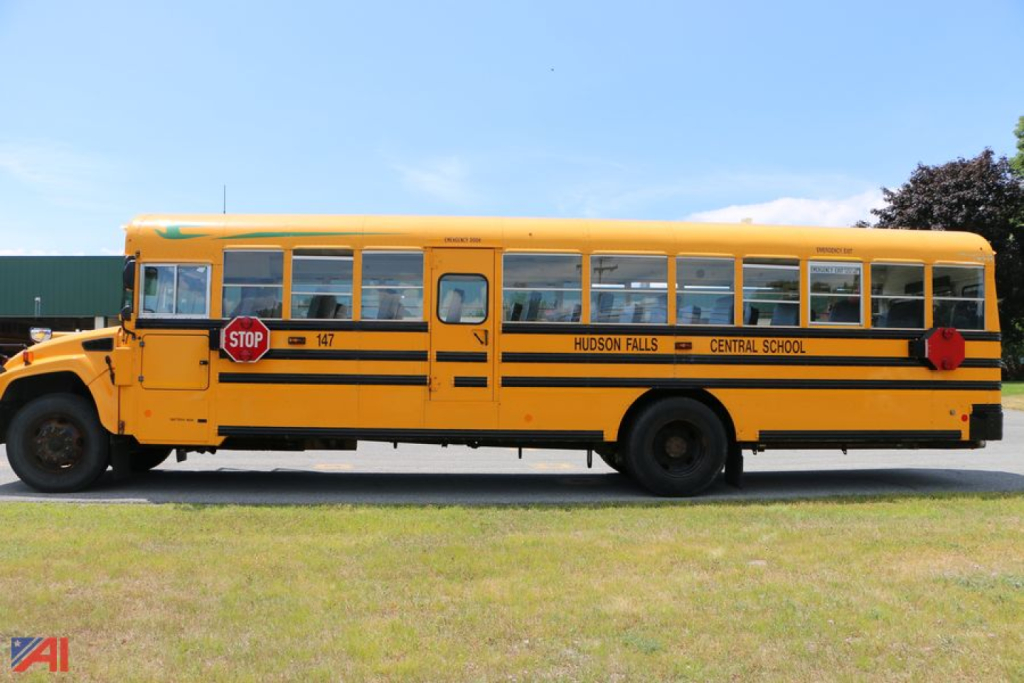
Have 2015 bus truck to sell? List it here to reach thousands of buyers.
2015 Bus Trucks
Start with capacity and duty cycle. A 2015 bus may be configured for small-group shuttle work, paratransit service, student transportation, church groups, employee transport, or special-event runs. Passenger count, wheelchair positions, aisle width, and lift or ramp design directly affect productivity and compliance. Buyers should verify whether the bus is equipped with ADA-accessible hardware, Q'Straint-style tie-downs, handrails, rear HVAC, dual A/C systems, and adequate heater performance for the climate it will operate in. If the bus will spend its life on short urban trips with frequent stops, transmission behavior, brake condition, idle hours, and door-cycle wear deserve close attention. If highway miles are the priority, interior noise, gearing, suspension condition, and cruise-speed comfort become more important.
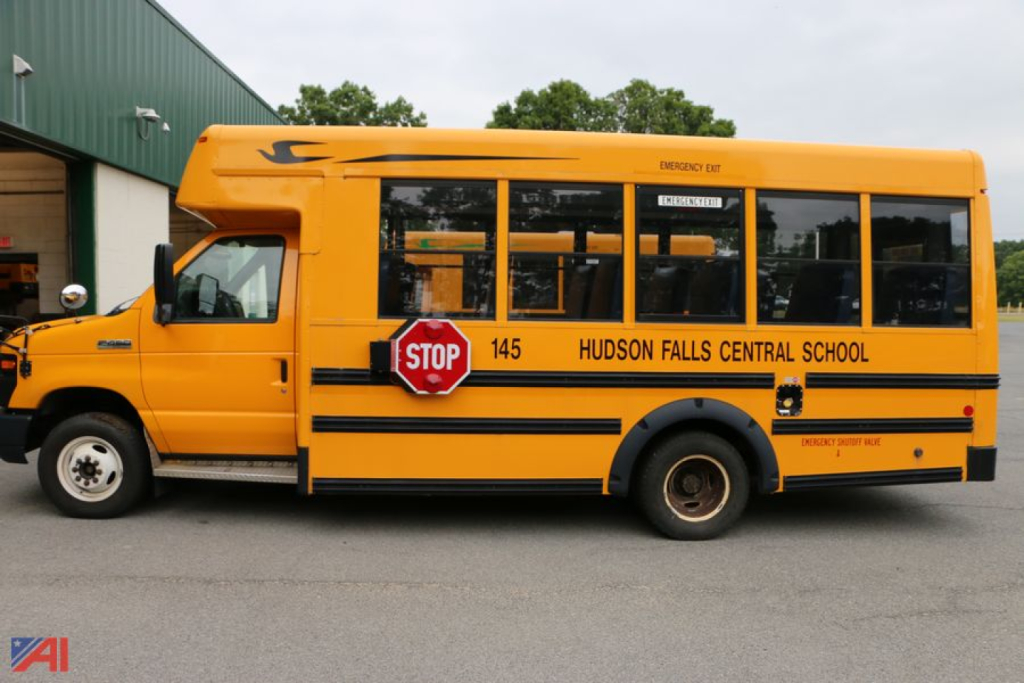
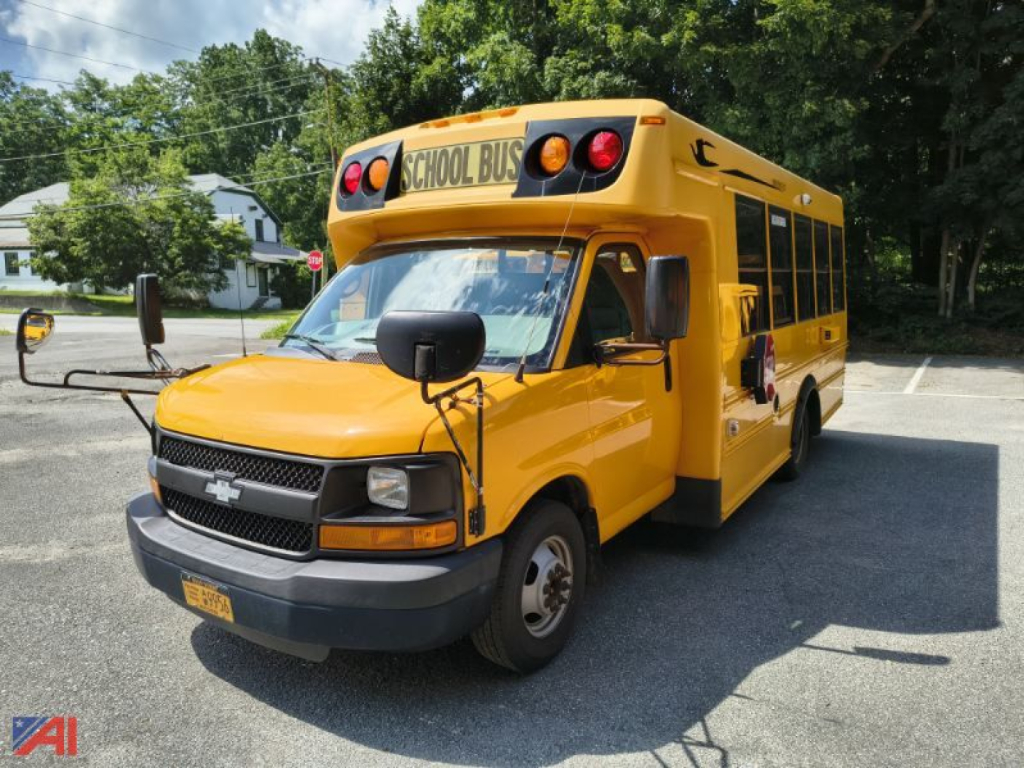
Powertrain choice in a 2015 bus truck often comes down to diesel versus gas, emissions complexity, and local service support. Diesel buses from this era may include aftertreatment systems with DPF and DEF-related components, so maintenance records are important. Gas-powered cutaway buses can be attractive for lighter routes and lower barrier-to-entry service costs, especially where technicians are more familiar with gasoline van-based chassis. Beyond the engine, look at axle rating, brake type, tire date codes, lift maintenance history, electrical accessories, and body integrity. Shuttle and wheelchair buses frequently carry heavy electrical loads from lifts, interlocks, auxiliary HVAC, passenger lighting, and entertainment systems, so charging system health and wiring quality matter more than many buyers expect.
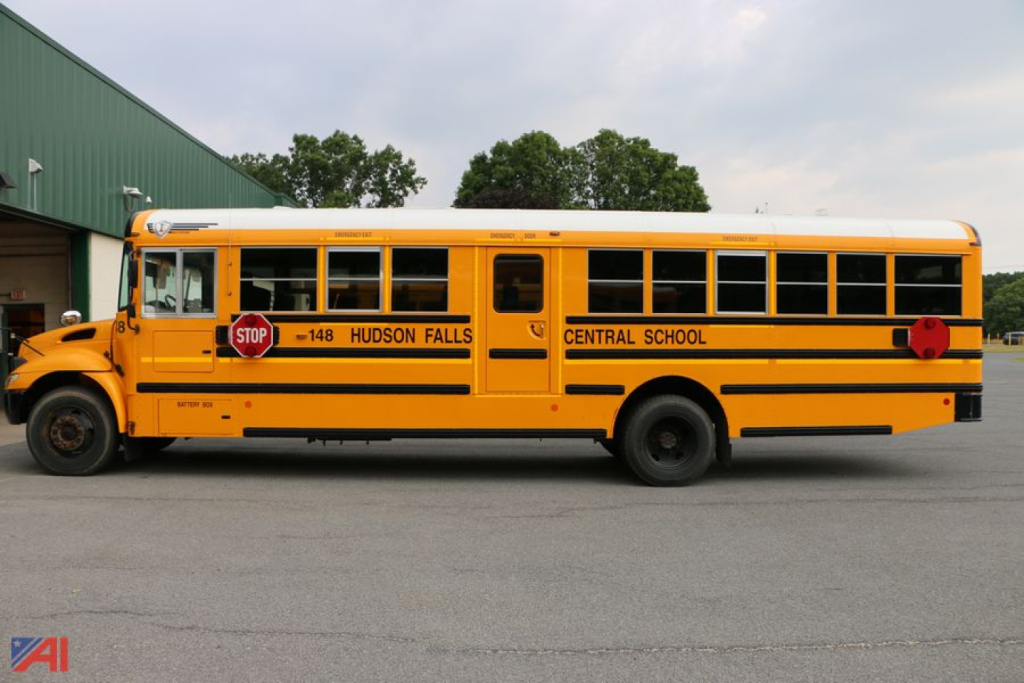
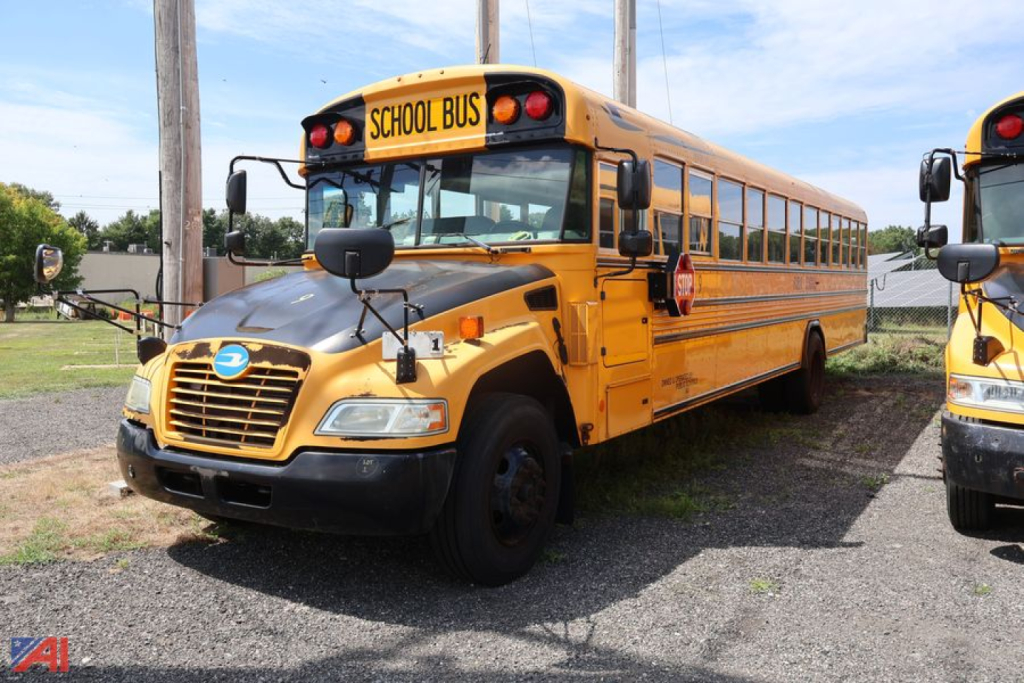
For many buyers, the best 2015 bus is the one with the cleanest service history and the right interior configuration, not simply the lowest miles. School buses should be checked for stop-sign and warning-light equipment status if they are being repurposed, while shuttle buses should be evaluated for seat mounting, flooring wear, luggage provisions, and corrosion around stepwells and door frames. A thorough inspection should include roof seams, underbody rust, suspension bushings, brake lines, wheelchair lift operation, and all passenger safety equipment. When matched correctly to route length, passenger load, and accessibility needs, a 2015 bus truck can still be a dependable people-mover with a wide range of vocational uses.
Frequently Asked Questions about 2015 Bus Trucks
What should I look for first when buying a 2015 bus truck?
Start with the bus body style and interior layout, because those determine how useful the unit will be in daily service. Passenger capacity, wheelchair positions, lift or ramp equipment, HVAC coverage, and door configuration usually matter more than cosmetic appearance. After that, review chassis type, engine and transmission combination, maintenance history, and signs of corrosion around the stepwell, floor, roof seams, and underbody.
Are 2015 bus trucks commonly diesel or gas?
Both are common, depending on the chassis and application. Cutaway shuttle and wheelchair buses often appear with gasoline engines on Ford or Chevrolet platforms, while larger school and transit-style buses are more often diesel. Diesel can be a strong choice for heavier use and longer service life, but buyers should understand 2015-era emissions systems, including DPF and related aftertreatment maintenance requirements.
Is a 2015 bus old enough to have major accessibility equipment wear?
Yes, especially on units used in paratransit, senior transport, or medical shuttle service. Wheelchair lifts, interlock systems, tie-down tracks, retractors, and kneeling features can show meaningful wear by this age. Buyers should test lift operation under load if possible, confirm manual override function, and inspect maintenance records for hydraulic, electrical, and safety interlock repairs.
What is the difference between a shuttle bus and a school bus in this year range?
A 2015 shuttle bus is typically built for mixed passenger service with softer seating, side entry access, and options like rear air conditioning, luggage space, or wheelchair equipment. A 2015 school bus is generally built for student transportation with regulated warning equipment, school-bus seating layouts, and body construction designed around that specific duty cycle. The chassis, visibility, braking setup, and body serviceability can differ significantly between the two.
Do miles matter more than hours on a 2015 bus truck?
Not always. Many buses spend long periods idling for passenger loading, climate control, or route staging, so engine hours can be just as important as odometer miles. A lower-mile bus with high idle time may have more wear in the engine, HVAC system, alternator, and door or lift components than the odometer suggests. The best evaluation combines miles, hours, service documentation, and a full inspection of passenger and chassis systems.