
2005 Bus Trucks For Sale in Texas
Browse 2005 bus trucks for sale in Texas. Compare school bus specs, diesel powertrains, seating layouts, and condition factors that matter.
Learn more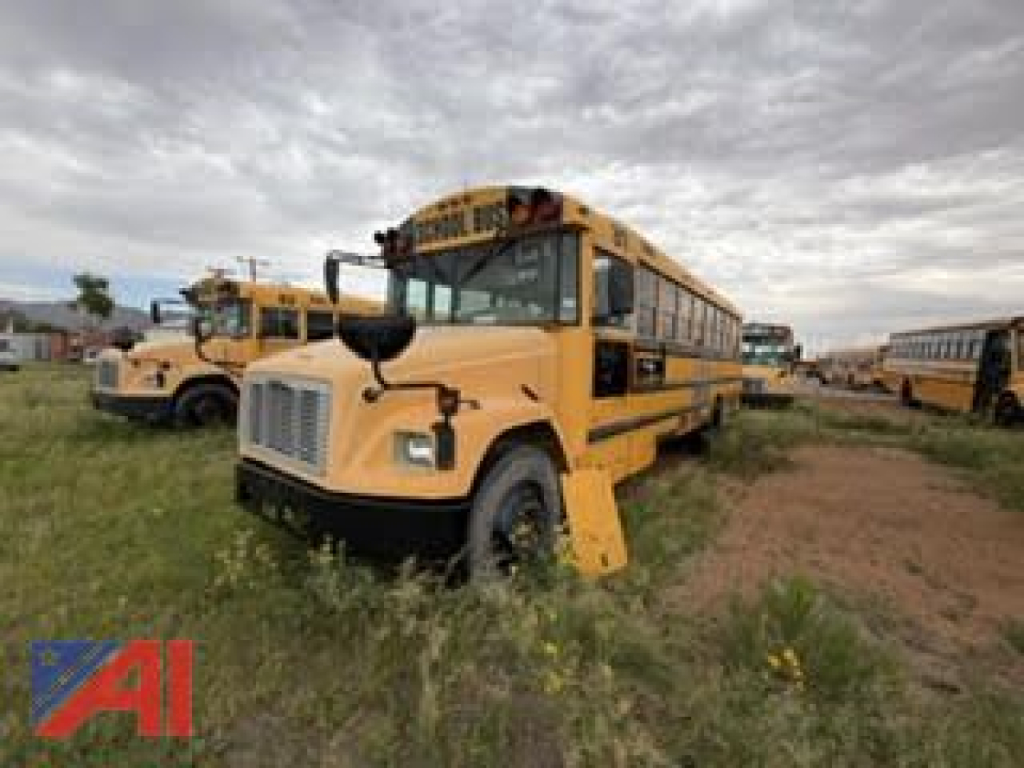
Have 2005 bus truck to sell? List it here to reach thousands of buyers.
About 2005 Bus Trucks in Texas
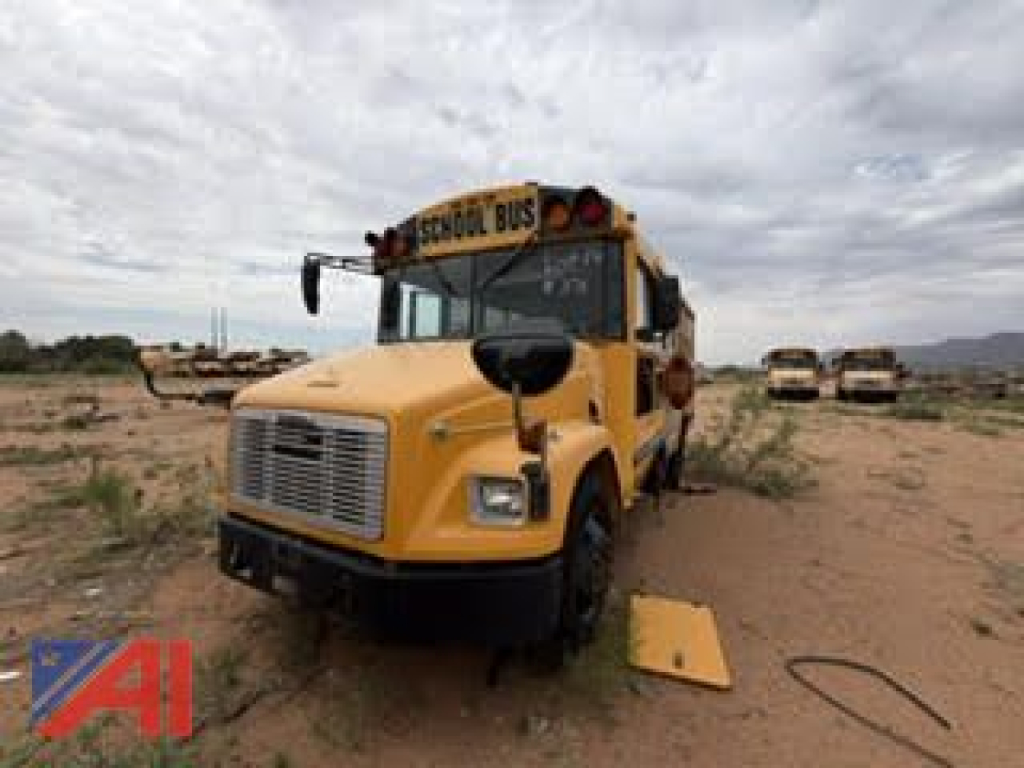
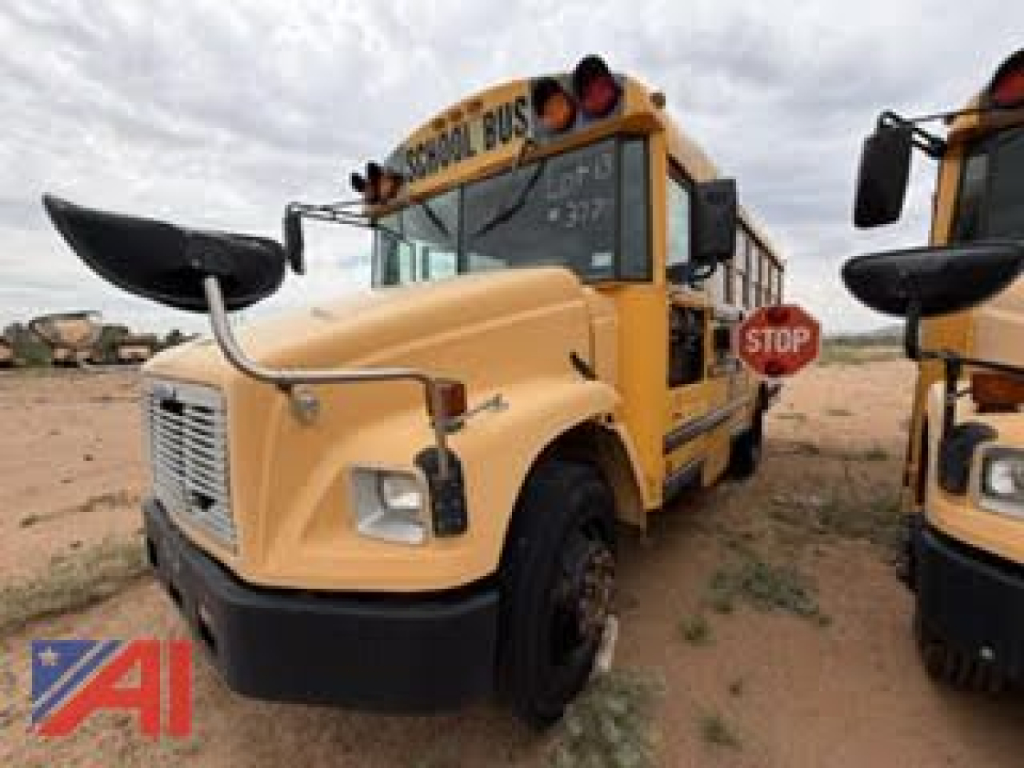
The first decision is usually body style and capacity. Most 2005 bus listings in this segment are full-size school buses with a front engine, hood-forward layout rather than a transit-style flat nose. That conventional design gives easier engine access and tends to simplify routine maintenance. Buyers should confirm passenger capacity, wheelbase, overall length, underbody rust, roof and floor integrity, emergency exit function, and the condition of seats, windows, heaters, and warning light systems. If the bus is being repurposed, check state and local requirements for removing stop arms, school bus flashers, and district markings before private use.
Powertrain details matter more than age alone. A 2005 bus may carry diesel engines from Caterpillar, Mercedes-Benz, Cummins, or International depending on make and chassis, paired with automatic transmissions such as an Allison. Review engine hours if available, not just odometer mileage, because route buses spend significant time idling. Cooling system condition, injector performance, turbo response, brake type, suspension wear, and rear axle ratio all affect real operating cost. In Texas heat, buyers should pay close attention to radiator condition, fan operation, air conditioning performance if equipped, and evidence of overheating or repeated cooling system repairs.
A smart comparison between 2005 buses comes down to service history and intended use. A well-maintained school bus with complete fleet records can be a better value than a newer unit with gaps in maintenance. Look for documented brake work, tire age, transmission service, steering component replacement, and any recent work on kingpins, leaf springs, or air brake components if equipped. For buyers planning commercial passenger service, confirm title status, CDL implications, seating compliance, and any state inspection requirements before purchase. The best 2005 bus trucks are the ones with a clean operational story, predictable parts support, and specs that match the route, passenger count, and budget.
Frequently Asked Questions
What should I look for first when buying a 2005 bus truck?
Start with service records, chassis condition, and intended use. On a 2005 bus, maintenance history often tells you more than mileage alone. Check for engine and transmission service, brake work, cooling system repairs, tire age, steering wear, and signs of body corrosion. Also verify whether the bus will remain in school service, be used for private passenger transport, or be converted, because that affects equipment needs and legal requirements.
Are 2005 school buses in Texas still practical for commercial or private use?
They can be, if the bus has been maintained properly and fits the application. Many 2005 school buses were built on durable medium-duty truck chassis with proven diesel engines and widely supported automatic transmissions. In Texas, heat load and long idle time make cooling system condition especially important. Practical value depends on inspection results, parts support, legal compliance, and whether the bus can operate reliably without immediate major engine, transmission, or body repairs.
What engines and transmissions are common in a 2005 bus truck?
A 2005 bus in this class may be equipped with diesel engines from Freightliner-associated Mercedes-Benz applications, Caterpillar, Cummins, or International, depending on the chassis and body builder. Automatic Allison transmissions are common in school bus service because they handle stop-and-go duty well. Buyers should confirm the exact engine family, horsepower rating, emissions equipment, transmission model, and rear axle setup before comparing units.
Does mileage matter on a 2005 bus, or are engine hours more important?
Both matter, but engine hours can be especially important on retired route buses. School buses often accumulate substantial idle time during loading, unloading, and climate control operation, so a lower-mileage bus may still have significant engine wear. Compare odometer reading with engine hours when available, then review maintenance records for cooling system work, injector service, transmission service, and any history of overheating or hard-start issues.
Can a 2005 school bus be converted for private transport or specialty use?
Yes, many buyers use this model year for church transport, work crews, mobile offices, training units, or recreational conversions. Before repurposing, confirm state rules on removing school bus lighting, stop arms, and district identification. You should also inspect the floor, roof bows, electrical system, HVAC setup, and seating layout to see how much modification work is required. A good conversion candidate starts with a solid body, a healthy drivetrain, and clear title and registration paperwork.