
2002 Bus Trucks For Sale
Shop 2002 bus trucks for sale, including school and shuttle bus platforms with diesel power, medium-duty chassis, seating, and accessibility options.
Learn more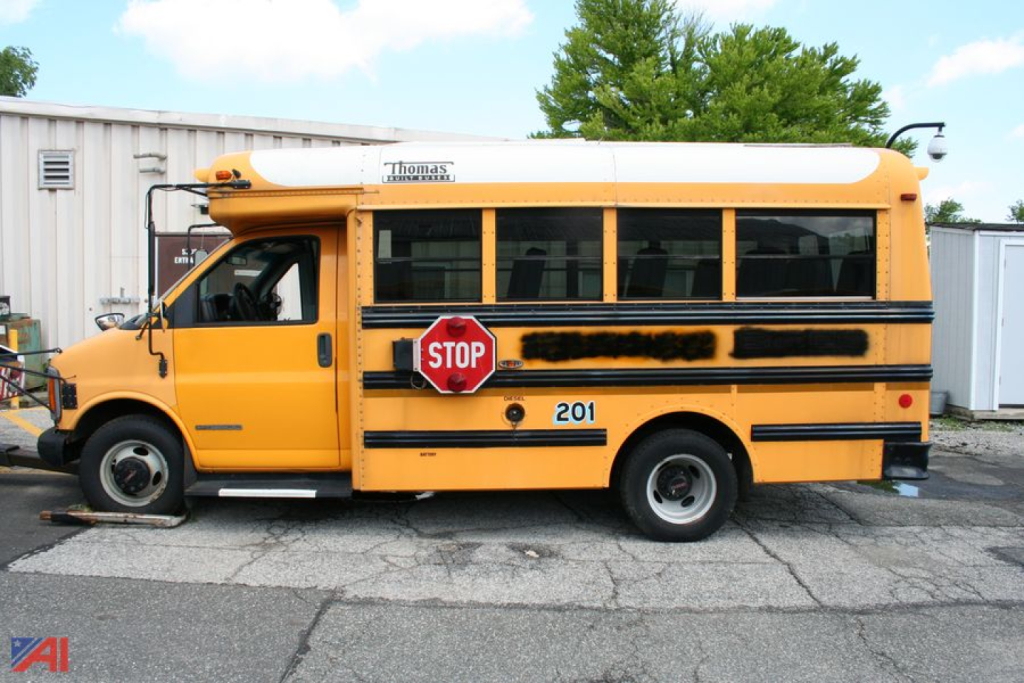
Have 2002 bus truck to sell? List it here to reach thousands of buyers.
About 2002 Bus Trucks
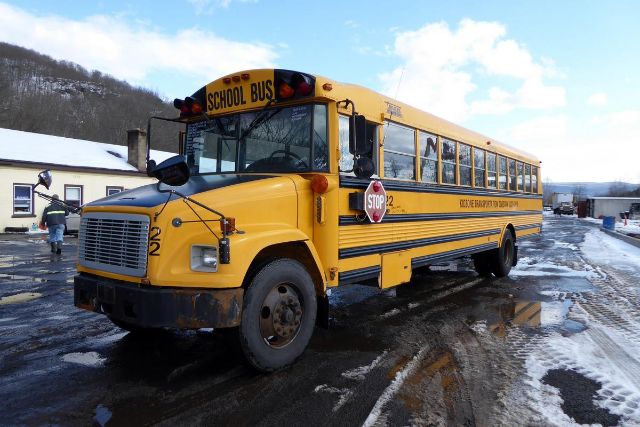
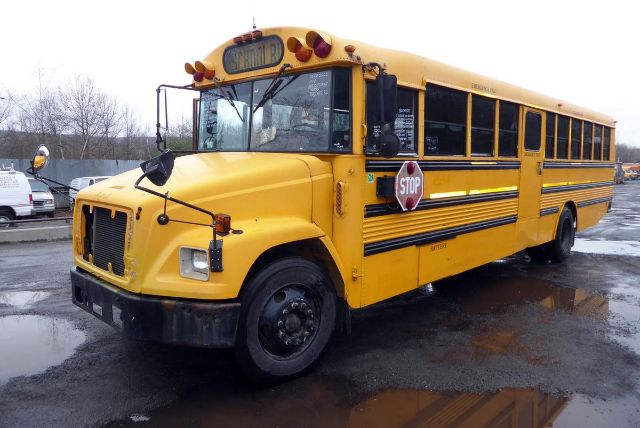
A key buying decision is capacity versus operating environment. Full-size 2002 bus trucks can seat roughly 40 to 72 passengers depending on body length and bench layout, and they usually carry GVWRs in the medium-duty range with heavier front and rear axle ratings, 22.5-inch wheels, and air or hydraulic brake systems depending on spec. Cutaway buses generally trade seating capacity for tighter turning radius, easier urban maneuverability, and lower entry height. If the bus will be used for private shuttle work, mobile conversion, municipal support, or non-school passenger hauling, pay close attention to door configuration, luggage or equipment storage, wheelchair lift presence, and the overall condition of the body structure.
On a 2002 model, condition and maintenance history are usually more important than brand loyalty. Buyers should inspect floor integrity, stepwell corrosion, underbody rust, roof seams, window seals, heater performance, and signs of water intrusion. On diesel-powered units, check cold-start behavior, injector or HEUI system performance where applicable, transmission operation, cooling system condition, and service records for brakes, suspension, and steering components. Many buses from this period were fleet-maintained, which can be a real advantage if records are complete. Tire age, seat rail condition, emergency exits, and electrical function should also be verified, especially on former school or transit service units that may have spent years in stop-and-go duty cycles.
A 2002 bus truck can still make sense for budget-focused buyers who need passenger capacity, a durable medium-duty platform, or a base for specialty conversion. Common uses include school route backup, church and camp transport, airport parking shuttles, work crew movement, mobile office builds, and RV or skoolie conversions. Buyers should also confirm state and federal requirements before purchase, especially if the bus will remain in passenger service. Registration class, CDL requirements, emissions compliance, wheelchair accessibility rules, and school bus equipment regulations can all affect how a used 2002 bus can be legally operated.
Frequently Asked Questions
What engines are commonly found in 2002 bus trucks?
Common engines in 2002 bus trucks include the International DT466E, Caterpillar 3126, Cummins 5.9, and gasoline or diesel engines in Ford E-Series and Chevrolet cutaway platforms. The exact engine depends on whether the bus is a full-size school bus or a smaller shuttle bus. Buyers generally favor engines with strong parts support and known service history, since age and maintenance matter more than original horsepower ratings alone.
What should I inspect first on a used 2002 bus?
Start with structural condition and maintenance records. Check the frame, floor, stepwell, wheel arches, underbody, and body mounts for rust or corrosion. Then inspect engine performance, transmission shifting, brake system type and condition, suspension wear, steering play, tire date codes, and all electrical accessories. On passenger units, verify that doors, windows, heaters, warning systems, and accessibility equipment work as intended.
Are 2002 bus trucks good candidates for shuttle service or conversion?
They can be, provided the chassis is sound and the body has not suffered major corrosion or water damage. Full-size buses work well for high-capacity transport, mobile offices, and skoolie conversions, while cutaway buses are often better suited for shuttle routes, senior transport, or wheelchair-accessible applications. Buyers should consider interior height, floorplan, powertrain condition, and local registration rules before choosing a platform for conversion or commercial use.
How many passengers can a 2002 bus truck carry?
Passenger capacity depends on body style and seating layout. Full-size school buses from this era commonly seat about 40 to 72 passengers, while cutaway shuttle buses often seat around 12 to 30. Wheelchair positions, luggage space, and aftermarket interior changes can reduce usable seating. The body plate and original manufacturer documentation are the best sources for confirmed capacity.
Do I need a CDL to operate a 2002 bus truck?
In many cases, yes, especially if the bus is used to transport passengers and is rated or configured above CDL thresholds. Requirements vary by state, GVWR, passenger count, and whether the bus is operated commercially, privately, or after conversion. Some retired buses used as private motorhomes may fall under different rules, but buyers should verify licensing, registration, insurance, and inspection requirements before putting the vehicle into service.