
Trucks For Sale Near Burgettstown, Pennsylvania
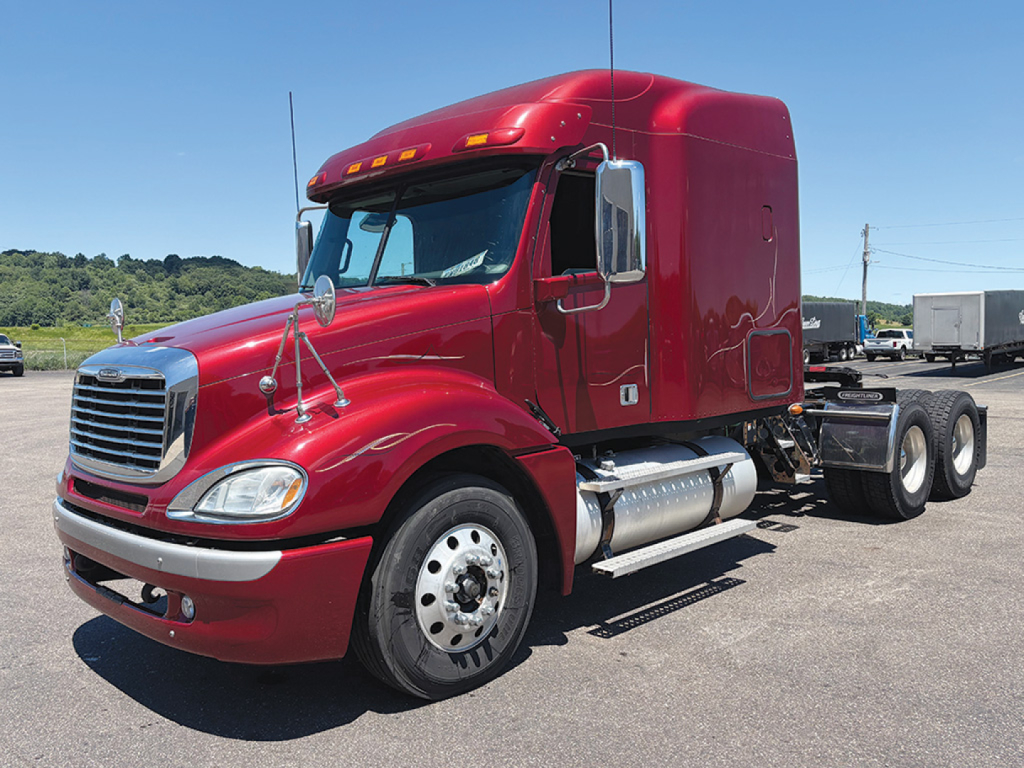
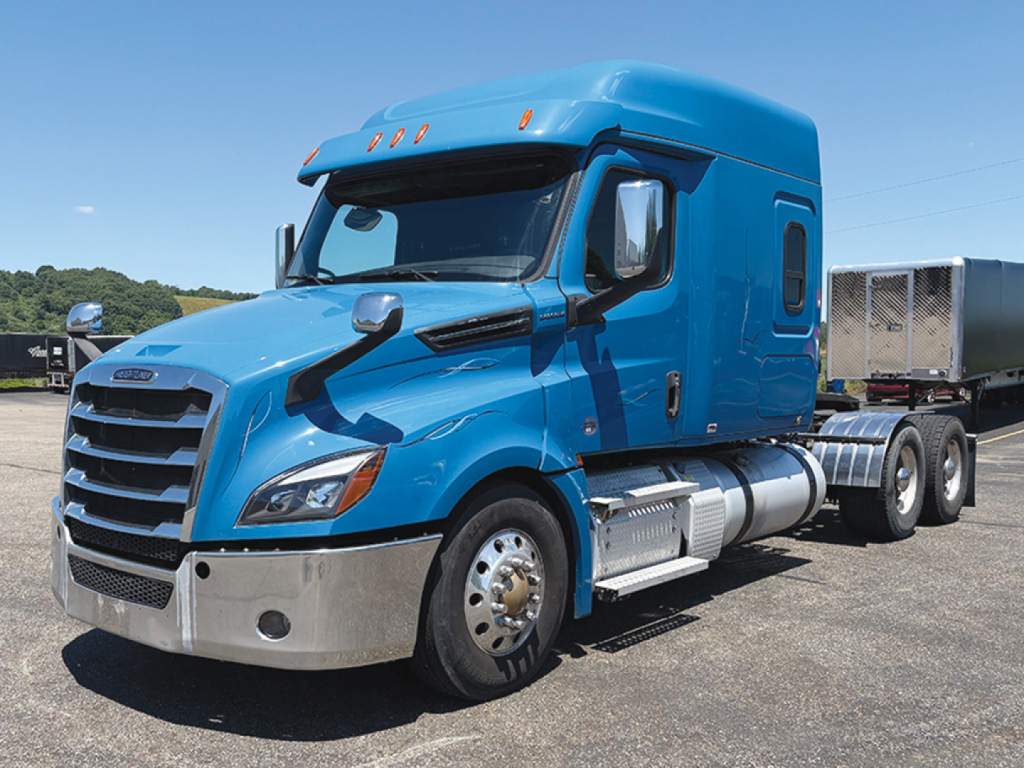
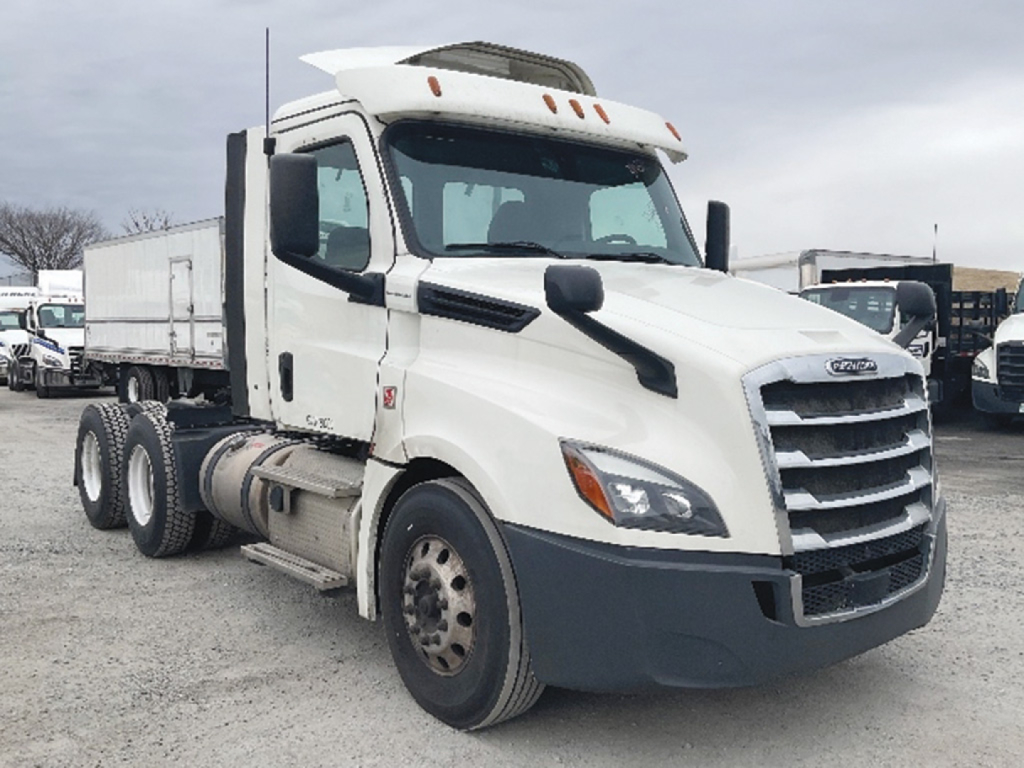
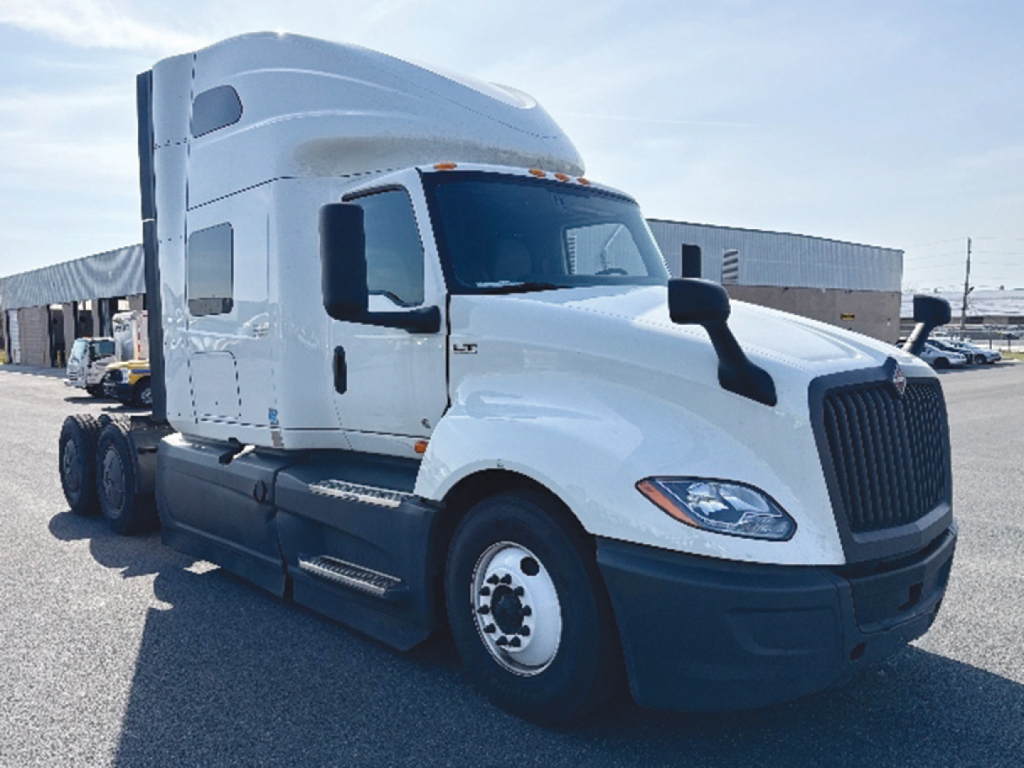
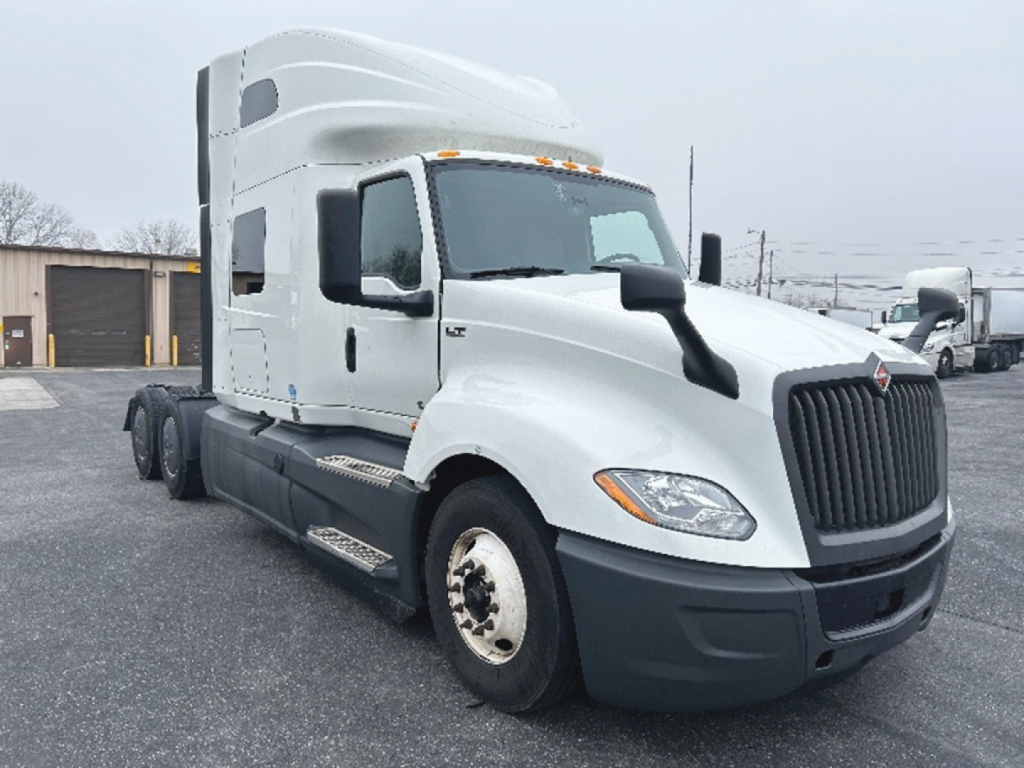
Browse trucks for sale in Burgettstown, PA including sleeper and day cab semis with diesel engines, automated manuals, air ride, and fleet specs.
Learn more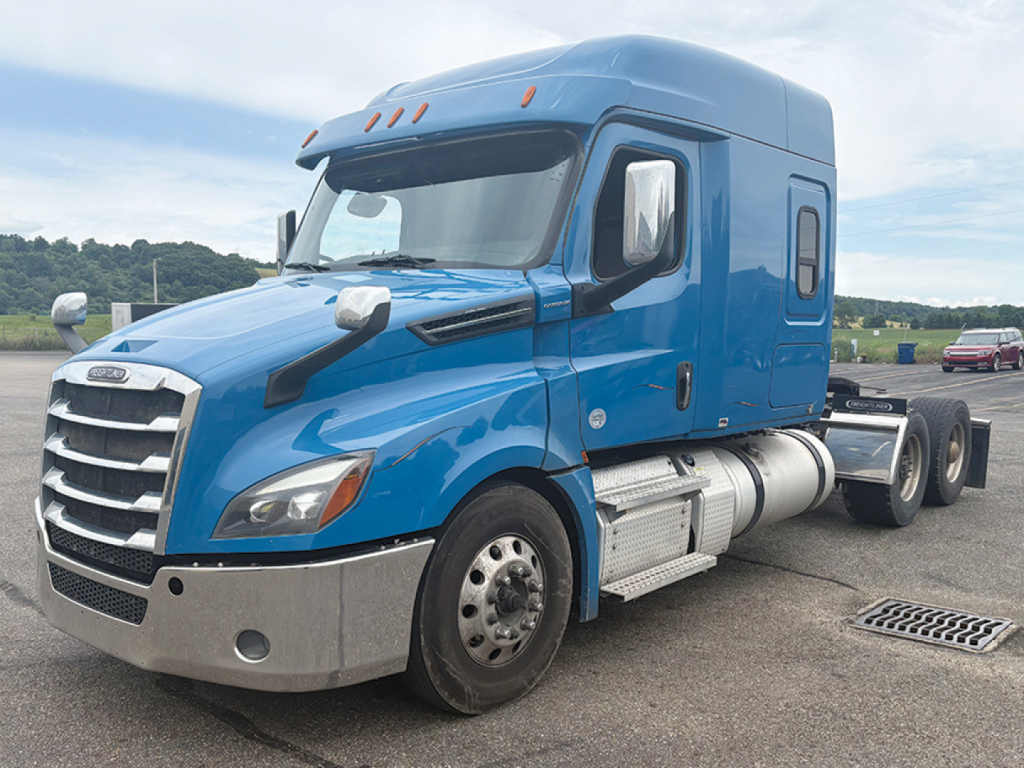
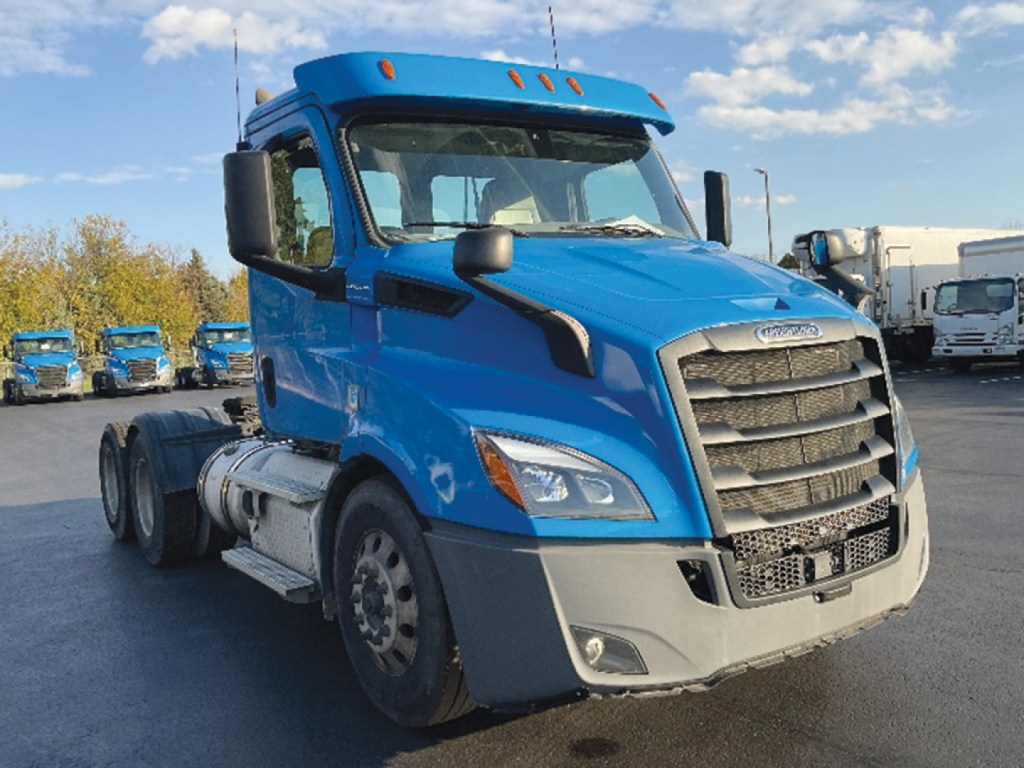
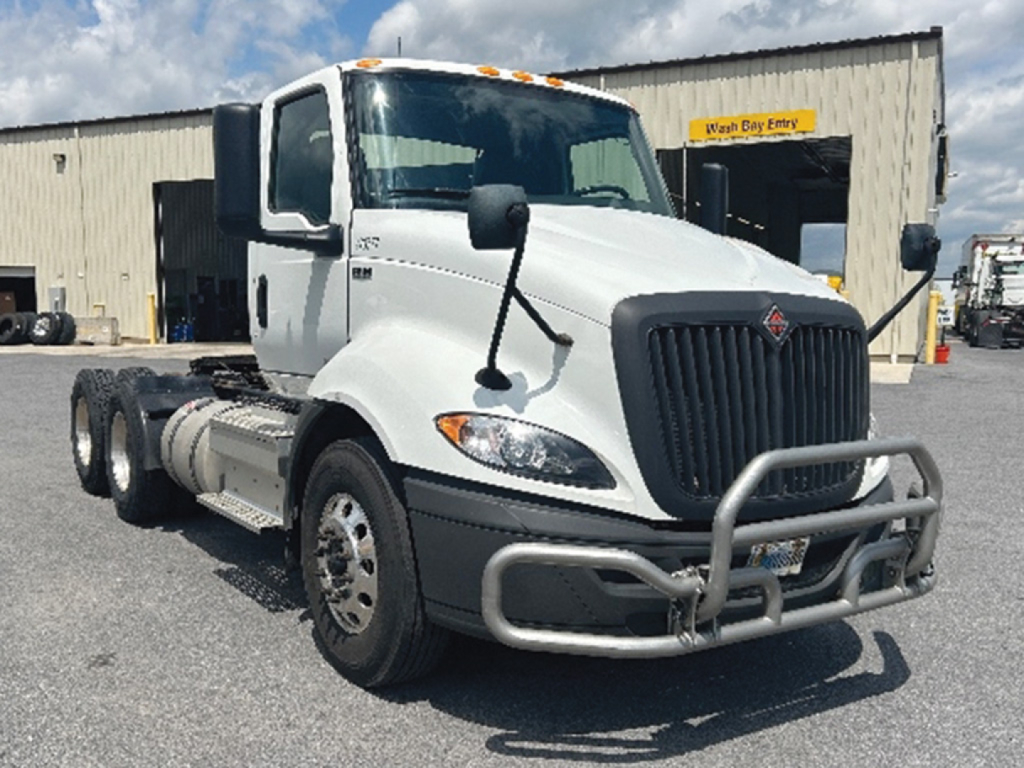
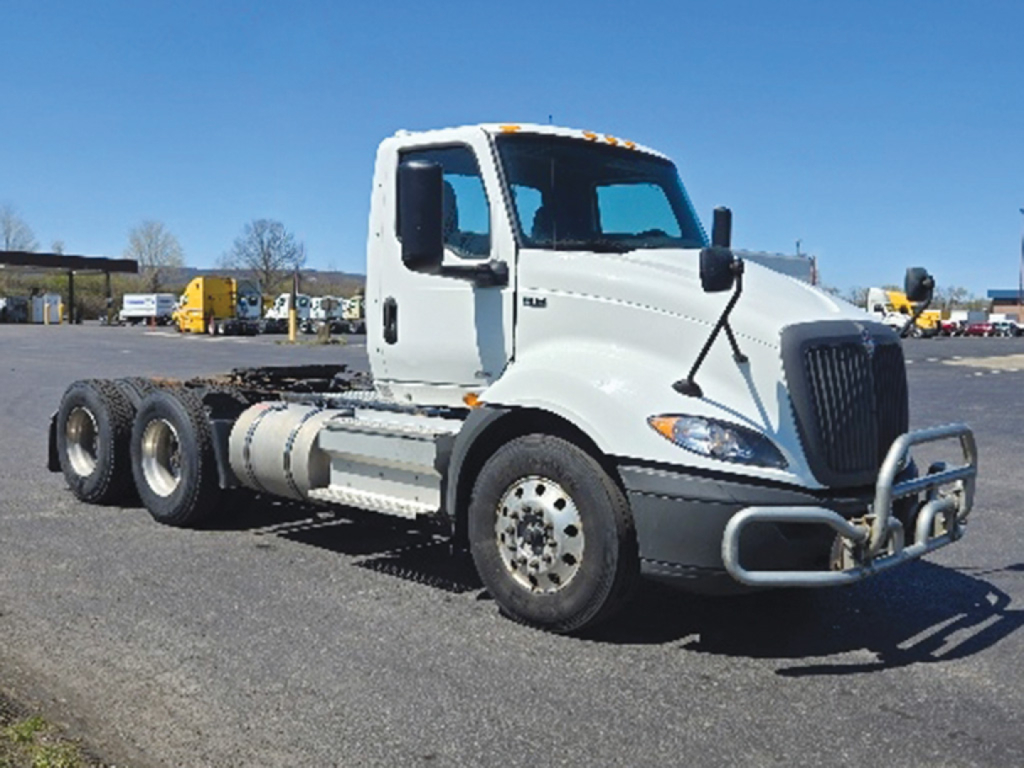
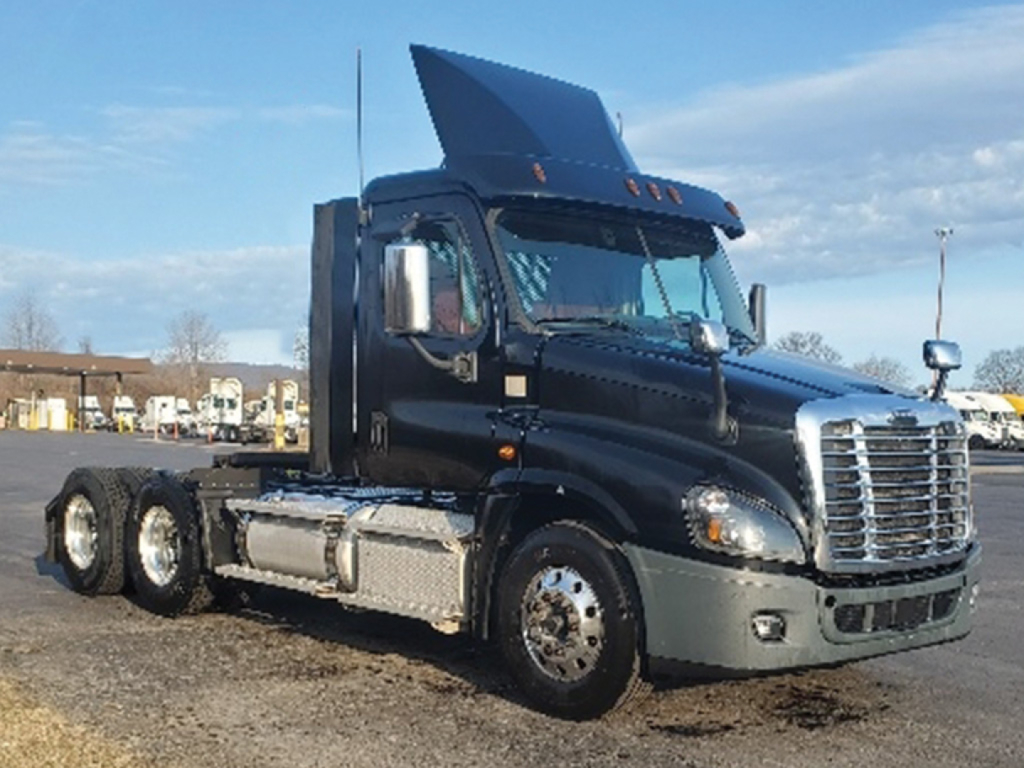
Showing 25 to 36 of 96 results
Have truck to sell? List it here to reach thousands of buyers.
About Trucks Near Burgettstown, Pennsylvania
Powertrain spec matters more than badge alone. Common engines in this class include the Cummins X15 or ISX15, Volvo D13, and PACCAR MX-13, typically in the 400 to 500 horsepower range. Most late-model highway trucks are paired with automated manual transmissions such as Eaton Endurant, Volvo I-Shift, or PACCAR automated gearboxes. Rear axle ratios like 2.64, 2.85, and 3.42 can tell you a lot about intended use. Lower numerical ratios generally favor fuel economy at highway speed, while a deeper ratio can be better for heavier starts, mixed terrain, or shorter-route work. A 40,000-pound tandem rear axle setup, air ride suspension, engine brake, and sliding fifth wheel are all common specs that deserve a close look when matching the truck to freight type and trailer length.
A buyer should also pay attention to wheelbase, sleeper layout, and chassis details because they affect maneuverability, payload, and resale. A wheelbase in the high-170s may suit a day cab working tighter yards, while a 230-inch to 242-inch wheelbase is common on sleeper tractors built for highway comfort and fuel tank capacity. Aluminum wheels, low-profile 22.5 rubber, disc brakes, aerodynamic fairings, cab extenders, and dual aluminum fuel tanks are frequent features on modern road tractors because they support fuel efficiency and lower maintenance. Interior condition, seat wear, steering wheel controls, HVAC performance, bunk equipment, and any emissions-system service history are worth reviewing closely on a used truck, especially on higher-mileage fleet units.
For Pennsylvania operators, it also makes sense to think about terrain, weather, and compliance. Western Pennsylvania grades can favor a strong engine brake and a spec that balances fuel economy with drivability. Buyers running I-70, I-79, or into Ohio and West Virginia often prefer dependable highway gearing, good brake life, and sleeper comfort for irregular dispatch. The best truck in this category is the one whose engine, transmission, axle ratio, wheelbase, and sleeper size fit the lane and trailer it will pull every week. Looking at those details early will narrow the field faster than comparing model names alone.
Frequently Asked Questions
What is the difference between a day cab and a sleeper truck?
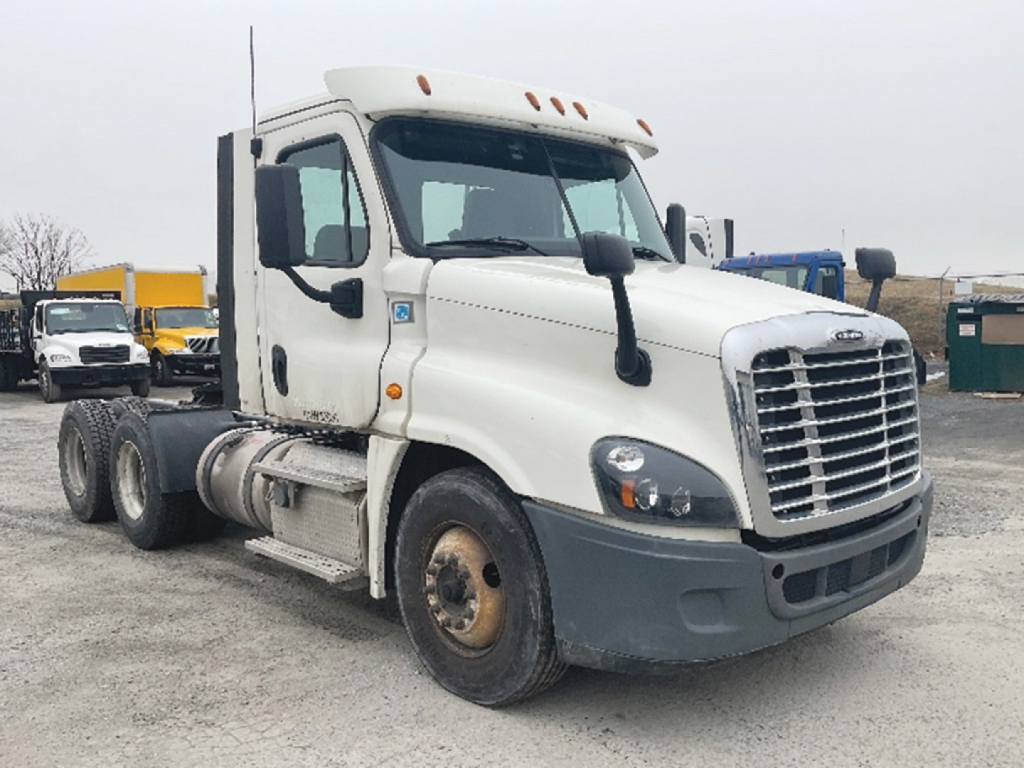
A day cab is a conventional tractor without a sleeper compartment, usually chosen for local, regional, or dedicated work where the driver returns home regularly. A sleeper truck includes a built-in bunk area and often added storage, HVAC support, and amenities for over-the-road operation. Sleeper trucks usually have a longer wheelbase and more fuel capacity, while day cabs are lighter, shorter, and easier to maneuver in urban or terminal settings.
What horsepower range is common for used highway trucks?
Most used highway tractors in this category fall in the 400 to 500 horsepower range, with 425 to 455 horsepower being a very common fleet spec. That output is enough for general dry van, refrigerated, and mixed-freight applications without moving into a heavier vocational setup. The right choice depends on gross combination weight, terrain, cruise speed, and how often the truck starts heavy on grades.
How important is rear axle ratio when buying a semi truck?
Rear axle ratio has a direct effect on fuel economy, launch feel, engine rpm at cruise, and how the truck performs in hills. Ratios such as 2.64 or 2.85 are often selected for fuel-efficient linehaul work, especially with downsped automated manual transmissions. A ratio like 3.42 generally gives stronger pulling power at lower speeds, which can help in heavier regional service, mixed terrain, or stop-and-go operation. It should be evaluated together with tire size, transmission gearing, and average load.
What should I inspect first on a used sleeper tractor?
Start with engine and aftertreatment history, transmission operation, rear axle condition, and any signs of coolant or oil leaks. Then check the sleeper equipment, APU if equipped, bunk HVAC performance, refrigerator operation, and inverter wiring because comfort systems can add repair cost quickly. Tire wear, brake life, suspension bushings, fifth wheel movement, and service records are also key indicators of how the truck was maintained.
Are automated manual transmissions a good choice in used semi trucks?
Automated manual transmissions are now standard in many late-model fleet tractors because they improve shift consistency, can help fuel economy, and reduce driver fatigue. Units such as Eaton Endurant, Volvo I-Shift, and similar automated gearboxes are widely accepted in linehaul service. On a used truck, the main concern is not the transmission type itself but software updates, clutch and actuator condition, calibration history, and whether the powertrain spec matches the route and load.