
Bucket Trucks For Sale in Ohio
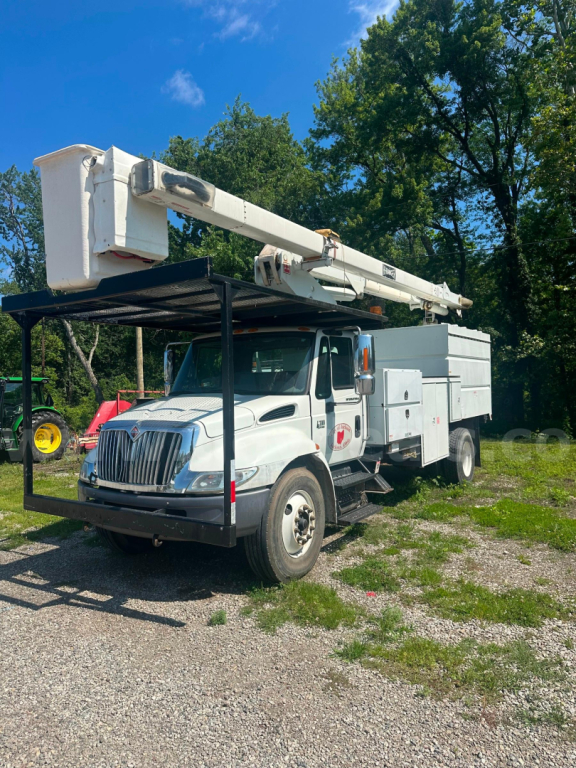
Bucket trucks for sale in Ohio, including insulated and material-handling aerial units for utility, telecom, tree service, and municipal fleets.
Learn more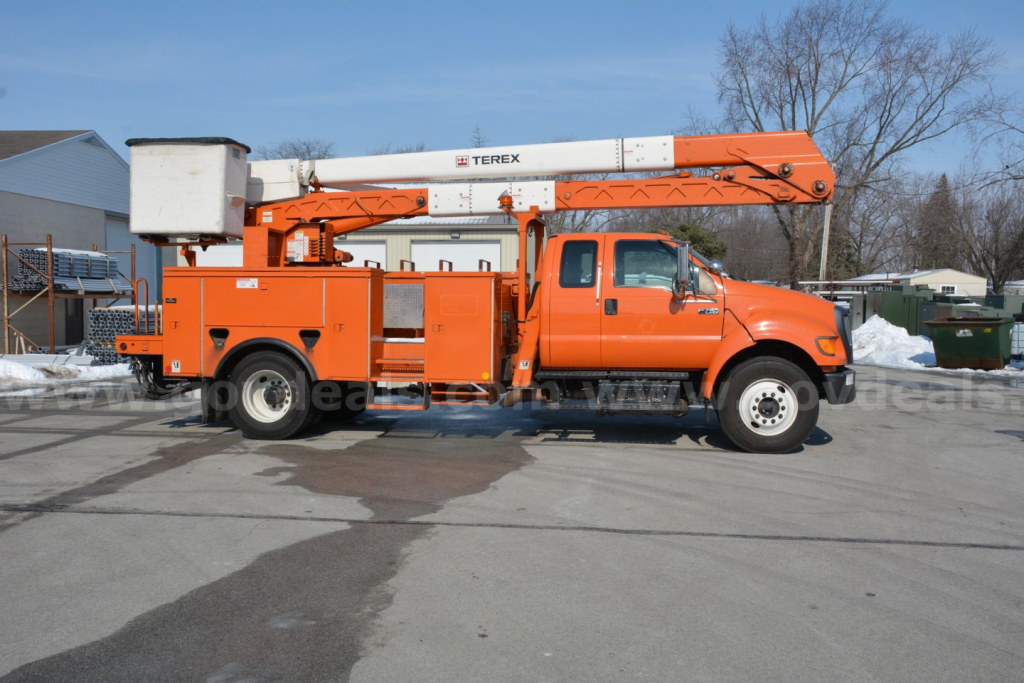


Have bucket truck to sell? List it here to reach thousands of buyers.
About Bucket Trucks in Ohio
Boom configuration drives how the truck performs in the field. A non-overcenter boom is common for telecom, lighting, and general maintenance, while overcenter designs are often preferred for utility line work where positioning below grade or around obstacles matters. Insulated booms and fiberglass inserts are critical if the truck will work near energized lines, and dielectric test history should be reviewed closely on any used unit. Buyers should compare platform capacity, vertical reach, side reach, material-handling capability, jib options, and whether the truck uses outriggers or torsion bar stabilization. In tighter neighborhoods and older Ohio municipal streets, overall wheelbase, turning radius, and setup footprint can matter just as much as boom height.
The chassis and body deserve the same attention as the aerial device. Many bucket trucks run a utility body with tool compartments, inverter systems, warning beacons, and pintle or hitch equipment for support trailers. Diesel power is common in both Class 5 and Class 7 applications, and 4x4 can be valuable for rural co-op work, storm response, and off-pavement access. On used trucks, miles only tell part of the story. Engine hours, PTO hours, boom hours, annual inspections, hydraulic leaks, bushing wear, bucket liner condition, and evidence of structural repairs are often more important than odometer readings. A truck that has been fleet-maintained with clear service records usually brings more confidence than one with limited documentation.
A smart bucket truck purchase comes down to matching the lift to the work instead of buying solely on reach. A 37-foot to 52-foot class truck can cover a wide range of municipal and contractor jobs, but the right unit depends on required working height, operator weight and tools in the platform, insulation needs, and how often the truck must carry transformers, reels, or jobsite materials. Buyers in Ohio should also consider corrosion exposure from winter road treatment, underbody condition, and compartment integrity. When the chassis, aerial device, and service history line up, a bucket truck can serve as a highly productive specialized asset for years.
Frequently Asked Questions
What is the difference between an insulated bucket truck and a non-insulated bucket truck?
An insulated bucket truck is designed for work near energized electrical lines and typically uses fiberglass boom sections, insulated inserts, and a non-conductive platform to help protect the operator when the unit is properly tested and used within its rated limits. A non-insulated bucket truck is better suited for telecom, sign, lighting, and general overhead maintenance where electrical insulation is not the primary requirement. On a used truck, insulation value depends on current test status and overall condition, not just the original build type.
What should I check first on a used bucket truck?
Start with the aerial device records, including annual inspections, dielectric testing if applicable, boom repairs, and any structural or hydraulic service history. Then review chassis miles, engine hours, PTO or boom hours, tire condition, rust at the frame and outriggers or stabilizers, and the operation of every lower and upper control. A used bucket truck should also be checked for leaks, wear in pins and bushings, bucket damage, and proper function of safety interlocks and emergency descent systems.
How much working height do most bucket truck buyers need?
The answer depends on the work, but many buyers shop in the roughly 35-foot to 55-foot range because that covers a broad mix of utility, streetlight, tree trimming, and contractor applications. Smaller units are easier to maneuver in cities and residential areas, while taller units usually require a heavier chassis and more setup space. It is important to distinguish between platform height and working height, since working height is generally estimated by adding about 6 feet to platform height.
Are outriggers required on all bucket trucks?
No. Some lighter bucket trucks use torsion bar stabilization or other chassis-based stabilizing systems instead of full outriggers, especially in lower working height classes. Larger or taller units often use outriggers because they improve stability and operating envelope. The correct setup depends on the boom design, chassis rating, and intended work environment, so buyers should review the manufacturer’s operating chart and stability requirements carefully.
Why do boom hours matter on a bucket truck?
Boom hours show how much time the aerial device and hydraulic system have actually been used, which can be as important as chassis mileage on a specialized truck. A unit with modest road miles may still have heavy aerial usage if it spent years doing stationary line or maintenance work. Higher boom hours can mean more wear on hydraulic components, rotation systems, pins, bushings, and controls, so they help paint a more accurate picture of total use.