
Kenworth Bucket Trucks For Sale
Shop Kenworth bucket trucks for utility, telecom, sign, and tree work. Compare chassis, boom height, PTO setup, GVWR, and service body options.
Learn moreNo exact matches found for your search
Showing Bucket Trucks instead.


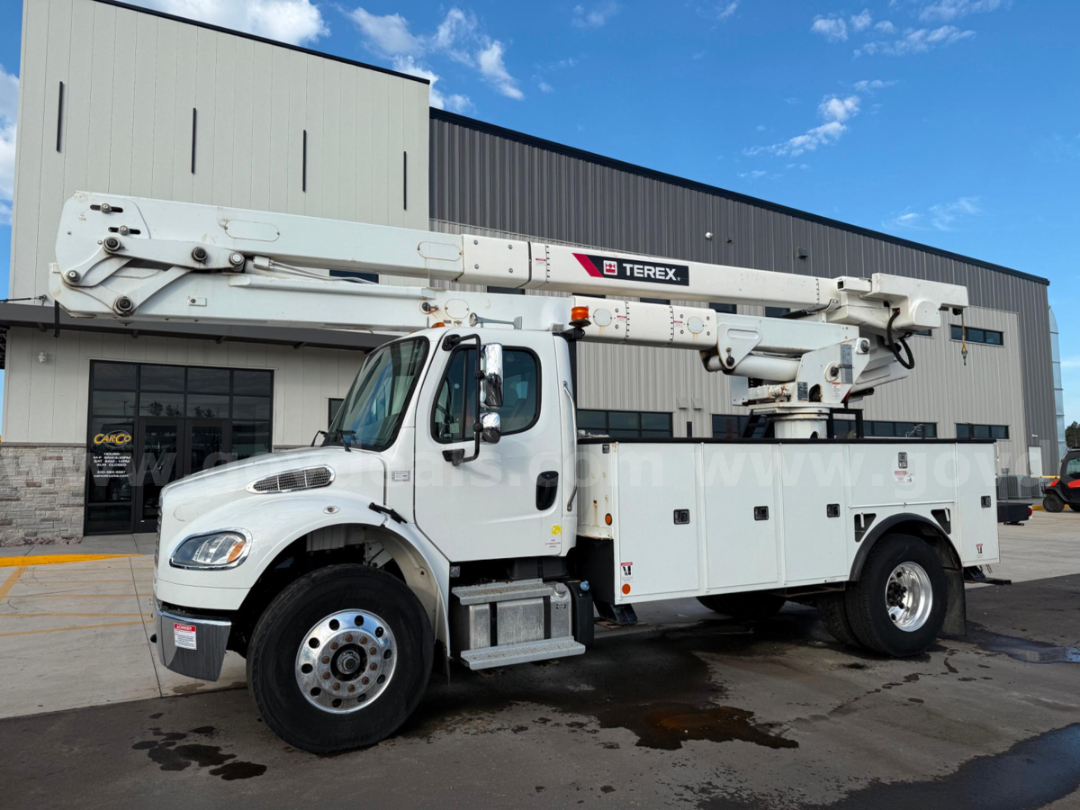
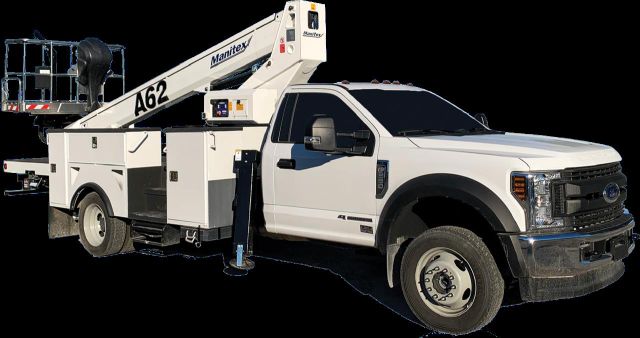
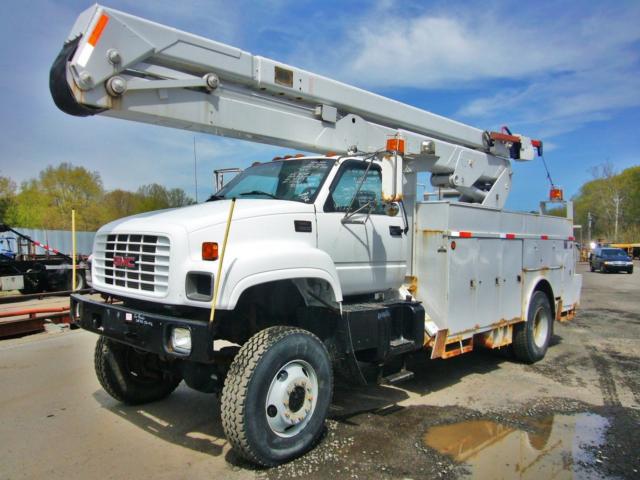
Showing 13 to 23 of 23 results
Have kenworth bucket truck to sell? List it here to reach thousands of buyers.
About Kenworth Bucket Trucks
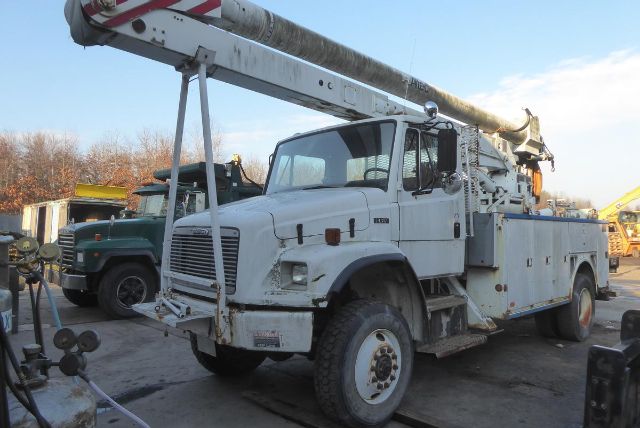
A typical Kenworth bucket truck in this class may carry a diesel engine in the medium-duty range, an automatic transmission, and a utility body with outriggers, tool compartments, and hydraulic controls. Many units are equipped with Altec, Versalift, Terex, Elliott, or similar boom packages. Key specifications include platform height, working height, insulated versus non-insulated boom construction, material handler capability, jib or winch equipment, and PTO hours. Utility contractors and municipalities often look closely at dielectric test records, boom inspection intervals, hydraulic hose condition, turret rotation performance, and outrigger operation. If the truck will spend time off pavement or on soft shoulders, tire condition, wheelbase, suspension spec, and automatic tire inflation systems can also affect day-to-day performance.
Kenworth is a strong fit for fleets that want a durable cab, straightforward serviceability, and a chassis that can handle the weight of a fully equipped body and aerial unit. GVWR, front axle capacity, and rear axle rating are especially important because bucket trucks can get heavy fast once you add a compressor, inverter, reel setup, liners, tools, and material handling equipment. Buyers should also confirm CDL requirements, overall height, stowed travel height, and compartment configuration. On utility and municipal trucks, idle hours and PTO hours often tell you more about real usage than odometer miles alone.
The best Kenworth bucket truck for sale depends on the work cycle. Electric utility and telecom fleets may prioritize insulated booms and current dielectric certification. Sign and lighting contractors may focus more on compact dimensions, maneuverability, and easy urban access. Tree and right-of-way applications may need higher reach, more robust outrigger stance, and stronger front-end or winch equipment. A careful review of chassis maintenance records, boom annual inspections, hydraulic performance, and body corrosion will tell you far more than the badge on the door. When the chassis and aerial device are properly matched, a Kenworth bucket truck can be a productive long-term unit in both fleet and owner-operator service.
Frequently Asked Questions
What should I check first on a used Kenworth bucket truck?
Start with the aerial device records and the chassis weight ratings. Confirm the current annual inspection status, dielectric test documentation if the boom is insulated, PTO hours, and any repair history for the boom, outriggers, turret, and hydraulic system. Then verify GVWR, front and rear axle ratings, and tire capacity to make sure the truck is properly matched to the body and equipment mounted on it. On bucket trucks, condition and certification status often matter more than mileage alone.
Are Kenworth bucket trucks used mainly for utility work?
Utility work is one of the most common applications, but this category also covers telecom, municipal maintenance, street lighting, traffic signal service, sign installation, and some tree service applications. The exact job fit depends on the boom package, insulation rating, working height, side reach, and whether the truck has a material handler, jib, or winch. A compact urban service truck and a higher-reach utility unit may both be bucket trucks, but they are built for very different work cycles.
How important are PTO hours on a bucket truck?
PTO hours are extremely important because they show how much time the aerial and hydraulic systems have actually been used. A bucket truck may have moderate road miles but very high PTO time from stationary jobsite operation. High PTO usage is not automatically a problem if maintenance has been consistent, but it should push a buyer to inspect hydraulic pumps, hoses, control valves, outriggers, rotation components, and engine idle-hour wear more closely.
Do I need an insulated boom on a Kenworth bucket truck?
An insulated boom is necessary for many electric utility and energized-line applications, but not every buyer needs one. Sign companies, lighting crews, and municipal departments may use non-insulated units if their work does not involve exposure to energized conductors. If you do need insulation, confirm the boom classification and current dielectric test results rather than relying on decals or past service claims. The certification paperwork is part of the truck's value.
Which chassis specs matter most when comparing Kenworth bucket trucks for sale?
Focus on GVWR, axle ratings, wheelbase, engine and transmission pairing, PTO setup, suspension, and cab configuration. Front axle capacity is especially important on bucket trucks because heavy booms, winches, and mounted equipment can load the front end quickly. Wheelbase affects body length, storage layout, and turning radius. The right chassis spec is the one that supports the aerial unit safely without leaving the truck overloaded once tools, operators, and job equipment are added.