
Used Kenworth Bucket Trucks For Sale
Used Kenworth bucket trucks for utility, telecom, tree and municipal work, with durable chassis, PTO-driven aerials and strong service-body options.
Learn moreNo exact matches found for your search
Showing Used Bucket Trucks instead.
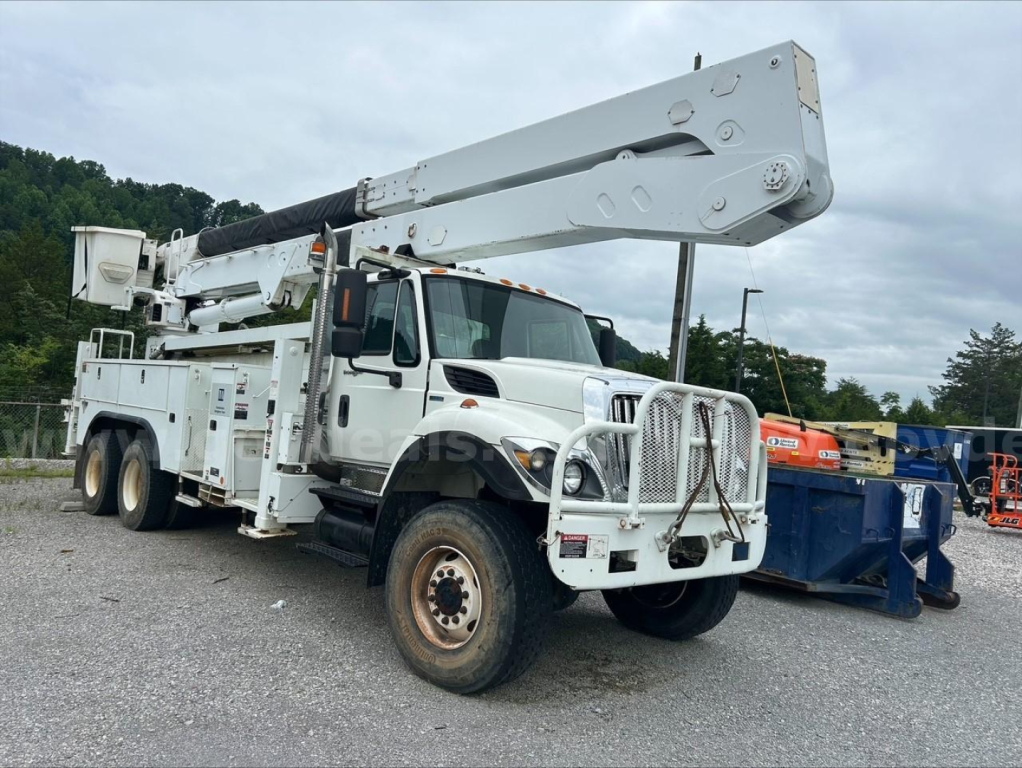
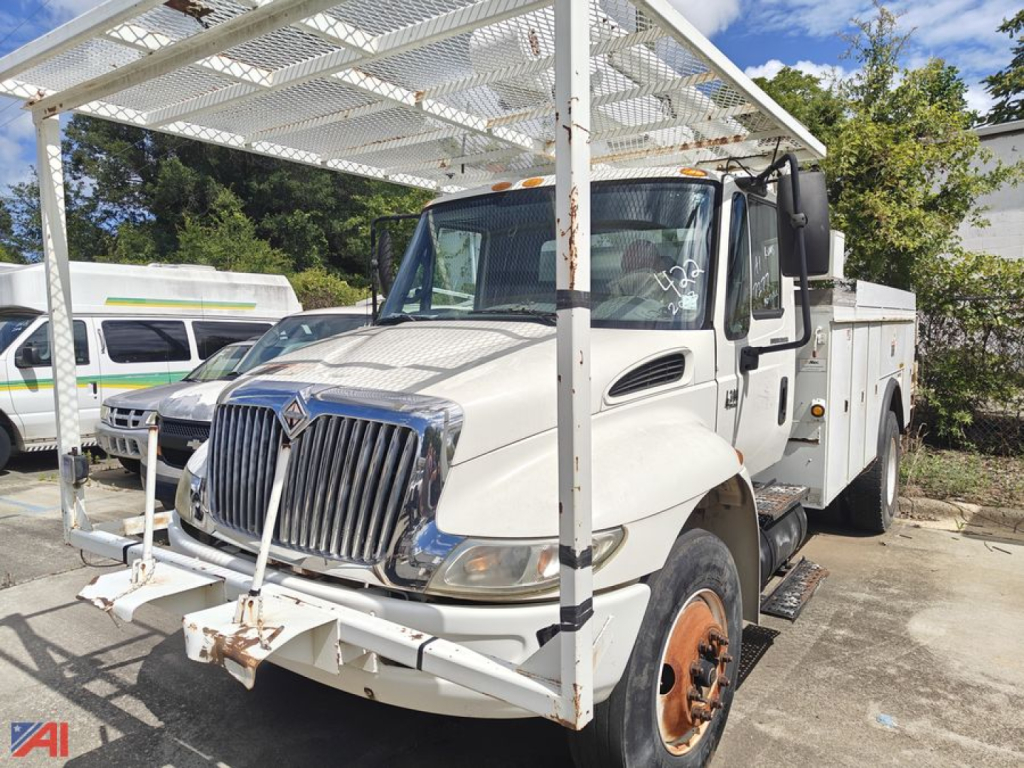
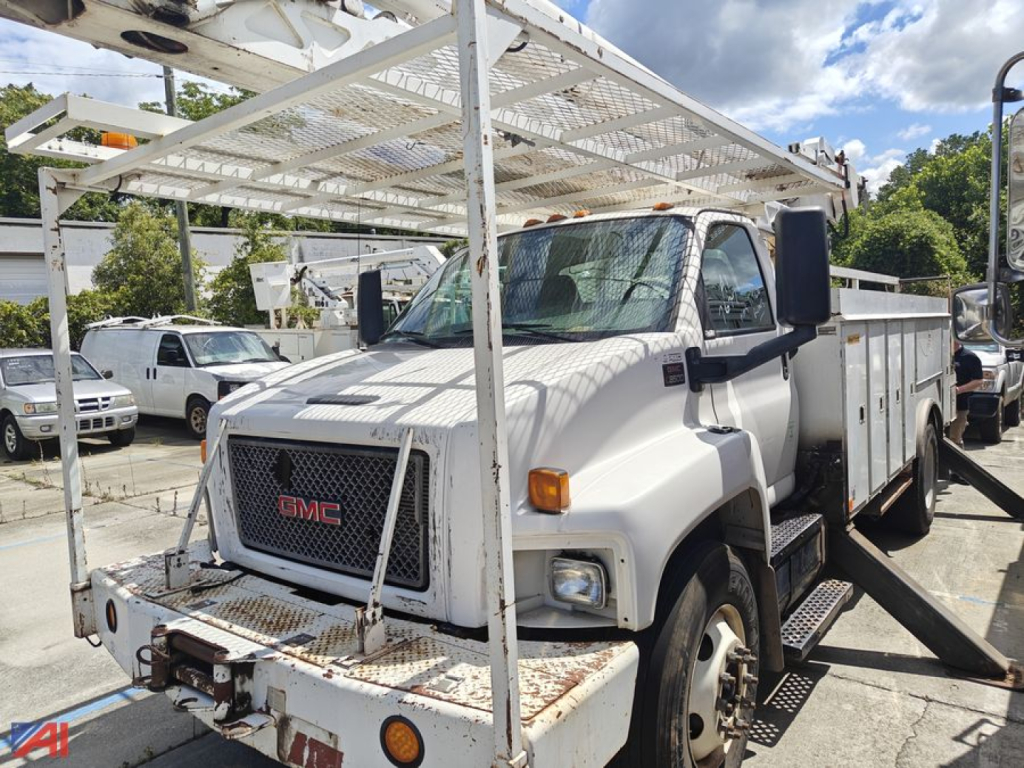
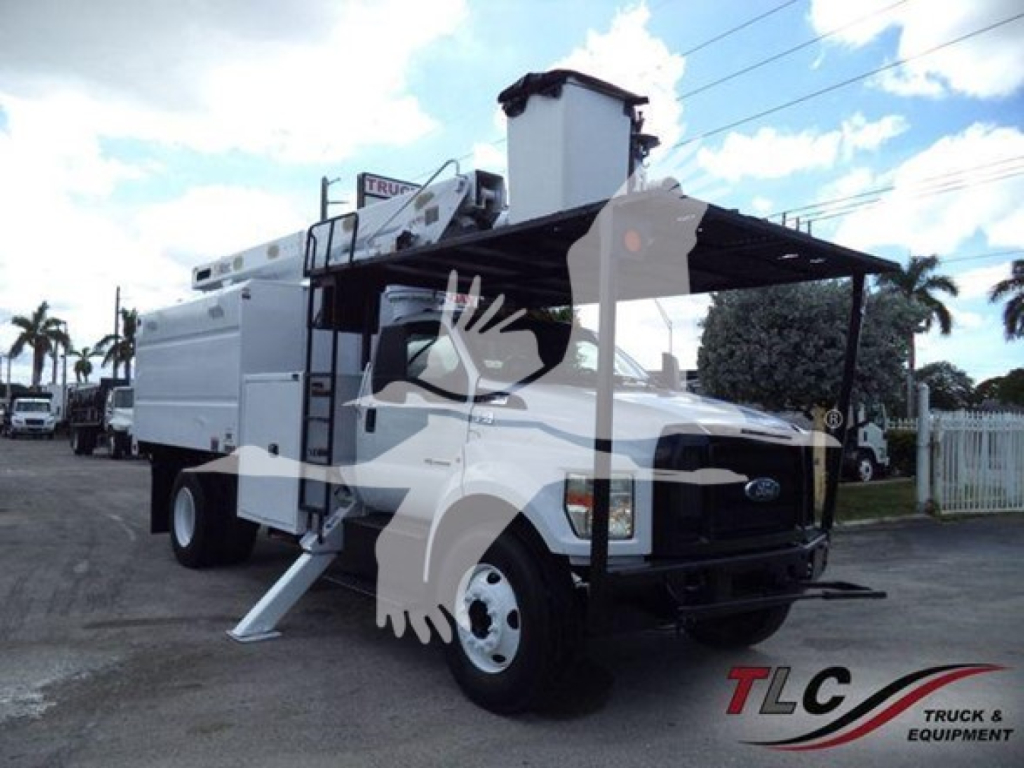


Showing 1 to 12 of 22 results
Have used kenworth bucket truck to sell? List it here to reach thousands of buyers.
About Used Kenworth Bucket Trucks
One of the first decisions is job type. A material-handling bucket truck is different from a non-overcenter utility unit, and both differ from a forestry setup with chip box or dump body configurations. Common boom specs include working heights in the 35 to 60 foot range, hydraulic outriggers, single-man or two-man buckets, and upper and lower controls. For utility applications, dielectric testing history is critical, along with liner condition, boom inspection records, and any evidence of hydraulic leaks, weld repairs, or upper boom damage. If the truck will spend time off pavement or in soft shoulders, pay close attention to axle ratings, tire size, locking rear differentials, wheelbase, and overall body balance with the outriggers deployed.
Kenworth bucket trucks are often chosen for their vocational chassis strength, straightforward upfit compatibility, and good driver ergonomics. Engines in this class commonly include PX-series diesels, matched to automatic transmissions such as Allison units for stop-and-go work and PTO operation. Many used examples are equipped with utility body compartments, ladder racks, inverter systems, strobes, work lights, and accessories such as front winches or automatic tire inflation systems. PTO hours matter just as much as mileage on an aerial truck because the unit may spend long periods operating the boom while stationary. A truck with moderate road miles but high engine or PTO hours can show very different wear patterns than a standard delivery chassis.
A smart evaluation includes the boom certification history, current ANSI compliance status, body corrosion, outrigger pad condition, hydraulic system responsiveness, and signs of electrical modifications by prior fleet owners. Service records are especially valuable on former municipal and utility fleet units because they often document scheduled maintenance, inspections, and repairs. Buyers should also confirm CDL implications based on GVWR, check bridge law and axle spacing if the body is heavily outfitted, and make sure the aerial platform matches the intended work envelope. The best used Kenworth bucket truck is not just the cleanest truck on the page. It is the one with a chassis, PTO setup, and aerial device that fit the exact height, reach, and duty-cycle requirements of the job.
Frequently Asked Questions
What should I check first on a used Kenworth bucket truck?
Start with the aerial device records before cosmetics. Dielectric test results, annual inspections, ANSI compliance documentation, PTO hours, hydraulic leaks, outrigger operation, and boom condition are more important than paint or cab wear. After that, review chassis maintenance history, engine hours, transmission operation, tire condition, and any signs of frame or body corrosion around the outriggers and service body mounts.
Are mileage and engine hours enough to judge a bucket truck's condition?
No. A bucket truck should be evaluated by mileage, engine hours, and PTO hours together. Many units spend long periods idling or running the PTO to power the boom, so wear can accumulate even when road miles look reasonable. High PTO time can mean more use in the aerial system, hydraulics, and engine accessories than the odometer alone suggests.
What boom height is common on used Kenworth bucket trucks?
Used Kenworth bucket trucks commonly appear with aerial devices in the 35 to 60 foot class, although exact working height depends on the upfit and application. Utility and telecom work often falls into the mid-range, while tree and specialized municipal applications may vary based on body style, insulation requirements, and material-handling needs. The right choice depends on required platform height, side reach, bucket capacity, and where the truck will be set up relative to the work area.
Do used Kenworth bucket trucks usually require a CDL?
Some do and some do not. CDL requirements depend mainly on the truck's GVWR, actual operating weight, axle ratings, and local regulations. Many medium-duty bucket trucks can fall near the CDL threshold once the body, tools, and crew gear are accounted for. Buyers should verify the door tag, registered weight, and intended payload before assuming a truck can be operated without a CDL.
Why are maintenance records especially important on a used bucket truck?
Maintenance records help verify both chassis care and aerial safety history. On a bucket truck, records can show engine service intervals, hydraulic repairs, boom inspections, dielectric testing, and component replacements that are difficult to judge from photos alone. Fleet-maintained utility or municipal units often come with better documentation, which makes it easier to assess remaining service life and reduce surprises after purchase.