
Bucket Trucks For Sale in Florida

Have bucket truck to sell? List it here to reach thousands of buyers.
Bucket Trucks in Florida
A used bucket truck should be evaluated as two machines in one: the chassis and the aerial device. Chassis specs usually include diesel power, automatic transmissions, PTO-driven hydraulic systems, hydraulic or electric-over-hydraulic controls, and GVWRs that range from non-CDL territory up to tandem-axle commercial setups. On the lift side, buyers should confirm platform capacity, working height, side reach, boom insulation rating if energized work is planned, and whether the unit has a material handler or jib. Outriggers are critical for stability, and so are frame condition, subframe mounting, and evidence of prior structural repairs. On older trucks, pay close attention to rust in the bed, boom pedestal, outriggers, hydraulic lines, and compartment floors, especially on ex-municipal or utility fleet units that have spent years outdoors.
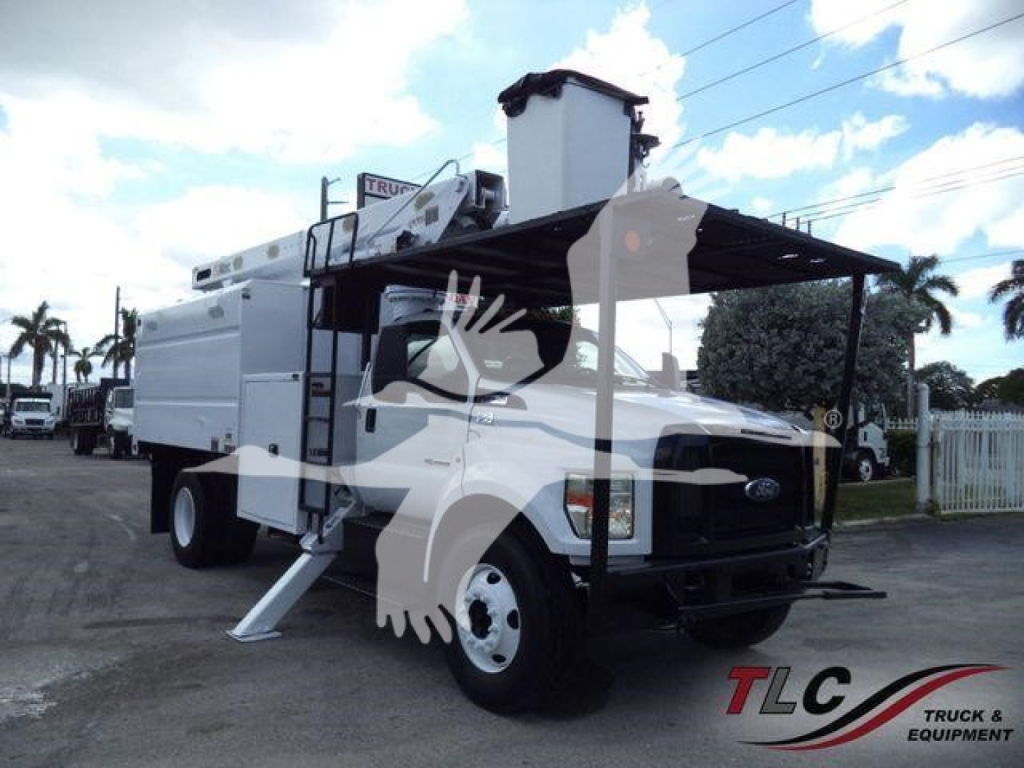
Body style matters because bucket trucks are often application-specific. Arborist units frequently use chip bodies, rear barn doors, and higher sidewalls for brush handling, while utility-spec trucks may have tool compartments, reel mounts, inverter systems, and dedicated stowage for cones, harnesses, and line equipment. A material handling package can add significant versatility for lifting transformers, signs, or jobsite materials, but it also adds weight and changes the truck's usable payload. Buyers in Florida should also consider corrosion from coastal exposure, sun-related wear on hoses and seals, and the condition of fiberglass components, control stations, and bucket liners.
The most important records on a bucket truck are often the inspection and maintenance documents, not just the engine service history. Ask for dielectric test records on insulated units, annual boom inspections, hydraulic service history, PTO operation checks, and any documentation tied to ANSI compliance. A truck with modest miles but neglected boom maintenance can be a worse buy than a higher-mile fleet unit with complete service records. If the work requires operation in neighborhoods, campuses, or municipal streets, wheelbase, turning radius, outrigger spread, and non-CDL GVWR can be just as important as maximum platform height.
Frequently Asked Questions about Bucket Trucks in Florida
What should I check first when buying a used bucket truck?
Start with the aerial device, then the chassis. Confirm the boom's working height, platform capacity, side reach, and insulation rating if the truck will be used near energized lines. Review annual inspection records, dielectric test results on insulated booms, hydraulic service history, and any repairs to the boom, pedestal, outriggers, or subframe. After that, evaluate the engine, transmission, brakes, tires, PTO function, and frame condition. A sound truck chassis does not make up for a poorly maintained aerial lift.
What is the difference between an articulating boom and a telescopic boom on a bucket truck?
An articulating boom uses multiple hinged sections, which makes it better for up-and-over positioning around trees, poles, roofs, and signs. A telescopic boom extends in a straighter path and is often chosen for direct reach and simpler lift geometry. Tree service, utility maintenance, and sign work often favor articulating designs because they can access difficult angles. The best choice depends on the type of structures you work around and how often you need side reach versus straight elevation.
Do I need an insulated bucket truck for utility or telecom work?
Not always, but insulation is essential if the truck will be used for energized line work or in situations where dielectric protection is required by the job. An insulated boom and bucket must be properly rated and regularly tested to remain serviceable for that application. Telecom, lighting, sign, and general maintenance work may use non-insulated units if the work does not involve exposure to energized conductors. Buyers should verify the exact insulation classification and current test documentation before assuming a unit is suitable for line work.
Are bucket trucks used for tree work different from utility bucket trucks?
Yes. Arborist bucket trucks often include a chip body, barn doors, saw and tool storage, and boom setups designed for canopy access. Utility bucket trucks are more likely to have enclosed compartments, line equipment storage, and configurations intended for pole work or service access. Some tree trucks also include material handlers, but the overall body design usually prioritizes brush and debris handling rather than utility tools. The right configuration depends on whether your work centers on pruning, removals, line access, lighting, or municipal maintenance.
Why do Florida buyers need to pay special attention to corrosion and hydraulic condition?
Florida conditions can be hard on bucket trucks. Coastal salt exposure accelerates corrosion on outriggers, beds, subframes, hydraulic fittings, and electrical connections. Heat and UV exposure can also shorten the life of hoses, seals, plastic components, and fiberglass parts. That makes underbody inspection, hydraulic leak checks, and close review of compartment floors, boom mounts, and outrigger boxes especially important. A clean-looking truck can still have expensive structural or hydraulic issues if it has spent years in a coastal or outdoor fleet environment.