
Used Box Trucks For Sale in Massachusetts
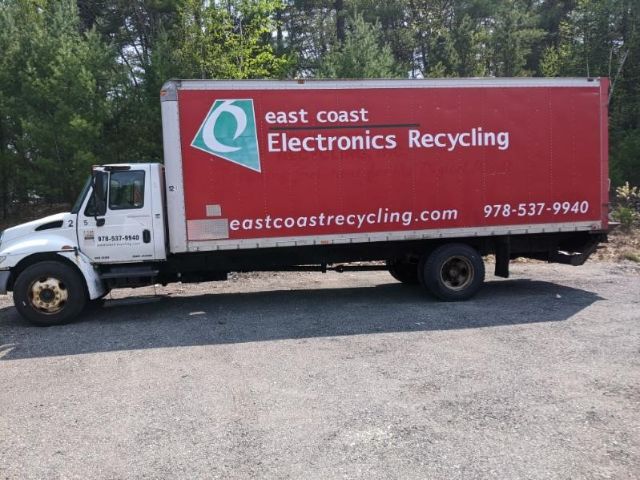
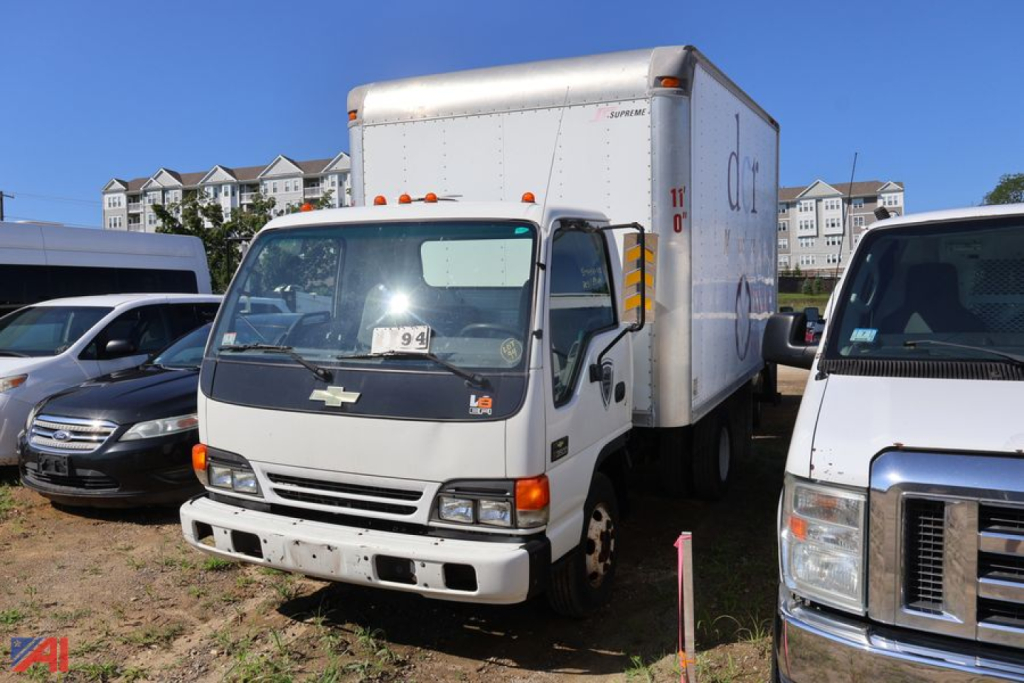
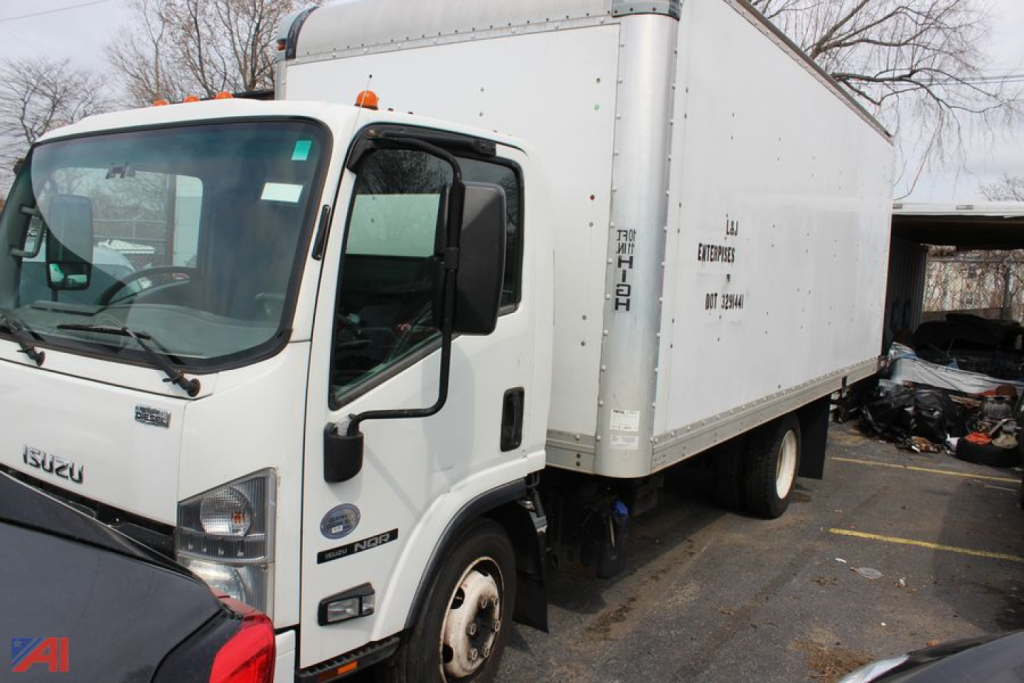
Have used box truck to sell? List it here to reach thousands of buyers.
Used Box Trucks in Massachusetts
The first buying decision is usually size and weight rating. Common used box truck body lengths run from about 14 to 26 feet, with 24-foot and 26-foot boxes widely used for furniture, appliance, route delivery, and final-mile freight. Buyers should match body length and interior cube to the actual freight profile, then verify GVWR, front and rear axle ratings, and payload after accounting for the box, liftgate, shelving, reefer equipment if equipped, and any tools or ramps carried daily. Door configuration also affects usability. Roll-up rear doors are common for dock work, while swing doors can provide better full-opening access in some applications. Side doors, translucent roof panels, E-track, scuff liners, wood slat lining, and cargo tie-down systems are all worth checking because retrofitting adds cost quickly.
On used box trucks, condition matters more than badge alone. A buyer should pay close attention to frame corrosion, crossmember condition, floor rot, cab mounts, roof leaks, corner cap damage, and signs of previous body repairs. In Massachusetts, winter road treatment makes rust inspection especially important on brake lines, fuel lines, suspension hangers, step assemblies, and the underside of the box. Liftgates deserve a full functional test under load, including platform alignment, hydraulic response, cylinder seepage, switch operation, and battery or charging condition. On the chassis side, review engine hours if available, transmission behavior, front-end wear, brake history, tire date codes, and any warning lights related to emissions equipment on newer diesel units. A clean-running truck with a tired box can still require significant body and door work, so the cargo body should be evaluated as carefully as the drivetrain.
Used box trucks are also known as cube trucks, cube vans, straight trucks, or dry freight trucks depending on body style and local usage. The right spec depends on route density, dock height, driver experience, and cargo handling method. For urban delivery, a lower step-in height, cab-over visibility, and a smaller wheelbase can improve productivity. For heavier regional work, buyers often favor a medium-duty straight truck with a proven diesel, stronger suspension, and a body built for palletized freight. If the truck will run under CDL thresholds, confirm the GVWR and any state or federal compliance requirements before purchase. A well-matched used box truck can be a durable, cost-controlled platform for local delivery, contractor support, moving, or retail distribution.
Frequently Asked Questions about Used Box Trucks in Massachusetts
What size used box truck is most common for delivery work in Massachusetts?
The most common used box truck sizes are typically 16 to 26 feet, with 24-foot and 26-foot bodies widely used for moving, palletized delivery, and retail distribution. Smaller 14-foot to 18-foot trucks are often better suited for dense urban routes, tight loading areas, and lighter freight. The right size depends on cubic capacity, payload, dock access, and whether the truck needs to stay under a non-CDL GVWR threshold.
Is a cab-over or conventional box truck better?
A cab-over box truck is usually better for tight city maneuvering because it has a shorter overall length for the same box size and a tighter turning radius. A conventional box truck often offers easier engine service access, a more familiar cab layout, and strong availability in medium-duty applications. Buyers should choose based on route type, service preferences, driver comfort, and space constraints at loading points.
What should I inspect first on a used box truck?
Start with the frame, cargo box, and liftgate because structural and body repairs can be expensive and easy to underestimate. Check for rust on the frame rails, crossmembers, brake lines, and suspension mounts, then inspect the box floor, roof, corners, and rear door opening for leaks, rot, or collision repairs. After that, evaluate engine condition, transmission performance, brake wear, steering play, tire age, and any active fault codes.
Do used box trucks usually come with liftgates?
Many used box trucks in delivery and moving service are equipped with liftgates, but not every truck has one and not every liftgate is rated for the same work. Buyers should confirm platform size, weight capacity, hydraulic operation, and whether the liftgate matches the freight being handled. A working liftgate adds value for hand-unloaded routes, appliance delivery, and locations without dock access.
Can a used box truck be operated without a CDL?
Many box trucks are configured to stay below the 26,001-pound GVWR threshold, which can allow non-CDL operation depending on the exact use and regulations involved. That said, CDL requirements can still be affected by air brakes, hazardous materials, passenger use, or combined vehicle weight in certain situations. Buyers should verify GVWR on the door label and confirm all federal and Massachusetts operating requirements before putting the truck into service.