
Used 2016 Box Trucks For Sale in Florida
Browse used 2016 box trucks for sale in Florida. Compare 12 ft to 26 ft straight trucks, GVWR classes, liftgates, diesel and gas options.
Learn more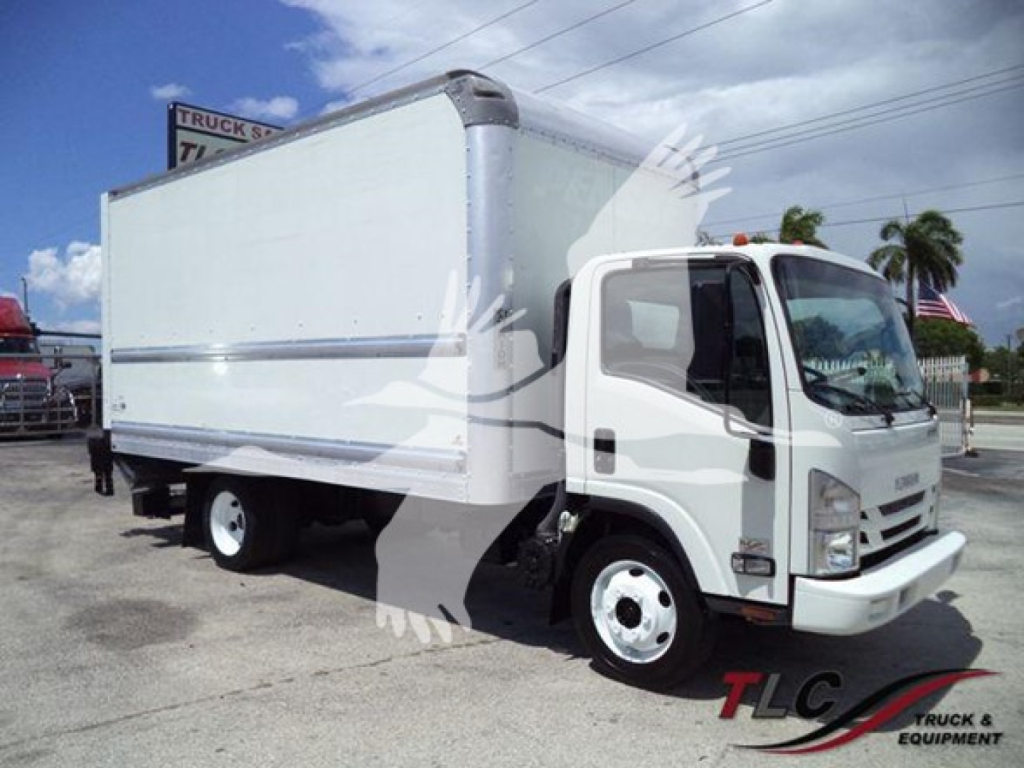
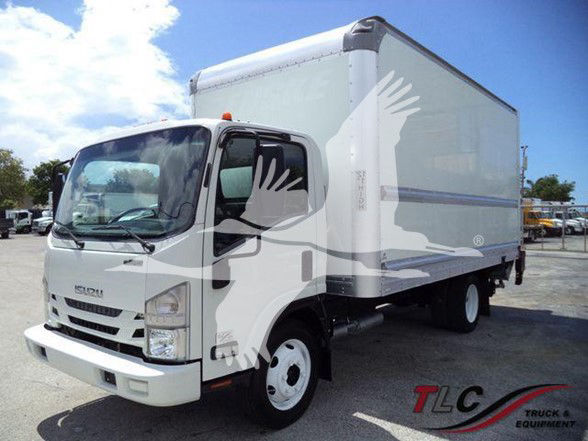
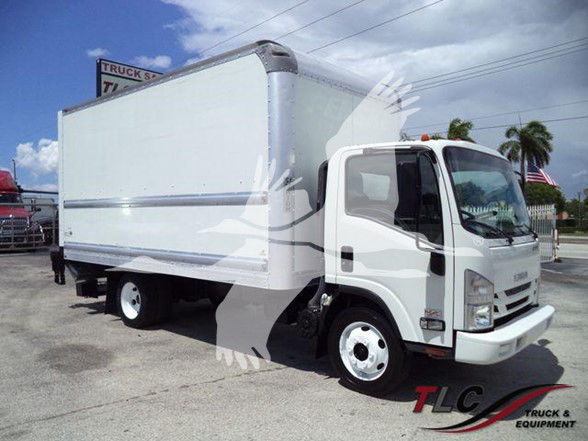
Have used 2016 box truck to sell? List it here to reach thousands of buyers.
About Used 2016 Box Trucks in Florida
One of the first decisions is chassis class and powertrain. Many 2016 box trucks in this segment were built on Ford E-Series, Isuzu NPR and NQR, Hino, Freightliner M2, or International platforms. Gas engines can make sense for lighter urban use and lower annual miles, while diesel trucks are more common in 20 foot to 26 foot applications where torque, durability, and higher payloads matter. Automatic transmissions dominate this category, and buyers should pay close attention to GVWR, axle ratings, wheel size, brake type, and whether the truck stays under CDL thresholds. A 26 foot body with a liftgate may be ideal for furniture, appliances, and palletized freight, but cube capacity only helps if the payload rating still matches the work.
Body specs are what separate a general-use box truck from one that fits a specific route. Common features include roll-up rear doors, curbside entry doors, translucent roof panels, E-track, hardwood or laminated floors, and tuck-under liftgates in the 2,500 lb to 3,500 lb range. Interior width is often around 96 to 102 inches, and body heights vary depending on cube requirements and dock access. In Florida, corrosion condition deserves a close look even on inland trucks, especially around the rear frame, liftgate structure, crossmembers, door hardware, and body mounting points. If the truck has a refrigerated body, check reefer hours, insulation integrity, door seals, and service history separately from the chassis.
For a 2016 model year, condition and maintenance history usually matter more than badge loyalty. Buyers should look closely at mileage, idle hours, transmission service records, tire age, brake wear, front-end condition, and signs of repeated overloading such as sagging suspension or uneven floor wear. On diesel units, emissions-system health is critical, including DPF service, DEF system function, and fault-history review. On any used box truck, the best value comes from matching the body length, GVWR, liftgate capacity, and cab configuration to the actual freight being moved, not just choosing the lowest purchase price.
Frequently Asked Questions
What size box truck is most common in the 2016 used market?
The most common sizes are typically 16 foot, 20 foot, 24 foot, and 26 foot bodies, with 26 foot box trucks being especially common for moving, general freight, and palletized delivery. Smaller 12 foot to 16 foot units are often built on lighter gas chassis and suit tighter urban routes, while 24 foot to 26 foot trucks are more likely to be diesel-powered and configured for higher cube and payload.
Is a 2016 26 foot box truck usually CDL or non-CDL?
Many 2016 26 foot box trucks were spec'd at 25,950 lb or 26,000 lb GVWR specifically to stay under the federal CDL threshold. That said, body length does not determine licensing by itself. Buyers need to confirm the actual door-jamb GVWR, brake system, and state requirements, because similar-looking trucks can be set up differently.
What should I inspect first on a used 2016 box truck in Florida?
Start with the frame, box structure, roof, floor, rear door opening, and liftgate if equipped. Florida conditions make water intrusion, rust around hardware, and heat-related wear important concerns. After that, review engine and transmission service records, inspect tire date codes, check brake condition, and verify that the A/C, charging system, and all body lights operate correctly for route use.
Are diesel or gas box trucks better for this category?
Gas box trucks usually make sense for lighter-duty work, lower annual mileage, and smaller body lengths where acquisition and service costs are a priority. Diesel trucks are generally the better fit for heavier freight, longer routes, 22 foot to 26 foot bodies, and applications where low-end torque and durability matter more. The right choice depends on payload needs, route density, maintenance budget, and expected annual utilization.
How important is a liftgate on a used box truck?
A liftgate is a major value factor if the truck will handle palletized freight, appliances, vending equipment, or deliveries without dock access. Common tuck-under liftgates on box trucks fall in the 2,500 lb to 3,500 lb range, and capacity should be matched to the heaviest routine load, not the occasional load. Buyers should inspect platform condition, cylinders, wiring, pivot points, and operating speed because liftgate repairs can add up quickly.