
Used 2006 Box Trucks For Sale in New York
Browse used 2006 box trucks for sale in New York. Compare GVWR, box length, doors, liftgates, engine, transmission, and CDL needs.
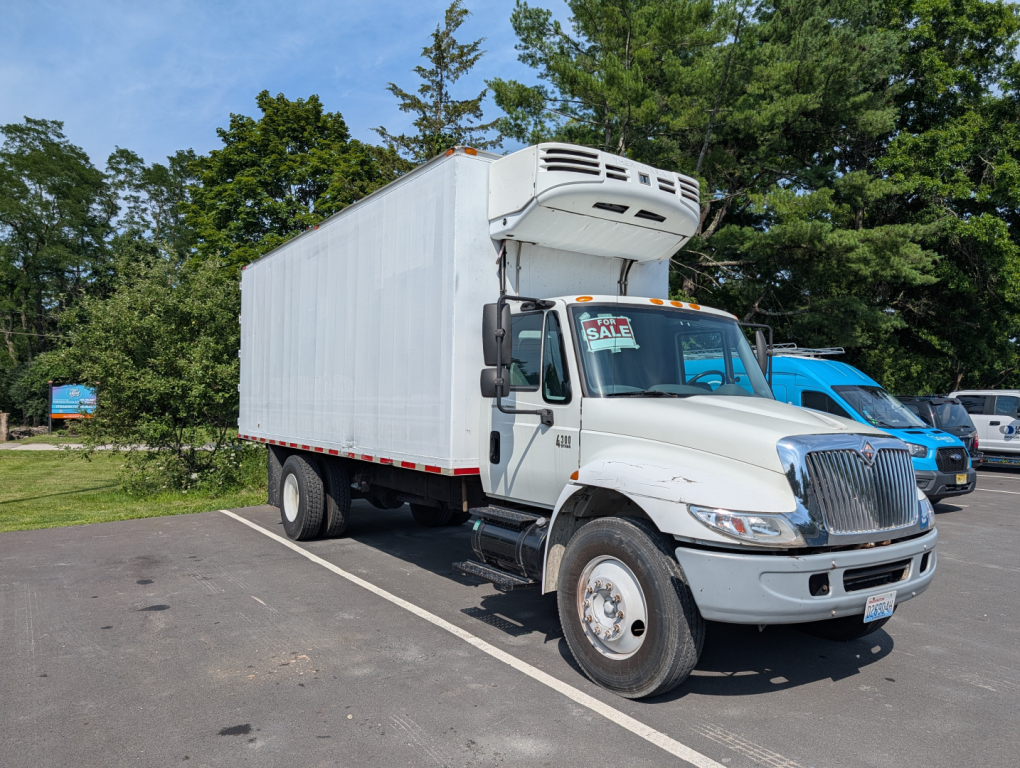
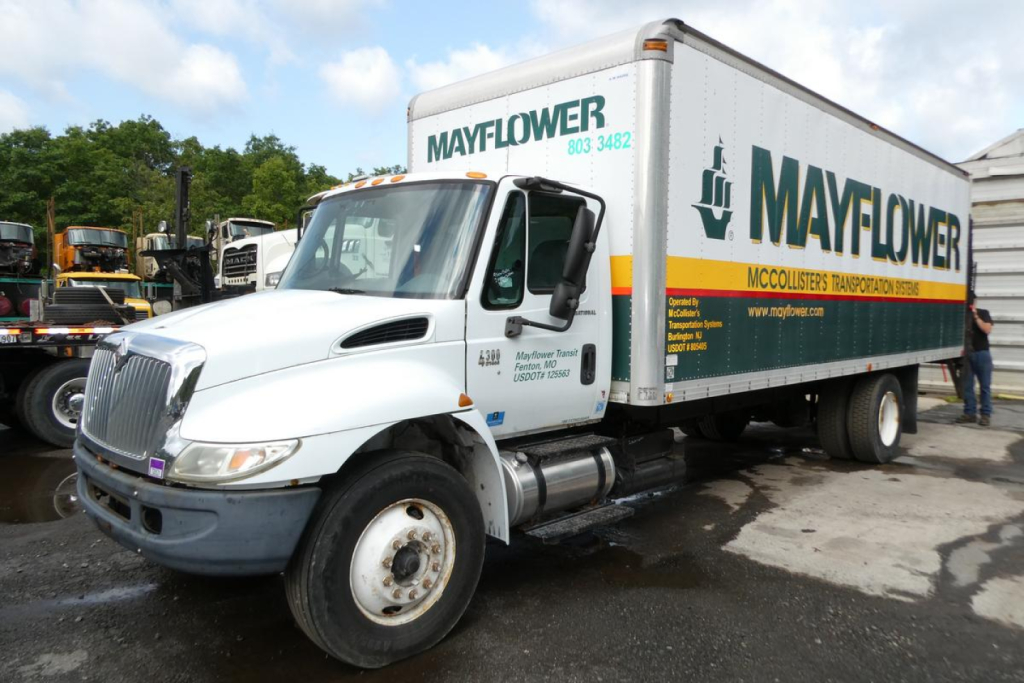

Selling a used 2006 box truck? List your used 2006 box truck for sale and reach thousands of commercial buyers.
Used 2006 Box Trucks in New York
The first decision is usually GVWR and box size. Many 2006 box trucks fall in the Class 5 through Class 7 range, commonly around 25,500 to 33,000 GVWR, with bodies from roughly 22 to 26 feet. A 25,500 GVWR truck can be attractive for operators trying to stay below CDL thresholds, but payload still depends on body weight, liftgate weight, axle ratings, and wheelbase. If the work involves pallets and dock loading, pay close attention to rear door opening height and width, floor type, and whether the body has logistics track, scuff liners, translucent roof panels, or side doors. For city work in New York, a shorter wheelbase and tighter cab-to-axle setup can make a real difference in alley access, backing, and curbside deliveries.
Powertrain and brake setup deserve close review on any 2006 model year. Common engines in this age range include medium-duty diesels from Mercedes, International, Cummins, and Caterpillar, paired with Allison automatics or 5-speed and 6-speed manual transmissions. Buyers should verify horsepower and rear axle ratio against the intended route profile, especially if the truck will run loaded in hilly areas or make frequent starts in traffic. Air brakes are common on heavier GVWR units, while lighter trucks may have hydraulic brakes. Wheel condition, 19.5-inch versus 22.5-inch rubber, spring versus air suspension, and single-frame condition all affect maintenance cost and long-term use. On an older box truck, the body can matter as much as the chassis, so inspect the front wall, roof bows, crossmembers, door frame, floor wear, and any evidence of water intrusion.
For buyers comparing multiple used 2006 box trucks, the best value usually comes from matching the truck to the route instead of just chasing the lowest price. A roll-up door is common for dock work, while swing doors can be better when full opening clearance is needed. A liftgate adds versatility for non-dock stops but reduces available payload and adds another hydraulic system to maintain. In New York service, rust exposure, frame condition, brake line condition, and underside corrosion should be checked carefully, especially on trucks that have seen winter road salt. A well-matched 2006 box truck can still be a dependable revenue unit if the chassis, body, and cargo access features line up with the job.
Frequently Asked Questions about Used 2006 Box Trucks in New York
What size box truck is most common for a 2006 model year?
Used 2006 box trucks commonly appear with bodies in the 22-foot to 26-foot range and GVWR ratings from about 25,500 to 33,000 pounds. That makes them suitable for local freight, moving, retail delivery, and service routes. The right size depends on payload needs, number of stops, dock access, and whether the operator wants to stay under typical CDL thresholds.
Do I need a CDL to operate a used 2006 box truck?
Many 2006 box trucks are spec'd at 25,500 GVWR, which is often chosen to stay below the 26,001-pound threshold associated with CDL requirements. Heavier units at 33,000 GVWR usually do require a CDL. Buyers should confirm the actual GVWR on the door tag and follow current federal, New York, and local licensing rules before purchase.
What should I inspect first on a used 2006 box truck?
Start with frame condition, rust, engine blow-by, transmission operation, brake type and wear, tire size and remaining tread, and any signs of fluid leaks. Then inspect the box itself for floor rot, roof leaks, damaged crossmembers, weak rear door hardware, and worn liftgate components if equipped. On older straight trucks, cargo body repairs can add up as fast as chassis repairs.
Is a liftgate worth having on a 2006 box truck?
A liftgate is valuable if the route includes residential delivery, jobsite drops, or stops without dock access. It improves flexibility and can reduce manual handling. The tradeoff is added weight, less payload, and more maintenance on the hydraulic system, platform, pins, and wiring, so it should match the actual delivery profile.
Why do axle ratio and wheelbase matter on a box truck?
Axle ratio affects launch performance, cruising RPM, and how the truck handles loaded city work versus faster road speeds. Wheelbase affects turning radius, body length options, and weight distribution. In dense New York operating conditions, the right wheelbase can make docking, backing, and street access much easier, especially on multi-stop urban routes.