
UD Box Trucks For Sale in New York
Shop UD box trucks for delivery, service, and local freight. Compare GVWR, body length, diesel engines, cab size, and door options.
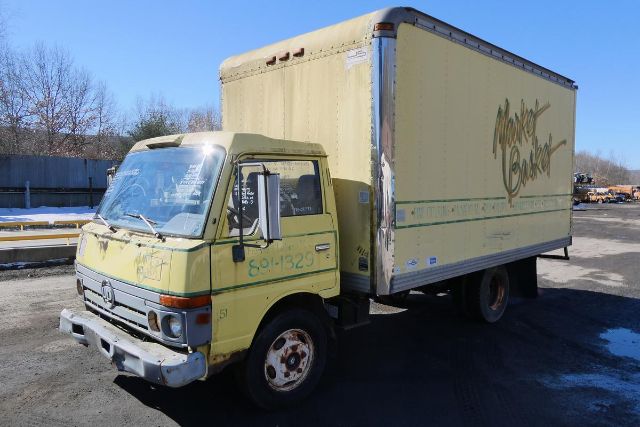
Selling a ud box truck? List your ud box truck for sale and reach thousands of commercial buyers.
UD Box Trucks in New York
Body size and payload are the first decisions to get right. Many UD box trucks in the used market carry bodies in the 12-foot to 18-foot range, though exact dimensions vary by wheelbase and cab-to-axle measurement. A shorter wheelbase is easier to place at loading docks and on narrow streets, while a longer body gives more cube for route density. Buyers should confirm inside box dimensions, rear door type, floor material, roof construction, and whether the truck has a liftgate. Roll-up doors are common for city delivery, and wood floors are still widely seen on older units because they are easy to repair.
On the chassis side, expect medium-duty diesel power, often paired with an automatic transmission in local delivery applications. Older UD trucks may use Nissan diesel engines with mechanical fuel systems, spring suspension, hydraulic brakes on lighter models, and 4x2 axle configuration. That simplicity can be a plus for buyers who want a straightforward truck for occasional use or low-mileage local work, but condition matters more than brand reputation on aging equipment. Brake system condition, frame rust, cab corrosion, electrical repairs, tire size availability, and parts support should all be checked closely, especially on Northeast trucks exposed to road salt.
A good UD box truck fit depends on matching the truck to the route. For stop-and-go delivery, look closely at door access, step-in height, visibility from the cab, and overall body length. For heavier cargo, verify GVWR, axle ratings, suspension condition, and actual payload after body and liftgate weight are accounted for. If the truck will operate in boroughs, older industrial zones, or tight retail alleys, turning radius and wheelbase can be more important than body volume alone. Buyers comparing used UD box trucks should treat service history, title status, and current roadworthiness as major value drivers, especially on older models where a low price can still hide brake, charging, lighting, or exhaust repairs.
Frequently Asked Questions about UD Box Trucks in New York
What are UD box trucks typically used for?
UD box trucks are commonly used for local delivery, route work, light moving, service operations, and dry freight that needs weather protection. Their typical strength is city and suburban work where a compact cab, medium-duty chassis, and enclosed cargo body make them easier to handle than larger straight trucks. Common applications include parcel delivery, furniture, appliances, vending, bakery routes, and municipal support duties.
What should I check first on an older used UD box truck?
Start with the basic roadworthiness items because they can change the real cost of the truck quickly. Check brake type and condition, frame rust, cab rust, tire condition, charging system performance, lights, exhaust, steering play, suspension wear, and any fluid leaks. On the body, inspect the floor, roof, crossmembers, rear frame, and door hardware. Also verify title status, VIN plate, odometer reading, and whether parts for the engine, brake system, and chassis are still practical to source in your area.
Are UD box trucks good for city delivery in New York?
Yes, many UD box trucks are well suited for city delivery because they are typically smaller, lighter, and easier to maneuver than larger medium-duty and heavy-duty straight trucks. A shorter wheelbase and moderate box length help with alley access, curbside stops, and tighter loading areas. In New York, buyers should balance maneuverability against cargo cube and pay close attention to rust, brake condition, and overall drivability due to stop-and-go use and Northeast corrosion exposure.
How do I choose the right box length on a UD truck?
Choose box length based on route density, loading conditions, and payload, not just maximum cargo space. A shorter box is usually better for tight urban routes, frequent backing, and dock access. A longer box increases cubic capacity but can reduce maneuverability and may change weight distribution depending on wheelbase and cab-to-axle dimensions. Confirm the body length, inside width, inside height, and rear axle placement so the truck matches the cargo you actually haul.
Do older UD box trucks usually have diesel engines and automatic transmissions?
Many older UD box trucks in the used market are diesel-powered, and a significant number were spec'd with automatic transmissions for local delivery work. Mechanical diesel engines can be attractive because of their relative simplicity, but age, maintenance history, and parts availability matter more than the transmission or fuel type alone. Buyers should verify engine model, horsepower, brake system design, and service records before judging suitability for daily use.