
Used Peterbilt Box Trucks For Sale
Browse used Peterbilt box trucks built for delivery, service, and route work, with medium-duty specs, durable bodies, and strong resale demand.
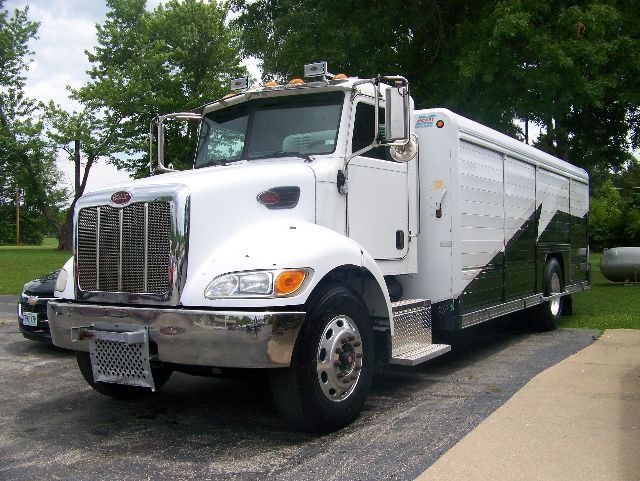
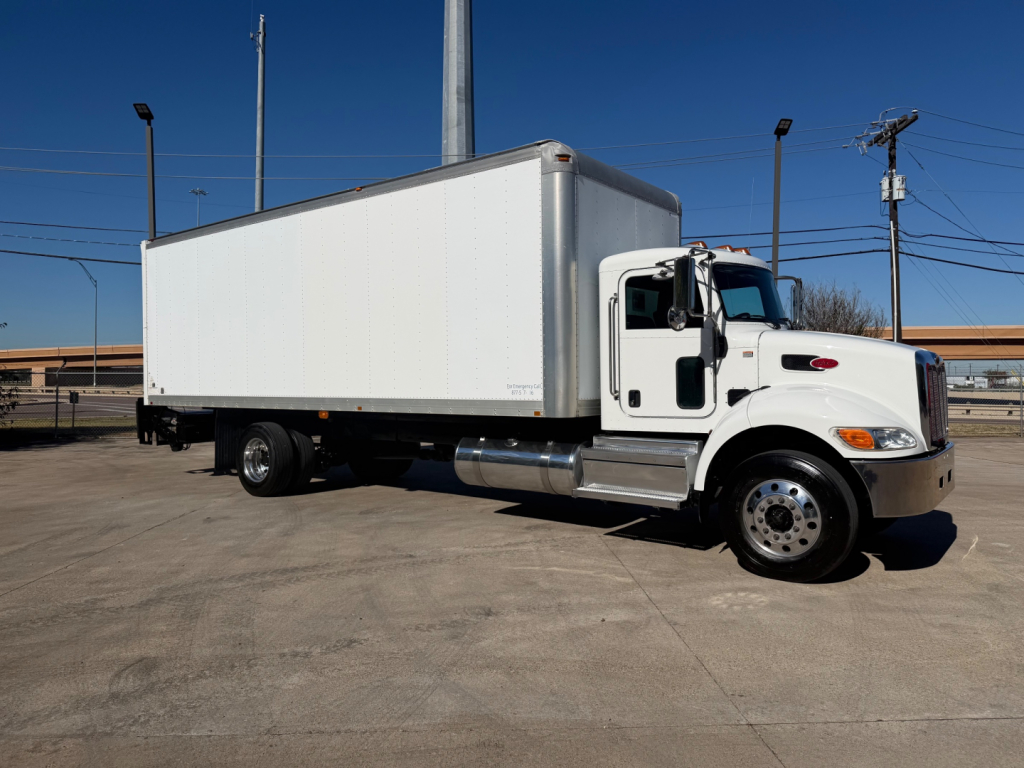
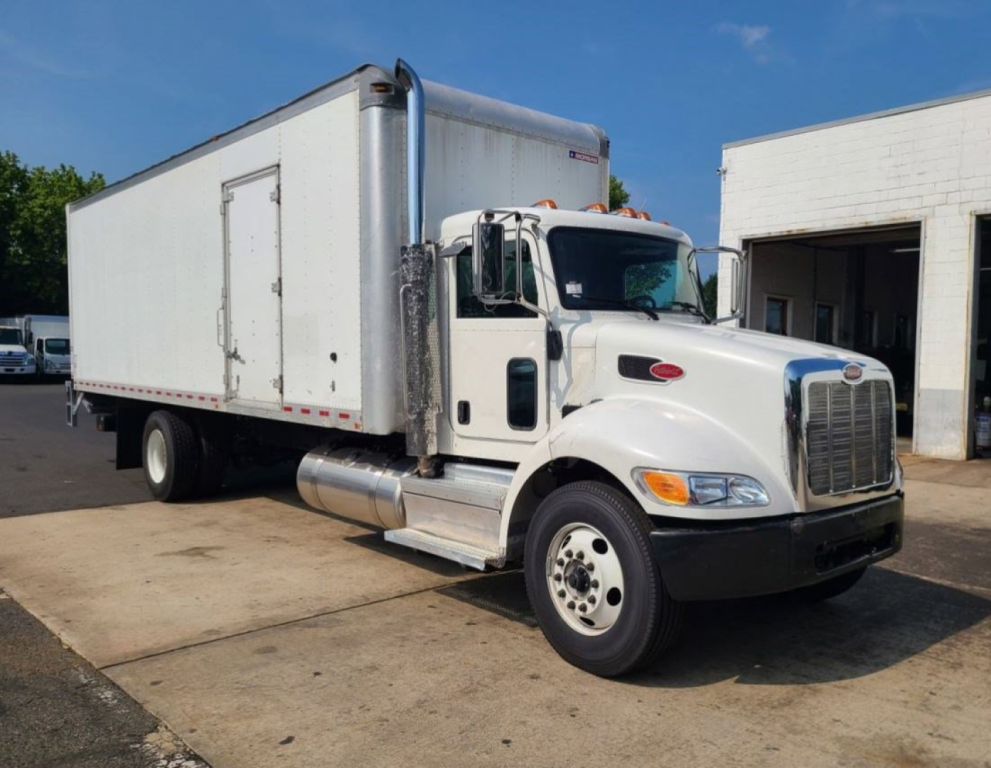
Selling a used peterbilt box truck? List your used peterbilt box truck for sale and reach thousands of commercial buyers.
Used Peterbilt Box Trucks
Body length, GVWR, and door configuration should drive the first round of decisions. Many used Peterbilt box trucks fall in the Class 6 to Class 7 range, often around 26,000 to 33,000 GVWR, with body lengths commonly running from 16 to 26 feet. A 20-foot body is a popular middle ground for urban and regional delivery because it balances cube capacity with maneuverability. Buyers should check for roll-up rear doors, side access doors, shelving, liftgates, E-track, translucent roof panels, and body construction details such as hardwood floors, aluminum crossmembers, and interior scuff liners. If the truck will handle route stops, confirm turning radius, step-in height, cargo access, and how the body layout supports hand unloading or palletized freight.
On the chassis side, used Peterbilt box trucks are frequently powered by medium-duty diesel engines from Cummins or PACCAR, paired with Allison automatic transmissions in many delivery applications. That combination is popular for stop-and-go work because it is easy to drive, durable in vocational service, and widely supported for parts and service. Axle ratings, rear gear ratio, brake type, and suspension matter more than many buyers expect. A higher numerical rear ratio can help a loaded truck get moving in city service, while air brakes may be preferred for heavier GVWR applications and fleet standardization. Tire size, wheelbase, and front axle capacity also affect body fit, payload distribution, and ride quality, especially when the truck carries shelving, parcels, tools, or dense freight.
Condition matters as much as spec on a used box truck because the cargo body can hide wear that does not show up in a basic walkaround. Check roof seams, front corners, floor softness, wall damage, door tracks, hinge wear, and any signs of water intrusion. On the chassis, pay attention to brake wear, steering play, suspension components, injector or aftertreatment history, and transmission shift quality. If the truck has been used for route delivery, expect higher idle time and frequent stop cycles even when mileage looks reasonable. A well-matched used Peterbilt box truck can be a productive local asset for years, but the best value usually comes from buying the right body, payload rating, and drivetrain combination for the actual route instead of buying only on price or brand.
Frequently Asked Questions about Used Peterbilt Box Trucks
What are used Peterbilt box trucks typically used for?
Used Peterbilt box trucks are commonly used for local and regional delivery, furniture and appliance transport, parcel routes, mobile service operations, and municipal or contractor support. Their enclosed cargo area protects freight from weather, and many trucks can be outfitted with shelving, liftgates, or walk ramps to match a specific job. The exact application usually depends on GVWR, body length, and cargo access features.
Which Peterbilt models are most common in the box truck category?
The Peterbilt 330, 335, and 337 are among the most common medium-duty models found with box bodies. These chassis are often spec'd for Class 6 or Class 7 work and can be found with diesel engines from Cummins or PACCAR and automatic transmissions from Allison. The model year and chassis rating will influence payload, body options, and emissions system complexity.
What should I check first on a used Peterbilt box truck?
Start with the body and the truck's intended payload. Check the box length, interior height, floor condition, roof seams, door operation, and any liftgate or shelving equipment. Then verify the chassis GVWR, axle ratings, wheelbase, engine and transmission pairing, and maintenance history. A clean cab and decent mileage do not make up for a damaged cargo box or a truck that is under-spec'd for the freight.
Is an automatic transmission common in a Peterbilt box truck?
Yes. Many used Peterbilt box trucks are equipped with Allison automatic transmissions because they suit stop-and-go delivery work and reduce driver fatigue. Automatics are especially common in urban routes, beverage delivery, service fleets, and applications with frequent starts and stops. They are generally easier to staff and train drivers on than manual transmissions in this category.
What GVWR range is typical for a used Peterbilt box truck?
Many used Peterbilt box trucks fall between 26,000 and 33,000 GVWR, although lighter and heavier configurations exist. A 26,000-pound GVWR truck can be attractive for operations that want to stay below CDL thresholds in some applications, while 33,000-pound trucks offer more chassis and payload capacity for heavier freight or larger bodies. The right rating depends on cargo density, route demands, and local operating requirements.