
Mitsubishi Fuso Box Trucks For Sale
Shop Mitsubishi Fuso box trucks with diesel power, low cab-over maneuverability, and 16-18 ft bodies for city delivery and service routes.
No exact matches found for your search
Showing Box Trucks instead.
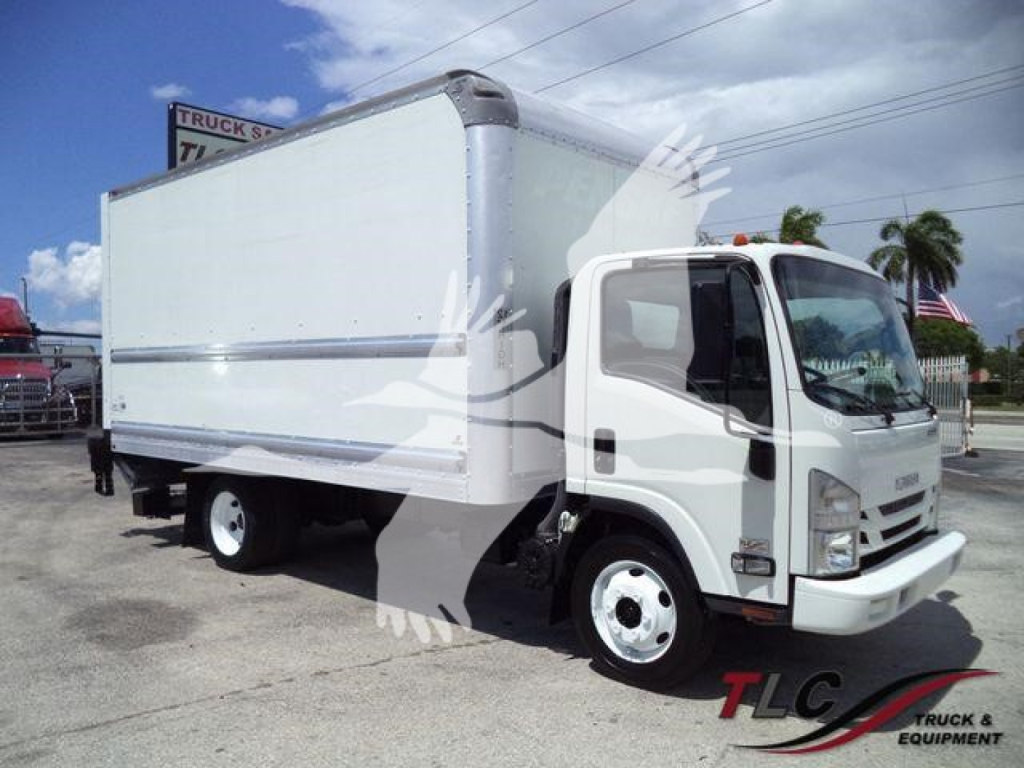
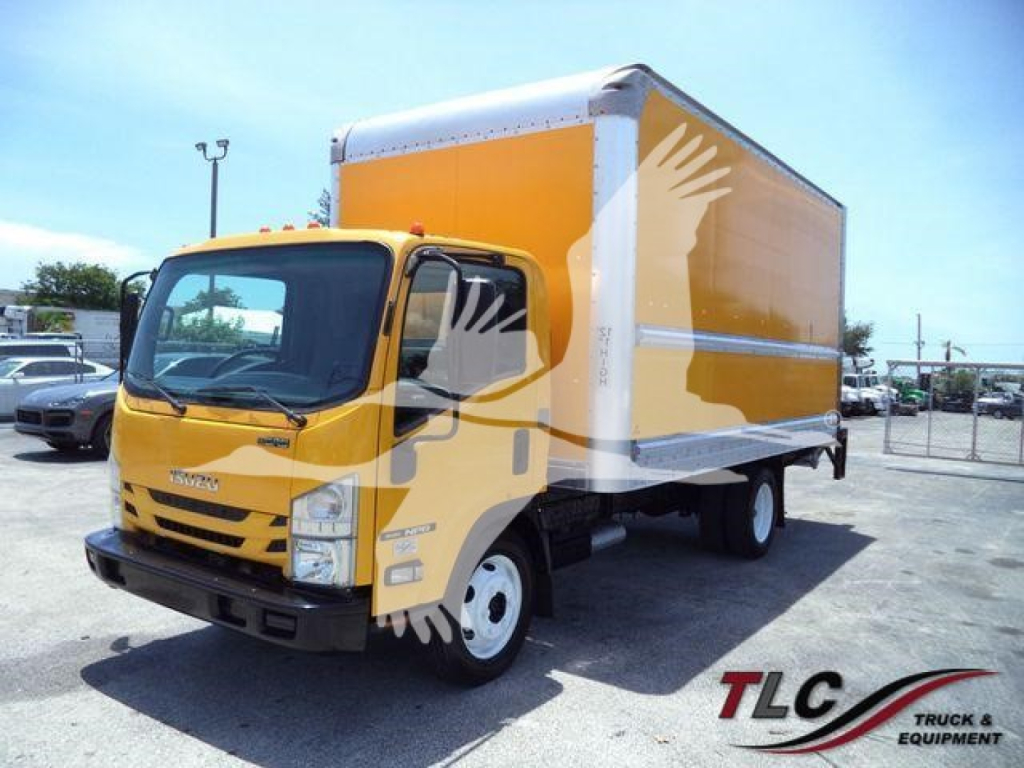
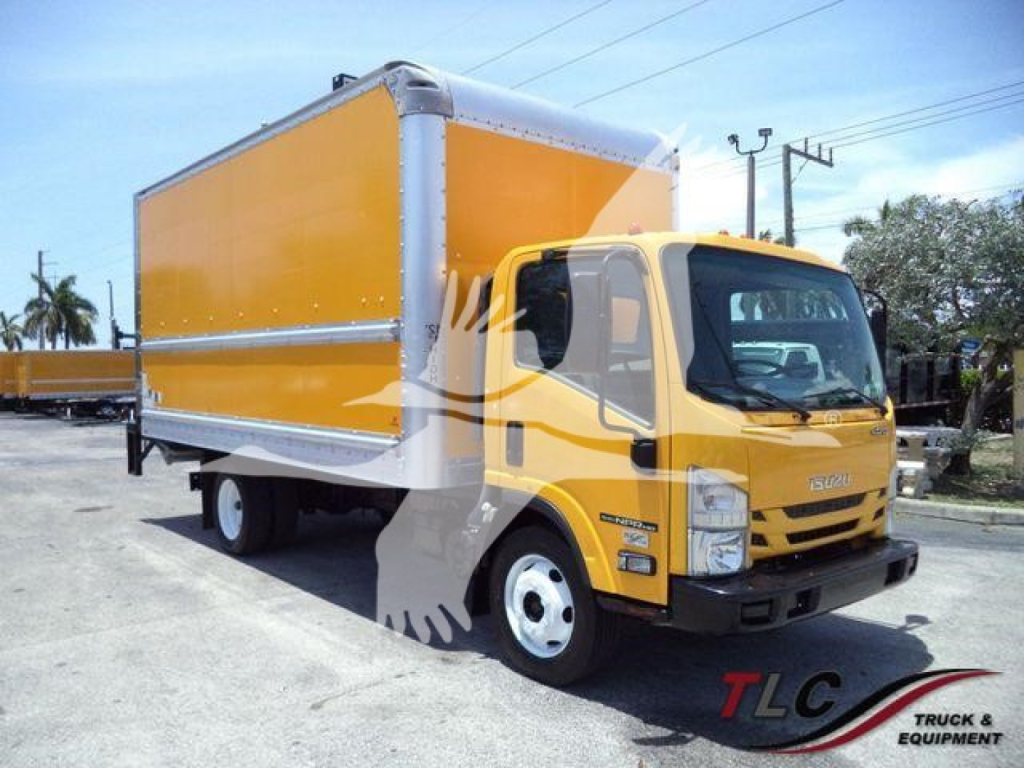
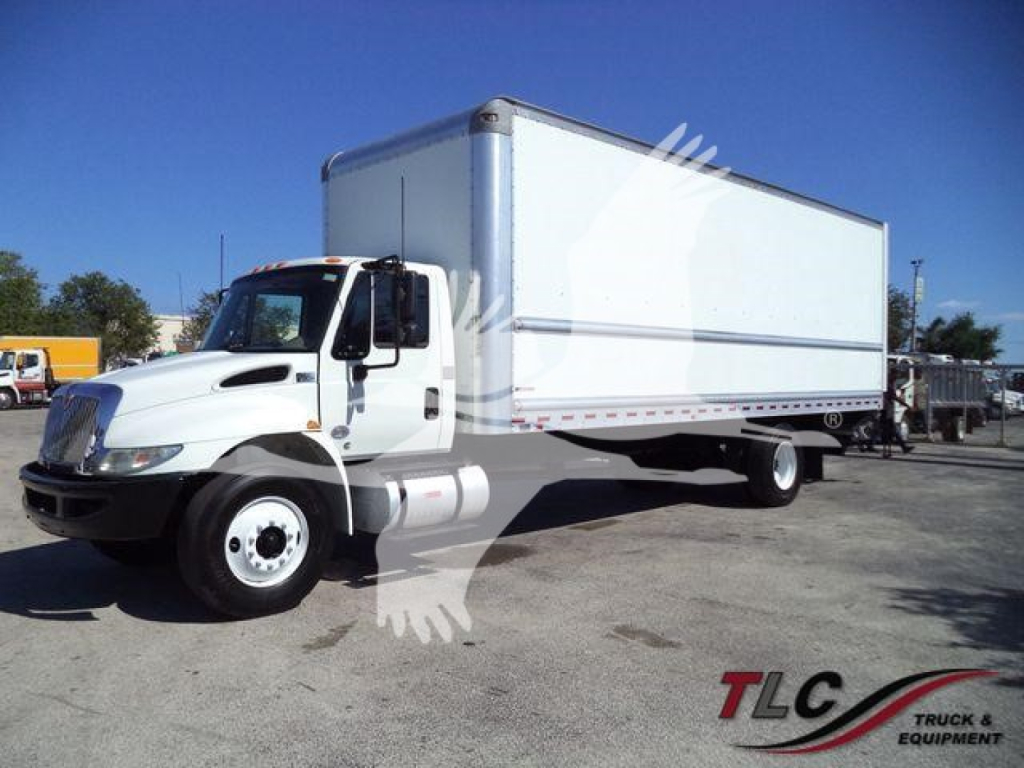
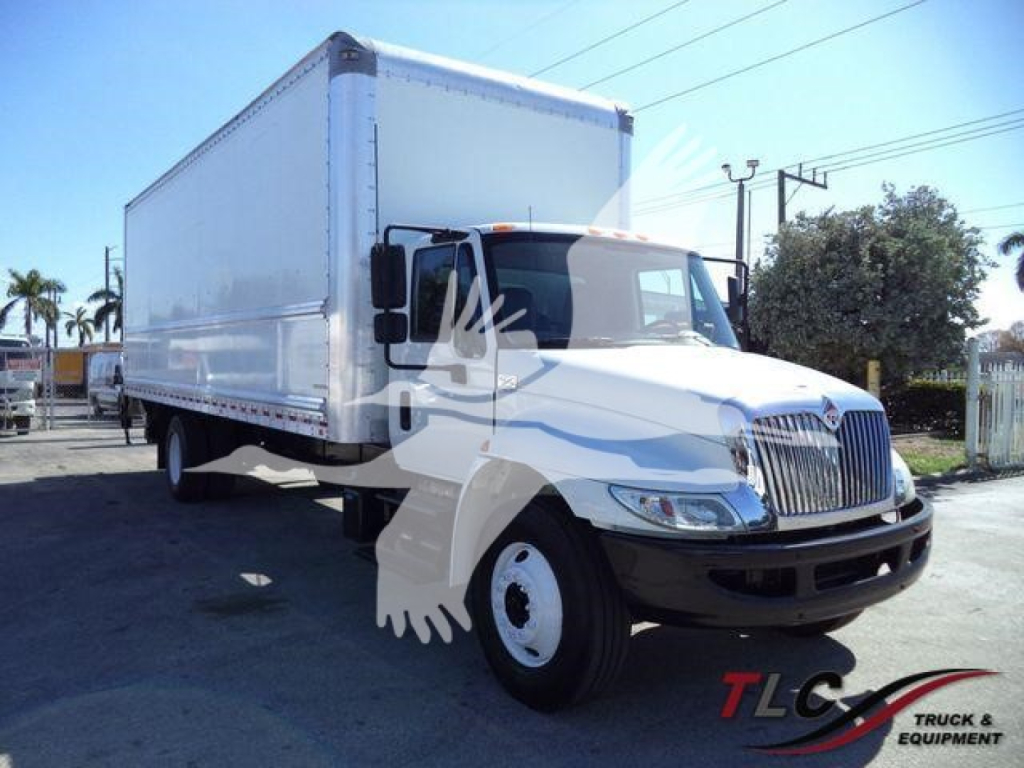
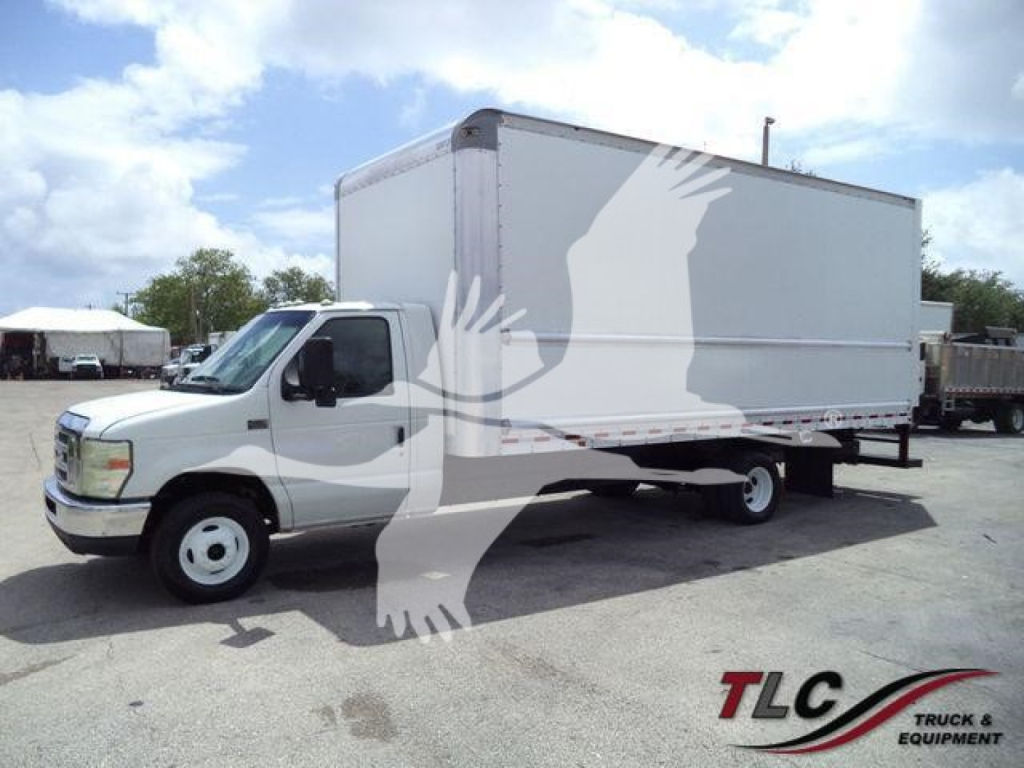
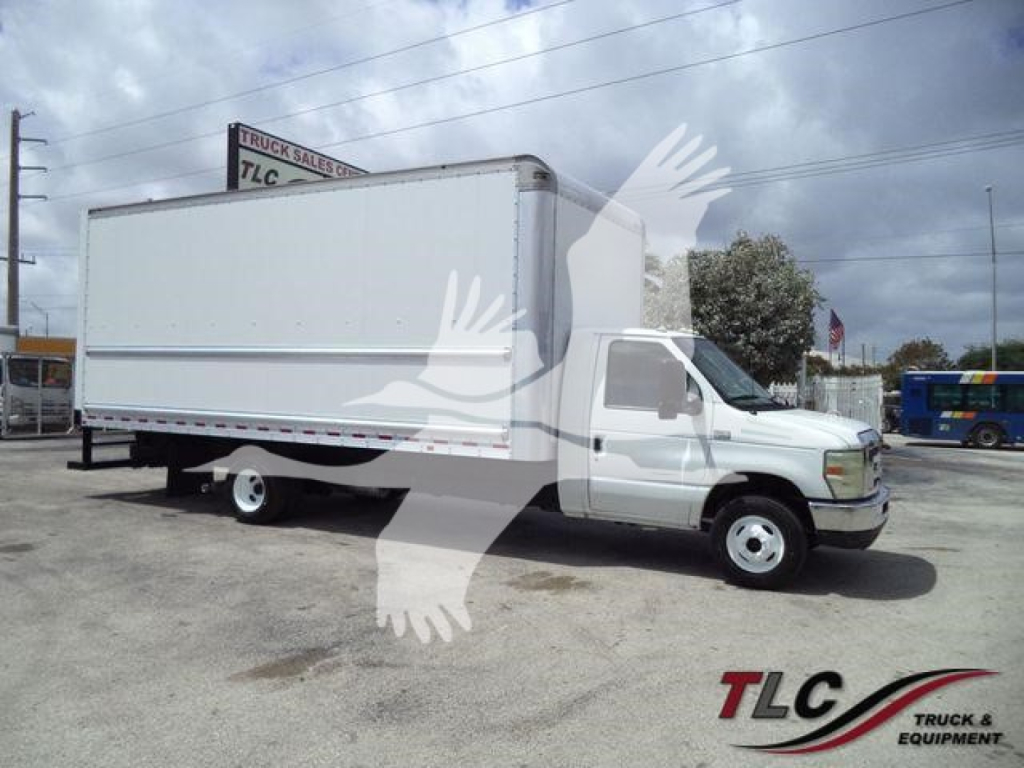
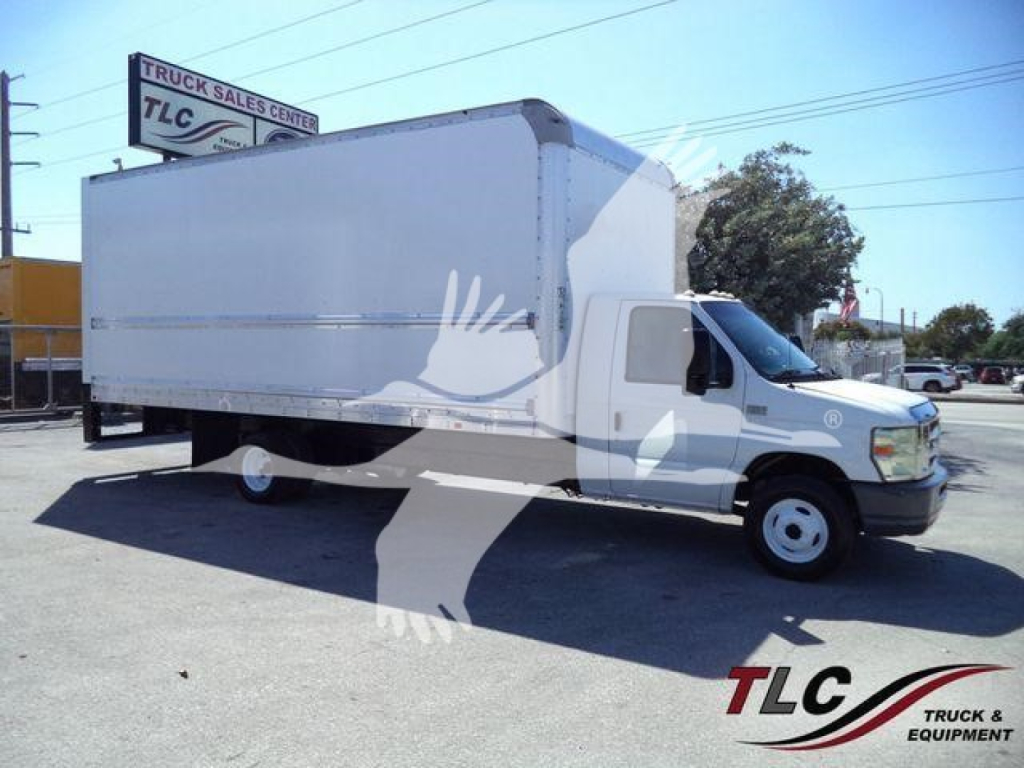
Showing 97 to 108 of 171 results
Have mitsubishi fuso box truck to sell? List it here to reach thousands of buyers.
Mitsubishi Fuso Box Trucks
Most used Mitsubishi Fuso box trucks in this class are 4x2 single-axle units with automatic transmissions, spring suspension, hydraulic disc brakes, and 17.5-inch rubber. Common wheelbases are in the 150 to 170 inch range, with box bodies typically 8 feet wide and set up with a roll-up rear door. Many are spec'd with wood floors, steel rear frames, and translucent or aluminum roofs. Liftgates are common on delivery units, especially for beverage, appliance, office, and final-mile freight. On later diesel models, expect emissions equipment including DEF systems and charge-air cooling, so service history on the aftertreatment, turbo, and fuel system is worth checking closely.
Engine choice and maintenance condition matter more than badge familiarity on these trucks. Mitsubishi Fuso models from this era may be equipped with 3.0L or 4-cylinder diesel platforms, and buyers should pay attention to cold-start behavior, oil consumption, turbo response, regeneration history, and transmission shift quality. Hydraulic brakes can be an advantage for operators who want easier maintenance and familiar stop-and-go performance, but brake condition still needs a close inspection because delivery trucks live hard lives. Review cab-to-axle and cab-to-end dimensions before comparing listings, since those numbers tell you what body size and liftgate setup the chassis was designed to carry.
A good Mitsubishi Fuso box truck fits routes where turning radius, payload efficiency, and body access are more important than heavy vocational capacity. They are commonly used in parcel delivery, furniture hauling, bakery distribution, retail replenishment, and light moving applications. The best buying decision usually comes down to matching body length, door opening, liftgate rating, and GVWR to the freight you actually handle every day. If your work involves repeated curbside deliveries and limited parking space, a Fuso cab-over can be a very practical alternative to a larger conventional straight truck.
Frequently Asked Questions about Mitsubishi Fuso Box Trucks
What are Mitsubishi Fuso box trucks best used for?
Mitsubishi Fuso box trucks are best suited for urban and regional delivery work where tight turning, short overall length, and easy dock access matter. Common applications include parcel routes, bakery and beverage delivery, furniture and appliance transport, retail store replenishment, and light moving work. Their cab-over layout makes them especially useful in congested city environments where a conventional straight truck can be harder to position.
Do Mitsubishi Fuso box trucks usually fall under non-CDL weight ratings?
Many Mitsubishi Fuso box trucks are spec'd at 15,995 lb or 17,995 lb GVWR, which keeps them under the 26,001 lb CDL threshold in most standard applications. That makes them attractive for fleets and owner-operators who want to expand delivery capacity without requiring a CDL driver for every route. Buyers still need to confirm the door sticker GVWR and account for body weight, liftgate weight, and payload needs before assuming a truck is the right fit.
What should I inspect first on a used Mitsubishi Fuso box truck?
Start with the engine and emissions system, then move to the transmission, brakes, and box body. On diesel Fuso trucks, pay close attention to turbo condition, oil consumption, DEF system operation, regeneration history, and any warning lights. After that, inspect the roll-up door, floor condition, roof, body mounts, liftgate operation if equipped, and the cab-to-axle dimensions to make sure the truck is correctly matched to the body and cargo requirements.
Why do buyers choose a cab-over box truck instead of a conventional box truck?
The main reason is maneuverability. A cab-over design places the cab above the engine, which reduces the truck's overall length and improves turning radius without giving up body space. That layout helps drivers work tight docks, narrow streets, alleys, and crowded commercial areas more efficiently. For stop-and-go delivery routes, that packaging advantage can be more valuable than the longer hood and wider service network often associated with conventional chassis.