
Used Isuzu Box Trucks For Sale
Shop used Isuzu box trucks with popular NPR HD, NQR, and FTR specs, dry van bodies, liftgates, and proven medium-duty delivery capability.
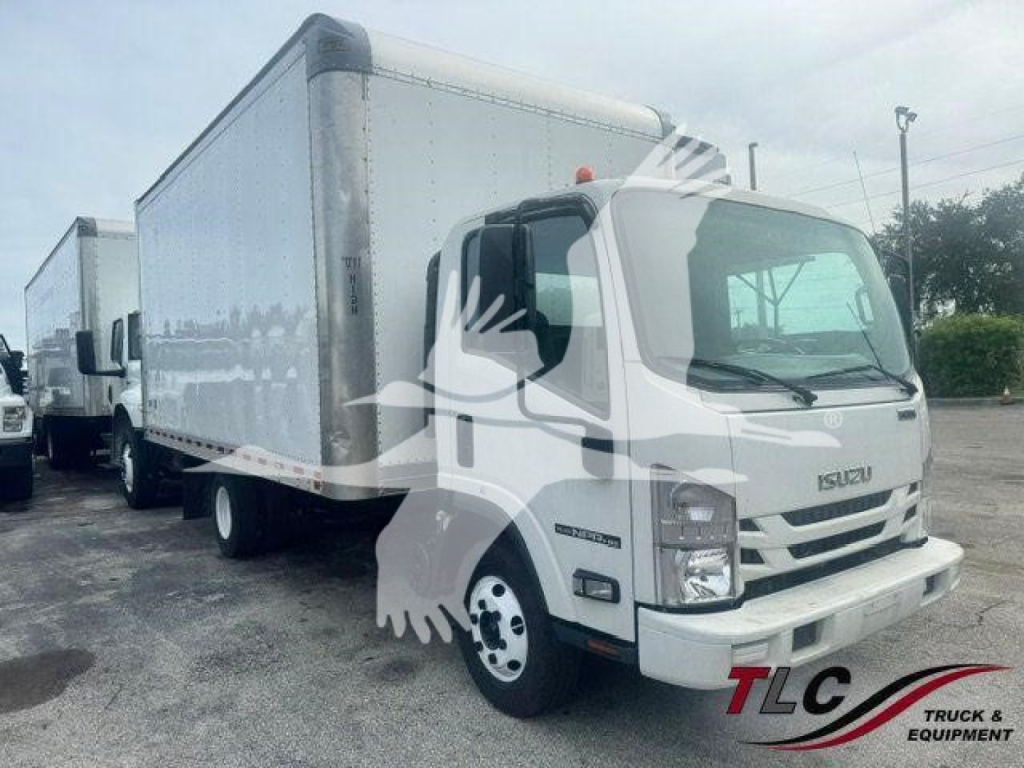
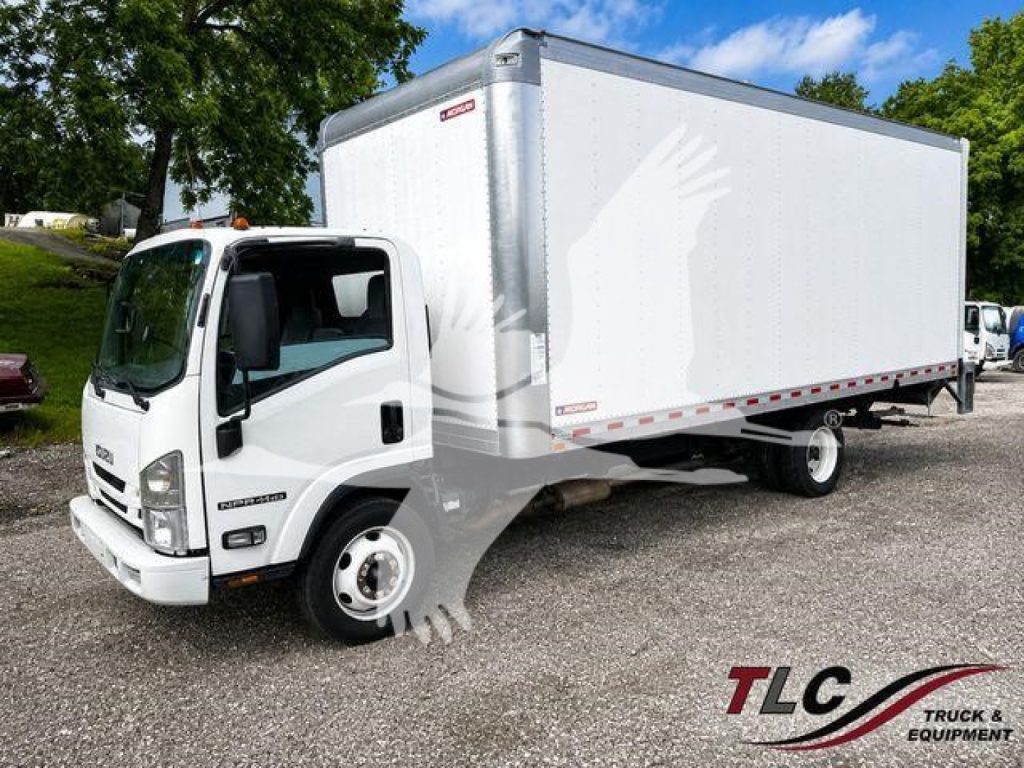
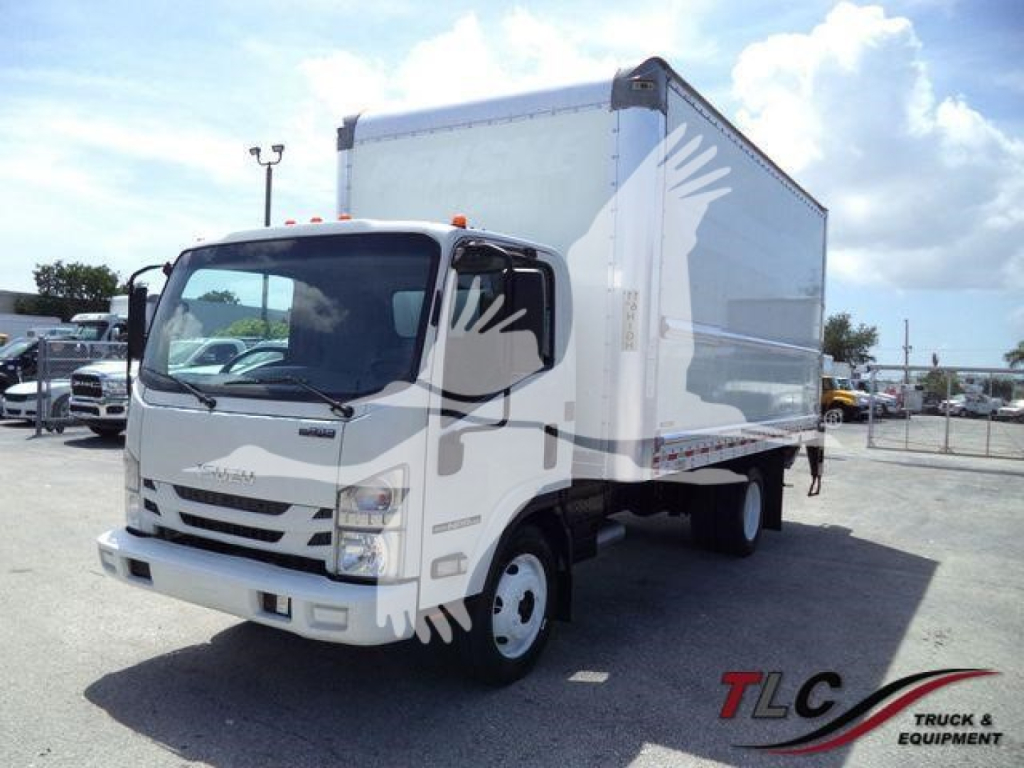
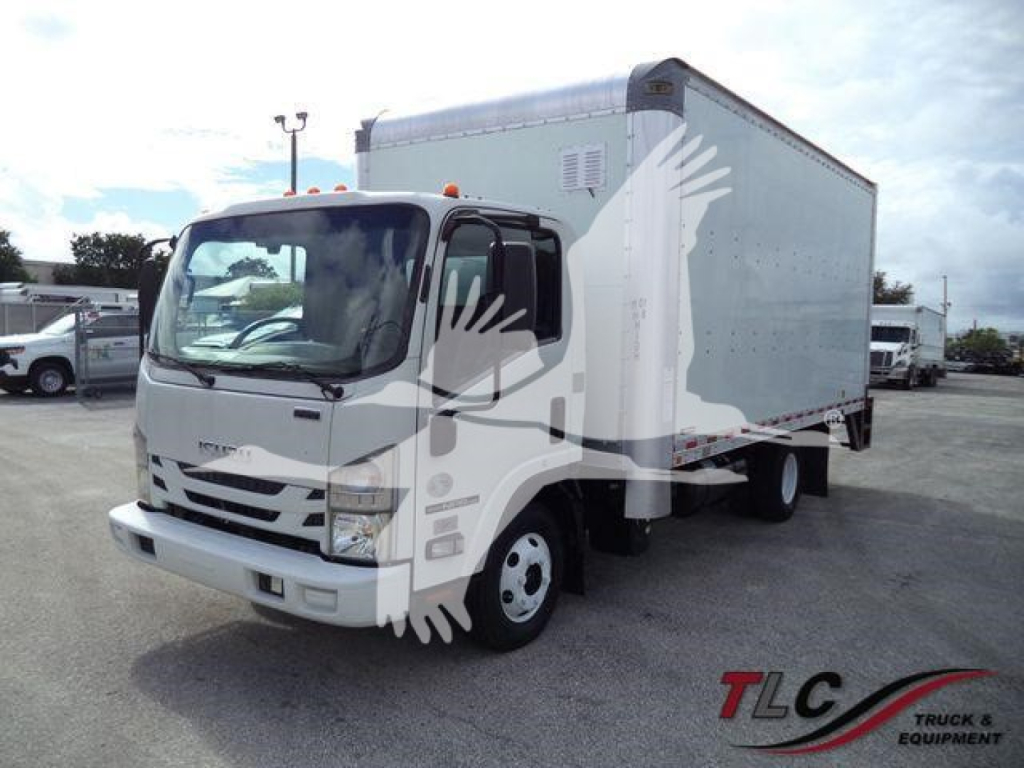
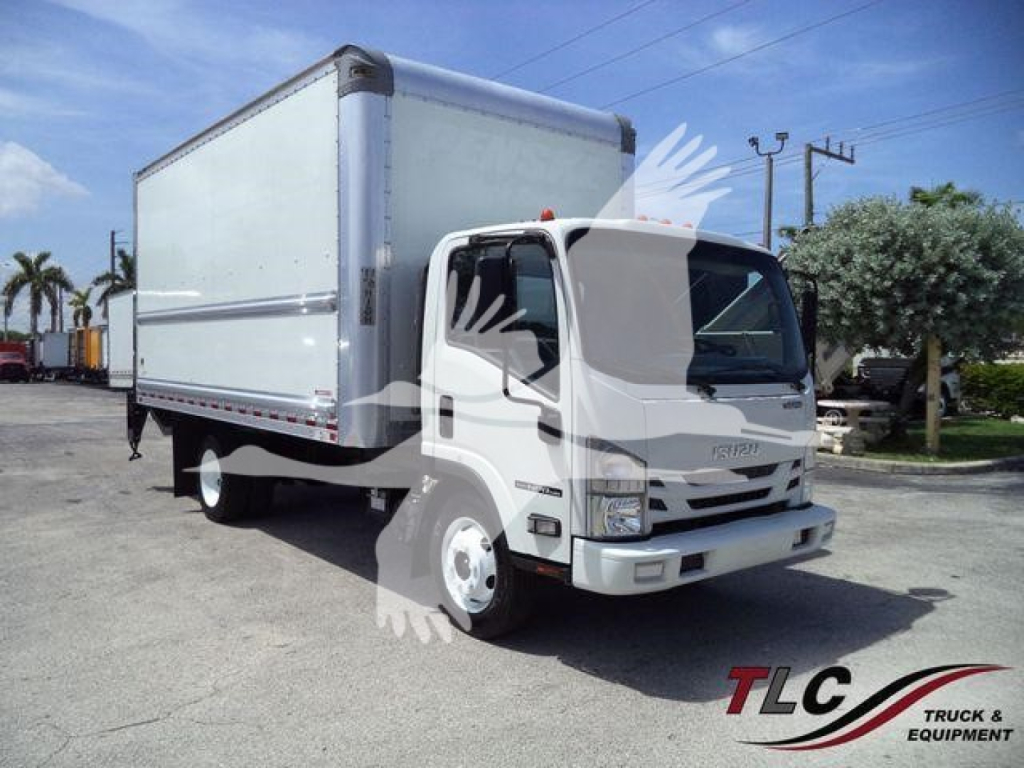
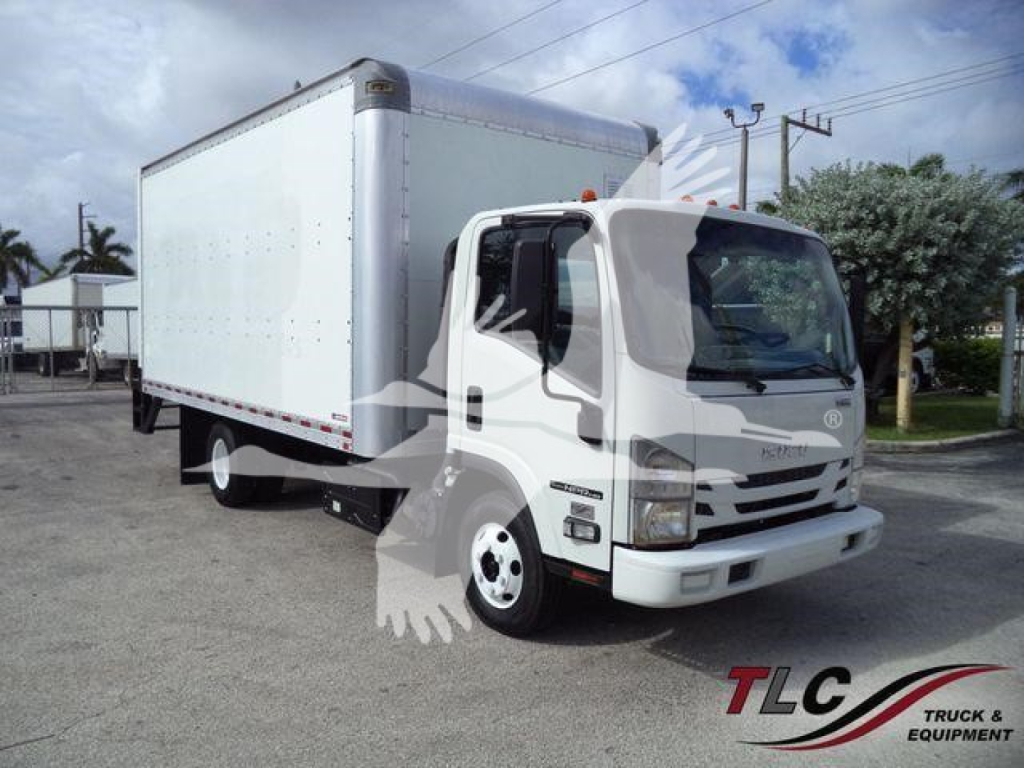
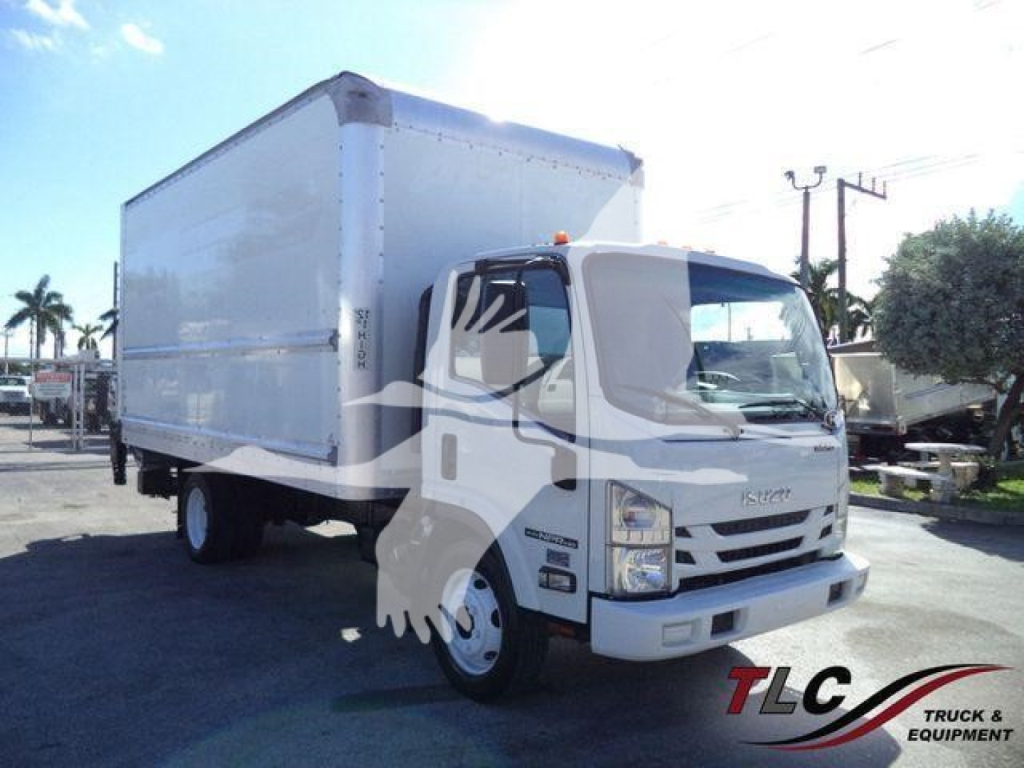
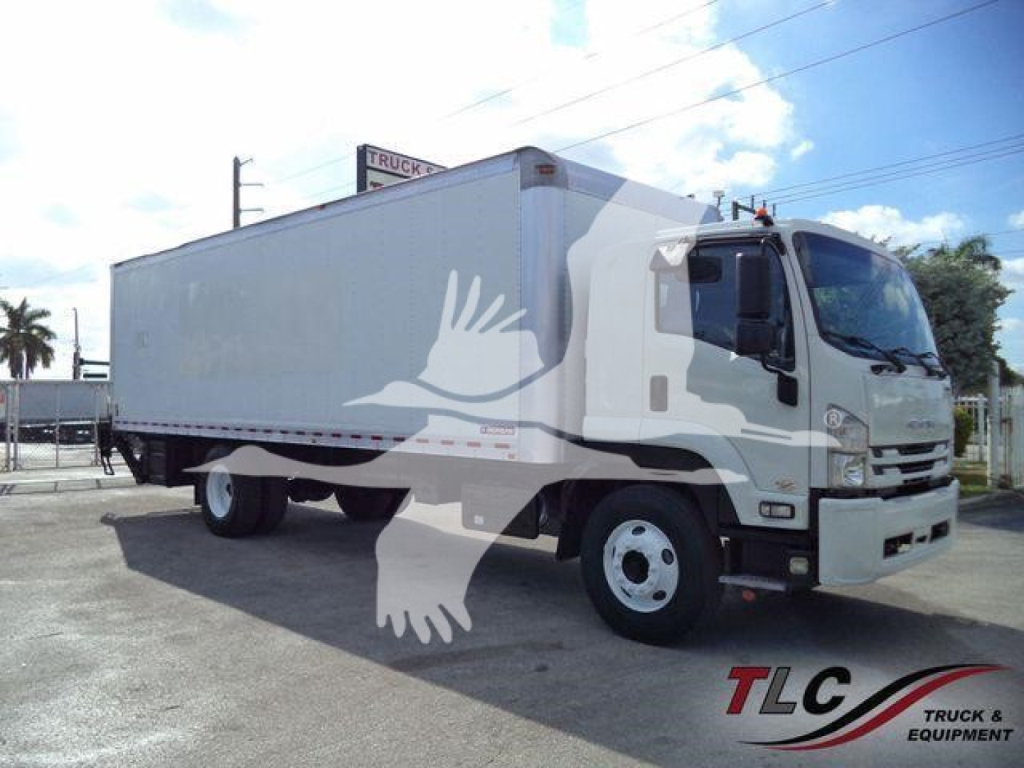
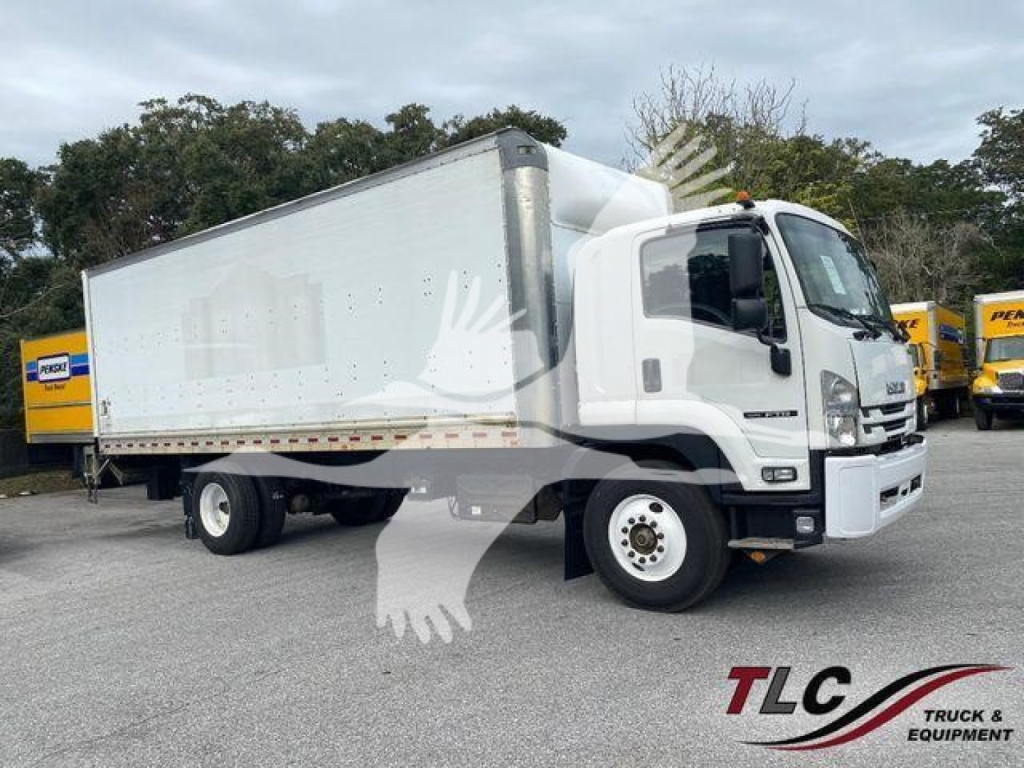
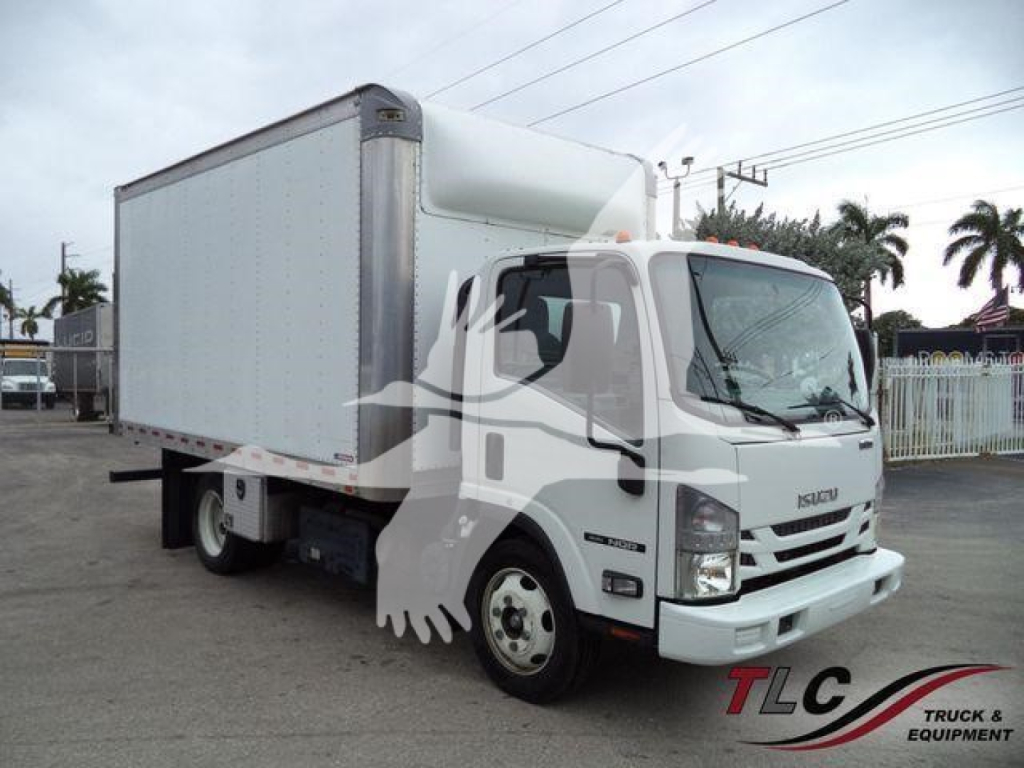
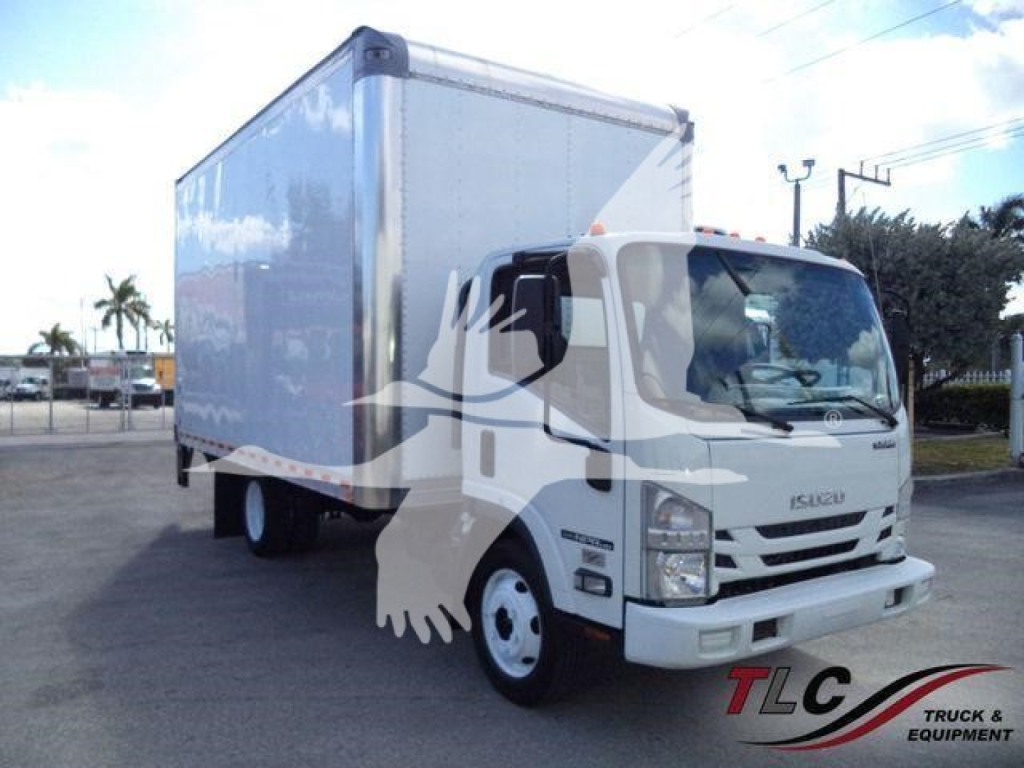
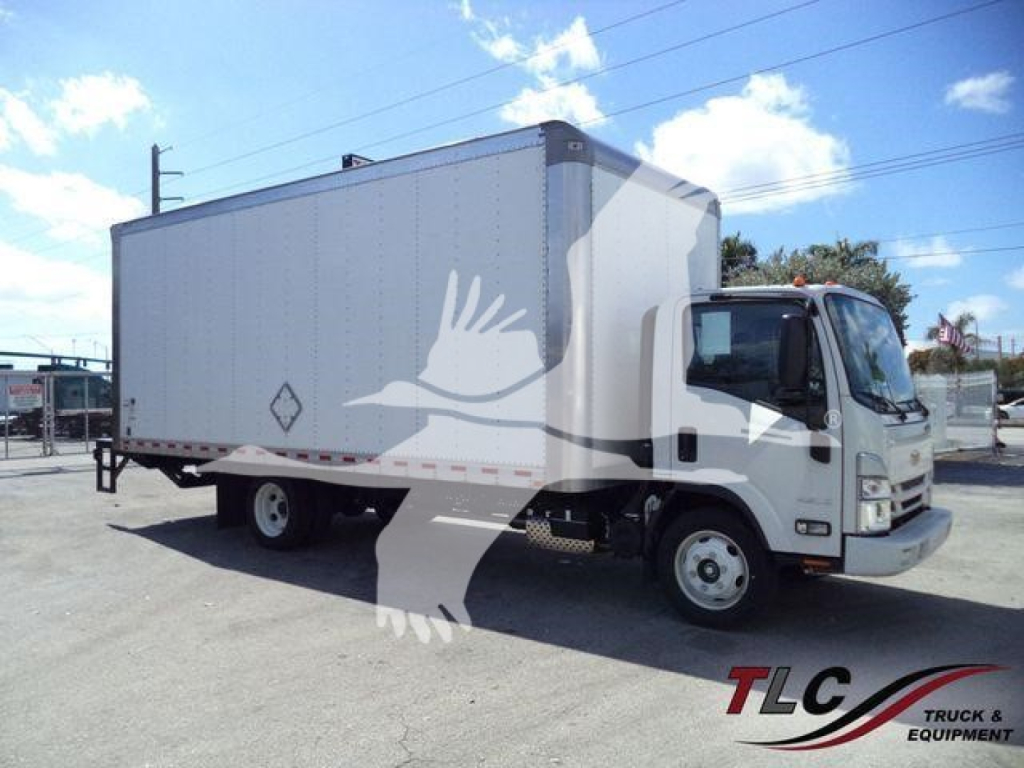
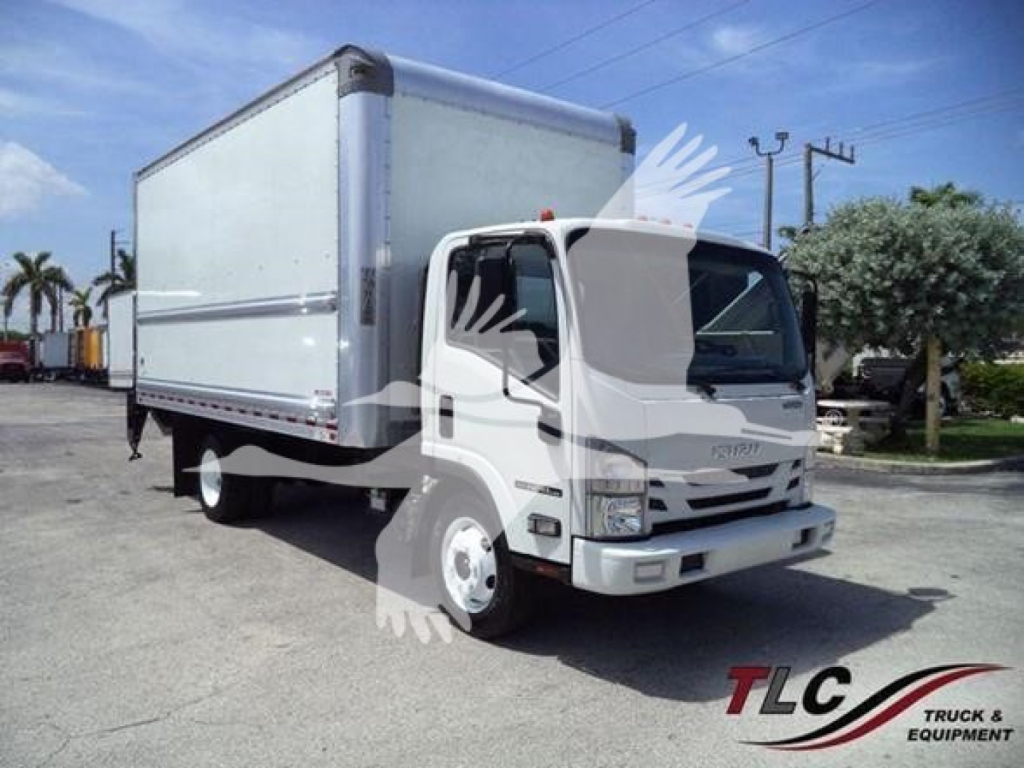
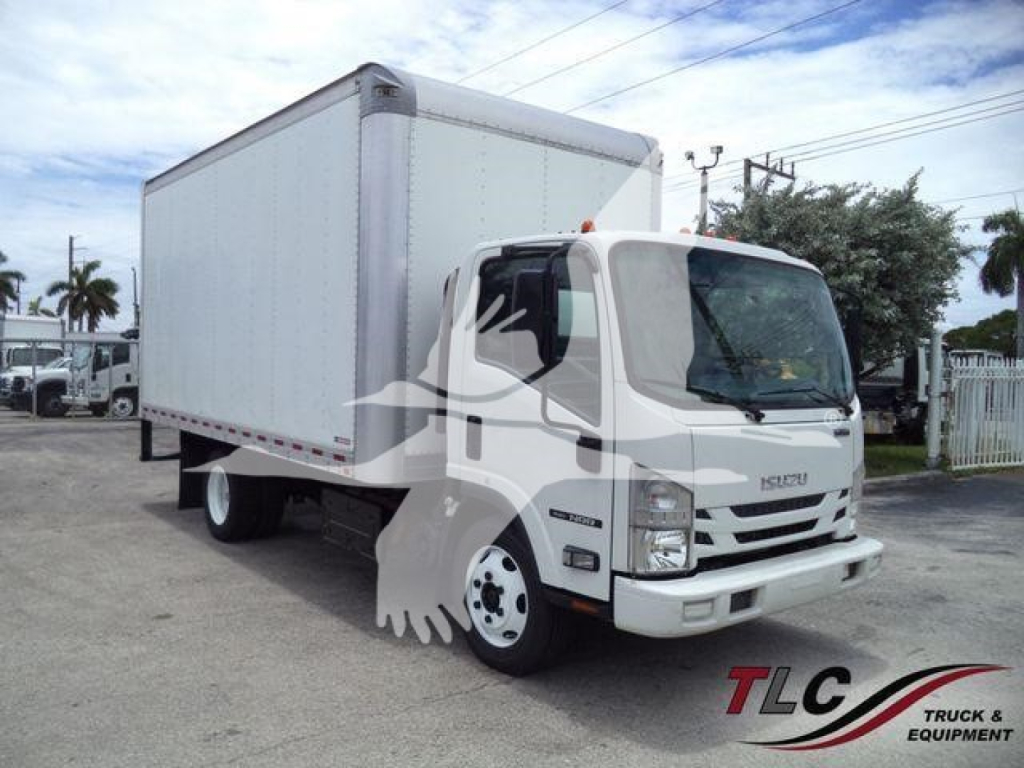
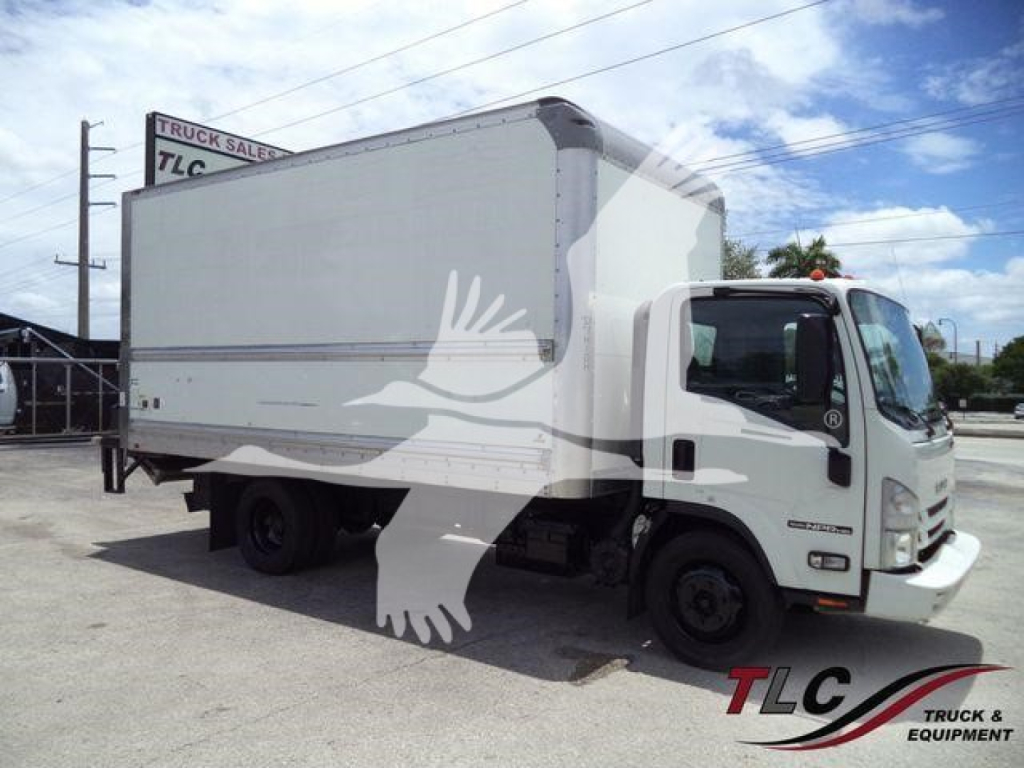
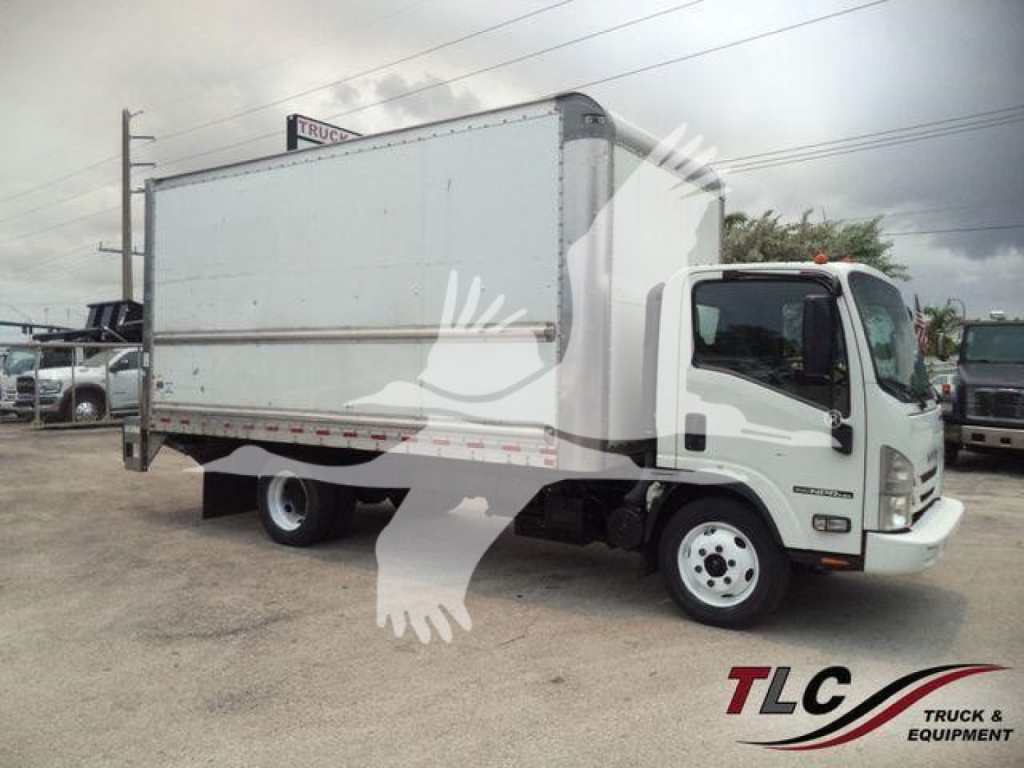
Showing 1 to 28 of 44 results
Selling a used isuzu box truck? List your used isuzu box truck for sale and reach thousands of commercial buyers.
Used Isuzu Box Trucks
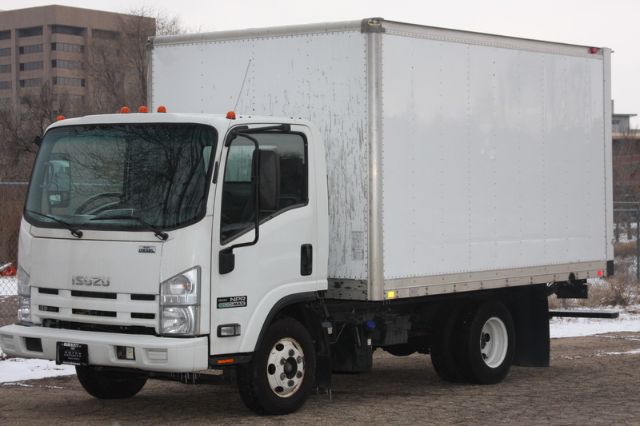
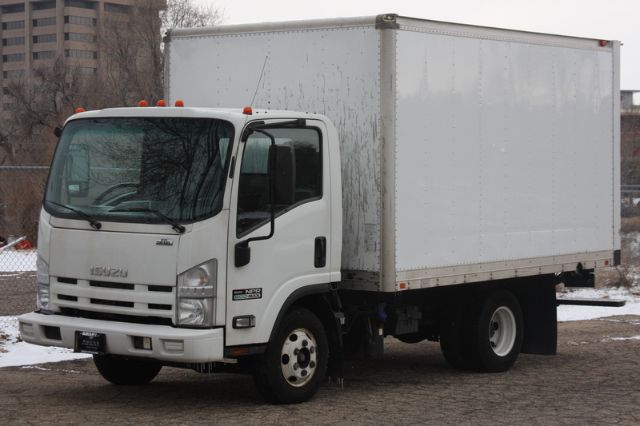
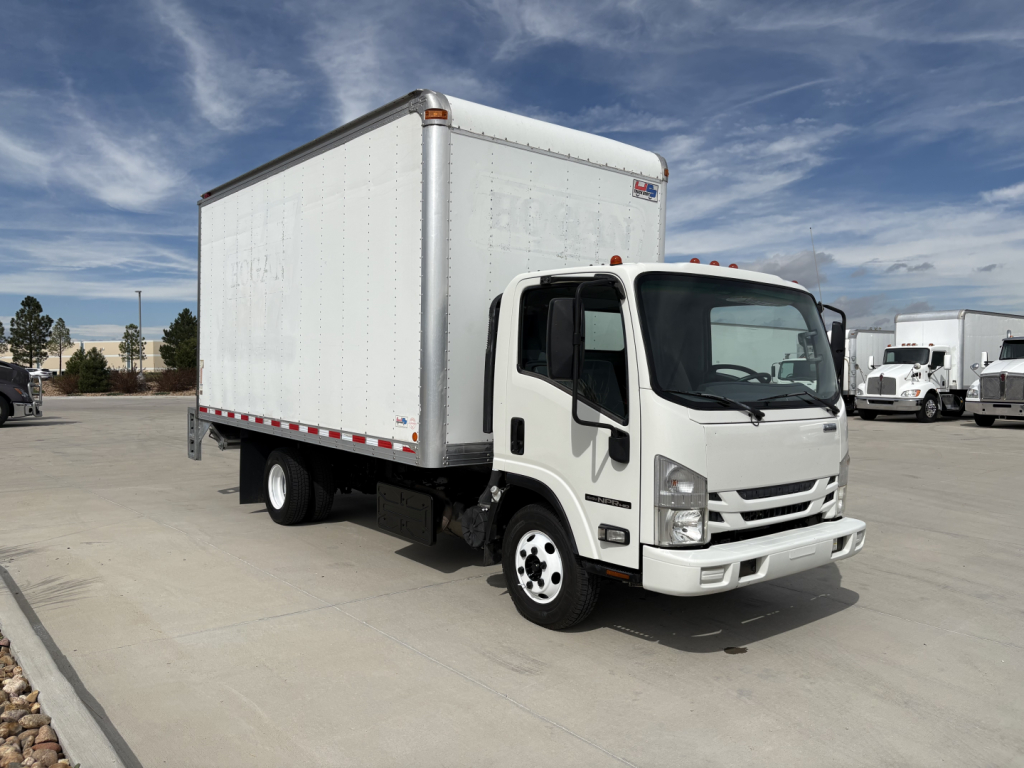
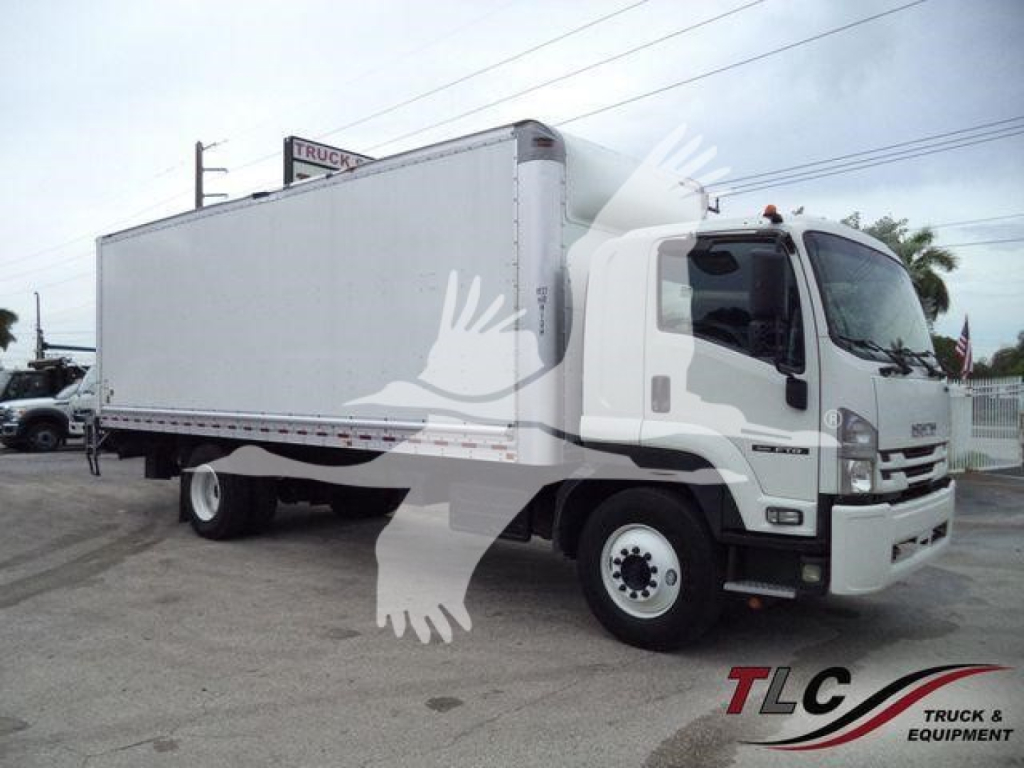
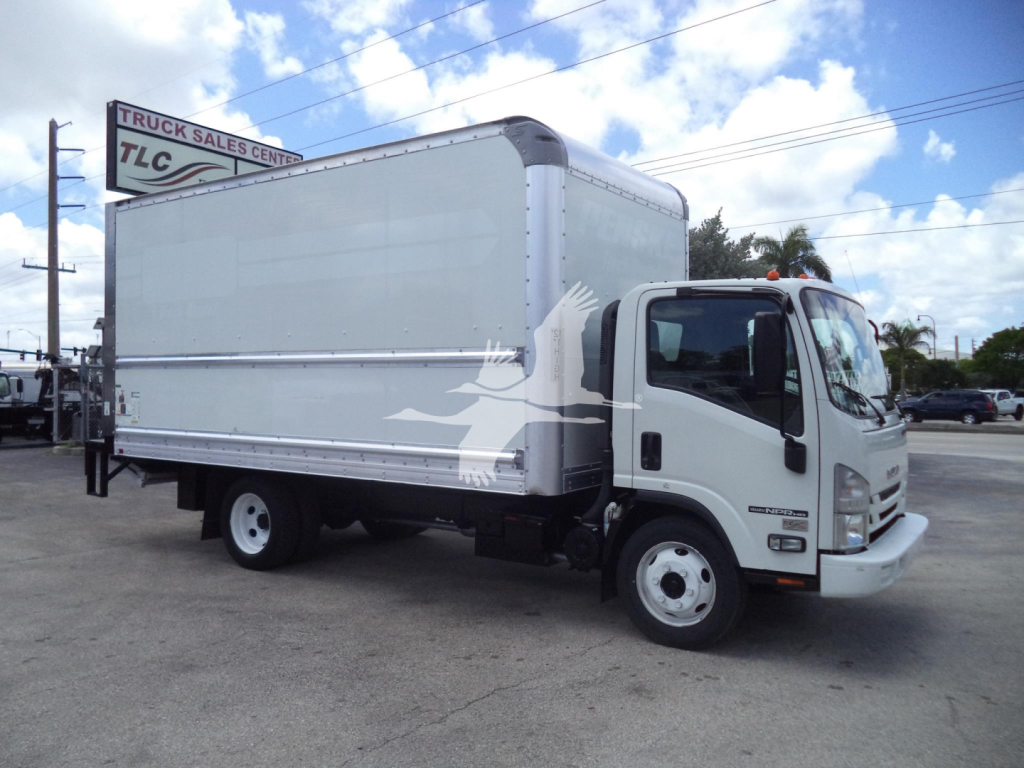
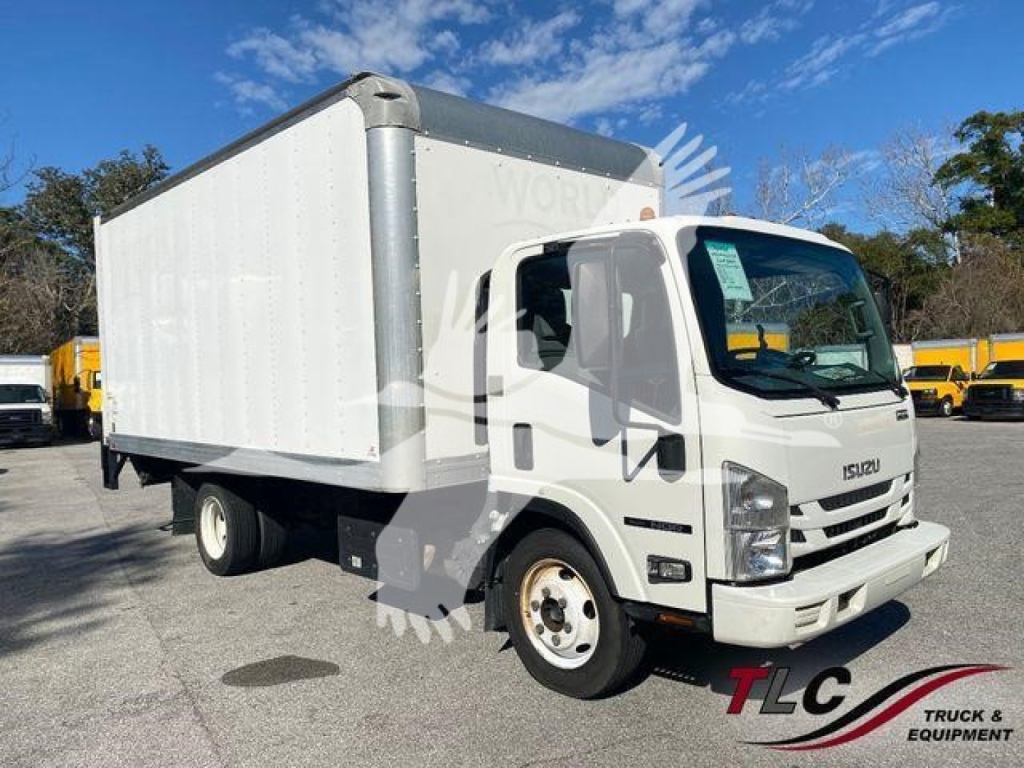
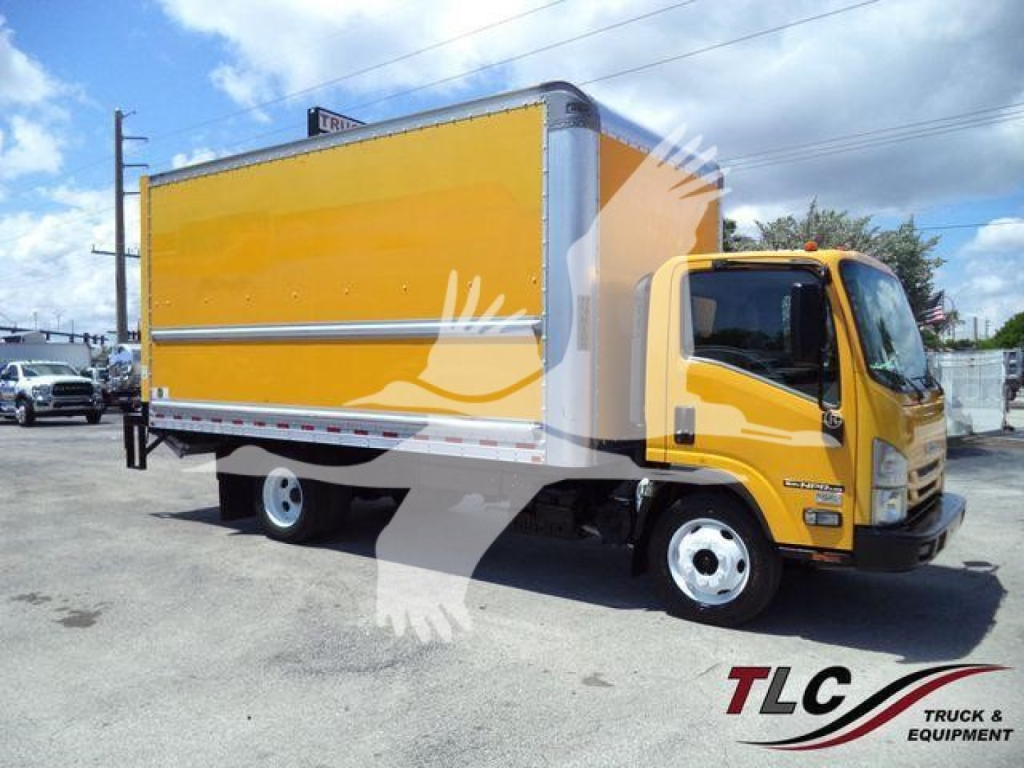
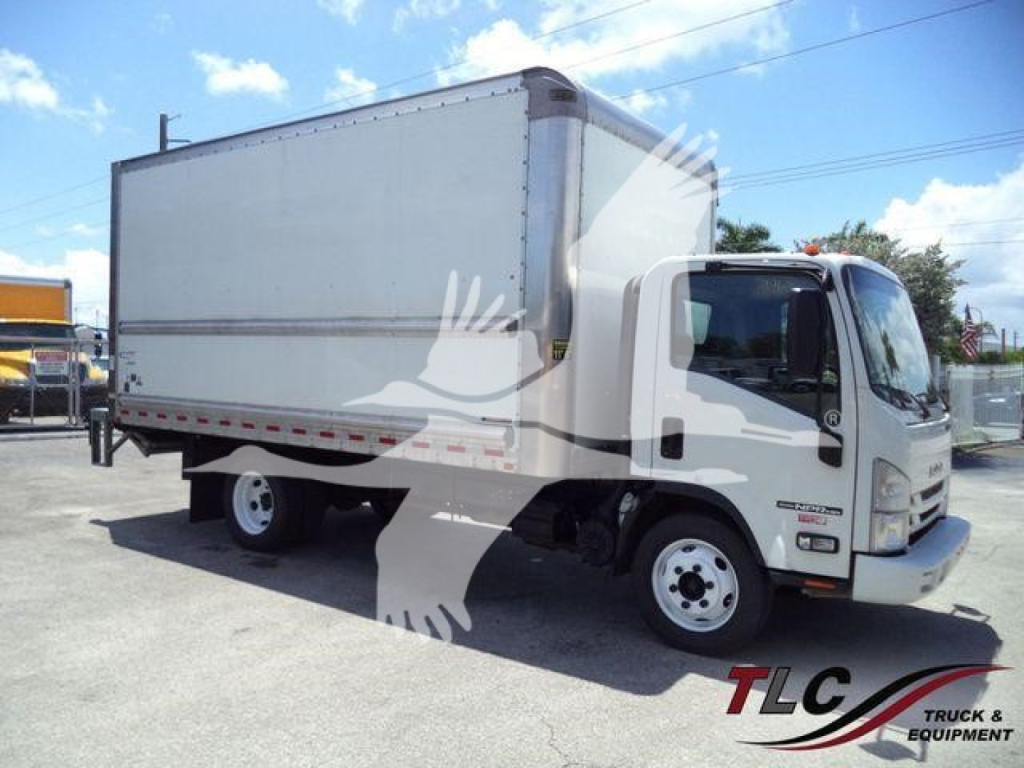
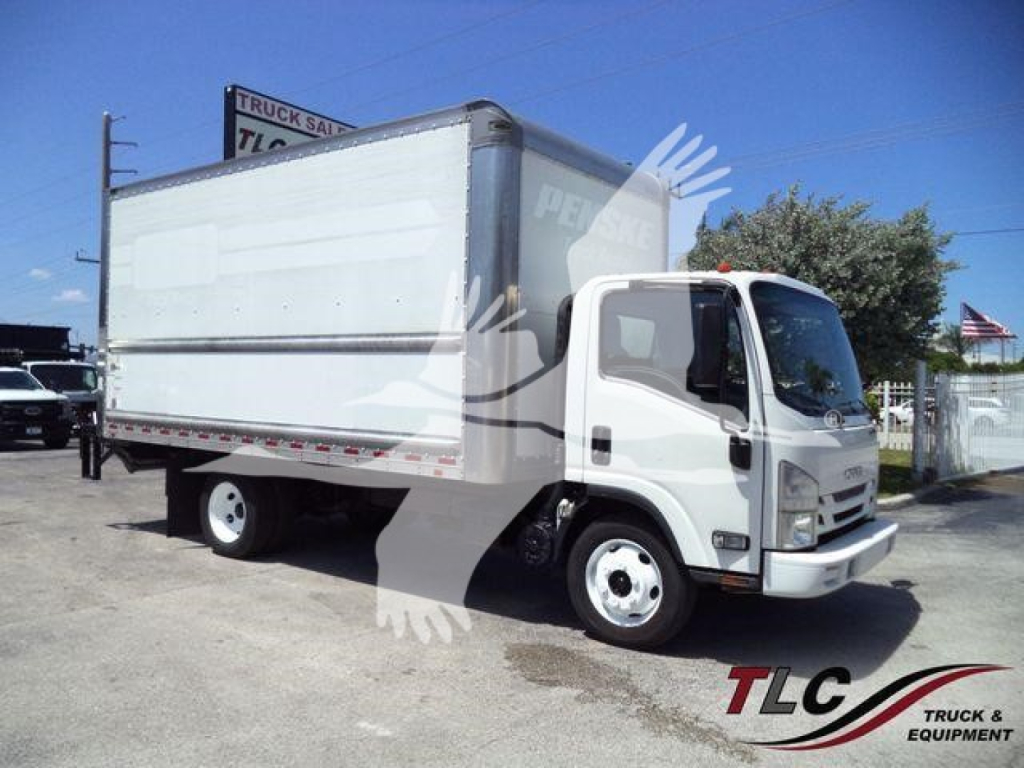
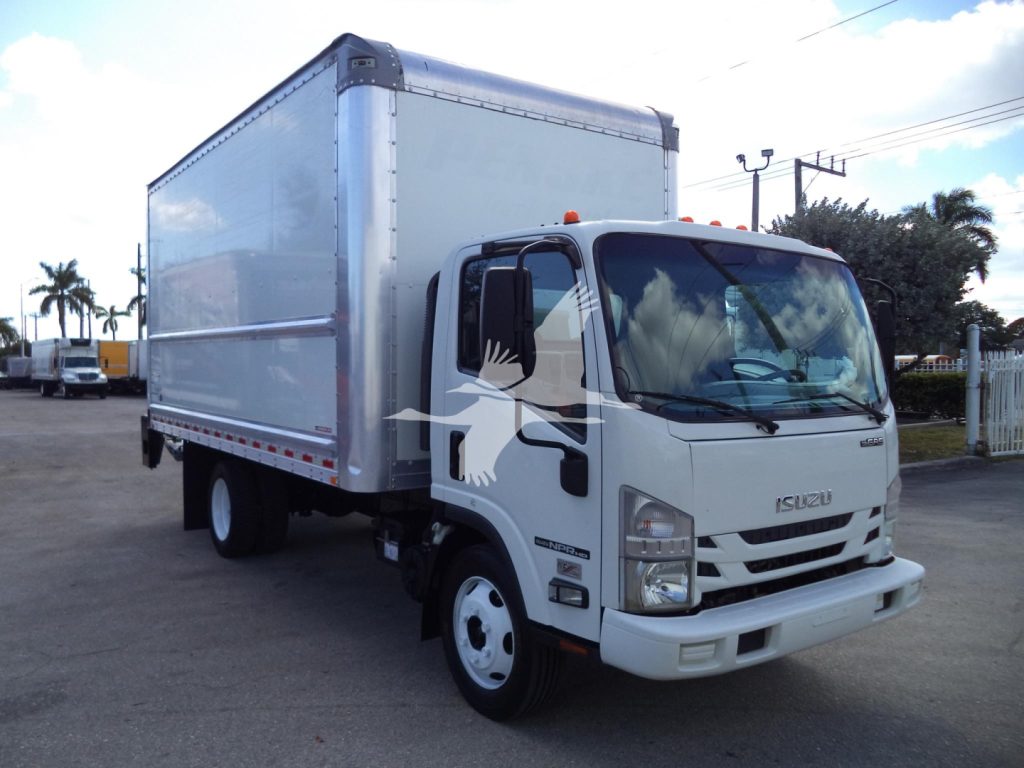
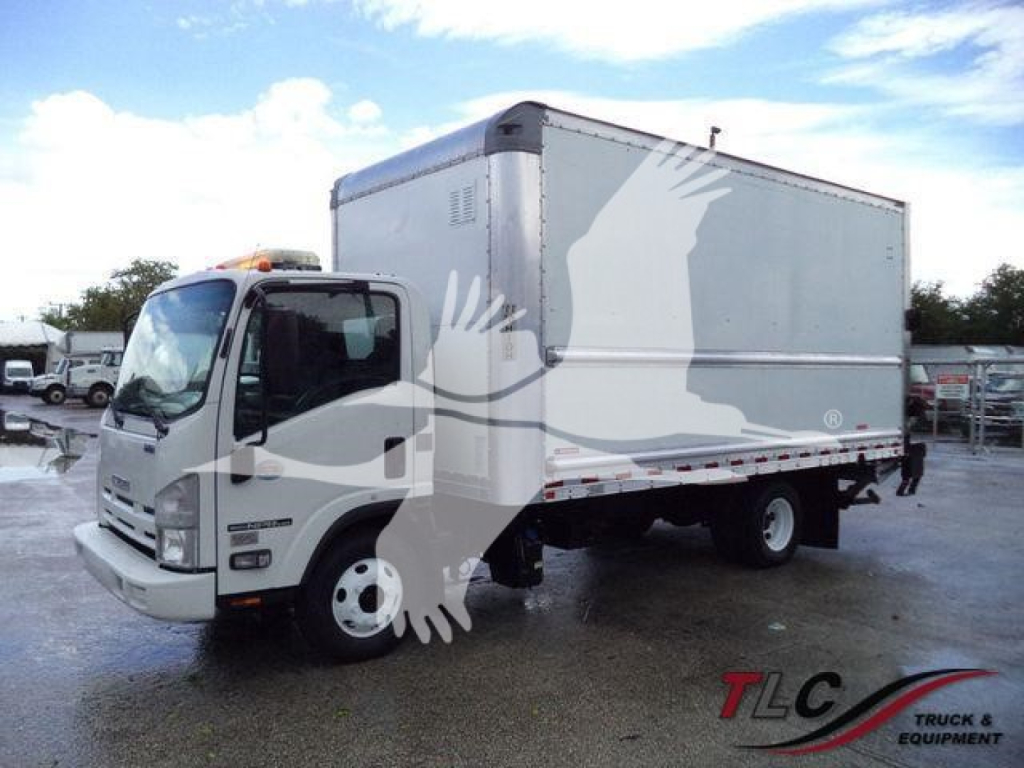
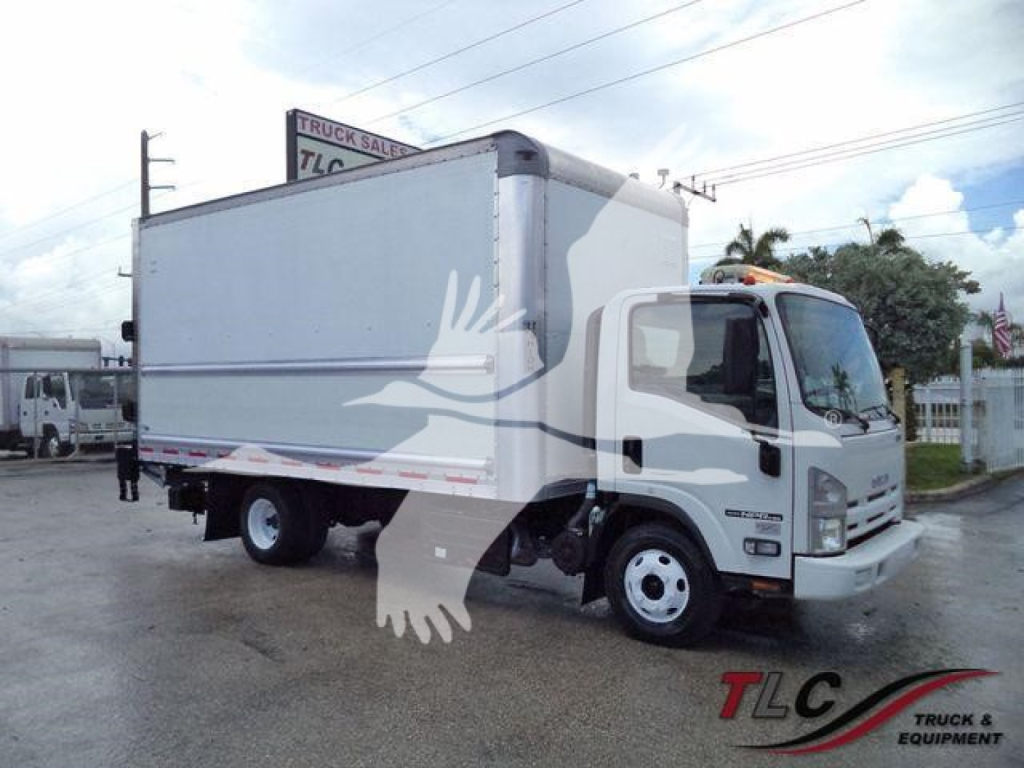
The first decision is usually chassis class and body size. On the lighter end, an NPR HD often shows up with 14,500 lb GVWR and 16 to 18 foot dry freight bodies, sometimes with a tuck-under liftgate and roll-up rear door. Step up to an NQR and you may find more payload margin for heavier route work while keeping the same maneuverable cab-over layout. An FTR moves into a higher GVWR class and is commonly paired with 22 to 26 foot boxes for larger freight volume and dock-height distribution. Common body features on used units include E-track, translucent roofs, hardwood or laminated floors, scuff liners, pull-out ramps, and side doors. If palletized freight is part of the job, rear door opening height, interior cube, and liftgate capacity matter as much as the chassis rating.
Powertrain choice is another key buying point. Many used Isuzu box trucks are equipped with the 5.2L 4HK1 turbo diesel, widely known for solid torque, fuel efficiency, and suitability for stop-and-go commercial service. Some older NPR HD units were spec'd with gasoline V8 power, which can make sense for lower annual mileage or fleets that want simpler fuel logistics. Automatic transmissions are the norm, including Allison and other 6-speed configurations depending on model and year. On used trucks, pay close attention to maintenance records, emissions system history, cooling system condition, brake wear, front suspension components, and any signs of repeated overload in the body or liftgate.
A good used Isuzu box truck should be matched to freight, route density, and loading method rather than bought on box length alone. Check axle ratings against real payload, not just advertised GVWR. Confirm body dimensions, floor condition, and liftgate operation if the truck will handle appliances, foodservice equipment, or multi-stop deliveries without a dock. For urban operations, cab-over service access, mirror setup, and door condition can affect daily uptime more than cosmetic appearance. Isuzu box trucks are also commonly referred to as dry van trucks, straight trucks, moving trucks, or cargo box trucks, and the best choice usually comes down to finding the right combination of maneuverability, payload, body spec, and service history.
Frequently Asked Questions about Used Isuzu Box Trucks
What are the most common Isuzu box truck models on the used market?
The most common used Isuzu box truck models are the NPR HD, NQR, and FTR. The NPR HD is popular for lighter Class 4 delivery work and often carries 16 to 18 foot bodies. The NQR adds capacity while keeping the cab-over format that works well in dense urban routes. The FTR is a heavier medium-duty platform often used for 22 to 26 foot dry freight bodies, higher cube applications, and more demanding payload requirements.
Is a diesel or gas Isuzu box truck better for used truck buyers?
It depends on the duty cycle. The Isuzu 5.2L 4HK1 diesel is a common choice for higher annual mileage, better low-end torque, and frequent stop-and-go delivery work. Gasoline NPR HD trucks can still be a strong fit for lighter use, shorter routes, or fleets that prefer gas fueling and potentially lower upfront cost. The right answer usually comes down to annual miles, payload, idle time, and maintenance history of the specific truck.
What body features should I check on a used Isuzu box truck?
Focus on the body as closely as the chassis. Check box length, interior height, floor condition, wall damage, roof leaks, rear frame corrosion, and roll-up door function. If the truck has a liftgate, verify rated capacity, platform condition, hydraulic operation, and cycle speed. Features like E-track, scuff liners, side doors, and a translucent roof can add real value depending on the freight being hauled.
Why are Isuzu cab-over box trucks so common in city delivery?
Isuzu cab-over trucks are popular in urban delivery because they offer a tight turning radius and excellent forward visibility while maximizing body length on a compact footprint. That helps with alley loading, dock maneuvering, and route work in congested areas. The shorter nose also makes parking and backing easier compared with many conventional-cab straight trucks in the same application.
What should I inspect mechanically on a used Isuzu box truck?
Start with service records and look closely at the engine, transmission, brakes, steering, suspension, and cooling system. On diesel units, emissions-related service history is important, especially if the truck has spent years in stop-and-go operation. Check for uneven tire wear, frame rust, front-end looseness, fluid leaks, and any signs that the truck has been consistently run at or above capacity. A pre-purchase inspection should also include the liftgate, electrical system, and body mounting points.