
Used Hino Box Trucks For Sale in New Jersey
Used Hino box trucks for sale in New Jersey, including 155 and 338 models with 16 to 26 ft bodies, liftgates, diesel power, and non-CDL options.
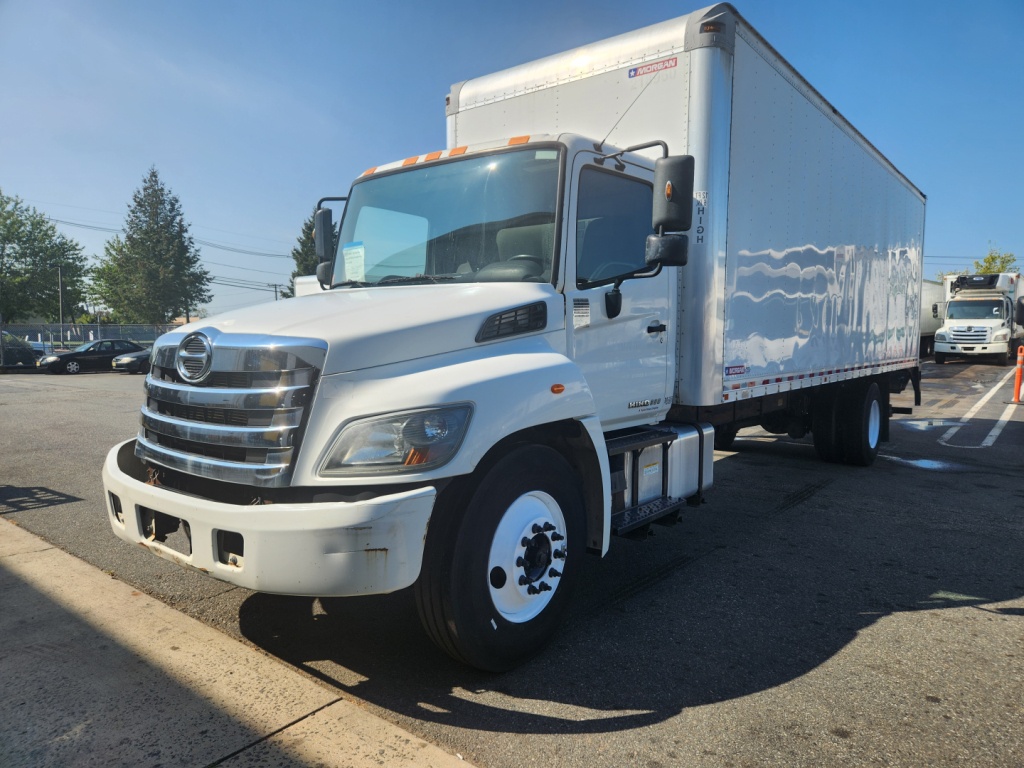
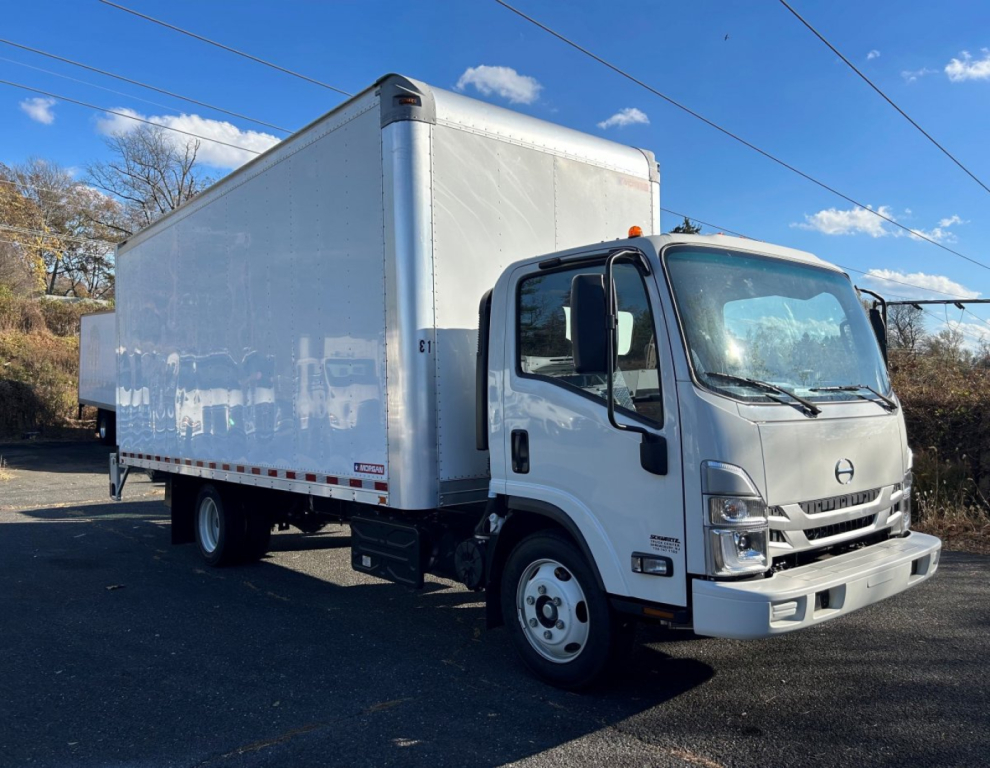
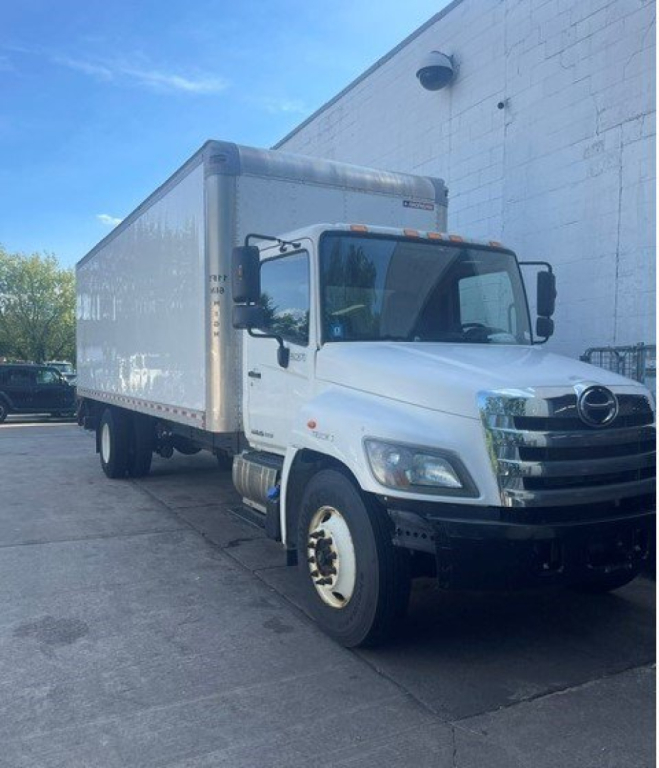
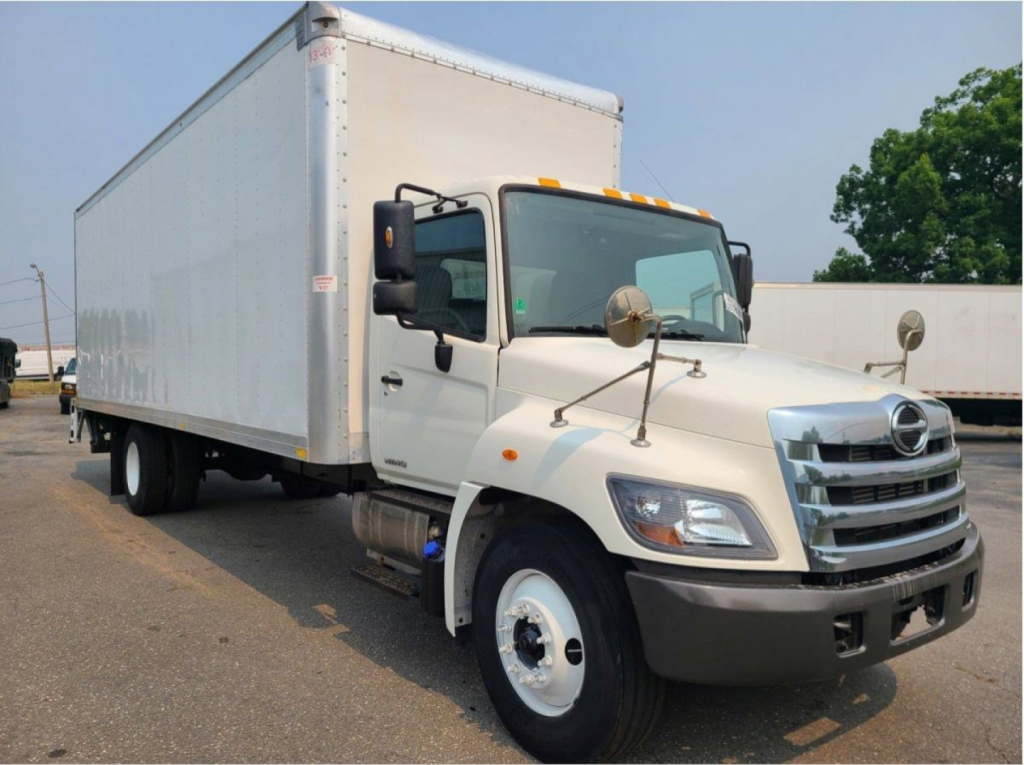
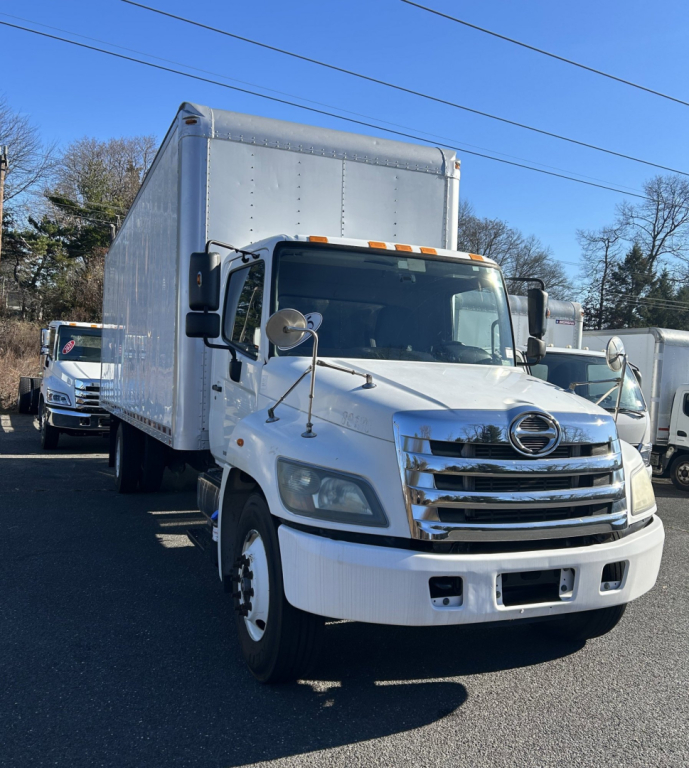
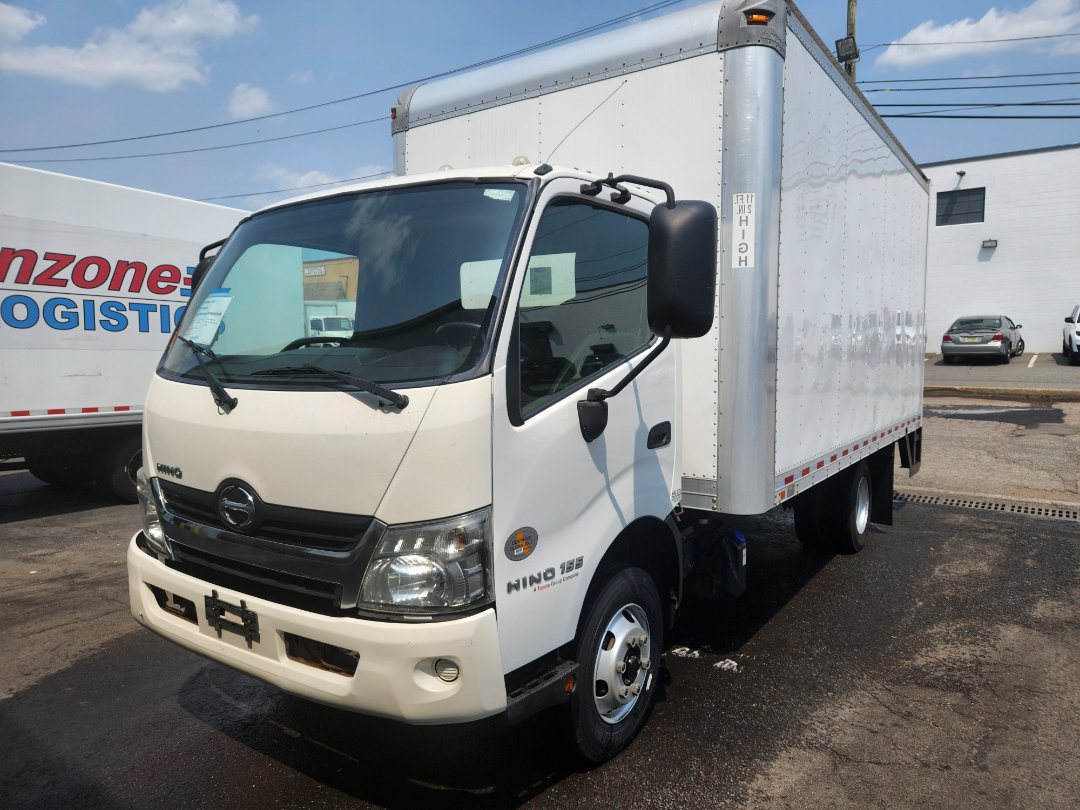

Selling a used hino box truck? List your used hino box truck for sale and reach thousands of commercial buyers.
Used Hino Box Trucks in New Jersey
One of the first buying decisions is whether you need a non-CDL setup. Many Hino 338 box trucks are de-rated to stay at or under 25,950 or 25,500 GVWR, which can be a major advantage for fleets trying to widen the driver pool while still running a full-size 26 foot body. Smaller Hino 155 units typically carry 14 to 16 foot boxes and are better suited for city delivery, baked goods, parcel, linen, and light palletized freight. Common powertrains in this category include Hino diesel engines such as the J05E and J08E series paired with Aisin or Allison automatic transmissions. Buyers usually prioritize service history, emissions system condition, idle hours, and how the truck was loaded and routed in prior use.
Body configuration matters as much as the chassis. Many used Hino box trucks in this class are equipped with Morgan or similar dry freight bodies, roll-up rear doors, hardwood or laminated floors, E-track, translucent roof panels, and tuckunder or rail liftgates. A 3,000 to 3,500 lb liftgate is common on 26 foot units and can be critical for dock-free delivery. Check inside height, door opening dimensions, body material, roof condition, and signs of forklift impact or sidewall repair. If the truck will work in mixed dock and curbside delivery, pay attention to rear step design, liftgate style, and how much payload is lost to body and gate spec.
For used buyers, the best Hino box truck is usually the one whose chassis rating, body length, and route profile match the job without overbuying. In New Jersey service, turning radius, axle ratings, bridge law considerations, and parking access often matter more than maximum body size on paper. Look closely at tire date codes, brake wear, suspension condition, frame corrosion, and any evidence of water intrusion in the box. A clean, properly spec'd Hino box truck can offer a practical mix of diesel durability, automatic transmission ease, and delivery-friendly body options for fleets that need an enclosed straight truck, also known as a box van truck or dry van straight truck.
Frequently Asked Questions about Used Hino Box Trucks in New Jersey
What are the most common used Hino box truck models?
The most common used Hino box truck models are the Hino 155 and Hino 338. The 155 is typically used for lighter-duty city delivery with shorter 14 to 16 foot bodies, while the 338 is commonly spec'd with 24 to 26 foot boxes for heavier regional delivery and route work. The right model depends on payload, body length, and whether you need a non-CDL GVWR.
Can a Hino 338 box truck be operated without a CDL?
Yes, many Hino 338 box trucks are configured or de-rated to a GVWR under the CDL threshold, often around 25,500 to 25,950 pounds. That makes them attractive for fleets that want a full-size box truck without requiring a CDL driver. Buyers should confirm the door sticker, registration class, and actual axle and body ratings rather than assuming every 338 is non-CDL.
What should I inspect on a used Hino box truck before buying?
Focus on both the chassis and the body. On the chassis side, review engine hours, maintenance records, transmission operation, brake condition, suspension wear, tire age, and any fault codes or emissions-related repairs. On the body side, inspect the floor for rot or forklift damage, check the roof and front wall for leaks, examine the roll-up door and seals, and test the liftgate under load if equipped. Rust and corrosion are especially important to evaluate on trucks that have worked in Northeast conditions.
Are Hino box trucks good for New Jersey delivery routes?
Hino box trucks are well suited to New Jersey delivery work because they are commonly available in medium-duty specs that balance payload with maneuverability. Smaller Hino 155 units fit tighter urban routes and local service work, while 338 models handle larger bodies and higher freight volume for regional distribution. Buyers working in dense areas should pay attention to wheelbase, body overhang, liftgate design, and turning radius.
What body features are most useful on a used Hino box truck?
The most useful body features depend on the freight, but common priorities include a liftgate, roll-up rear door, E-track, scuff liners, translucent roof, and a durable floor rated for pallet jack or forklift use. For route delivery, a 3,000 to 3,500 pound liftgate can be a major advantage. Interior dimensions and rear opening height also matter because they directly affect pallet count, loading speed, and dock compatibility.