
2027 Hino Box Trucks For Sale
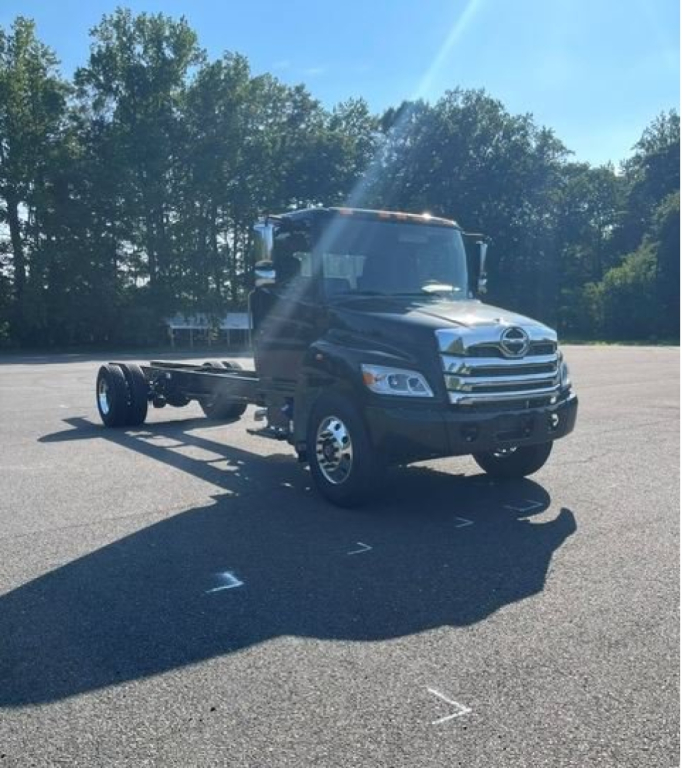
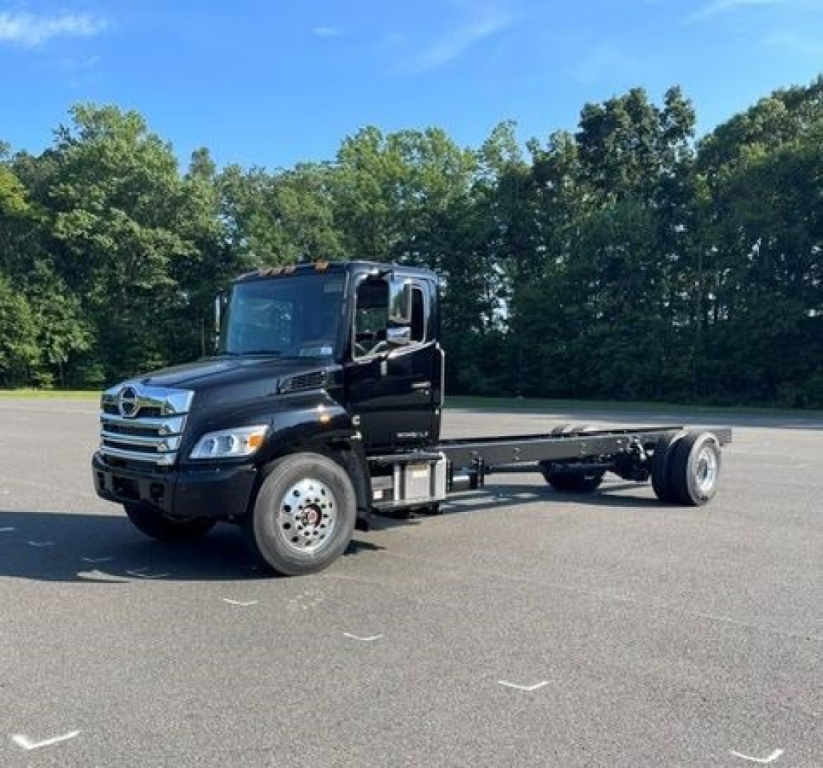
Shop 2027 Hino box trucks including L6 and L7 models with van bodies, liftgate-ready specs, diesel power, and medium-duty delivery capability.
Learn more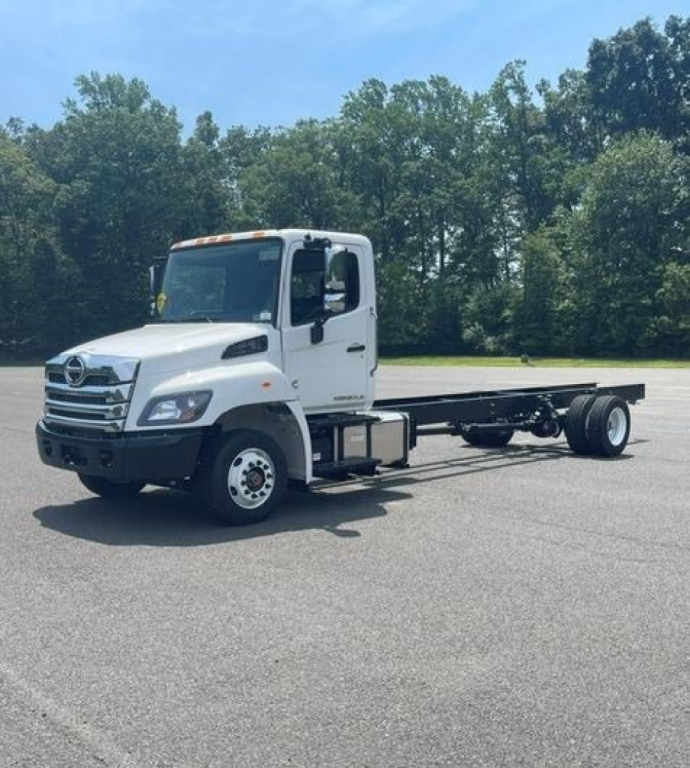
Have 2027 hino box truck to sell? List it here to reach thousands of buyers.
About 2027 Hino Box Trucks
On newer Hino models such as the L6 and L7, buyers usually compare engine and transmission combinations just as closely as the body spec. Medium-duty Hino box trucks in this range are commonly paired with a 6.7L diesel and an Allison automatic, a combination favored for stop-and-go urban work, driver turnover, and straightforward serviceability. Suspension, axle ratings, and brake type matter too. Spring suspension is common on straight truck van body applications because it is durable and cost-effective, while air brakes may be preferred on heavier GVWR trucks or fleets with drivers already accustomed to that setup. Wheelbase and cab-to-axle dimensions should match the box length correctly so the truck tracks well, carries weight legally, and leaves room for liftgate installation if required.
Body details deserve as much attention as the chassis. A 26-foot box may maximize cube, but that does not automatically make it the best fit for dense city routes, tight alleys, or mixed residential deliveries. Door opening height, interior width, floor condition, and the presence of scuff liners or logistics track all affect daily usability. If the truck will handle heavy carts, beverage product, or appliances, check liftgate capacity and platform style. If it will be loaded by forklift every day, floor construction, rear frame reinforcement, and dock height consistency become important. Buyers running parcel, final-mile, bakery, linen, or rental fleets should also look at cab ergonomics, visibility, entry height, mirror configuration, and seat comfort because these trucks spend their lives making repeated stops.
A good Hino box truck spec is one that matches freight density, route length, loading method, and driver requirements without carrying excess chassis or body weight. For many operations, the sweet spot is a medium-duty diesel straight truck with an automatic transmission, a 22- to 26-foot van body, and a liftgate sized to the heaviest routine load. Buyers comparing 2027 Hino box trucks should pay close attention to GVWR, body manufacturer, inside body dimensions, rear axle ratio, fuel tank size, and whether the truck is set up for non-CDL or CDL service. Those details will tell you far more about real-world earning potential than the badge on the hood alone.
Frequently Asked Questions
What is the difference between a Hino L6 box truck and a Hino L7 box truck?
The main difference is weight class and carrying capacity. A Hino L6 is typically spec'd in the Class 6 range and is often used for non-CDL box truck applications near 25,950 GVWR, while a Hino L7 moves into a heavier Class 7 role with more available payload, axle capacity, and upfit flexibility. If your freight is light but bulky, an L6 may be the better fit. If your operation regularly loads dense product, runs larger liftgates, or needs more legal carrying capacity, the L7 is usually the stronger choice.
What box length is most common on a Hino box truck?
Common body lengths are usually 22, 24, and 26 feet, with 26 feet being one of the most popular specs for route delivery and general freight. The right length depends on where the truck operates and how it is loaded. A 26-foot body gives strong cubic capacity, but a shorter box can be easier to maneuver in urban areas, alleys, and residential stops. Buyers should also verify inside height, door opening dimensions, and cab-to-axle measurement because overall usability depends on more than stated box length.
Are 2027 Hino box trucks good for non-CDL delivery work?
Yes, many Hino box trucks are well suited for non-CDL service when they are spec'd at or below 25,950 GVWR. That rating is common for delivery fleets that want a full-size van body and useful payload without requiring a CDL in most applications. The key is to balance body size, liftgate weight, and cargo density so the truck remains practical once fully equipped. A non-CDL truck with a heavy body and liftgate can lose payload quickly, so actual empty weight matters.
What should I look for in a liftgate on a Hino box truck?
Liftgate selection should match the type of freight, not just the truck. Capacity ratings around 2,500 to 3,500 pounds are common in this segment, but platform size, ride style, and dock compatibility matter just as much. Appliance, beverage, and palletized freight usually need a heavier-duty platform and stable operation under repeated cycles. Buyers should also consider how much the liftgate adds to tare weight because that directly affects available payload on a medium-duty straight truck.
Which specifications matter most when comparing Hino box trucks?
The most important specs are GVWR, front and rear axle ratings, wheelbase, cab-to-axle, engine horsepower and torque, transmission model, rear axle ratio, brake type, fuel capacity, and complete body dimensions. On the body side, look closely at floor material, wall construction, roof type, rear door opening size, cargo control setup, and liftgate rating if equipped. These specifications determine how the truck performs on your route, how much it can legally carry, and how efficiently it can be loaded and unloaded.