
Used GMC Box Trucks For Sale
Browse used GMC box trucks including Savana and W-Series models. Compare body sizes, GVWR, engines, liftgates, and delivery-ready specs.
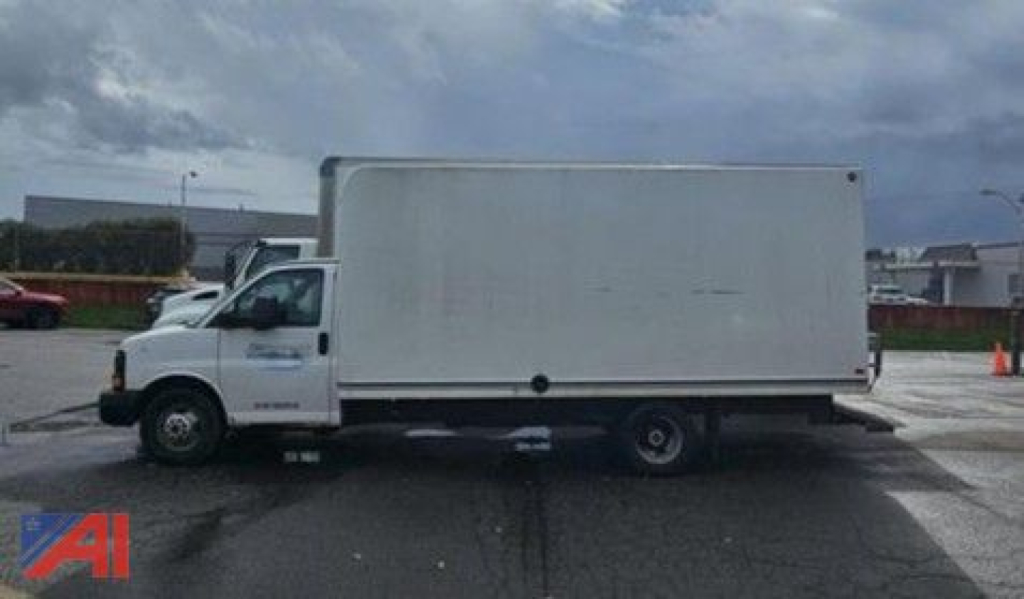
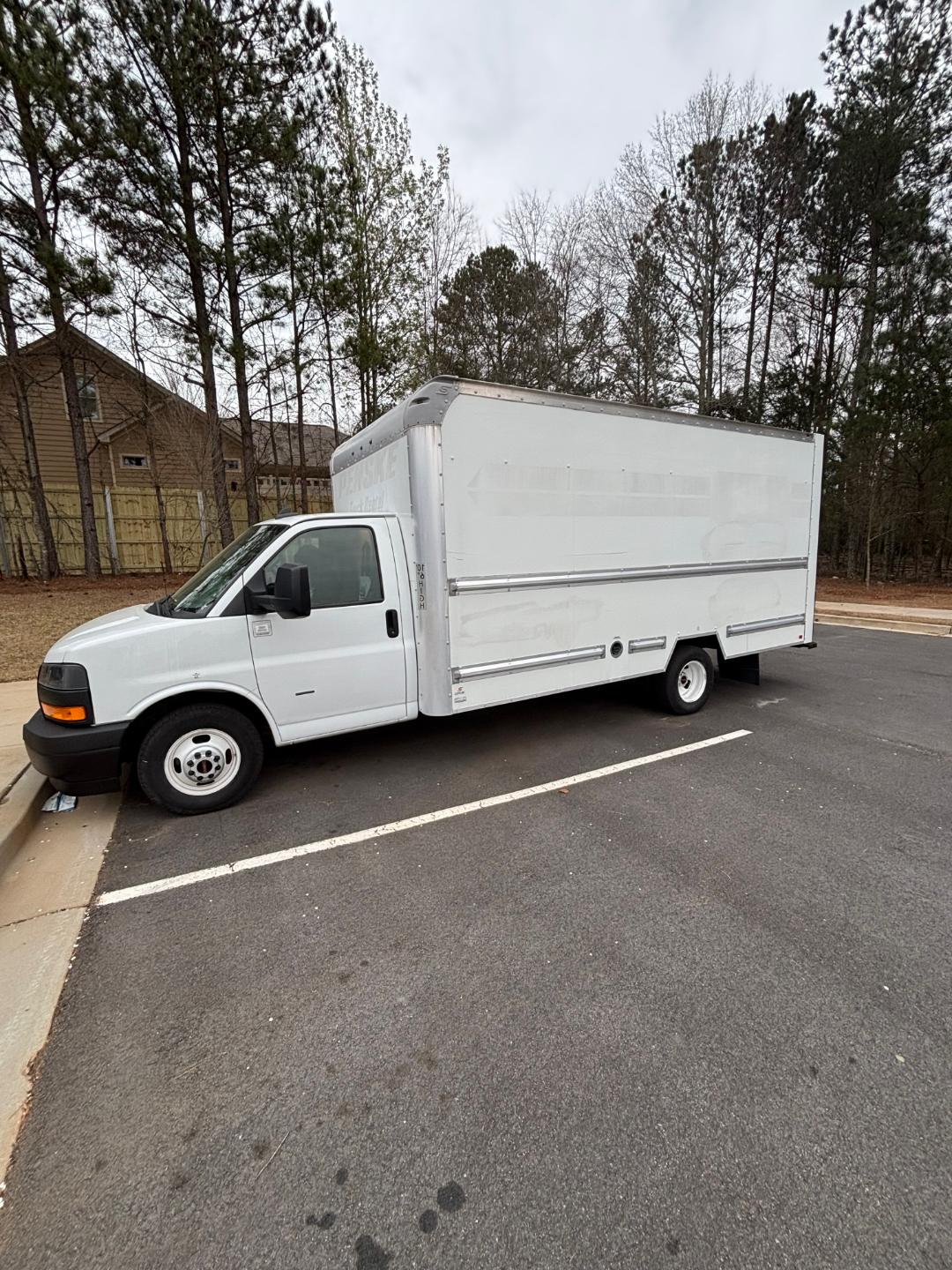
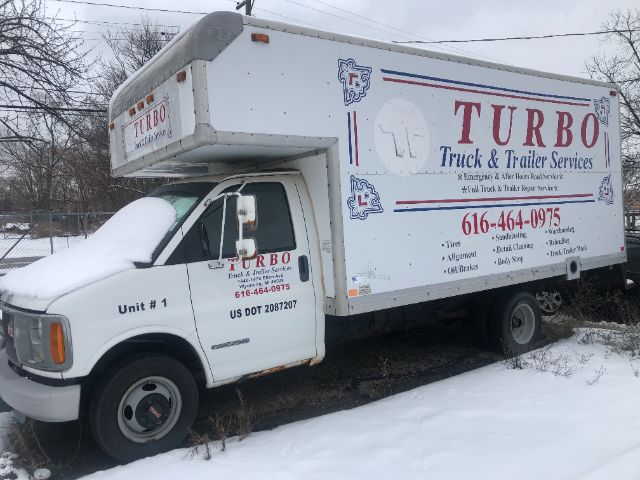
Selling a used gmc box truck? List your used gmc box truck for sale and reach thousands of commercial buyers.
Used GMC Box Trucks
The first decision is usually body size and weight rating. Many used GMC box trucks fall in the 14,000 to 19,500 GVWR range, though lighter and heavier examples exist depending on chassis and upfit. Common box lengths run from about 12 to 18 feet on lighter Savana-based units, with longer bodies found on some cabover configurations. Check cab-to-axle and wheelbase closely because they determine what body can be mounted and how the truck balances under load. Payload depends on chassis rating, body construction, liftgate weight, and fuel type. A 16 foot gas-powered Savana may be a practical fit for furniture, parcel, and appliance delivery, while a diesel W-Series with a spring suspension and commercial body may be more attractive for higher-mileage route work.
Powertrain choice matters because GMC box trucks in the used market can be found with both gasoline and diesel engines, depending on model and year. Savana-based trucks are often equipped with GM V8 gas engines paired with an automatic transmission, which can be simpler for mixed-driver fleets and lower annual miles. GMC W-Series trucks are commonly tied to Isuzu-sourced diesel powertrains and automatic transmissions, which are familiar in vocational delivery fleets and can offer good service life when maintained correctly. On any used unit, pay close attention to brake type, rear axle rating, tire size, suspension, and maintenance history. Hydraulic brake performance, transmission shift quality, cold-start behavior, roof and corner cap condition, and signs of floor rot or water intrusion in the box can tell you more than paint and decals ever will.
Upfit details often decide whether a GMC box truck is ready for your operation. Look for roll-up rear doors, step bumpers, E-track, translucent roofs, hardwood or laminated floors, scuff liners, and liftgates sized to the freight you actually handle. A 2,000 lb liftgate may be enough for palletized local delivery, but it also reduces net payload, so that tradeoff should be measured against route needs. If the truck will run city stops all day, visibility, backup camera placement, door access, and cab ergonomics matter. If it will handle moving or final-mile work, check interior cube, door opening height, and how much wheelwell intrusion is inside the body. The best used GMC box truck is the one whose chassis rating, body spec, and service history match the route, not just the lowest advertised price.
Frequently Asked Questions about Used GMC Box Trucks
What is the difference between a GMC Savana box truck and a GMC W-Series box truck?
A GMC Savana box truck is typically built on a cutaway van chassis and is commonly used for lighter local delivery, service routes, and moving work. It generally drives more like a van and is often equipped with a gasoline V8. A GMC W-Series box truck is a cabover medium-duty chassis, often diesel-powered, with a tighter turning radius and a more commercial layout for city delivery, dock work, and higher-payload use. The right choice depends on body size, route density, load weight, and service preferences.
What GVWR should I look for in a used GMC box truck?
The right GVWR depends on cargo weight, body size, and whether the truck has a liftgate or other added equipment. Many used GMC box trucks land in the 14,000 to 19,500 GVWR range, which covers a large portion of delivery and service applications. Buyers should compare gross vehicle weight rating, actual empty weight, and estimated freight weight to understand true payload. A truck with a long body and liftgate may carry less than expected if the chassis is lightly rated.
Are GMC box trucks better with gas or diesel engines?
Gas-powered GMC box trucks, especially Savana-based models, are often a solid fit for lower annual mileage, shorter routes, and fleets that want simpler service with broad parts availability. Diesel-powered GMC cabover trucks are often preferred for higher-mileage commercial use and heavier daily workloads. The better option is the one that matches your duty cycle, technician familiarity, and maintenance budget. On the used market, condition and service history usually matter more than fuel type alone.
What should I inspect on a used GMC box truck before buying?
Focus on both the chassis and the box body. On the chassis side, inspect brake function, steering play, suspension wear, transmission operation, engine cold-start performance, and any active warning lights. On the body side, check the floor for soft spots, roof seams for leaks, roll-up door tracks, corner caps, front bulkhead, and liftgate operation if equipped. Also confirm wheelbase, cab-to-axle measurement, and body dimensions so the truck truly fits your freight and route requirements.
Is a liftgate worth having on a GMC box truck?
A liftgate can be a major advantage for palletized freight, appliances, retail delivery, and routes without dock access. It improves loading flexibility and reduces dependence on forklifts or multiple workers. The tradeoff is added empty weight, more rear overhang, and another hydraulic or electrical system to maintain. Buyers should compare liftgate capacity, platform size, and service condition against the actual freight they move, because an undersized or neglected liftgate can become a limitation instead of a benefit.