
GMC Box Trucks For Sale
Shop GMC box trucks built for delivery, moving, service, and local freight work, including Savana cutaway and medium-duty models.
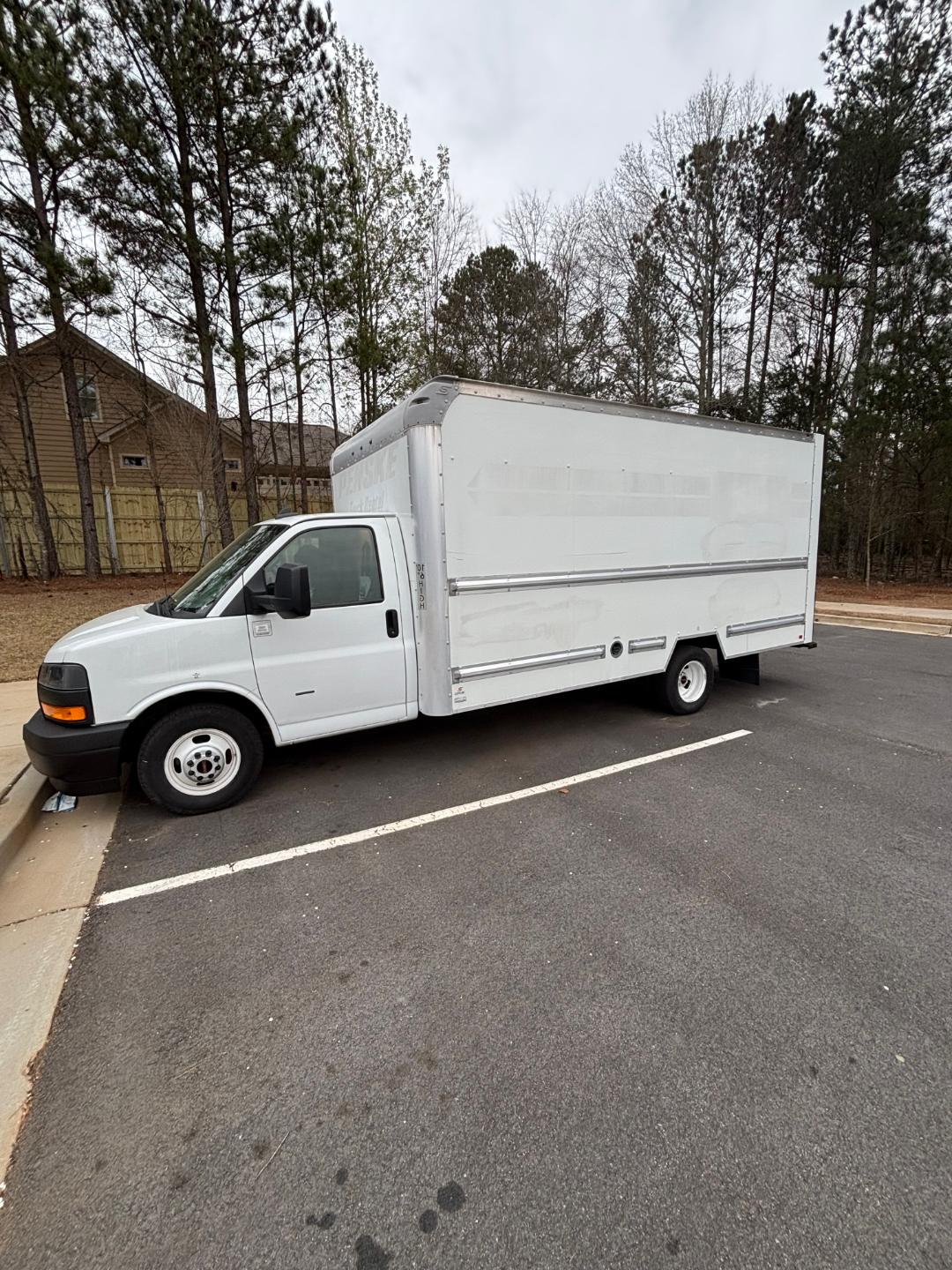
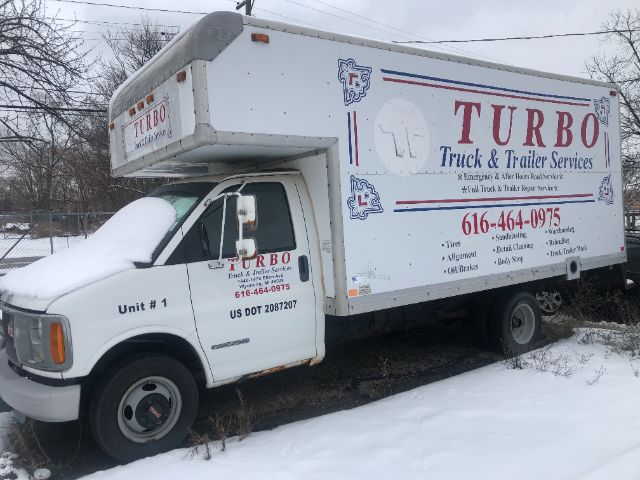
Selling a gmc box truck? List your gmc box truck for sale and reach thousands of commercial buyers.
GMC Box Trucks
Box length, GVWR, and door configuration are the first specs to compare. Common body lengths on GMC box trucks range from about 10 to 16 feet on lighter cutaway chassis, with some medium-duty units carrying 14 to 24 foot bodies depending on wheelbase and axle rating. Many feature a roll-up rear door, while some include a pull-out ramp or a tuck-under liftgate for palletized freight and appliance work. Interior body construction also matters. Buyers should check floor type, roof material, wall condition, and whether the body has scuff liners, E-track, shelving, translucent roof panels, or a step bumper. If the truck will see frequent dock work or hand unloading, rear access height and cargo floor condition become just as important as engine specs.
Powertrain choice on GMC box trucks depends heavily on route profile and expected payload. Gas V8 trucks are common in lighter-duty delivery service because they are straightforward to maintain and well suited for lower annual miles, stop-and-go routes, and shorter trip lengths. Older diesel-powered GMC medium-duty trucks, including rebadged cabover platforms, are often preferred when buyers want better low-end torque, longer body options, or a higher working weight. Transmission type is usually automatic, which is standard for most delivery fleets, but buyers should still review axle ratio, brake system type, and suspension setup to make sure the truck matches city operation, suburban route density, or occasional highway use. On used units, pay close attention to liftgate operation, rear door tracks, cab-to-body mounting points, frame corrosion, and any signs of water intrusion in the box.
For many buyers, the right GMC box truck comes down to matching body size and payload to the job without overspending on chassis capacity that will never be used. A bakery route, parcel delivery fleet, event supplier, and local mover all need different cargo access and load characteristics. Measuring cargo cube, checking wheelbase against parking limitations, and confirming actual payload after upfit weight are more useful than shopping by model year alone. GMC box trucks remain a practical option for businesses that need enclosed cargo security, straightforward commercial controls, and a chassis that can support everything from a basic dry van body to a more specialized delivery or service upfit.
Frequently Asked Questions about GMC Box Trucks
What is the difference between a GMC Savana box truck and a GMC W4500 box truck?
A GMC Savana box truck is typically built on a cutaway van chassis and is usually used for lighter-duty delivery, moving, and service routes. It generally offers a more familiar van-style cab and is well suited for urban work. A GMC W4500 is a medium-duty cabover truck, often with a tighter turning radius, higher chassis capacity, and better packaging for larger bodies or heavier payloads. The right choice depends on cargo weight, route density, and how much body length you need.
What box length is most common on GMC box trucks?
Common box lengths on GMC box trucks are often in the 12-foot to 16-foot range on lighter Savana-based units, while medium-duty GMC cabover trucks may carry 14-foot to 24-foot bodies depending on wheelbase and GVWR. A shorter box is easier to maneuver in city traffic and tight loading areas. A longer box increases cargo cube but can reduce maneuverability and may limit where the truck can be parked or docked.
Are GMC box trucks good for delivery routes?
GMC box trucks are a strong fit for local and regional delivery work because they provide enclosed cargo space, straightforward controls, and a wide range of body sizes. They are commonly used for parcel delivery, furniture hauling, contractor supply runs, bakery routes, and general commercial distribution. The best delivery setup depends on stop frequency, cargo handling method, and whether the route requires a liftgate, roll-up door, shelving, or low step-in access.
What should I inspect on a used GMC box truck before buying?
Buyers should inspect the chassis and the body with equal attention. Key items include engine condition, transmission shift quality, brake performance, suspension wear, tire condition, and frame corrosion. On the body, check the cargo floor, roof seams, wall integrity, rear door operation, liftgate function if equipped, and signs of leaks or patchwork repairs. It is also important to verify GVWR, actual payload capacity after any upfit, and whether the truck has hydraulic or air-assisted braking depending on the model.
Is a gas or diesel GMC box truck better?
A gas GMC box truck is often the better fit for lighter-duty urban routes, lower annual mileage, and fleets that want simpler maintenance. A diesel GMC box truck is usually preferred when the application involves heavier loads, longer bodies, or more demanding daily use where torque and durability matter more. The right answer depends on payload, route length, idle time, local service support, and total operating cost rather than fuel type alone.