
2018 Box Trucks For Sale in New Jersey
Shop 2018 box trucks for sale in New Jersey. Compare GVWR, body lengths, liftgates, diesel and gas power, and delivery-ready specs.
Learn more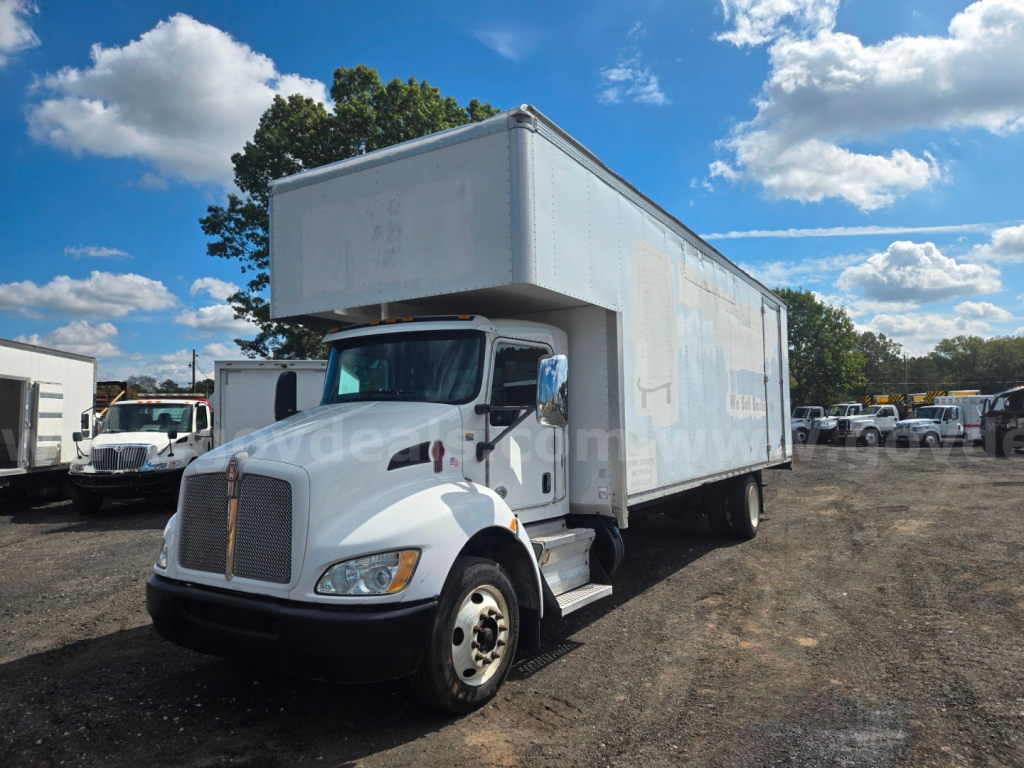
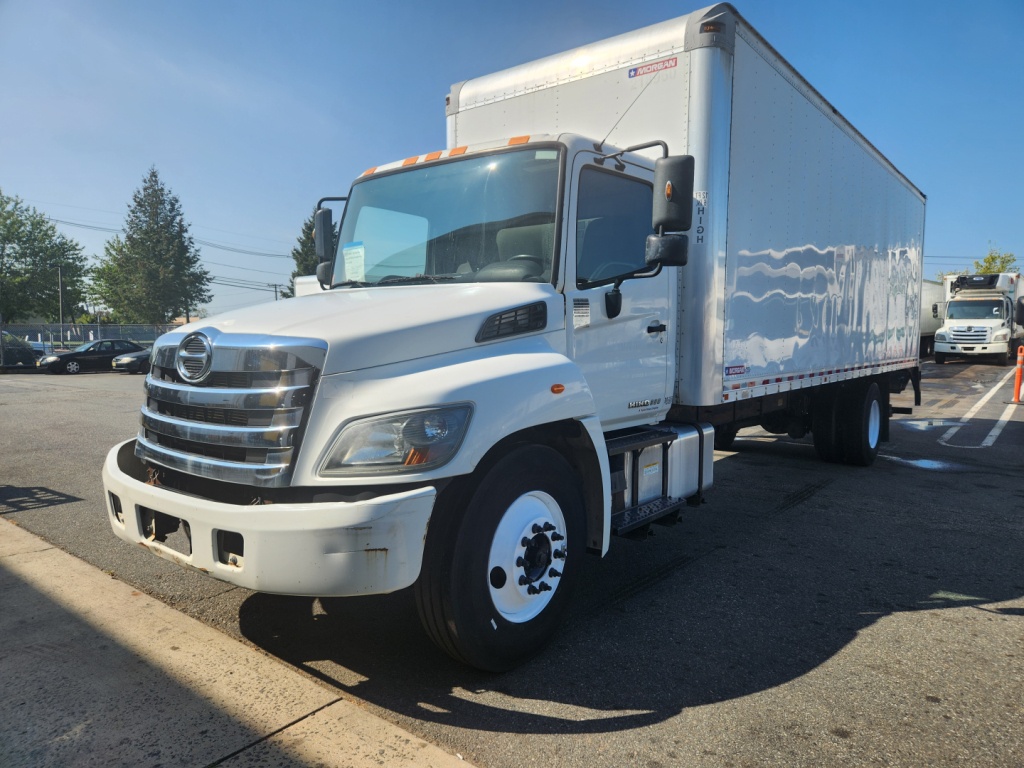
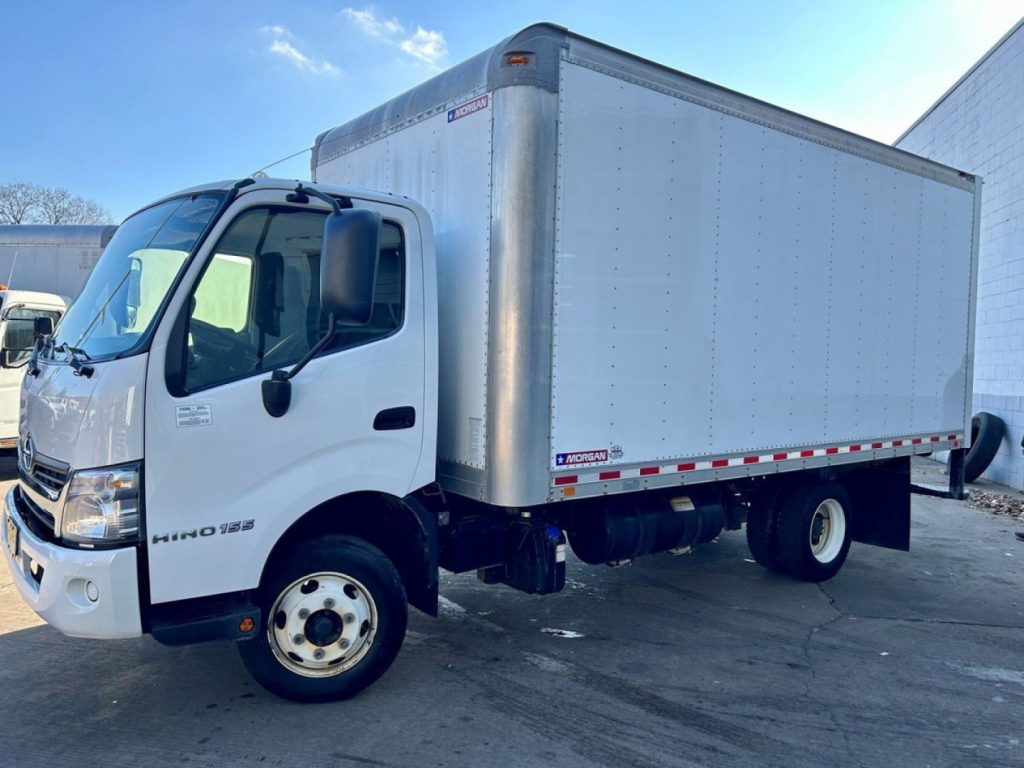
Have 2018 box truck to sell? List it here to reach thousands of buyers.
About 2018 Box Trucks in New Jersey
Powertrain choice matters because it affects payload, maintenance profile, and operating cost. Many 2018 box trucks in this segment came with gas V8 engines in lighter cutaway chassis or diesel engines in medium-duty platforms such as Hino, Isuzu, Freightliner, Ford, and International. Diesel models are often preferred for heavier payloads, higher annual mileage, and longer body lengths, while gas trucks can make sense for lighter urban work and simpler maintenance. Transmission choice is usually straightforward, since most box trucks in this year range were spec'd with automatic transmissions such as Allison or Aisin units. Buyers should also check axle ratio, wheelbase, brake type, and whether the truck was built for city maneuverability or highway route work.
Body equipment is where a 2018 box truck can become more or less valuable for your operation. Key items include body length, interior height, roll-up versus swing doors, liftgate capacity, E-track, plywood or composite liners, cargo lighting, translucent roof, and step access. A 16 foot body may suit parcel, bakery, and service applications, while a 24 to 26 foot body is more common for furniture, appliances, and higher-cube delivery. In tight New Jersey urban and suburban routes, overall length, turning radius, and rear door clearance matter just as much as payload. If the truck will be worked on multi-stop delivery, pay attention to liftgate style, door opening height, camera systems, and cab entry ergonomics.
Condition should be evaluated beyond mileage alone. On a 2018 box truck, buyers should review body corrosion, roof condition, floor wear, liftgate service history, tire date codes, brake life, and signs of hard dock impact. For diesel units, emissions system health is a major checkpoint, including DPF, DEF, and regeneration history. For any truck, confirm the actual payload after body and liftgate installation, because a well-equipped van body can reduce usable capacity more than expected. A well-spec'd 2018 box truck can still be a strong revenue-producing delivery asset if the chassis, body, and route requirements are matched correctly.
Frequently Asked Questions
What size 2018 box truck is best for local delivery work?
The right size depends on cargo volume, payload, and route density. A 12 to 16 foot box truck is often a good fit for urban delivery, contractor use, and lighter stop-and-go routes because it is easier to park and maneuver. A 20 to 26 foot truck is better for furniture, appliances, wholesale distribution, and higher-cube freight where cargo space matters more than tight-city agility. Buyers should compare body length, interior cube, wheelbase, and actual payload before deciding.
Should I buy a diesel or gas 2018 box truck?
Diesel usually makes more sense for heavier loads, longer bodies, and higher annual mileage because it generally offers better low-end torque and durability in medium-duty applications. Gas engines can be a strong choice for lighter-duty delivery routes, lower yearly mileage, and fleets that want simpler service requirements. The best decision comes down to route type, average payload, maintenance budget, and whether the truck will spend most of its time in urban stop-and-go service or sustained daily commercial use.
What should I inspect on a used 2018 box truck before buying?
Focus on both the chassis and the van body. Important checkpoints include frame condition, suspension wear, tire age, brake life, transmission operation, cooling system health, and service records. On the box itself, inspect the floor, roof, sidewalls, rear door hardware, and signs of water intrusion or dock damage. If the truck has a liftgate, verify capacity, cycle operation, hydraulic condition, and maintenance history. On diesel trucks, emissions system condition is especially important.
Is a liftgate necessary on a 2018 box truck?
A liftgate is valuable when freight is palletized, heavy, or delivered to locations without a dock. It can speed up multi-stop routes and reduce manual handling, but it also adds weight and cuts into payload. Buyers should match the liftgate style and rating to the cargo. Tuck-away liftgates are common for delivery fleets that need dock access, while rail gates may be preferred when maximum lifting platform size is more important than ground clearance.
What weight class should I look for in a 2018 box truck?
Weight class should be based on the cargo you haul after accounting for the body, liftgate, fuel, driver, and equipment. Lighter box trucks in the Class 3 to 4 range can work well for parcel, catering, and service applications. Class 5 to 6 trucks are more common for 20 to 26 foot van bodies and heavier delivery work. The key is to verify payload on the actual door sticker or scale weight, not just assume capacity from the truck's body size.