
2006 Box Trucks For Sale in New York
Shop 2006 box trucks for sale in New York. Compare body lengths, GVWR, diesel or gas power, liftgates, door styles, and delivery specs.
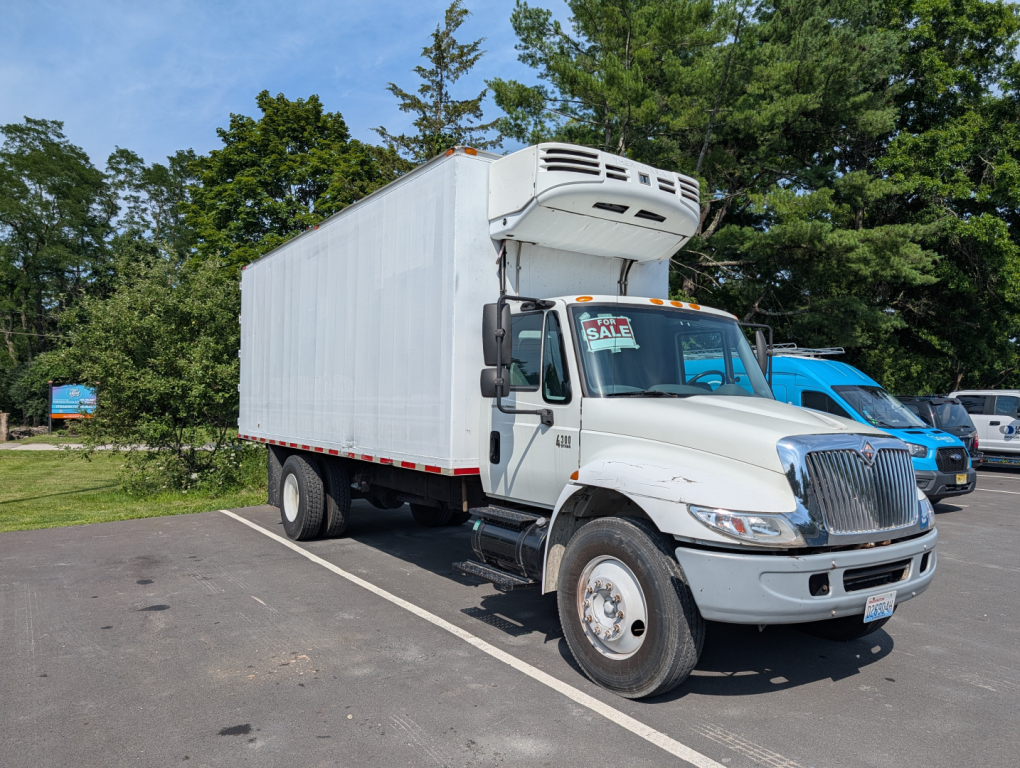
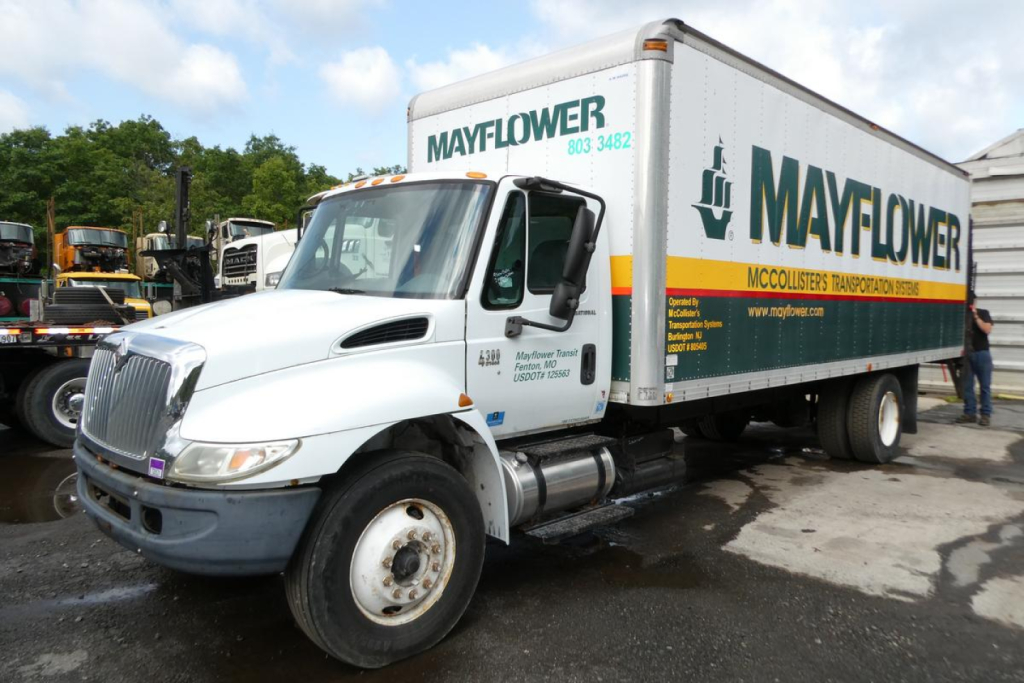

Selling a 2006 box truck? List your 2006 box truck for sale and reach thousands of commercial buyers.
2006 Box Trucks in New York
Body configuration is one of the biggest buying decisions in this category. Most 2006 box trucks are paired with 16 to 26 foot van bodies from builders such as Morgan or Supreme, usually 96 inches wide with wood, steel-reinforced, or aluminum flooring. Roll-up rear doors are common for dock work and route deliveries, while swing doors can be simpler and cheaper to repair. Side access doors, translucent roofs, and steel door surrounds are all worth noting if the truck will handle hand-loaded freight or frequent stop-and-go service. Liftgates add versatility for palletized freight and appliance delivery, but on an older truck they need close inspection for cylinder leaks, rust, pump performance, and platform damage. On used 2006 units, floor rot, roof leaks, rear frame corrosion, and damage around the door opening often matter as much as the engine and transmission.
Powertrain choices on 2006 box trucks vary widely. Diesel options often include engines like the International DT466, Mercedes MBE900 family, and Isuzu diesel platforms, while some lighter units use gas V8 engines. Buyers should compare horsepower, rear axle ratio, transmission type, and brake system against the intended route. A 6-speed manual with a deeper rear ratio may suit heavier city payloads, while an automatic can be more efficient for dense delivery service with multiple drivers. Hydraulic brakes are common on lighter and mid-range trucks, while air brakes appear on heavier specifications. Spring suspension is typical in this class. On New York routes with frequent stops, bridge traffic, and winter exposure, service history, brake condition, steering wear, and rust around crossmembers, cab mounts, and body supports deserve close attention.
The best 2006 box truck is usually the one with the right cab-to-axle measurement and body length for the work, not simply the highest advertised payload. Buyers should confirm wheelbase, cab-to-axle, rear door opening height, floor type, and whether the truck is a single-frame straight truck or has specialty equipment such as a refrigerated body or demountable system. If the truck will be used for borough deliveries, parking access, turning radius, and body height may be more important than raw capacity. If it will run regional furniture, beverage, or wholesale freight, then GVWR, door opening dimensions, and liftgate capacity move higher on the list. A well-matched 2006 box truck can still be a cost-effective commercial truck for delivery work, provided the chassis, box body, and loading equipment are evaluated as one system.
Frequently Asked Questions about 2006 Box Trucks in New York
What should I look for first when buying a 2006 box truck?
Start with the truck’s intended job, then verify the core fitment specs: GVWR, body length, cab-to-axle, wheelbase, and door opening dimensions. After that, inspect the condition of the box body, floor, roof, liftgate, and frame for rust or structural damage. On a 2006 model, deferred maintenance can be more important than brand name. Engine condition, transmission operation, brake type, and evidence of corrosion from Northeast service should all be reviewed before focusing on mileage alone.
Are 2006 box trucks good for city delivery in New York?
Yes, many 2006 box trucks are well suited for city delivery, but the right configuration matters. Cabover models are easier to maneuver in tight streets, loading zones, and older industrial areas, while conventional chassis often work better for larger bodies and heavier loads. Buyers should pay close attention to overall length, turning radius, body height, and whether the truck has a roll-up door or liftgate that fits dock and curbside delivery needs. Urban use also puts extra importance on brake condition, steering components, and transmission performance in stop-and-go traffic.
What body sizes are common on 2006 box trucks?
Common body lengths in this category run from about 16 feet on lighter cabover trucks up to 24 or 26 feet on medium-duty conventional chassis. Most dry van bodies are 96 inches wide, with interior height and rear door opening varying by manufacturer. Smaller bodies are often better for urban route work, while 22 to 26 foot bodies are common in moving, furniture, appliance, and general freight applications. The best size depends on payload needs, dock access, parking constraints, and the truck’s wheelbase and cab-to-axle dimensions.
Is diesel or gas better in a 2006 box truck?
Diesel is more common in medium-duty 2006 box trucks and usually makes more sense for heavier payloads, longer service life, and commercial duty cycles. Gas engines are more common in lighter trucks and can be simpler for lower-mileage or lighter delivery use, but they may not offer the same torque under load. The better choice depends on route length, expected payload, maintenance history, and local service support. On an older truck, documented engine condition and repair history are often more important than fuel type by itself.
How important is the liftgate on a used 2006 box truck?
The liftgate can be a major value item if the truck handles palletized freight, appliances, vending equipment, or route deliveries without dock access. It should be treated as a separate inspection point. Buyers should check platform condition, hinge wear, hydraulic leaks, cylinder performance, electrical controls, and rated lifting capacity. A functioning liftgate can save labor and expand the truck’s applications, but a neglected unit can quickly turn into a repair expense that changes the real cost of the truck.