
Kenworth Boom Trucks For Sale
Browse Kenworth boom trucks built for lifting, loading, and service work, with durable chassis options and PTO-driven crane setups.
Learn moreNo exact matches found for your search
Showing Boom Trucks instead.
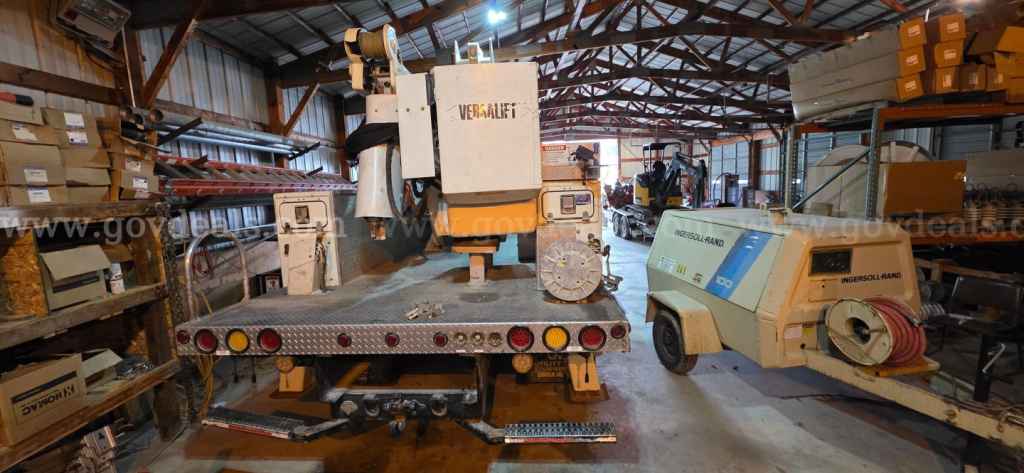
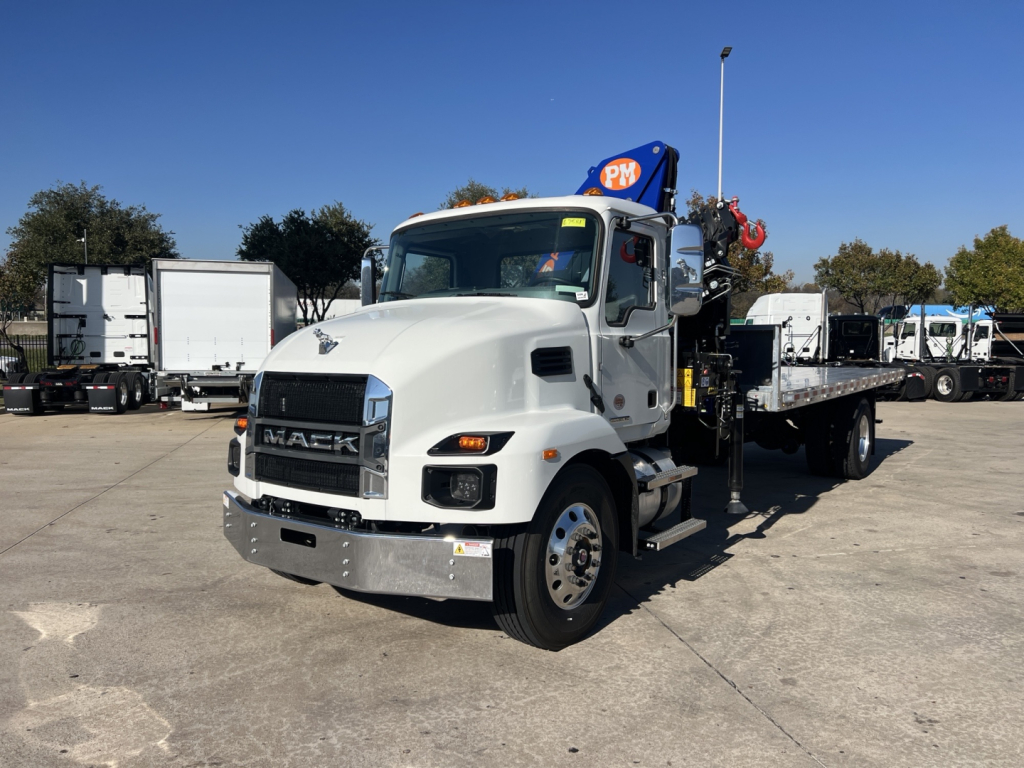
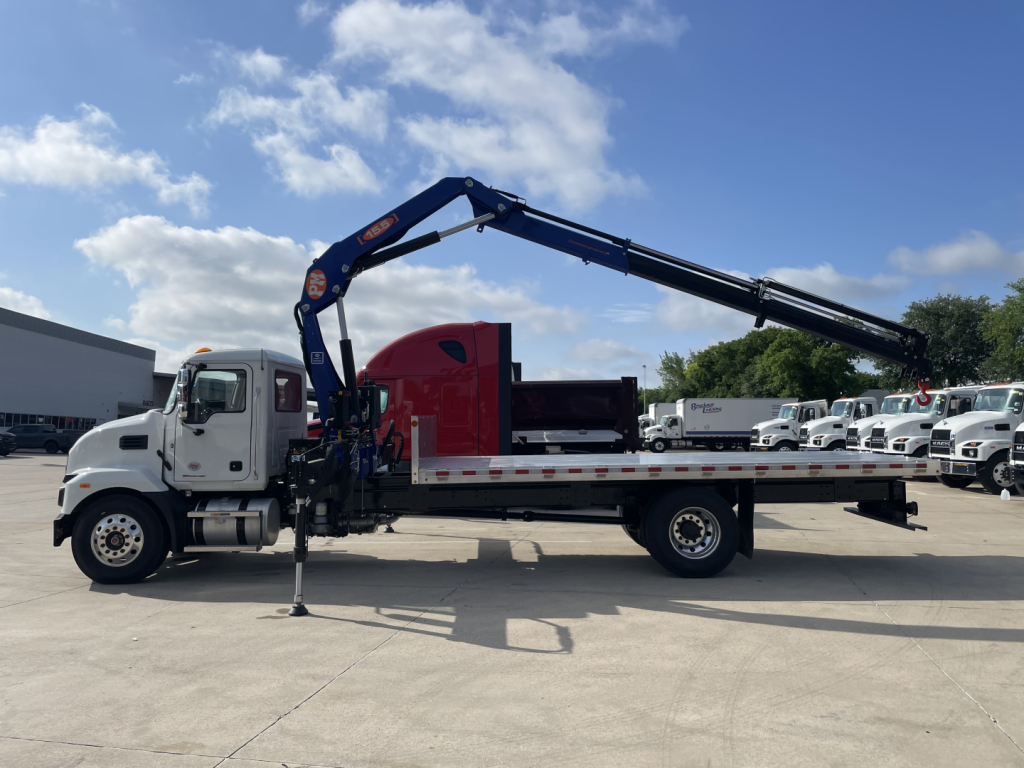
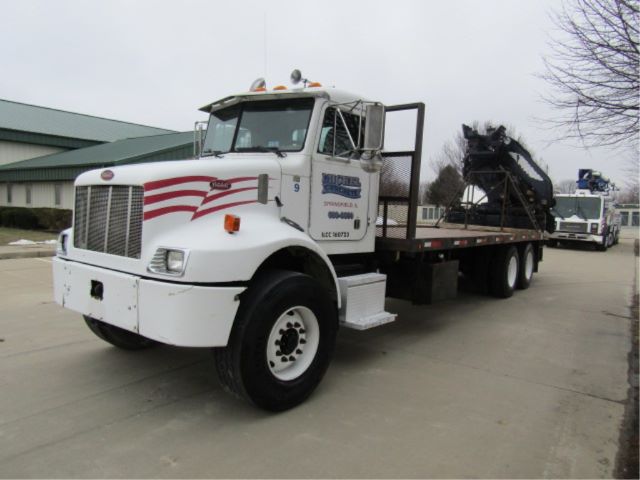
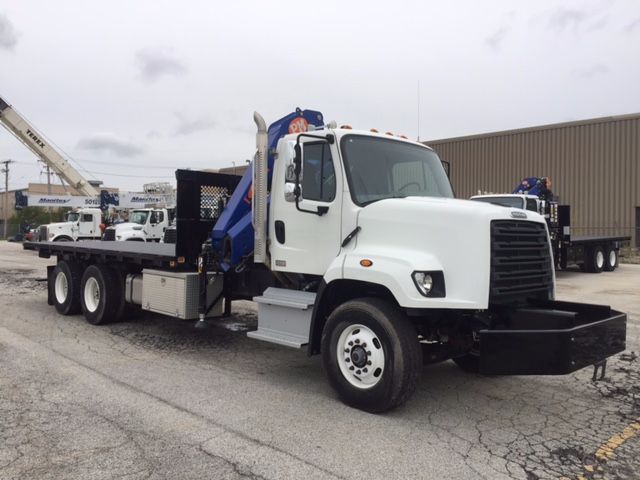
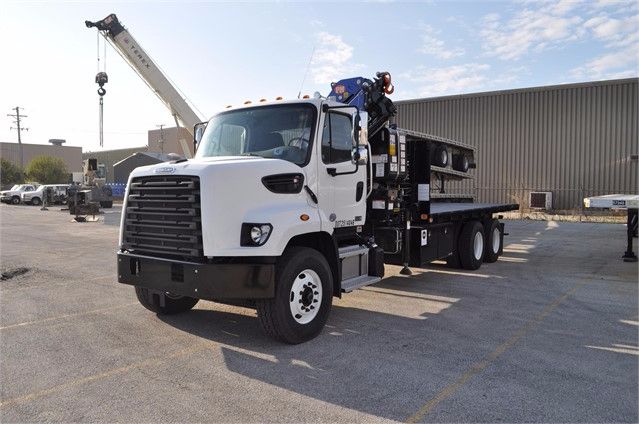
Have kenworth boom truck to sell? List it here to reach thousands of buyers.
About Kenworth Boom Trucks
A buyer should start with the crane configuration and body layout. Some Kenworth boom trucks are set up with a stiff boom for straight lifting and placement, while others use articulating knuckle booms for tighter jobsite access and more precise loading. Grapple-equipped units are common in brush, debris, and log handling applications. Body style can range from flatbed and mechanics body setups to purpose-built utility and material handling layouts. Pay attention to deck length, storage, PTO arrangement, and outrigger design, since these details affect how well the truck fits urban service calls, roadside work, or off-pavement jobs.
Chassis specs deserve close review because a boom truck can be limited by axle ratings long before the crane reaches its advertised lift chart. Front axle capacity is especially important on crane-equipped Kenworths due to the weight transfer created by the boom and mounted equipment. Buyers should compare GVWR, rear axle ratio, suspension type, wheelbase, engine output, and transmission choice against the expected payload and duty cycle. Many trucks in this class use diesel engines paired with automatic or manual transmissions, and vocational buyers often prefer setups that balance low-speed control with highway drivability. If the truck will run in congested service territory, turning radius and cab visibility can be as important as raw power.
Condition should be evaluated as both a truck inspection and a crane inspection. Review maintenance records for the chassis, PTO, hydraulic system, outriggers, boom structure, hoses, pins, and controls. Check for signs of frame stress, corrosion, uneven tire wear, hydraulic leaks, and damage around the crane pedestal or body mounts. On used Kenworth boom trucks, certification status, load test history, and any required annual inspection documentation can be just as important as engine hours or mileage. A well-matched Kenworth boom truck can be a productive long-term asset when the lift capacity, reach, axle ratings, and body configuration all line up with the actual work.
Frequently Asked Questions
What is a Kenworth boom truck typically used for?
A Kenworth boom truck is typically used for lifting, loading, and placing materials in applications such as utility work, construction support, building material delivery, sign and pole installation, and general crane service. Some units are configured with articulating knuckle booms or grapple loaders for brush, scrap, or log handling. The exact use depends on the crane type, body style, and chassis capacity.
What should I check first when comparing used Kenworth boom trucks?
Start with the crane type, rated capacity, reach, and the truck’s axle ratings. A boom truck must be evaluated as a complete package, not just by chassis model or engine. Front axle rating, wheelbase, outrigger setup, PTO function, hydraulic condition, and body configuration all affect safe operation and jobsite performance. Service records, crane inspections, and load test documentation are also important on used units.
Why does front axle capacity matter on a boom truck?
Front axle capacity matters because mounted cranes place substantial weight ahead of or near the cab, and load transfer can increase significantly during lifting operations. A truck may have a strong crane, but if the axle ratings and frame specifications are not matched correctly, the truck can be limited in legal payload, stability, or safe operating range. Buyers should compare the crane installation with the chassis GVWR and individual axle ratings, not just the advertised boom capacity.
Are Kenworth boom trucks available with knuckle booms and grapple loaders?
Yes. Kenworth vocational chassis are often upfitted with several boom styles, including straight booms, articulating knuckle booms, and grapple loader configurations. Knuckle booms are valued for compact stowage and precise placement in tighter work areas, while grapple loaders are common in debris, tree, and material handling applications. The best configuration depends on lift geometry, reach requirements, and the type of material being moved.
What maintenance items are most important on a boom truck?
Beyond normal truck service, the most important maintenance items include the PTO, hydraulic pump, hoses, cylinders, outriggers, pins, wear pads, control systems, and the boom structure itself. Buyers should inspect for leaks, cracks, corrosion, and evidence of hard use around the crane pedestal and frame. Tire condition, suspension wear, and brake performance also matter because boom trucks carry concentrated weight and often operate in stop-and-go vocational service.