
International Boom Trucks For Sale
Shop International boom trucks for utility, telecom, sign, and tree work. Compare chassis, GVWR, lift height, and PTO-driven body setups.
Selling a international boom truck? List your international boom truck for sale and reach thousands of commercial buyers.
International Boom Trucks
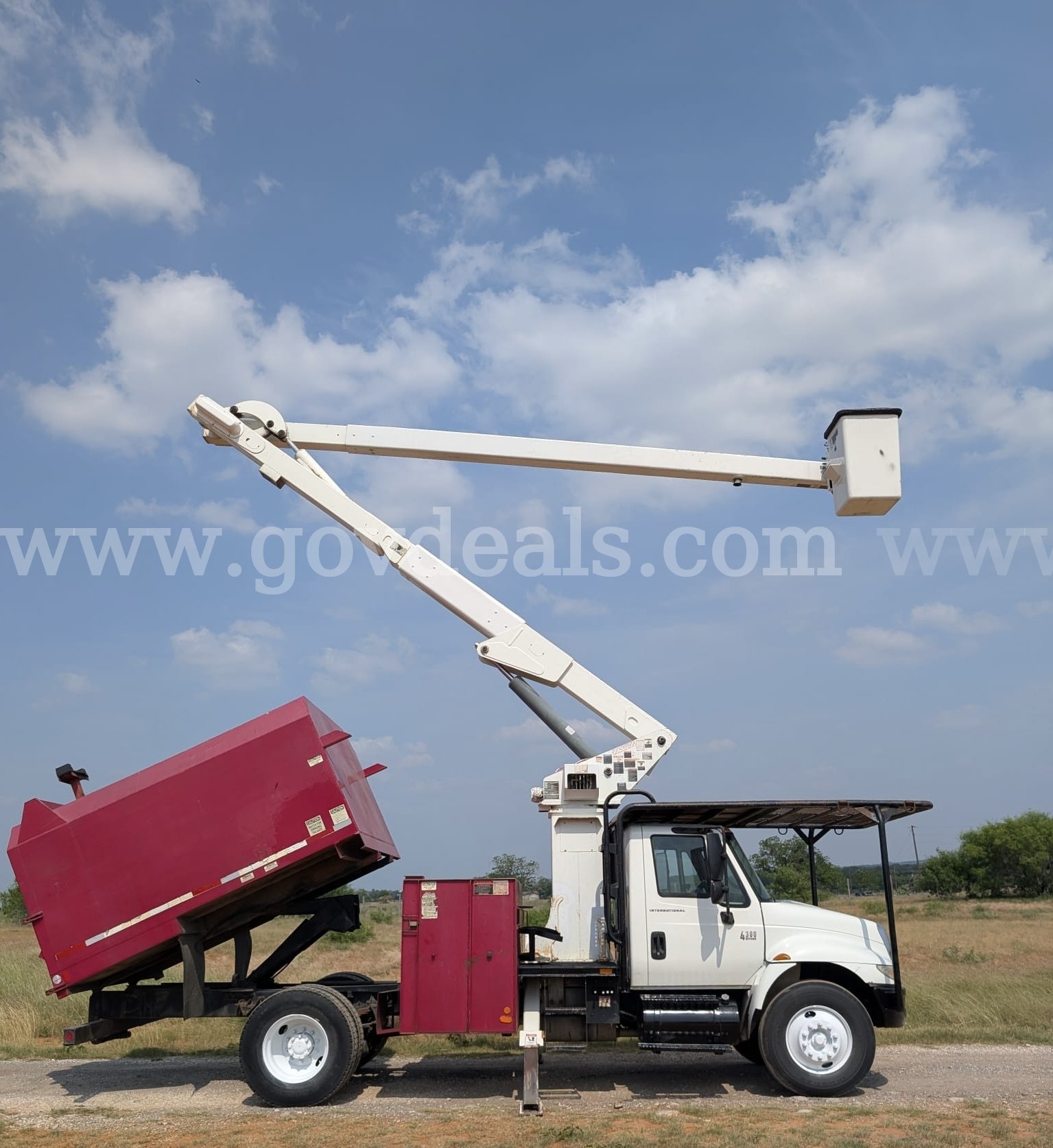
One of the first decisions is the type of boom and the working height you actually need. Some International boom trucks are set up with non-overcenter material handling booms for lifting transformers, conduit, or light equipment, while others use personnel buckets for line work, traffic signal service, building maintenance, or sign installation. Platform height, side reach, winch capacity, jib configuration, and basket rating should be matched to the job, not just the maximum advertised height. A truck used for urban street work may benefit from a shorter wheelbase and tighter turning radius, while a unit headed to utility right-of-way or tree applications may need more body storage, heavier rear suspension, and stronger front axle capacity.
Inspection should focus on both the chassis and the aerial equipment. On the truck side, buyers typically check engine hours versus PTO hours, transmission operation, brake condition, spring or air suspension setup, tire wear, frame corrosion, and any signs of hard vocational use. On the boom side, look closely at dielectric test history when applicable, hydraulic leaks, hose condition, turret rotation, outrigger operation, lower and upper controls, and structural condition around the subframe and pedestal. Maintenance records are especially important on older units because aerial devices often see lower road miles than standard medium-duty trucks, but the work cycle can still be demanding.
International boom trucks are also valued for parts support and familiarity across public works and contractor fleets. Common configurations include single-axle medium-duty chassis with automatic transmissions, dual rear wheels, and diesel power sized for stop-and-go vocational service rather than long-haul use. A good buyer compares lift manufacturer, body layout, and certification history just as carefully as engine model or odometer reading. The best unit is the one with a chassis rated correctly for the upfit, a boom matched to the work envelope, and documented service on both systems.
Frequently Asked Questions about International Boom Trucks
What should I check first on an International boom truck?
Start with the chassis ratings and the aerial device records. Confirm the GVWR, front and rear axle ratings, wheelbase, and PTO compatibility, then verify the boom manufacturer, model, platform height, side reach, basket capacity, and any material handling rating. After that, review inspection and maintenance documentation, including hydraulic service, outrigger function, structural repairs, and dielectric testing if the truck is used for energized utility work.
Are International boom trucks good for utility and municipal work?
Yes. International medium-duty chassis are widely used in utility, municipal, telecom, and contractor fleets because they are commonly upfitted, serviceable, and available in configurations that support aerial equipment well. They are often chosen for jobs that require frequent stops, PTO operation, tool storage, and predictable road manners rather than maximum highway speed or long-distance hauling.
How important are PTO hours compared to mileage on a boom truck?
PTO hours are very important because they reflect how much time the boom and hydraulic systems have been working, even when the truck is not moving. A low-mile unit can still have substantial wear if it spent years operating the aerial device at jobsites. Buyers should compare odometer mileage, engine hours if available, and PTO hours together to get a more accurate picture of total use.
What boom specifications matter most when comparing listings?
The most important specs are working height, platform height, horizontal reach, basket or platform capacity, material handling capability, and outrigger spread. Buyers should also check if the boom is overcenter or non-overcenter, whether it has a winch or jib, and if the controls and safety systems meet the intended application. The right specification depends on the actual work envelope and load handling needs, not just the tallest boom in the market.
Do older International boom trucks still make sense for buyers?
They can, especially when the chassis has been maintained and the aerial device has a strong inspection history. Older boom trucks are often attractive for municipalities, sign companies, and contractors that need functional lift capability without the cost of a newer unit. The key is to inspect structural condition, hydraulic performance, control operation, and certification records carefully, because deferred maintenance on the boom side can quickly outweigh any savings on purchase price.