
Commercial Trucks For Sale Near Birch Tree, Missouri
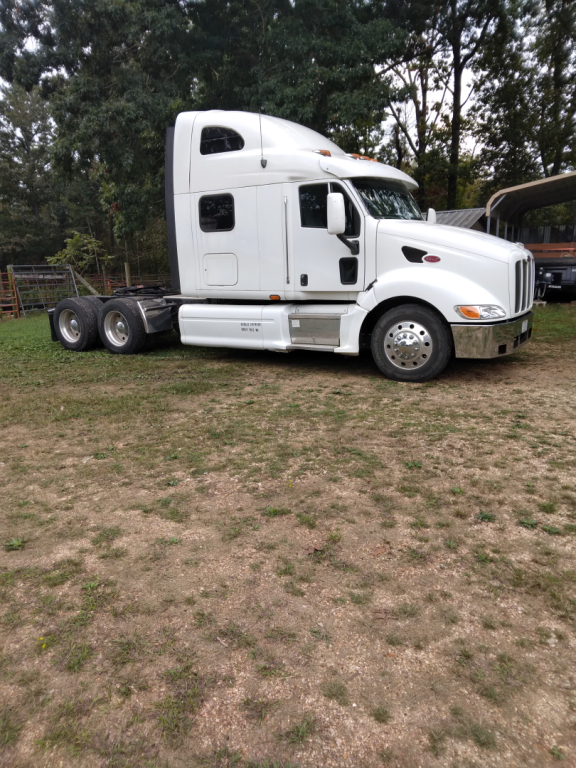
Have commercial truck to sell? List it here to reach thousands of buyers.
Commercial Trucks Near Birch Tree, Missouri
On highway trucks are often evaluated by engine family, transmission type, rear axle ratio, and sleeper size. Common diesel platforms from Caterpillar, Cummins, Detroit, Paccar, International, and Volvo each bring different maintenance profiles and performance characteristics. Buyers comparing used trucks should pay close attention to mileage, idle hours, emissions system history, clutch life, suspension type, and brake condition. A 10-speed or 13-speed manual may appeal to operators who want gearing flexibility and lower acquisition cost, while automated manuals are common for fleets focused on driver availability and fuel consistency. For sleeper tractors, bunk layout, HVAC performance, auxiliary heaters, storage, and overall cab condition can make a major difference in driver comfort and resale.
For work-focused buyers, frame condition, wheelbase, PTO readiness, fifth wheel setup, and tire spec are often more important than appearance. Tandem-axle trucks generally offer better versatility for heavier trailers and higher gross combination weights, while single-axle trucks can make sense for lighter regional routes and tighter operating costs. Suspension options such as air ride or spring ride affect ride quality, load stability, and maintenance expense. Aluminum wheels, locking differentials, wet kits, headache racks, and sliding fifth wheels are all features that may matter depending on the route and trailer type. If the truck will spend time on uneven rural roads, grain facilities, or job sites, ground clearance, traction, and driveline condition deserve a closer look.
A good used truck should match the freight, the driver, and the maintenance budget. Buyers in this category should compare engine brake performance, cooling system service history, steer and drive tire wear patterns, and signs of prior frame or cab repairs. Interior wear can reveal how a truck was treated, but the higher-value clues are usually in service records, fluid condition, suspension wear, and how the truck starts, idles, shifts, and tracks on the road. The best choice is rarely the one with the highest horsepower or the newest model year. It is the truck with the right spec, a clear use case, and a condition profile that supports dependable operation.
Frequently Asked Questions about Commercial Trucks Near Birch Tree, Missouri
What should I look for first when buying a used truck?
Start with the truck’s intended job, then verify that the axle configuration, wheelbase, engine rating, transmission, and cab style fit that application. After that, focus on condition items that affect operating cost, including service history, engine hours, tire wear, suspension wear, brake condition, clutch life, cooling system repairs, and any emissions-related work. A truck that is correctly spec'd for the job usually performs better than one chosen mainly for brand or appearance.
Is a sleeper truck better than a day cab?
A sleeper truck is better for long-haul work, overnight routes, and teams because it adds rest space, storage, and driver comfort features such as bunk HVAC and heaters. A day cab is usually lighter, simpler, and easier to maneuver, which can make it a better fit for local or regional hauling where overnight accommodations are not needed. The right choice depends on route length, payload priorities, and driver requirements.
Which transmission is best in a used truck?
There is no single best transmission for every buyer. Manual transmissions such as 10-speed and 13-speed units remain popular because they are familiar, durable, and often cost less to buy. Automated manual transmissions can improve driver accessibility and fuel consistency, but they should be checked carefully for software updates, clutch calibration, and service history. The best option is the one that matches driver preference, terrain, and maintenance support.
How important are engine make and horsepower in a used truck purchase?
Engine make matters because it affects parts availability, dealer support, known service patterns, and resale appeal. Horsepower should be matched to gross weight, terrain, and route type rather than chosen as a standalone selling point. An overpowered truck can add fuel cost without improving productivity, while an underpowered truck may struggle in hilly areas or under heavier loads. Torque rating, rear axle ratio, and transmission gearing are just as important as the horsepower number.
What truck specs matter most for rural Missouri use?
For rural Missouri operation, buyers often prioritize dependable cold starts, strong engine brake performance, good traction, durable suspension, and a driveline that can handle uneven secondary roads. Tire condition, differential locks, cooling system health, and brake performance are especially important if the truck will see hills, gravel lots, farm lanes, or seasonal weather changes. Service access and parts availability also matter more in rural markets where downtime can be harder to manage.