
Used Autocar Trucks For Sale in North Carolina
Browse used Autocar trucks for sale in North Carolina, including severe-duty vocational models built for refuse, construction, and municipal work.
Learn more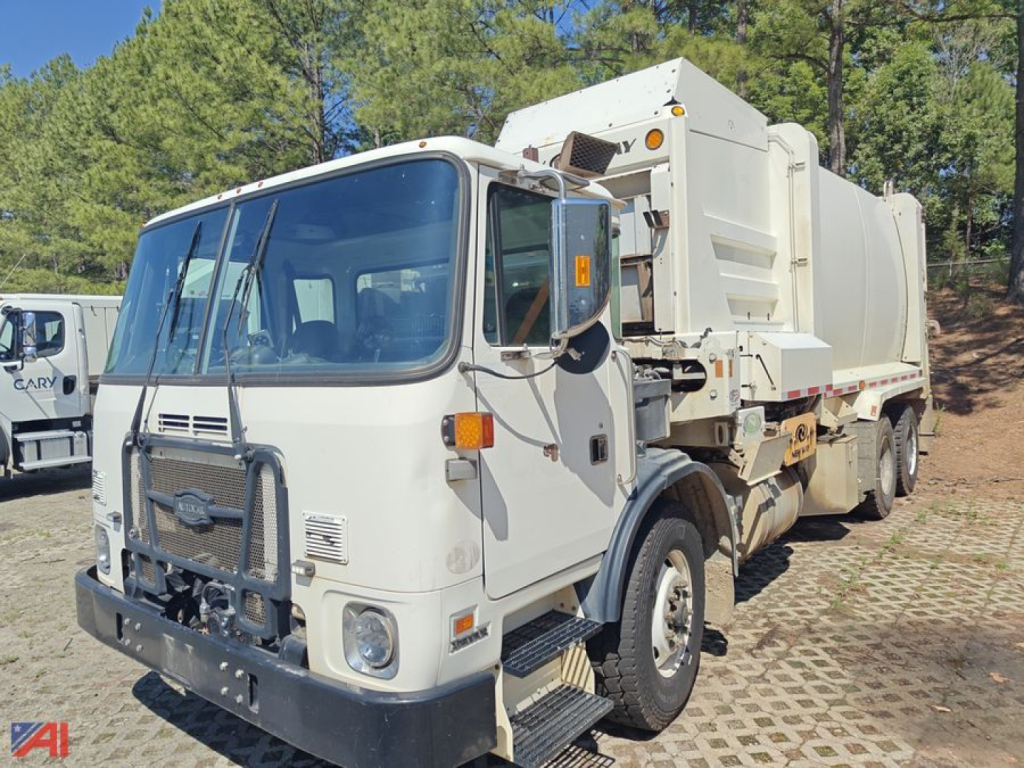

Have used autocar truck to sell? List it here to reach thousands of buyers.
About Used Autocar Trucks in North Carolina
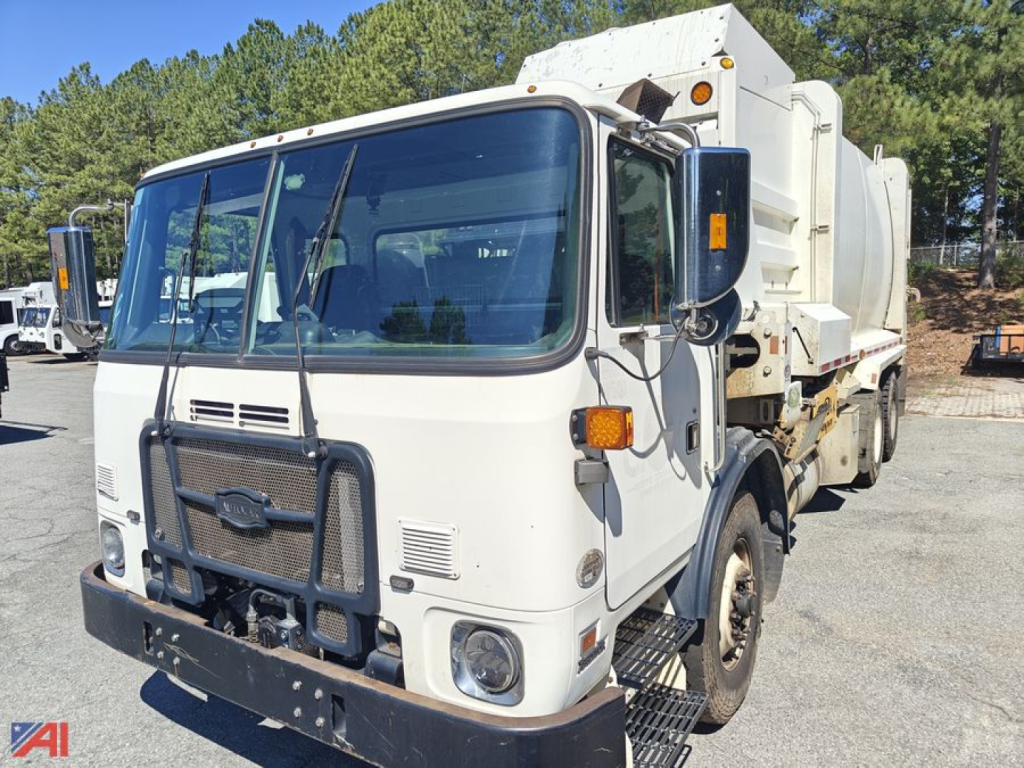
Common used Autocar models include cabover and severe-service platforms designed for tight maneuvering, high visibility, and repeated starts and stops. Refuse-spec units are especially common, with configurations such as dual steer cabovers, high-GVWR front axles, Allison automatic transmissions, and Cummins diesel power. Specs often center around axle ratings, wheelbase, suspension type, and front frame extension because those details determine what body the truck can support and how well it will perform on route. Buyers comparing used Autocar trucks should also verify emissions system service history, cooling system condition, cab lift operation on COE models, and wear points tied to body integration, including hydraulic lines, electrical connections, and control interfaces.
For North Carolina operations, used Autocar trucks can make sense for municipalities, private waste haulers, site service contractors, and fleets that need a purpose-built work truck with a known vocational history. Terrain, route density, and transfer distance all affect the best spec. A local urban refuse route may favor a compact cabover with automatic transmission and tight turning radius, while a more rural application may place more value on axle capacity, suspension durability, and service access. Frame rust, body mounting condition, steering component wear, brake life, and differential noise deserve a close inspection on any used severe-duty truck, especially one that has seen heavy payload cycles.
The strongest used Autocar purchase is one with a clear maintenance file and a spec that matches the intended job without costly rework. GVWR, body type, loading style, and cab configuration should be confirmed before purchase, since changing a vocational truck after the fact can be expensive. On trucks already equipped with refuse or municipal bodies, inspect packer functions, hopper structure, tailgate seals, and PTO engagement as carefully as the engine and driveline. A used Autocar truck is typically bought for uptime in a narrow application, so the best value usually comes from mechanical fit, chassis integrity, and body condition rather than cosmetic appearance alone.
Frequently Asked Questions
What are used Autocar trucks most commonly used for?
Used Autocar trucks are most commonly found in severe-duty vocational service, especially refuse collection, municipal operations, roll-off work, hooklift applications, concrete and construction support, and terminal-style yard spotting. Many Autocar chassis are purpose-built around body installation and repeated stop-and-go cycles, so they are often better suited to specialized local work than over-the-road freight duty.
What should I inspect first on a used Autocar refuse or municipal truck?
Start with the chassis and body integration points. Check frame condition, axle ratings, suspension wear, steering components, brake condition, PTO function, hydraulic performance, and electrical controls between the cab and body. On cabover models, inspect the cab lift system and confirm there is no binding or damage. Service records for emissions components, transmission operation, and body repairs are especially important because downtime on a vocational truck is often tied to auxiliary systems as much as the engine itself.
Are Allison automatic transmissions common in used Autocar trucks?
Yes. Allison automatic transmissions are common in used Autocar trucks, particularly in refuse and municipal applications where frequent stops, starts, and low-speed maneuvering are part of the job. An automatic can improve route efficiency and driver comfort, but buyers should still verify shift quality, fluid condition, PTO compatibility, and any transmission fault history before purchase.
Is a used Autocar cabover a good choice for city routes?
A used Autocar cabover can be a strong choice for city routes because the cab-forward layout improves maneuverability, visibility, and turning radius in tight streets, alleys, and collection points. That said, buyers should confirm the truck's front axle rating, steering configuration, cab entry ergonomics, and ease of service access. In dense urban work, these factors can matter as much as engine horsepower.
Why do GVWR and axle ratings matter so much on a used Autocar truck?
GVWR and axle ratings are critical because Autocar trucks are usually purchased for a specific vocational job with a specific body and payload target. A mismatch in front axle, rear axle, suspension, or wheelbase can limit legal payload, body compatibility, and overall durability. On a used truck, those ratings should be checked against the installed equipment and the intended application before purchase, since correcting a bad spec can be costly.