
Autocar Trucks For Sale in North Carolina
Browse Autocar trucks for sale in North Carolina, including severe-duty vocational models built for refuse, concrete, utility, and municipal work.
Learn more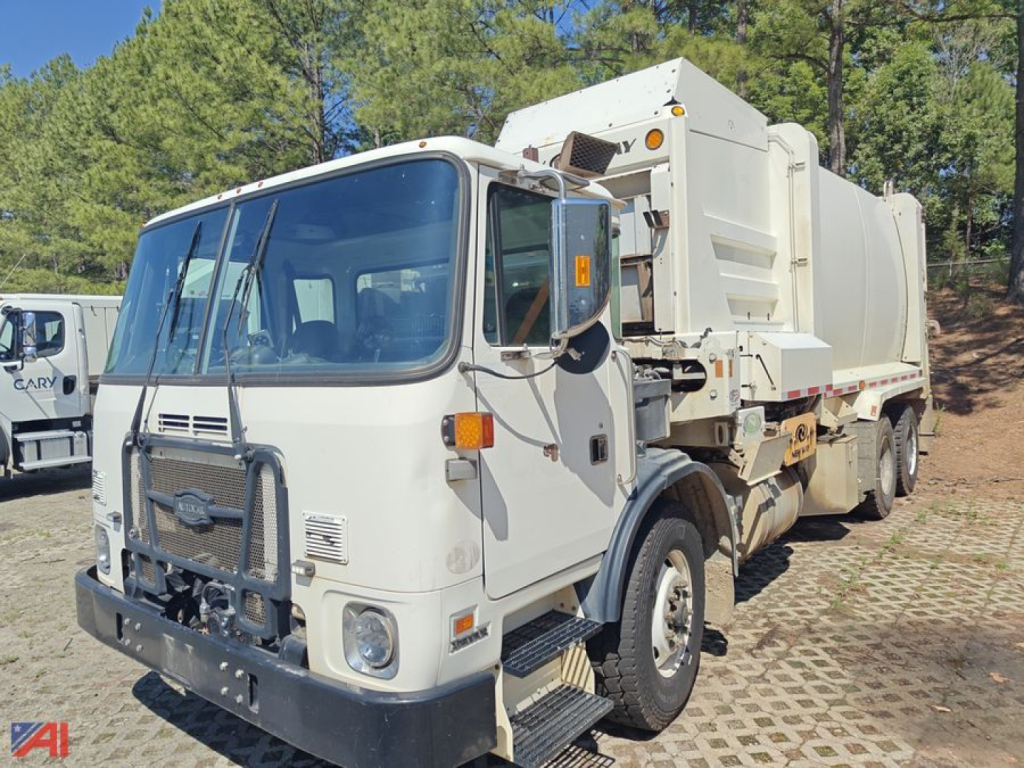

Have autocar truck to sell? List it here to reach thousands of buyers.
About Autocar Trucks in North Carolina
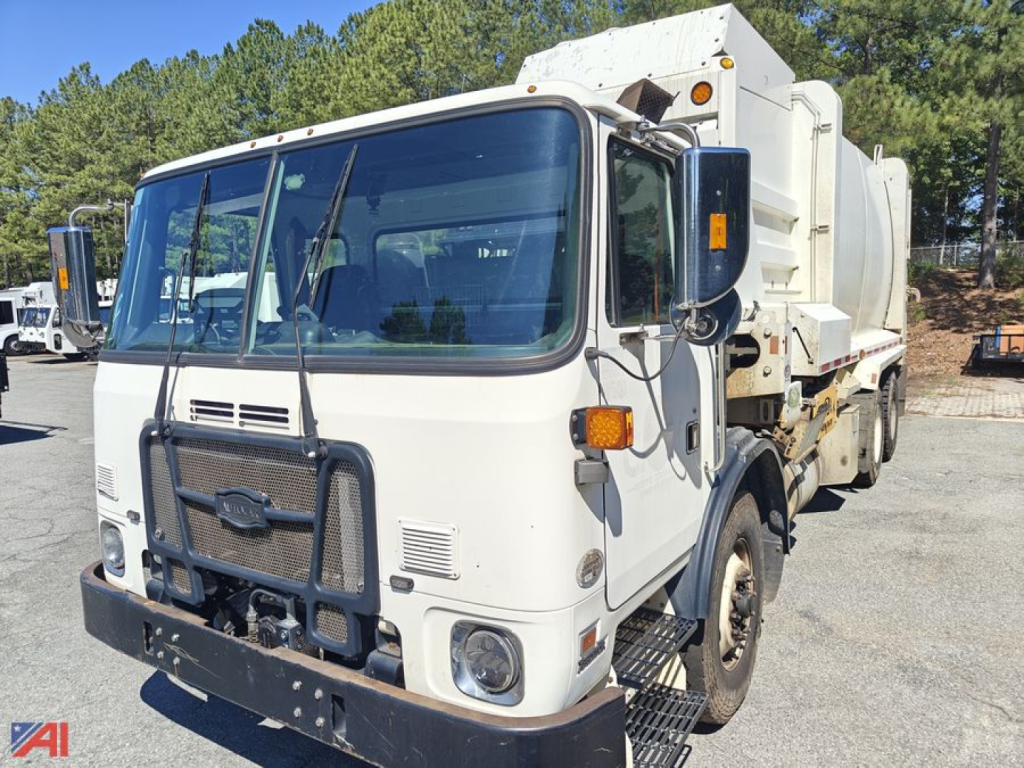
For refuse and municipal buyers, Autocar has a strong reputation in cabover-engine layouts with dual steer and right-hand or left-hand drive options, depending on route design and pickup pattern. Many used Autocar trucks will be equipped with Cummins diesel engines and Allison automatic transmissions, a combination favored for stop-and-go duty cycles and PTO-driven body operation. GVWR can vary widely by application, but severe-duty specs such as 46,000 to 66,000 pounds are common in refuse and heavy municipal service. If the truck includes a packer, side loader, rear loader, roll-off, or hooklift body, pay close attention to hydraulic condition, PTO engagement, cab lift operation, suspension wear, and any active emissions or transmission fault codes. On cabover models, visibility and maneuverability are strong advantages, especially in dense urban routes and older North Carolina municipalities with tighter streets and confined service areas.
A buyer should also evaluate how the truck's original duty cycle affects remaining service life. Refuse trucks and municipal Autocar chassis often accumulate lower highway miles but much higher engine hours, brake cycles, steering input, and body wear than over-the-road equipment. That makes maintenance history especially important. Look for records covering DEF and EGR repairs, injector replacement, cooling system service, rear main seal work, suspension components, and body cylinder or packing system repairs if applicable. Corrosion deserves a close inspection in coastal and humid parts of North Carolina, particularly around body mounts, frame rails, hopper sections, cab floors, and hydraulic plumbing. If the truck is being repurposed from one body style to another, confirm frame dimensions, axle spacing, PTO setup, and electrical integration before assuming it will be a straightforward swap.
Autocar trucks appeal to fleets that need a dedicated work truck rather than a general-purpose highway tractor. They are commonly known for refuse service, but the brand also fits concrete pumping support, utility work, terminal spotting, and other severe-duty roles where uptime depends on a chassis built around the application. Buyers comparing listings should focus on engine family, transmission model, front axle capacity, rear axle ratio, suspension type, wheelbase, body manufacturer, and overall structural condition. A well-spec'd Autocar can be a strong fit for North Carolina fleets that need maneuverability, PTO capability, and a chassis designed to handle repetitive vocational work without the compromises of an on-highway platform.
Frequently Asked Questions
What are Autocar trucks commonly used for?
Autocar trucks are most commonly used in severe-duty vocational applications such as refuse collection, municipal service, utility work, terminal operations, and certain concrete or specialty body installations. The brand is especially well known for cabover refuse chassis designed for high cycle stop-and-go routes, tight turning areas, and PTO-driven body systems. Buyers usually choose Autocar when the truck's job requires purpose-built durability, body integration, and maneuverability rather than long-haul comfort.
What should I inspect first on a used Autocar refuse truck?
Start with the chassis and body as a working system, not as separate components. Check engine hours, idle time, emissions service history, transmission operation, PTO engagement, hydraulic leaks, steering wear, cab lift function, and the condition of the body structure. On refuse units, inspect hopper areas, packing components, cylinders, crossmembers, body mounts, and any signs of cracking or corrosion. A truck with manageable cosmetic wear can still be a good buy, but unresolved fault codes, weak hydraulics, or structural rust can turn a low-mile truck into an expensive repair project.
Are Autocar trucks good for tight urban routes?
Yes. Many Autocar models, especially cabover configurations, are well suited for urban and residential routes because they offer strong forward visibility, a shorter overall package for the body length, and a tighter turning radius than many conventional truck layouts. That makes them a common choice for refuse collection, alley access, and municipal work in dense service areas. For North Carolina buyers working in older downtown zones, suburban neighborhoods, or transfer station environments, maneuverability is often one of the biggest advantages of an Autocar chassis.
Do Autocar trucks usually come with automatic transmissions?
Many vocational Autocar trucks, particularly refuse and municipal units, are spec'd with Allison automatic transmissions. Automatics are preferred in these applications because they handle constant start-stop operation well, reduce driver fatigue, and work efficiently with PTO-driven body equipment. Engine choices frequently include Cummins diesel platforms matched to automatic transmissions for durability in severe-duty service. Exact drivetrain specs still vary by body type, axle rating, and fleet preference, so it is important to verify the transmission model and PTO configuration on each truck.
Why does mileage matter less than hours on many Autocar trucks?
Many Autocar trucks spend their lives in vocational service where the engine runs for long periods at low speed, with frequent stops, hydraulic operation, and heavy accessory loads. A refuse or municipal truck may show modest odometer miles while carrying very high engine hours and significant wear on brakes, steering, suspension, and hydraulic components. For that reason, buyers should weigh maintenance records, total hours, body condition, and evidence of major repairs at least as heavily as mileage when evaluating a used Autocar.