
2019 Autocar Trucks For Sale
Browse 2019 Autocar trucks for sale, including vocational, refuse, terminal tractor, and severe-service models built for demanding fleet work.

Have 2019 autocar truck to sell? List it here to reach thousands of buyers.
2019 Autocar Trucks
On 2019 Autocar trucks, chassis and cab layout matter as much as engine and transmission choice. Many buyers will be comparing axle ratings, wheelbase, PTO setup, frame rail strength, and body integration points before they look at horsepower. Refuse and municipal units often carry Allison automatic transmissions, higher GVWRs, and steerable or lift axle configurations depending on route density and legal payload targets. Power is commonly tied to Cummins engines in vocational ratings, and buyers should verify emissions system condition, idle hours, PTO operation, hydraulic performance, and any body control interface issues. On refuse units especially, the body manufacturer matters almost as much as the chassis, since packer, hoist, cart tipper, or front loader condition can drive total ownership cost.
Cab design is another reason fleets shop Autocar. These trucks are known for driver visibility, set-back front axle maneuverability on certain models, and layouts intended for repeated stops, tight urban routes, and harsh duty cycles. For a 2019 model, pay close attention to corrosion around body mounts, hopper or hoist attachment points, frame inserts, suspension wear, and signs of hard stop-and-go service. If the truck is CNG-powered, confirm tank certification dates, fuel system service records, and local support for compressed natural gas maintenance. If it is diesel, review aftertreatment history, regen behavior, and fault-code records. A clean maintenance file is often more valuable than a lower meter reading on a vocational truck.
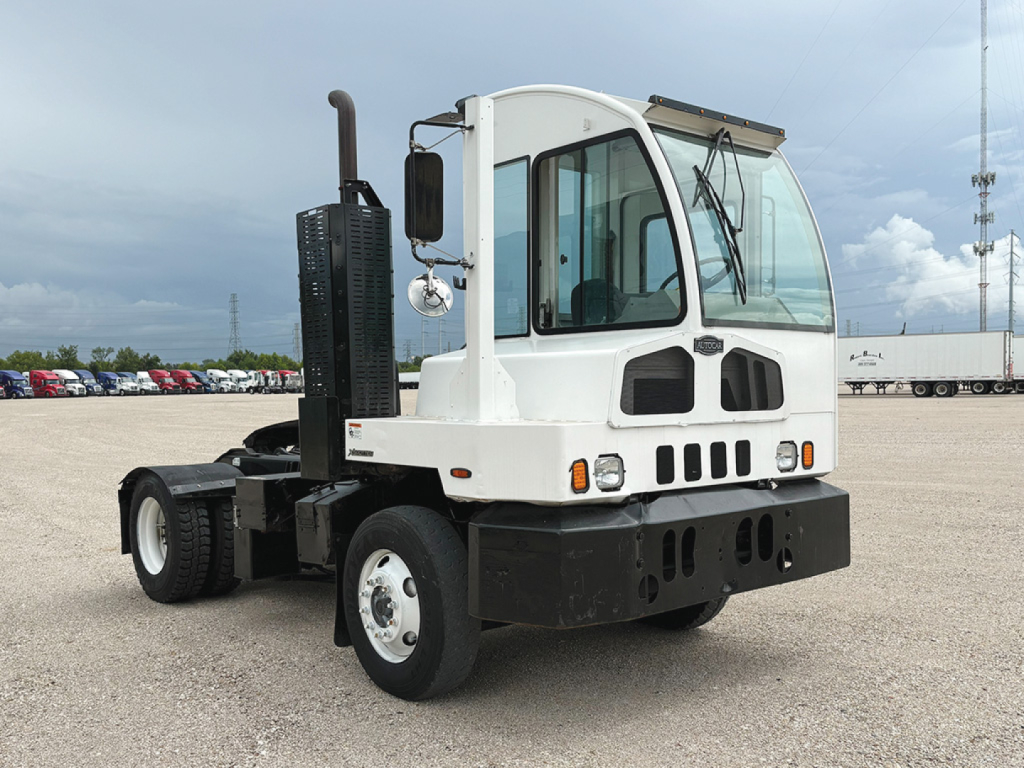
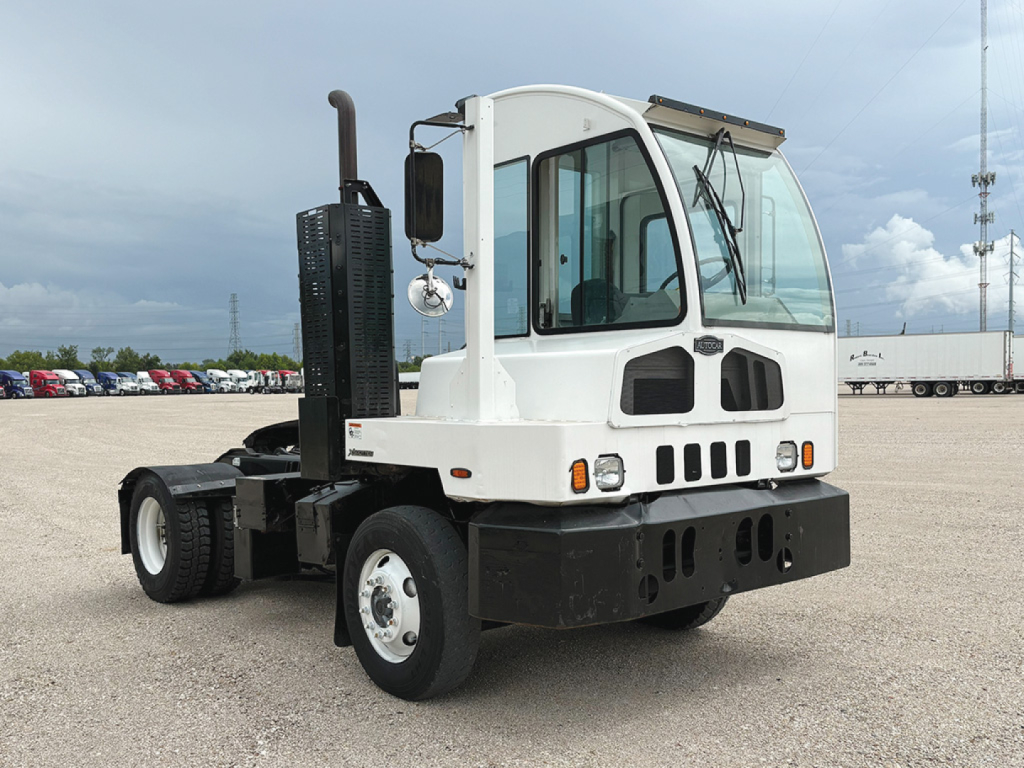
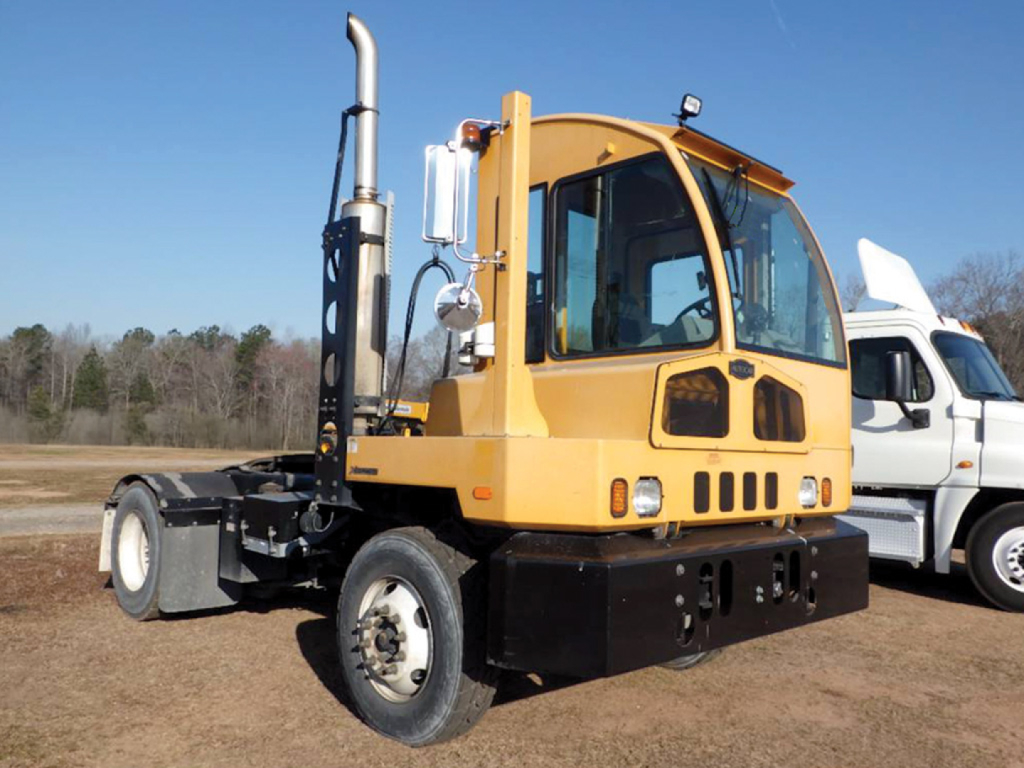
The best 2019 Autocar truck for sale is the one with a spec that already matches the work. A terminal tractor buyer will care about fifth wheel lift speed, visibility, ingress and egress, and automatic trailer locking systems. A refuse buyer will care about body capacity, loader type, route reliability, and front axle capacity. Municipal and utility buyers may focus more on PTO compatibility, frame space, and vocational upfit history. When comparing listings, look beyond make and model to the complete operating package: engine, transmission, axle spread, suspension, body equipment, and documented maintenance. That is where the real value sits in a used Autocar.
Frequently Asked Questions about 2019 Autocar Trucks
What are the most common applications for a 2019 Autocar truck?
Most 2019 Autocar trucks are built for vocational service rather than highway freight. Common applications include refuse collection, terminal tractor or yard spotting, municipal service, and other severe-duty fleet work. The exact use depends on the chassis model and body installed, so buyers should evaluate the truck as a complete work package instead of judging it by cab badge alone.
What should I inspect first on a used 2019 Autocar refuse truck?
Start with the body and hydraulic system, then move to the chassis. Check packer operation, hoist or loader performance, leaks, PTO engagement, and body structure for cracks or corrosion. After that, inspect frame rails, suspension, steer axle capacity, brake condition, transmission behavior, and engine fault history. On refuse trucks, body condition and maintenance records often have a bigger impact on value than appearance or mileage.
Are 2019 Autocar trucks usually diesel or CNG?
Both are found in the market, especially in refuse service. Diesel units are common where fleets want broader service support and familiar emissions diagnostics. CNG units are also popular in municipal and waste applications where fuel policy, route structure, and emissions goals support natural gas. A CNG truck should be checked for tank inspection dates, fuel system service documentation, and technician support in the operating area.
How important is the transmission choice on a 2019 Autocar truck?
Transmission choice is critical because Autocar trucks are application-driven. Allison automatic transmissions are common in stop-and-go vocational work because they improve drivability, PTO integration, and route efficiency. The right transmission should match the duty cycle, body equipment, and gross weight demands. A mismatch between transmission spec and intended work can hurt uptime, fuel economy, and component life.
Is mileage the best way to judge a 2019 Autocar truck?
No. On a vocational truck, hours, route type, PTO usage, and maintenance history can matter more than odometer readings. A lower-mile truck that spent its life in dense urban service or constant hydraulic operation may show more wear than a higher-mile unit with better preventive maintenance. Buyers should review engine hours, idle time, service records, fault codes, and the condition of work equipment before drawing conclusions from mileage alone.