
Ford Auto Carrier Trucks For Sale
Shop Ford auto carrier trucks with key specs, hauling uses, GVWR considerations, deck setup details, and buyer tips for vehicle transport.
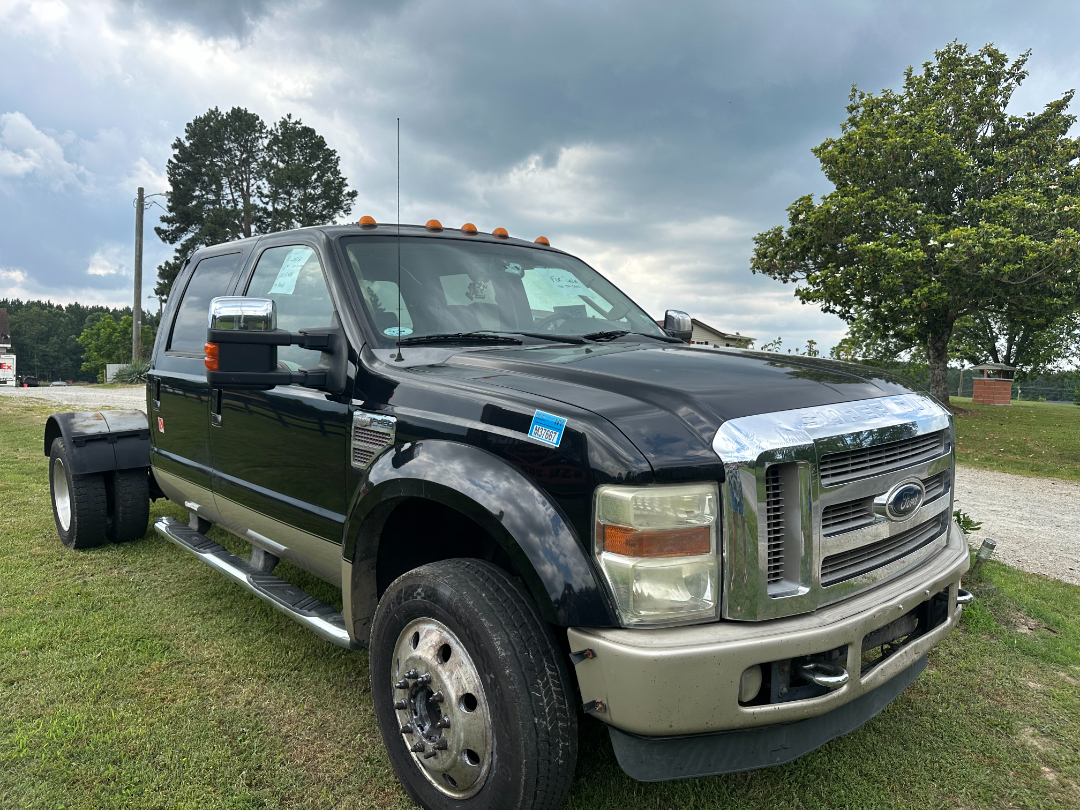
Have ford auto carrier truck to sell? List it here to reach thousands of buyers.
Ford Auto Carrier Trucks
On a Ford auto carrier, the real decision is often the upfit. Some units carry a rollback-style deck that can load low-clearance cars more easily, while others use a purpose-built wheel-lift or small car-hauler body for tighter urban work. Hydraulic system condition, deck length, winch rating, tie-down points, and approach angle all affect day-to-day usability. If the truck will handle heavier SUVs, pickups, or crossover inventory, pay close attention to GVWR, rear axle capacity, suspension setup, brake condition, and the carrier body's rated capacity. Diesel-powered Ford chassis are often favored for torque and durability under load, while gas engines can make sense for lower annual mileage and simpler maintenance.
Cab configuration also changes how the truck works. A regular cab can keep overall length manageable and improve maneuverability in lots, apartment complexes, and city streets. A crew cab adds passenger space but reduces available body length unless the wheelbase increases. Buyers should also look at PTO or hydraulic engagement design, ramp storage, lighting, toolbox placement, frame condition, and signs of hard loading cycles around the bed mounts and rear suspension. If compliance matters in your operation, verify DOT lighting, securement equipment, brake performance, and registration class before comparing units strictly on price.
Ford auto carrier trucks appeal to operators who need a smaller, more maneuverable platform than a Class 7 or Class 8 car hauler. They fit well in local and regional work where access, speed of loading, and operating cost matter more than maximum multi-car capacity. A well-matched Ford chassis and carrier body can be a productive setup for single-vehicle transport, specialty vehicle moves, and support work around dealerships, body shops, impound lots, and service fleets. The best buying decision usually comes down to matching the truck's chassis ratings and carrier design to the actual mix of sedans, SUVs, light trucks, and recovery-related jobs it will see.
Frequently Asked Questions about Ford Auto Carrier Trucks
What Ford models are most common for auto carrier truck applications?
Ford auto carrier trucks are most commonly built on F-450 and F-550 Super Duty chassis because they offer a practical balance of frame strength, axle capacity, maneuverability, and upfit compatibility. In lighter-duty applications, an F-350 may appear, but most buyers moving vehicles commercially prefer the added GVWR and rear axle capacity of the heavier chassis. The right choice depends on the carrier body, expected vehicle weights, and whether the truck will be used for transport, recovery support, or mixed-duty work.
What should I check first when buying a used Ford auto carrier truck?
Start with the chassis ratings and the carrier body's actual capacity, then inspect the hydraulic system, winch, deck, frame, suspension, brakes, and tire condition. An auto carrier can look clean and still be mismatched for the vehicles it is expected to haul. Buyers should confirm GVWR, rear GAWR, wheelbase, bed length, securement points, and any signs of structural fatigue around body mounts or rear frame sections. Service records for the engine, transmission, hydraulic pump, and brake system are especially valuable.
Is a rollback bed better than a wheel-lift setup on a Ford auto carrier?
A rollback bed is generally better for loading disabled vehicles, low-clearance cars, and vehicles that need full-deck support during transport. A wheel-lift setup can be faster and more compact for short moves, repossessions, and tight urban work, but it may be less versatile depending on the type of vehicles being handled. The better configuration depends on your load mix, available space, and how often you need to move inoperable vehicles versus quick hook-and-go assignments.
Can a Ford auto carrier truck handle SUVs and pickup trucks?
Many Ford auto carrier trucks can handle SUVs and some light pickups, but capacity depends on the exact chassis, axle ratings, deck rating, and overall equipment setup. Buyers should not assume that all F-450 or F-550 based carriers are rated the same. Vehicle weight, wheelbase, center of gravity, and loading angle all matter. A carrier that performs well with sedans may be marginal with heavier SUVs or half-ton pickups if the deck, winch, or rear axle capacity is limited.
Are diesel Ford auto carrier trucks better than gas models?
Diesel Ford auto carrier trucks are often preferred for frequent hauling because they deliver strong low-end torque and tend to perform well under sustained load. Gas models can still be a sound choice for lower-mileage local work where acquisition cost and maintenance simplicity are priorities. The better option depends on annual miles, average load weight, idle time, terrain, and service costs in your market. Buyers should compare total operating cost, not just engine type.