
Commercial Trucks For Sale Near Aurora, Illinois

Have commercial truck to sell? List it here to reach thousands of buyers.
Commercial Trucks Near Aurora, Illinois
For semi trucks, key buying points are sleeper size, axle ratio, wheelbase, emissions system, and transmission type. A mid-roof or condo sleeper changes both driver comfort and payload flexibility, while axle ratios such as 3.36, 3.55, or 3.73 affect cruise RPM, startability, and fuel economy. Many buyers in northern Illinois pay close attention to DEF systems, EGR history, engine hours, and whether the truck has a manual, automated manual, or full automatic transmission. Front axle ratings around 12,000 pounds and rear axle ratings around 40,000 pounds are common on tandem road tractors, along with 22.5-inch rubber, dual fuel tanks, air slide fifth wheels, and PTO provisions on some units. Service records, overhead condition, brake and tire percentages, and any recent work on injectors, harnesses, air dryers, or aftertreatment components often tell you more than appearance alone.
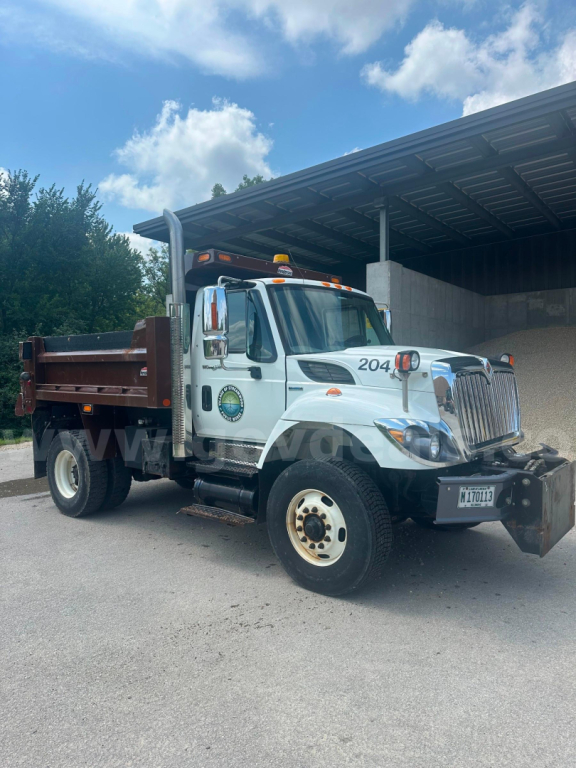
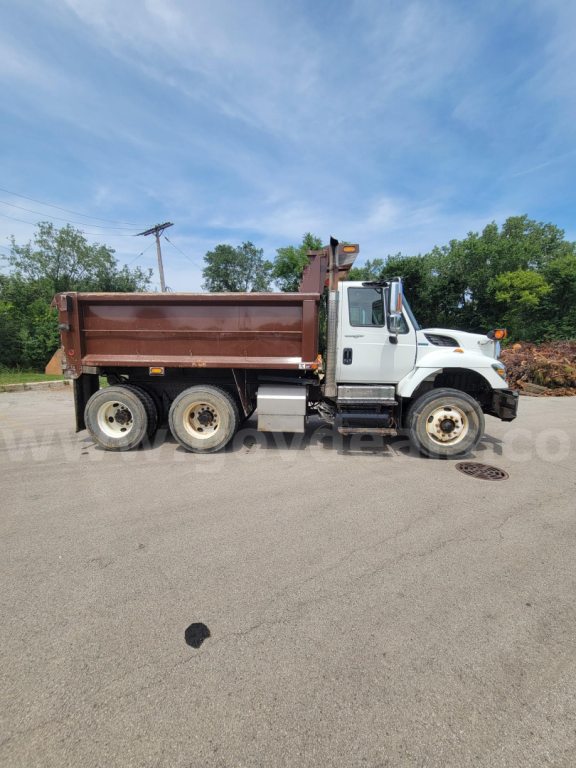
Vocational trucks like dump trucks need a different inspection mindset. Body condition, hoist performance, frame integrity, rust at cab corners and crossmembers, PTO engagement, hydraulic leaks, and tailgate operation matter as much as mileage. In the Aurora area, road salt exposure can accelerate corrosion on dump bodies, underbodies, and electrical connections, so Midwest rust is a real value factor. Buyers should also verify GVWR, front axle capacity, suspension type, wheelbase, and whether the truck is single-axle or tandem-axle, since those details determine legal payload and jobsite suitability. A shorter wheelbase improves maneuverability in tight urban work, while a heavier tandem setup handles aggregate, demo, and asphalt more effectively.
Used trucks in this category can cover everything from local delivery and municipal work to regional freight and long-haul operation, so matching the truck to route profile and maintenance budget is critical. A highway tractor with a proven 13-liter engine, clean title, and documented repairs may be a better value than a newer unit with unknown downtime risk. A medium-duty or dump truck with lower miles but visible frame or body corrosion may still fit seasonal or property maintenance work if the structure and hydraulics check out. For buyers shopping trucks for sale in Aurora, IL, the smartest comparisons usually come down to engine and transmission pairing, axle configuration, emissions history, frame and body condition, and how easily the truck can be put to work without immediate capital spending.
Frequently Asked Questions about Commercial Trucks Near Aurora, Illinois
What types of trucks are commonly available for sale in Aurora, Illinois?
Aurora truck listings often include heavy-duty semi tractors, dump trucks, and medium-duty work trucks. Semi tractors are usually configured for regional or over-the-road freight with sleeper cabs, tandem rears, and 10-speed, 13-speed, or automated transmissions. Dump trucks and chassis trucks are more common in construction, municipal, landscaping, and utility work, where PTO equipment, axle ratings, and body condition are major buying factors.
What should I check first when buying a used semi truck?
Start with engine history, transmission type, axle configuration, title status, and maintenance records. Then inspect emissions components, blow-by, coolant condition, tire and brake life, suspension wear, and any signs of frame damage or poor repairs. Mileage matters, but recent documented work on injectors, air systems, cooling components, clutch, or aftertreatment can be more important than the odometer when judging remaining service life.
Why is rust such an important factor on trucks in Illinois?
Illinois trucks often operate in snow, road salt, and wet conditions that accelerate corrosion. Rust can affect cab mounts, dump bodies, crossmembers, brake lines, wiring, fuel tank straps, and structural frame areas. Surface rust is common and not always a deal breaker, but scaling, perforation, or corrosion around suspension hangers and hydraulic mounts can turn a low-priced truck into an expensive repair project.
How do I choose between a dump truck and a road tractor for my business?
The choice depends on the work cycle and revenue model. A road tractor is built for pulling trailers over distance and is usually optimized for fuel economy, driver comfort, and highway gearing. A dump truck is designed for carrying and unloading material directly from the chassis, with emphasis on PTO operation, body durability, axle capacity, and maneuverability on rough or confined jobsites. Buyers should base the decision on payload type, average trip distance, required licensing, and how often the truck will operate on paved roads versus off-road or mixed surfaces.
Are manual transmissions still a good choice in used trucks?
Manual transmissions are still a solid option for many fleets and owner-operators because they are familiar, durable, and often less expensive to repair than some automated systems. They can also offer more control in heavy haul, off-road, or vocational work. The tradeoff is driver preference and availability, since some fleets have moved toward automated manuals to simplify training and reduce driver fatigue. The best choice depends on the application, the driver pool, and the service support available for that drivetrain.