
Trucks For Sale Near Atlanta, Georgia
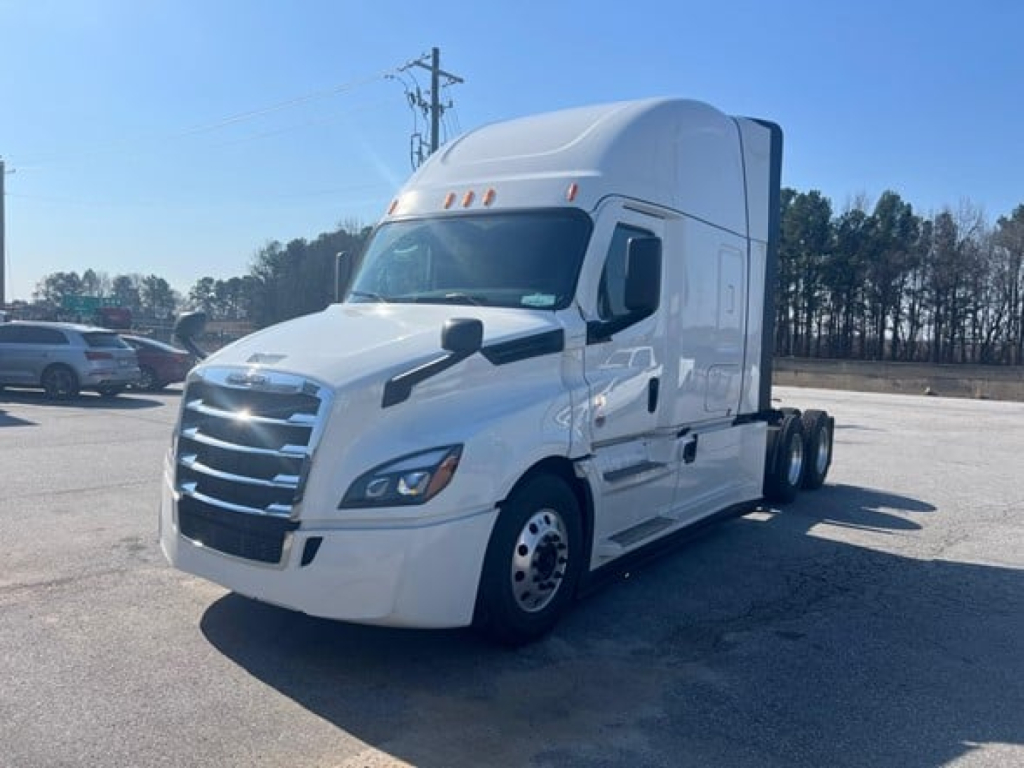
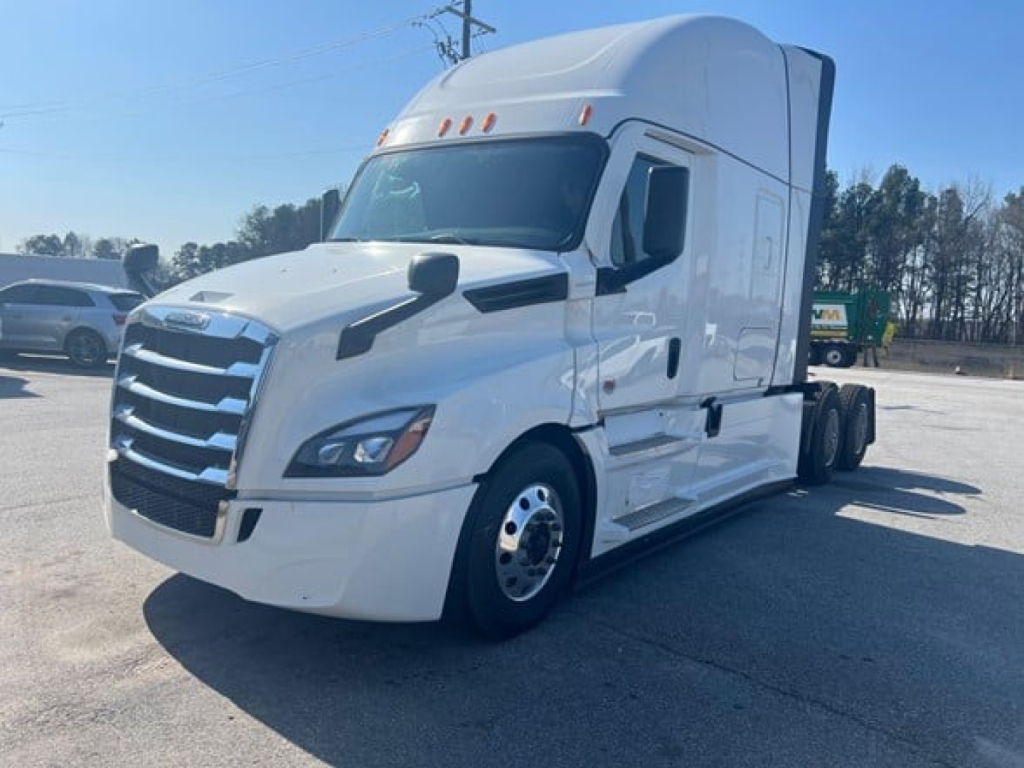
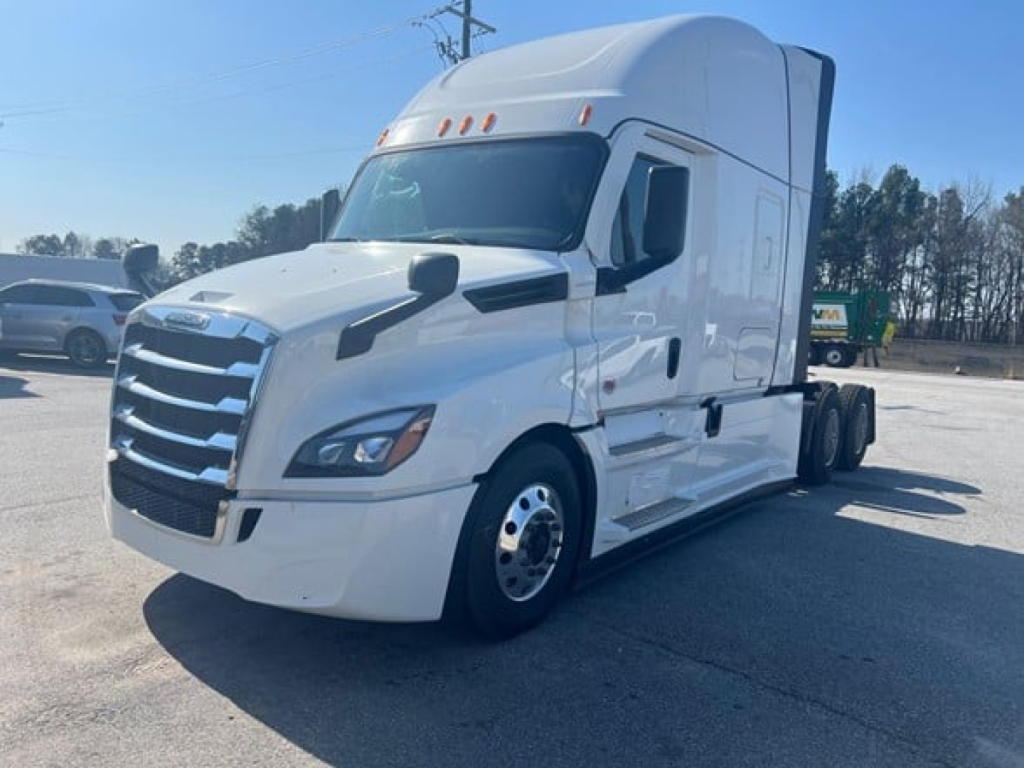
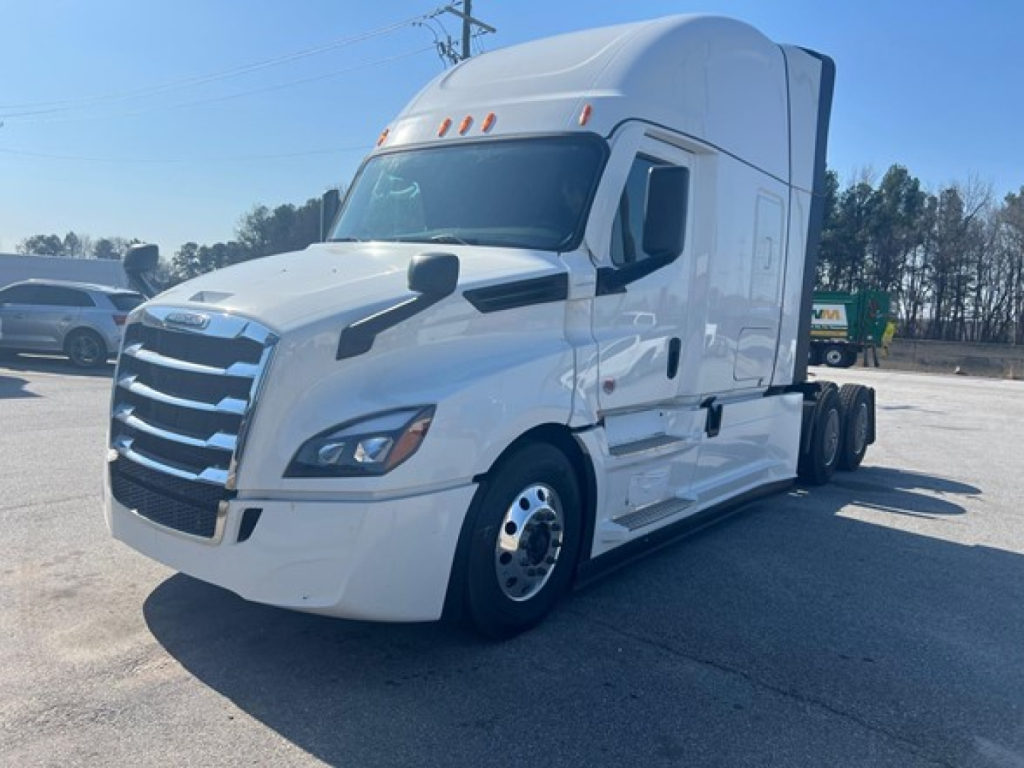
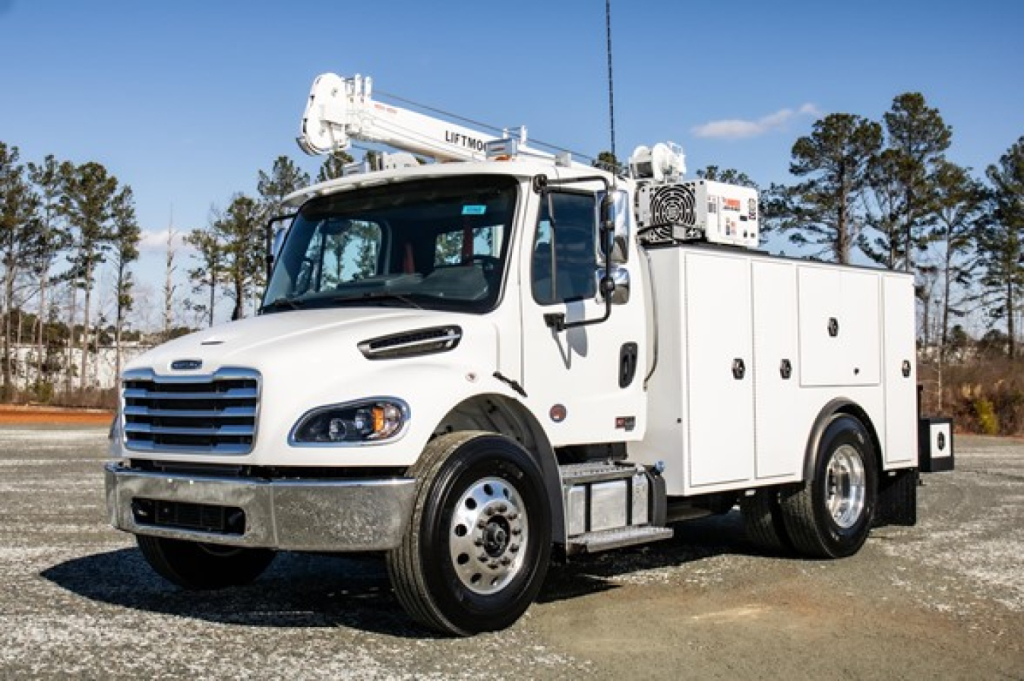
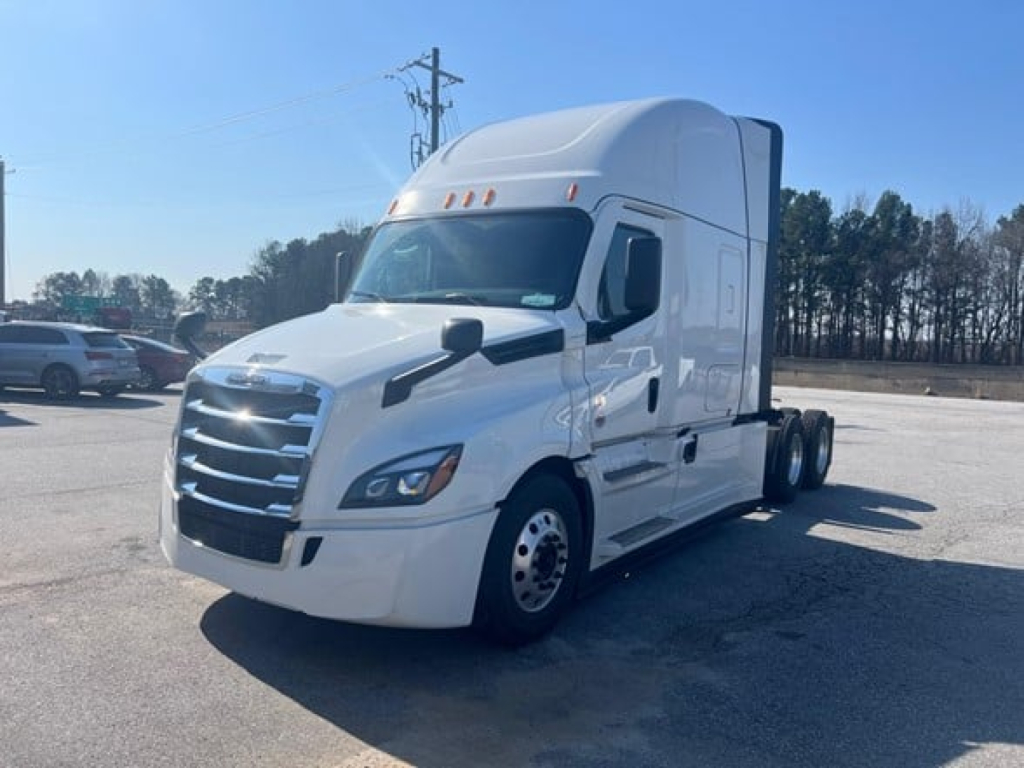
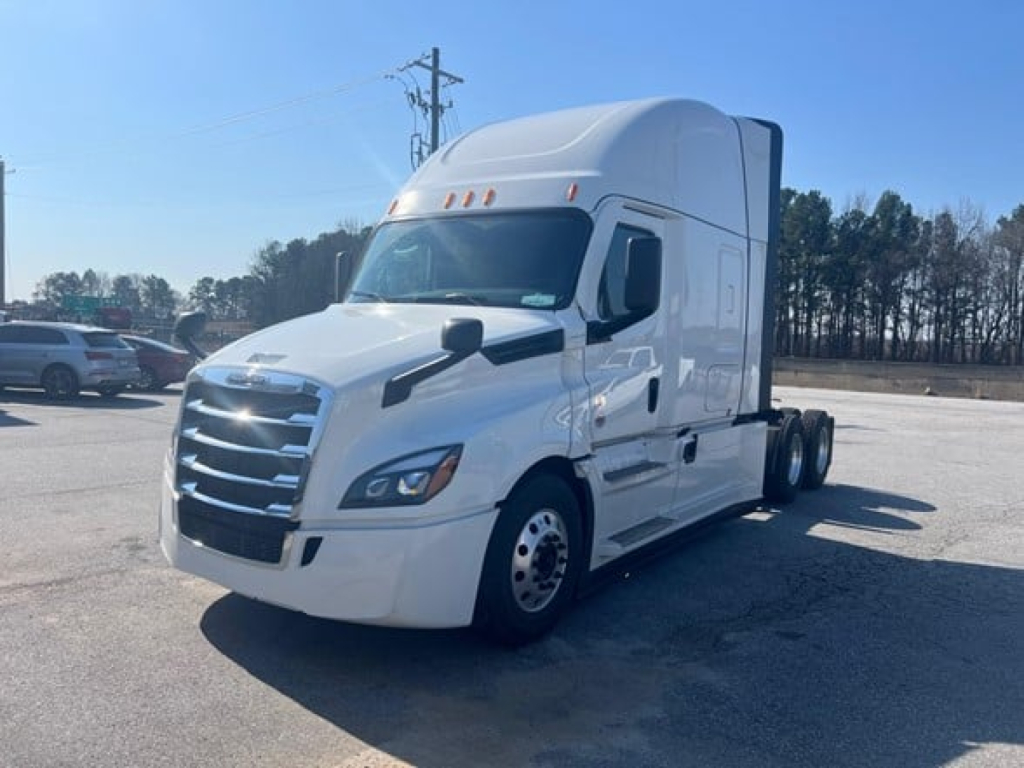
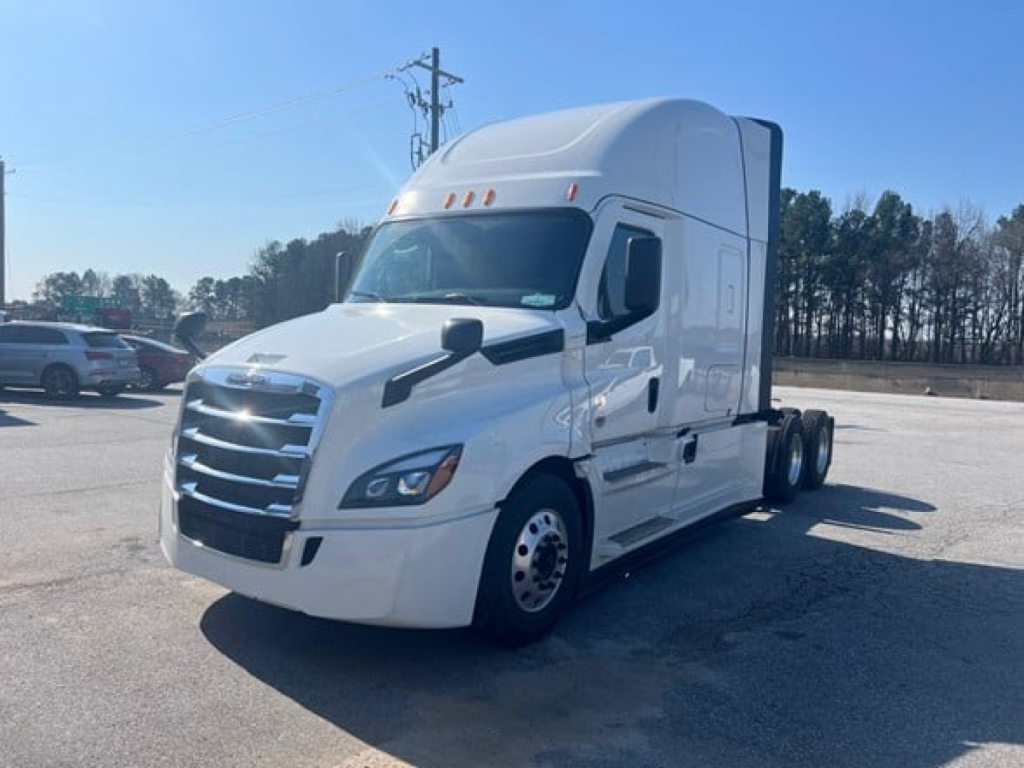
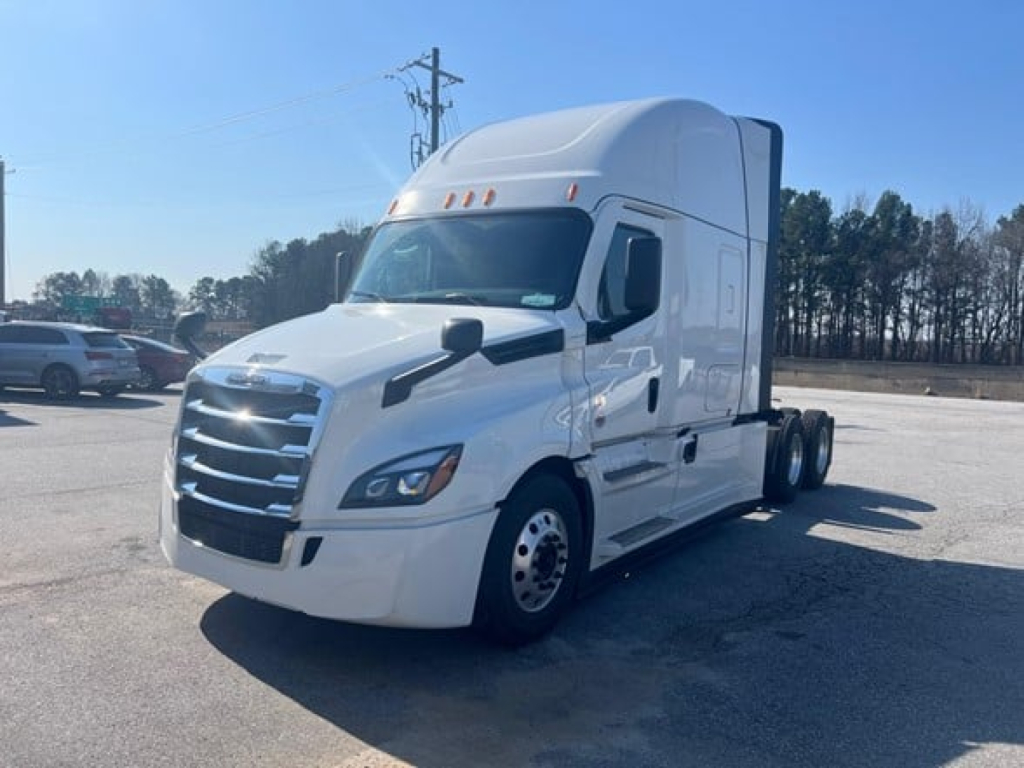
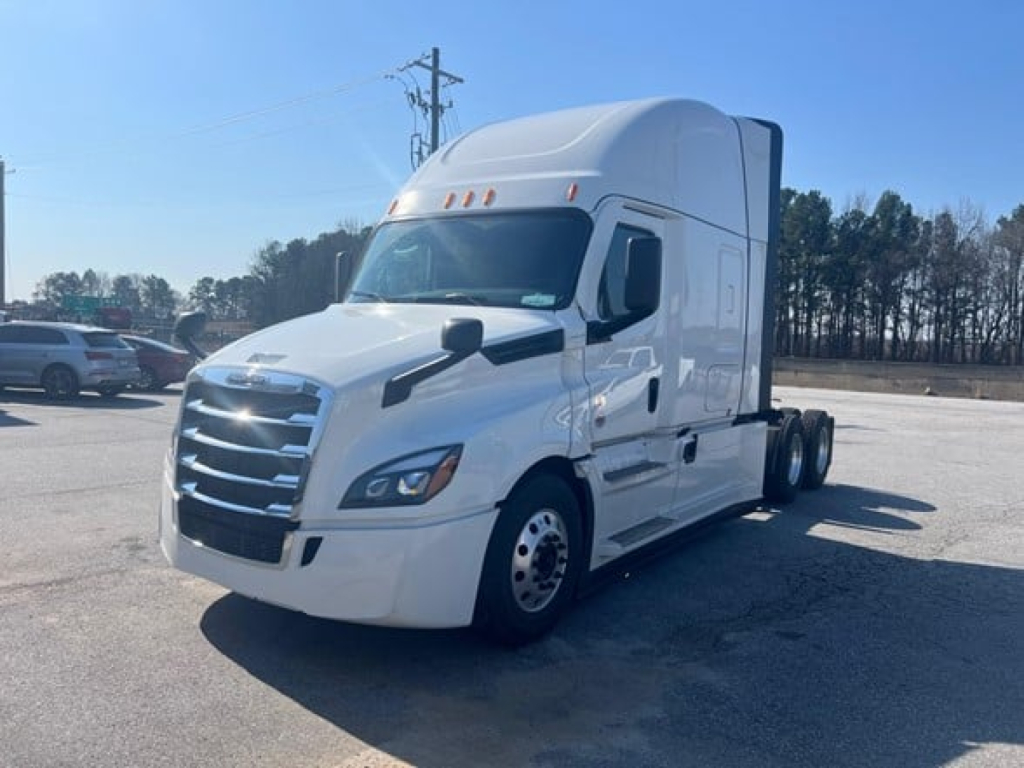
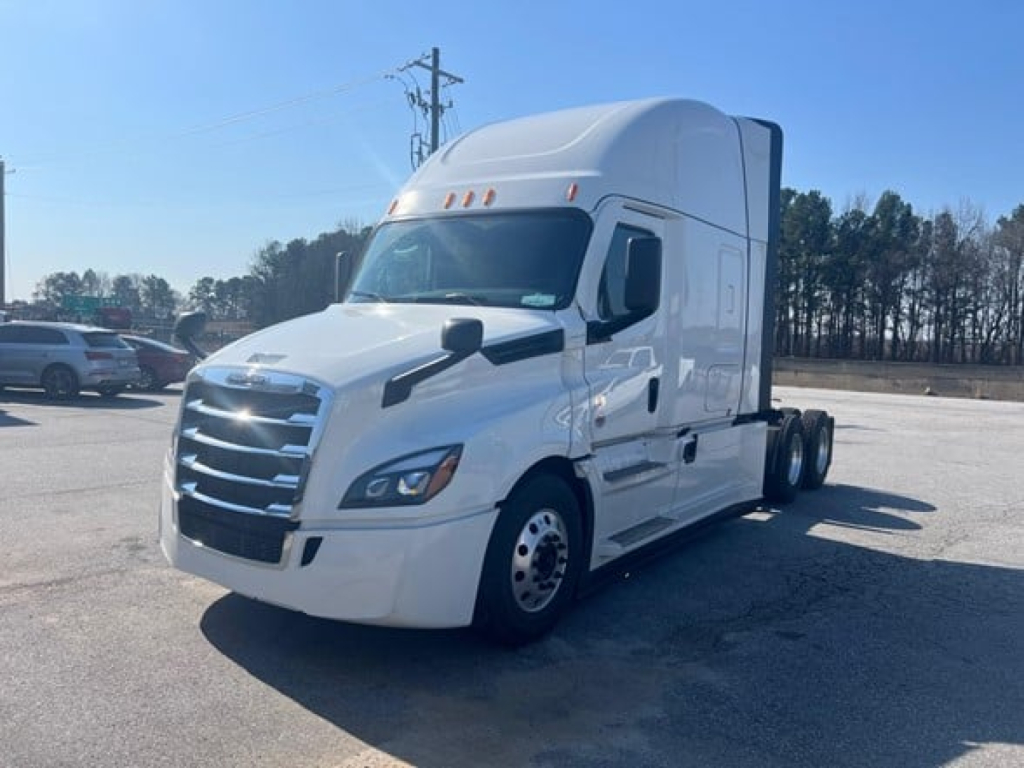
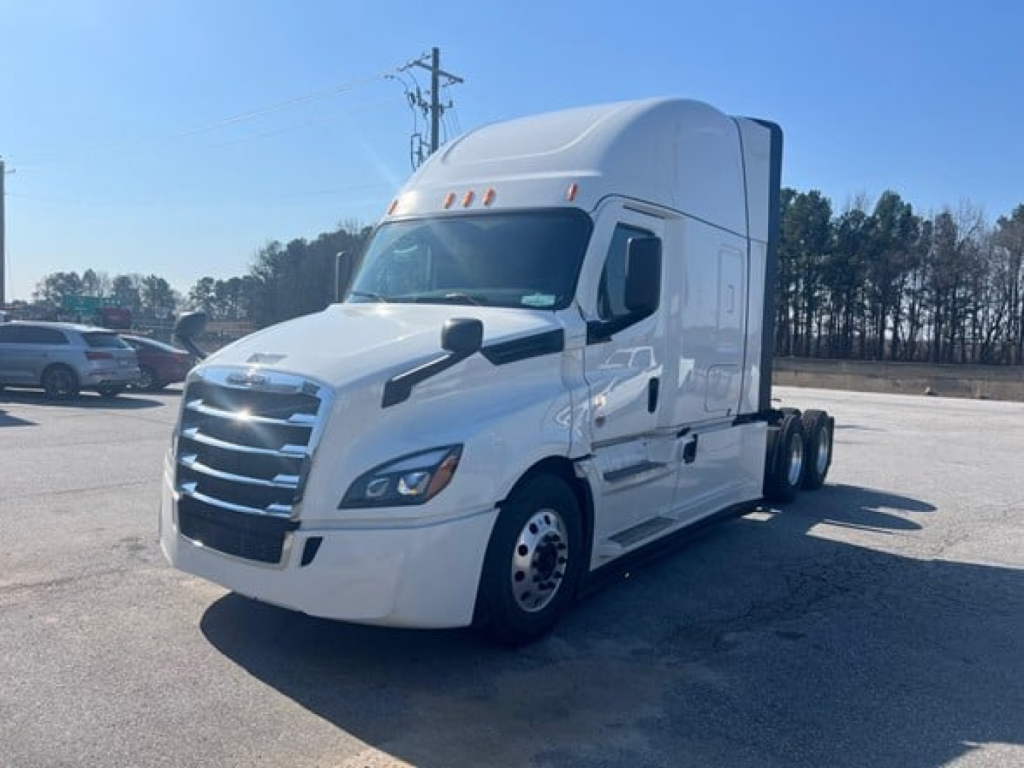
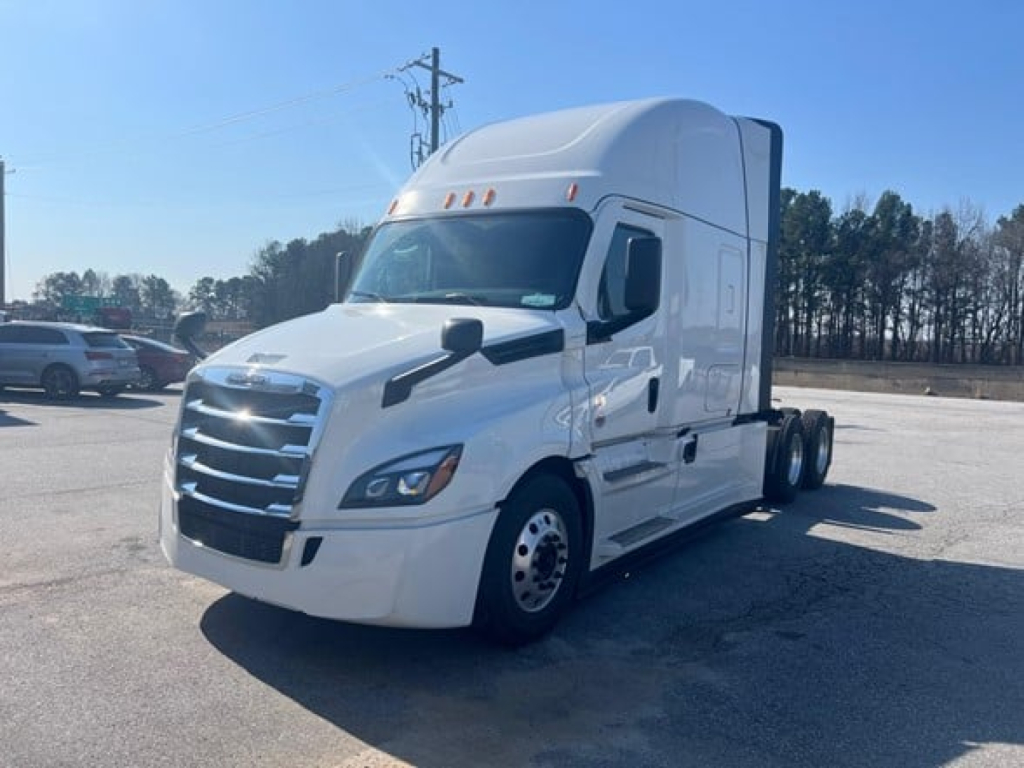
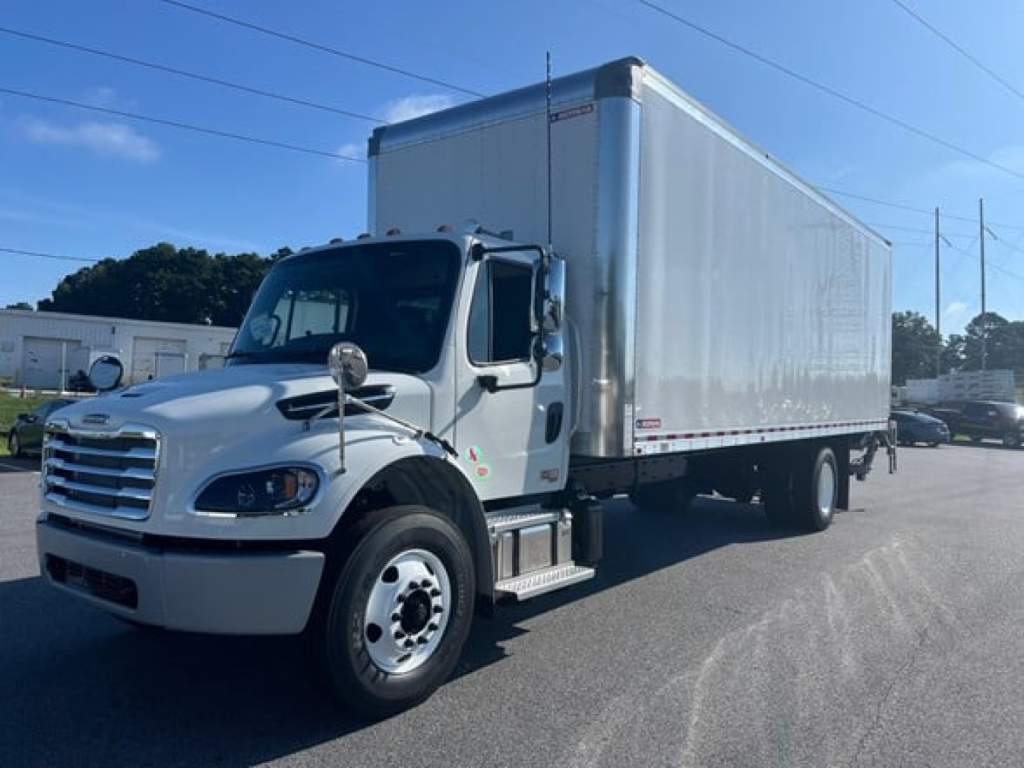
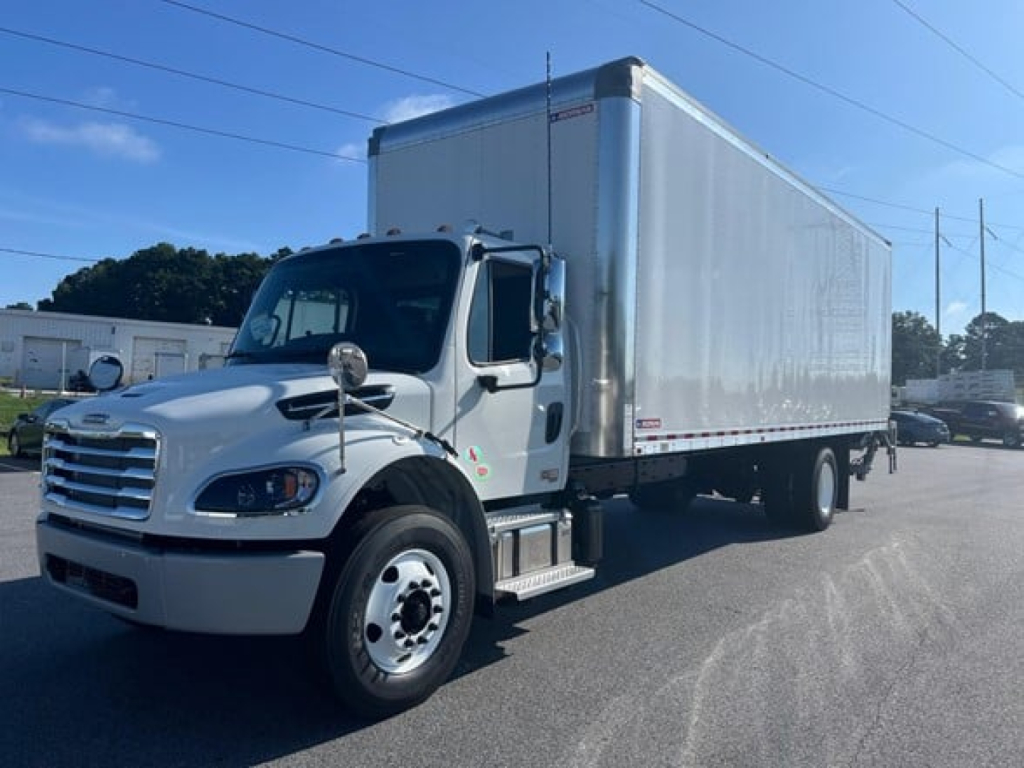
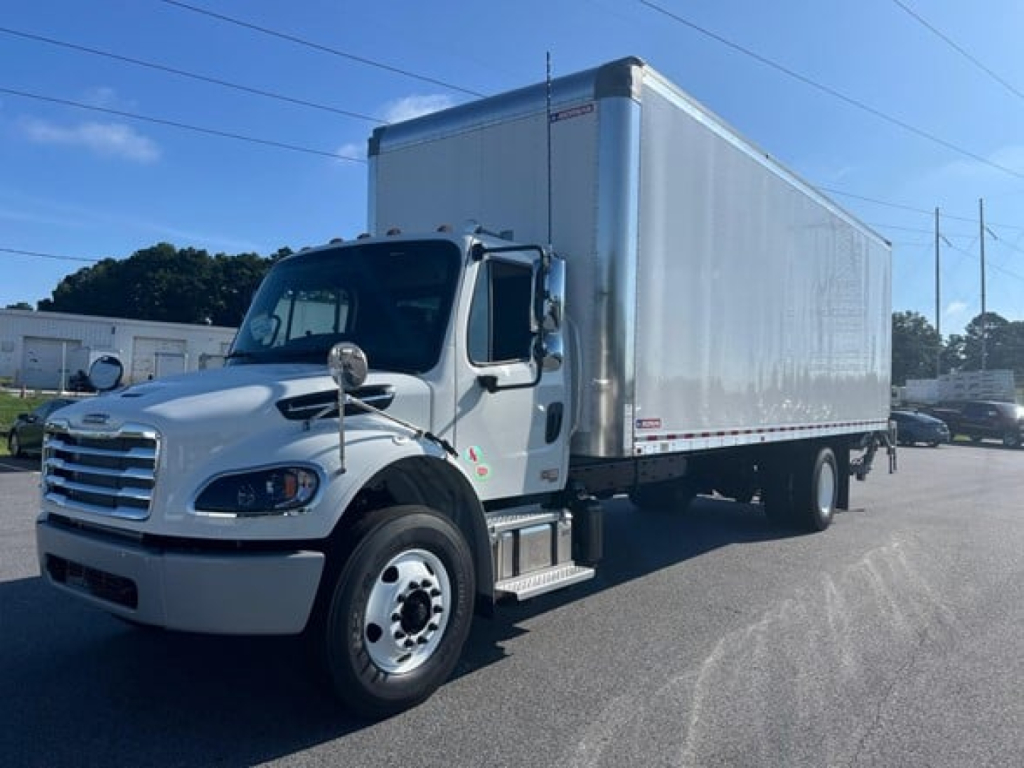
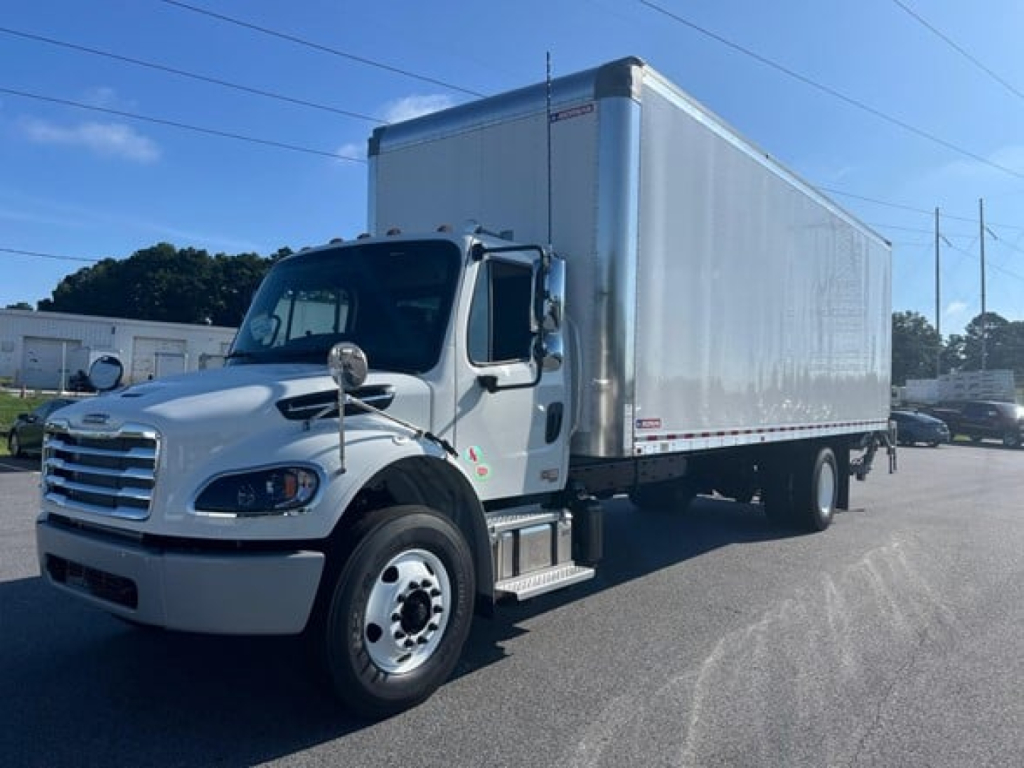
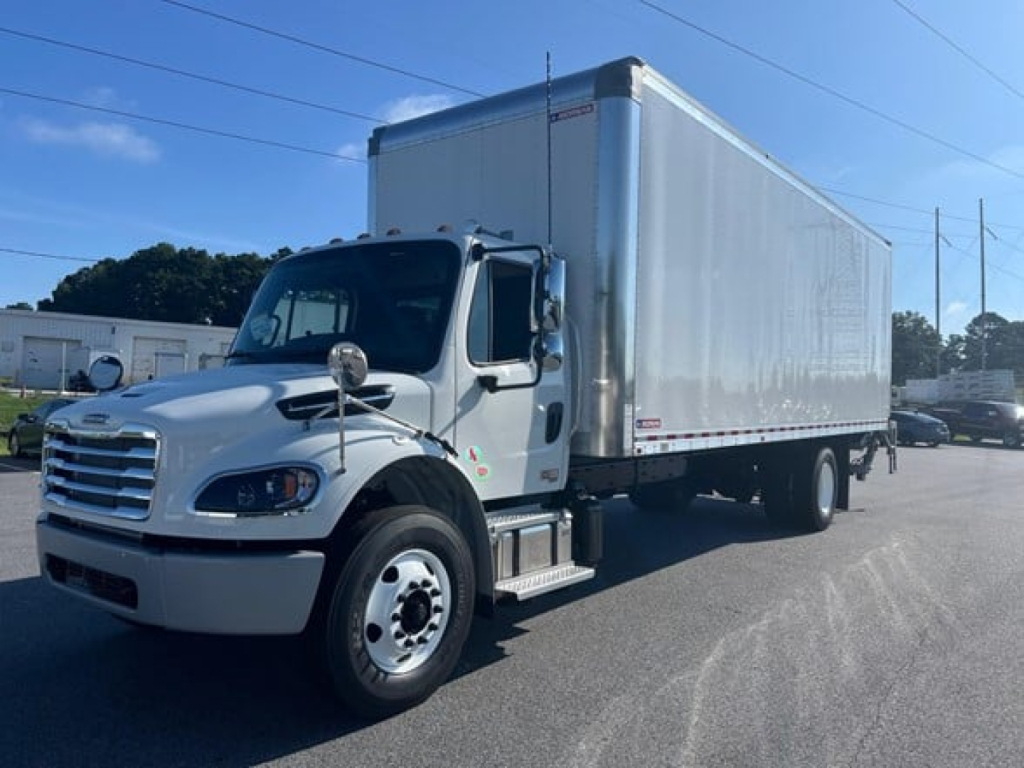
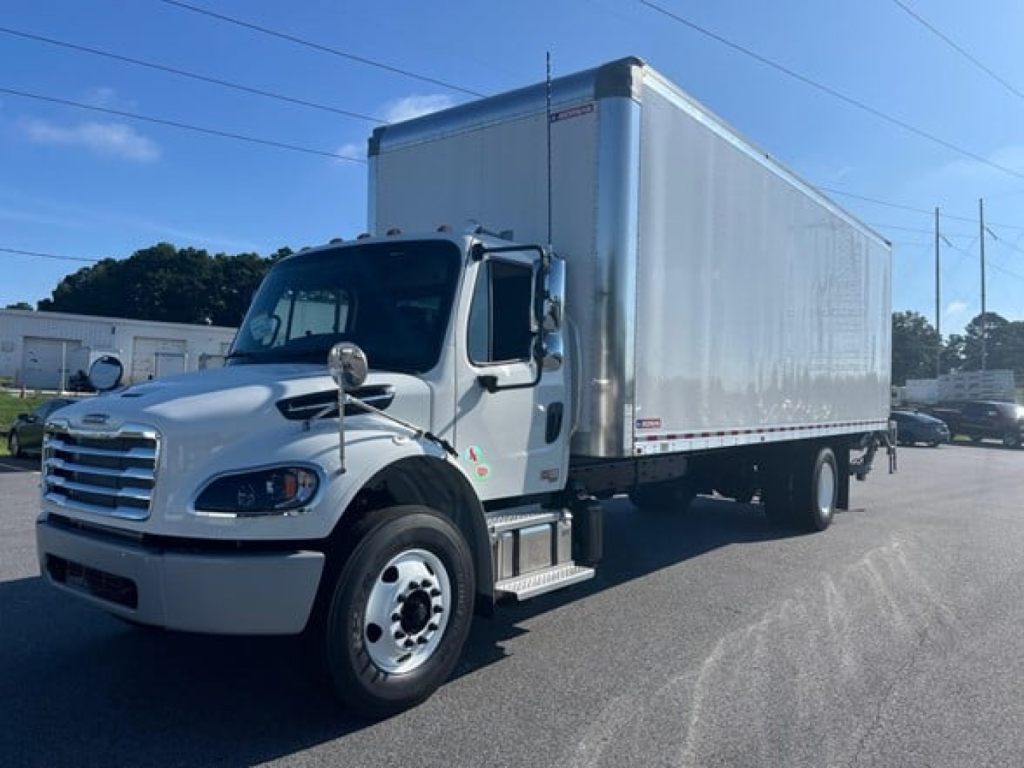
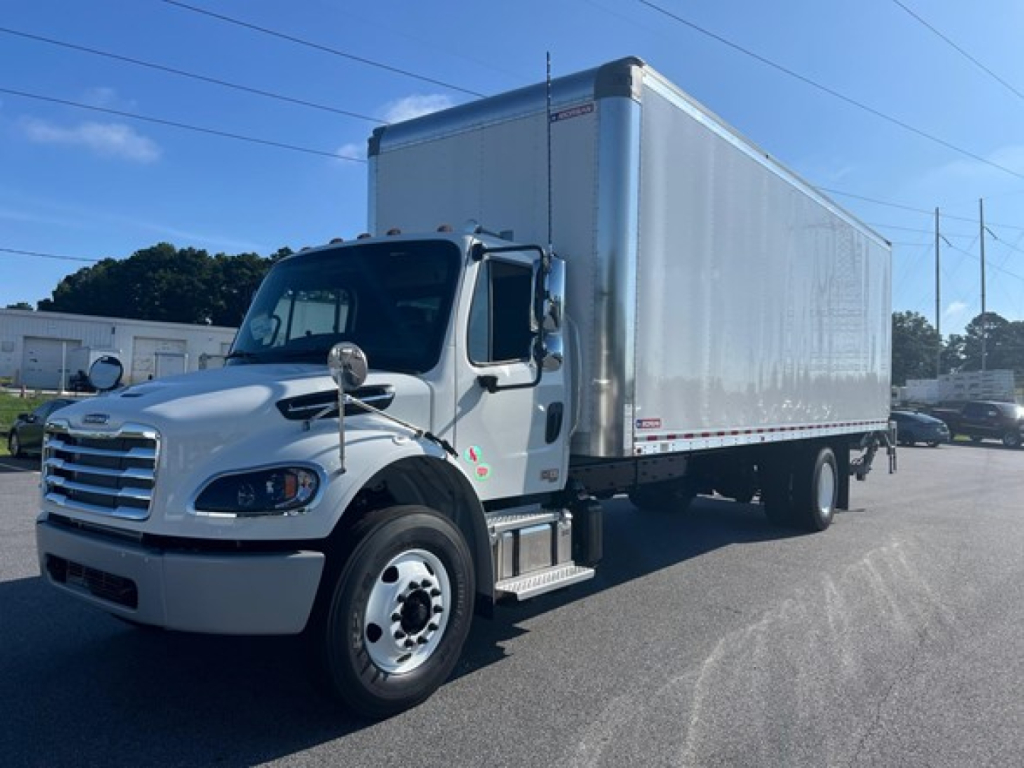
Showing 25 to 48 of 83 results
Have truck to sell? List it here to reach thousands of buyers.
Trucks Near Atlanta, Georgia
For lighter-duty trucks, buyers usually focus on wheelbase, roof or body height, payload, fuel type, and ease of loading in tight metro conditions. Cargo vans and cutaway box trucks are common choices for parcel delivery, contractor fleets, mobile service, and final-mile operations around Atlanta. Gas engines, automatic transmissions, and 4x2 drivetrains are common in these segments because they simplify service and suit stop-and-go routes. On heavier trucks, the spec conversation changes quickly to horsepower, torque, front and rear axle ratings, suspension type, PTO compatibility, transmission choice, and frame strength. Tandem dump trucks often run 6x4 drivetrains, heavier front axles, spring suspension, and automatic or automated transmissions designed for vocational work cycles.
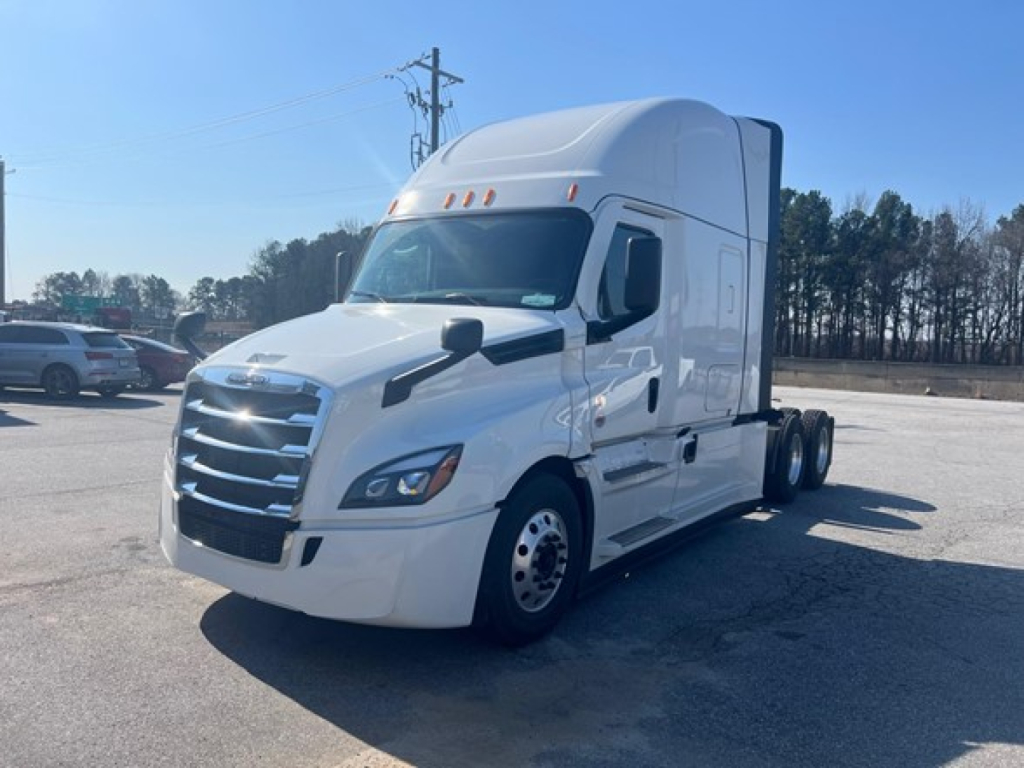
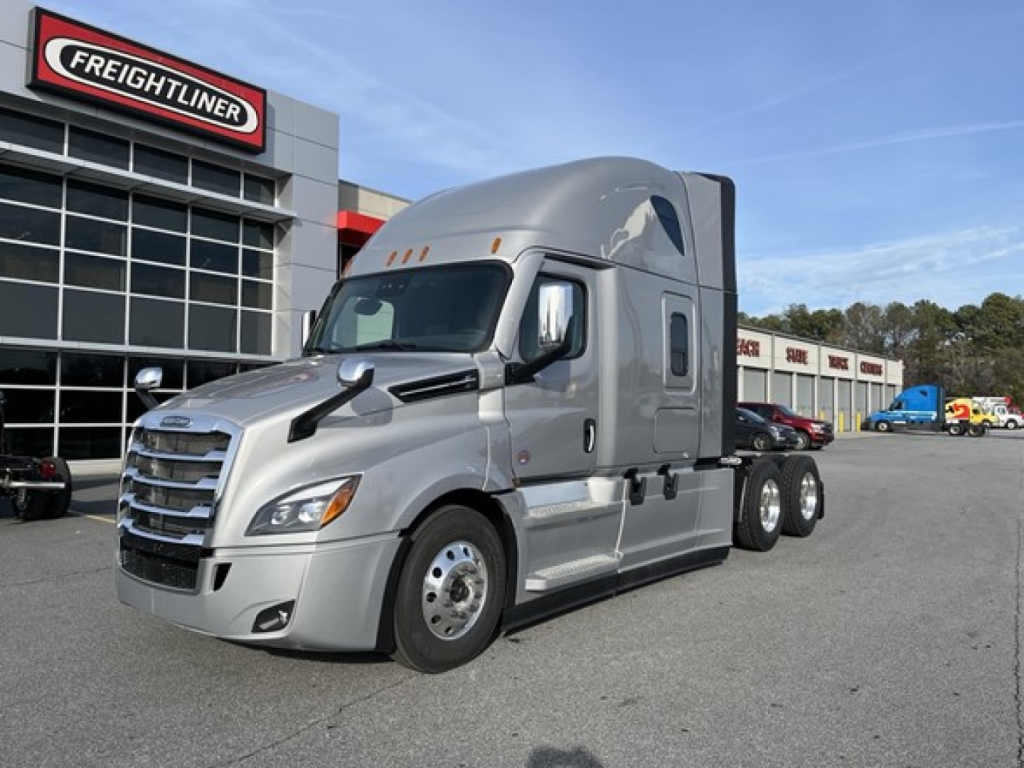
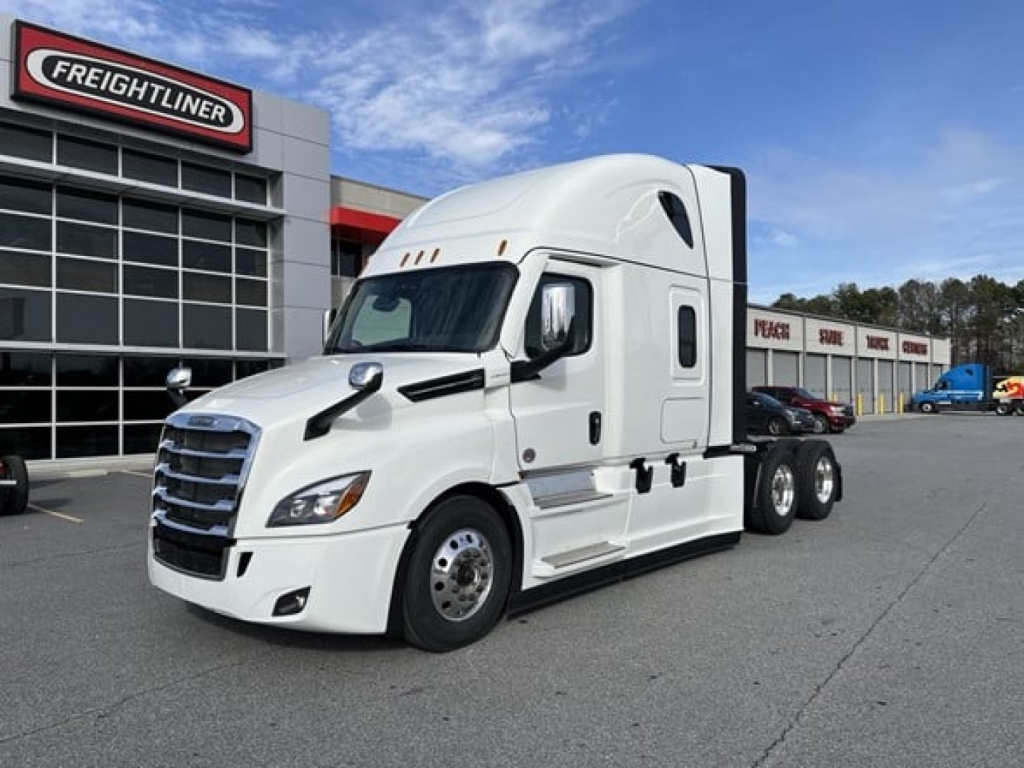
If you are shopping Class 8 trucks, pay close attention to how the chassis was built for its intended body or trailer. A dump truck buyer should verify body composition, hoist setup, liner or insulation needs, gate style, tarp system, and legal bridge considerations. A sleeper buyer should look harder at engine family, transmission model, rear axle ratio, wheelbase, and whether the truck is optimized for fuel economy, heavy haul, or a mixed regional application. Features like engine brakes, double-frame construction, all-aluminum wheels, and air ride seating matter because they affect durability, driver comfort, and resale. In Georgia, local terrain, urban congestion, and jobsite access can also influence whether a shorter wheelbase, automatic transmission, or higher maneuverability makes more sense.
Used versus new is another major decision in this category. A newer truck may offer emissions system updates, warranty support, and current safety or driver-assist features, while a used truck can make sense when the priority is lower acquisition cost or a proven vocational spec. Either way, buyers should review mileage or engine hours, title status, brake and tire condition, service history, and how closely the truck's existing specification matches the intended operation. For mixed fleets, standardizing engines, transmissions, and service parts across cargo vans, box trucks, dump trucks, and sleepers can reduce downtime and training costs. The strongest truck purchase is usually the one that fits the route, payload, body, and maintenance plan with the fewest compromises.
Frequently Asked Questions about Trucks Near Atlanta, Georgia
What types of trucks are commonly listed in the Atlanta, Georgia market?
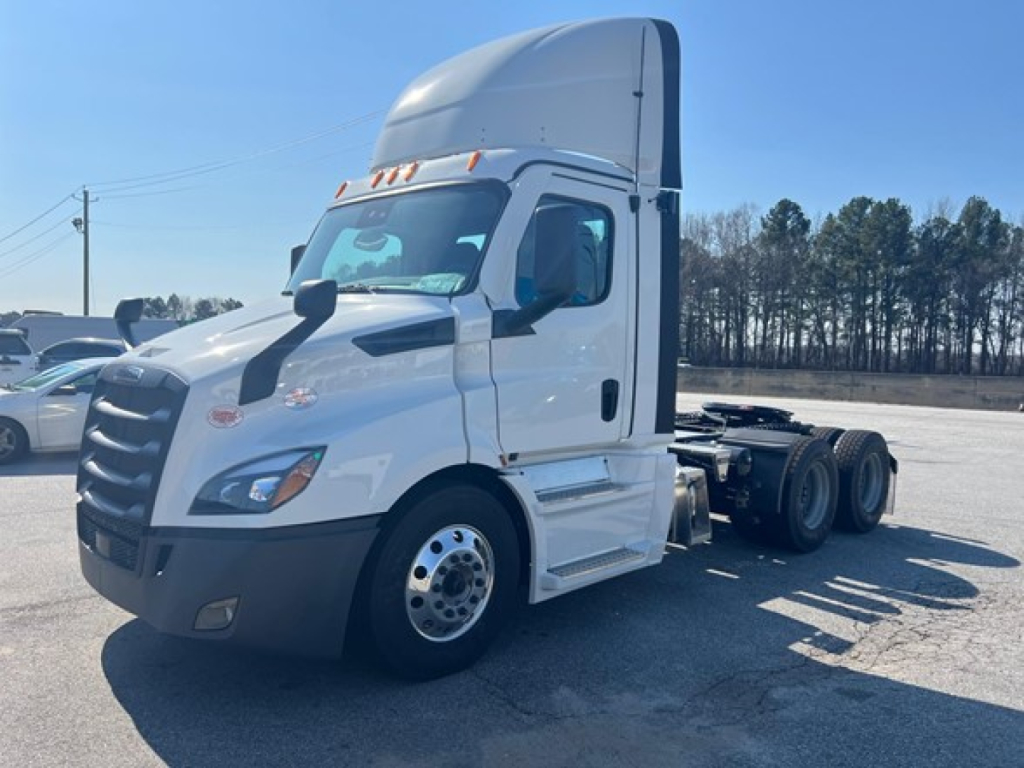
The Atlanta market typically includes light-duty cargo vans, cutaway box trucks, medium-duty work trucks, tandem dump trucks, and Class 8 highway tractors with day cabs or sleepers. That mix reflects the region's strong construction, distribution, contractor, and freight activity. Buyers can often compare urban delivery units and heavy vocational trucks on the same page, so the best approach is to filter by application, GVWR, axle setup, and body style first.
How do I choose between a cargo van, a cutaway box truck, and a heavier straight truck?
The decision comes down to payload, cargo cube, dock access, and the type of route. A cargo van is usually best for lower payloads, frequent stops, and easier maneuvering in dense traffic or parking-lot deliveries. A cutaway box truck adds enclosed volume and can support higher payloads while still working well on local routes. A heavier straight truck makes sense when the job requires more GVWR, stronger frames, larger bodies, or more demanding commercial use.
What should I look for in a dump truck specification?
Start with axle ratings, suspension, frame design, and drivetrain because those determine how the truck handles payload and jobsite stress. Then look at body length, steel or aluminum construction, liner or insulation requirements, gate configuration, and tarp system. Transmission choice matters too, especially for repetitive stop-start work or driver turnover, where automatic and Allison-equipped vocational trucks are often preferred. Legal weight compliance and local bridge laws should be checked before finalizing a spec.
What matters most when comparing Class 8 sleeper trucks?
Engine model, horsepower, transmission type, rear axle ratio, wheelbase, and sleeper size are the core comparison points. Those specs determine how the truck performs on highway grades, what cruise RPM it turns, how efficiently it handles a typical load, and how comfortable it is for the driver. Buyers should also review maintenance history, emissions system service, tire and brake condition, and whether the truck was built for regional hauling, long-haul freight, or heavier applications.
Is a new truck or a used truck the better value?
Neither is automatically the better value because the answer depends on utilization, financing, maintenance capacity, and downtime tolerance. New trucks can provide warranty coverage, updated emissions components, and current safety technology. Used trucks can lower upfront cost and may already be spec'd for a proven application. The better value is usually the truck with the right configuration, documented condition, and realistic total operating cost for the work it will actually perform.