
Commercial Trucks For Sale Near Apex, North Carolina
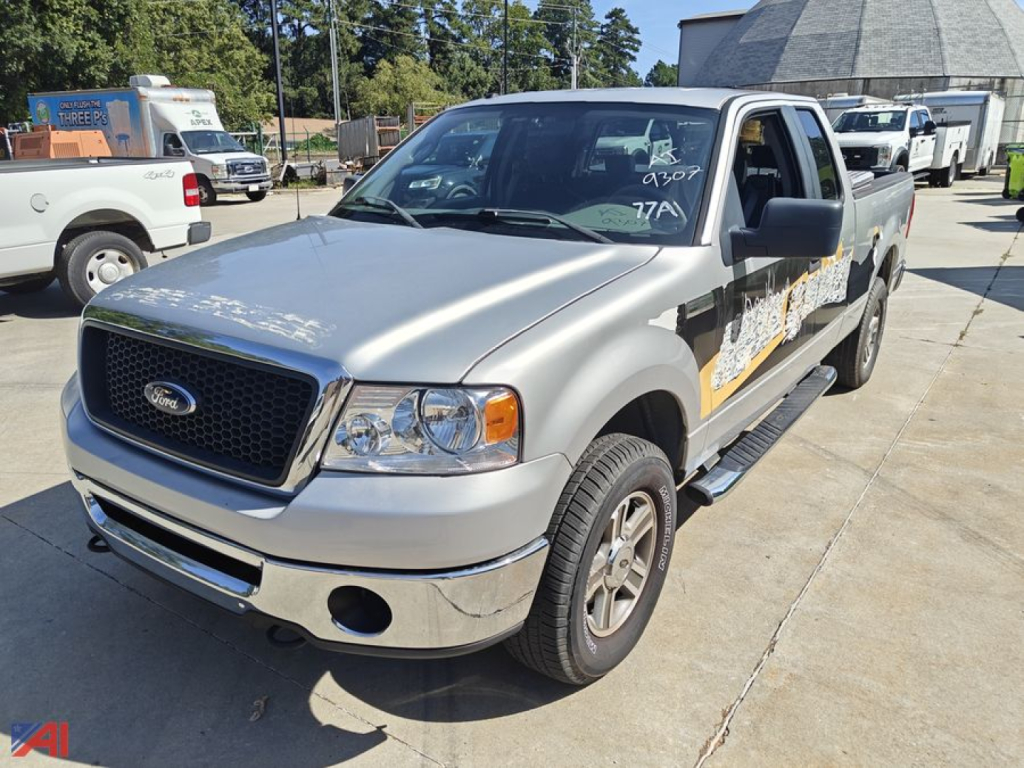
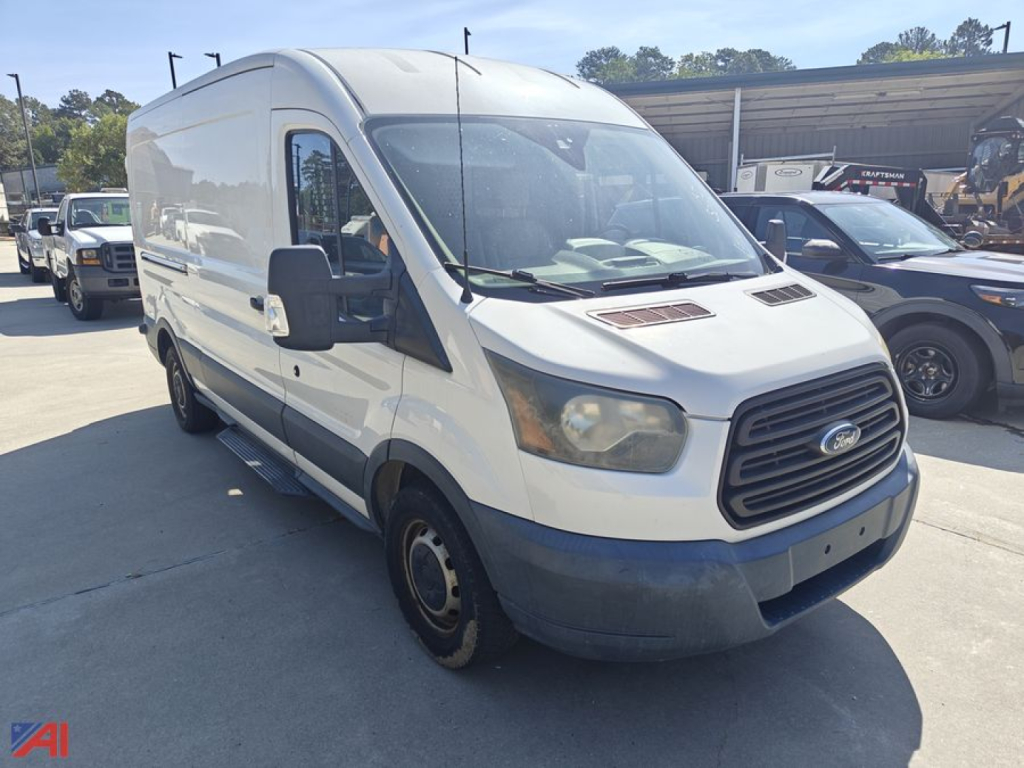
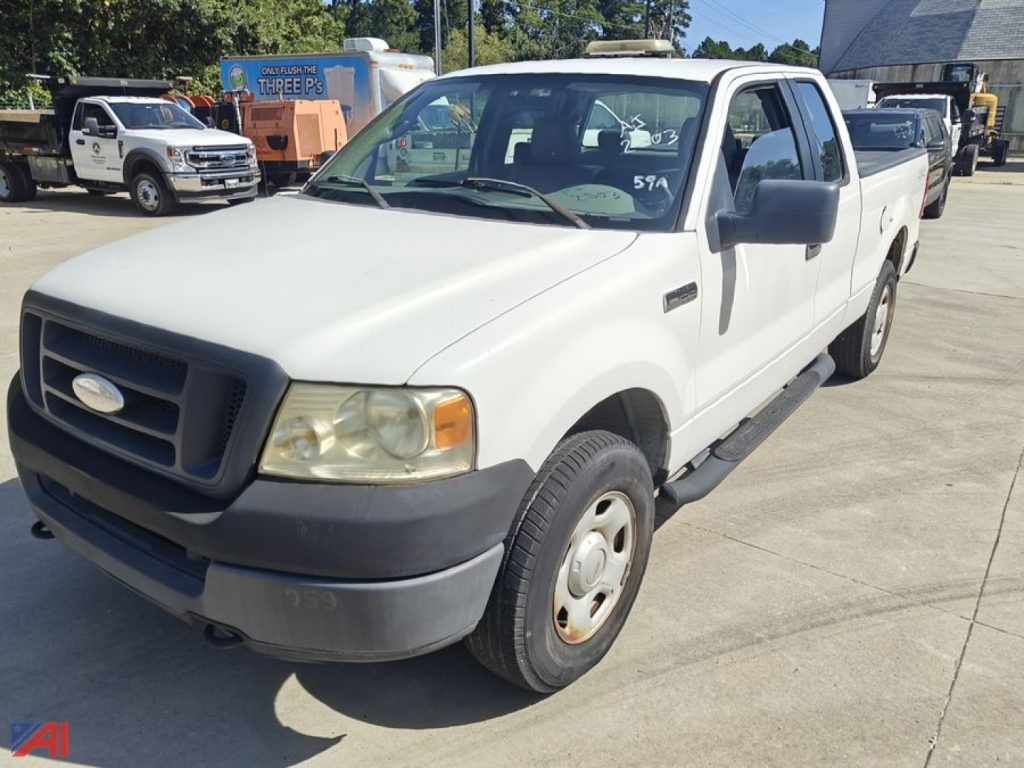
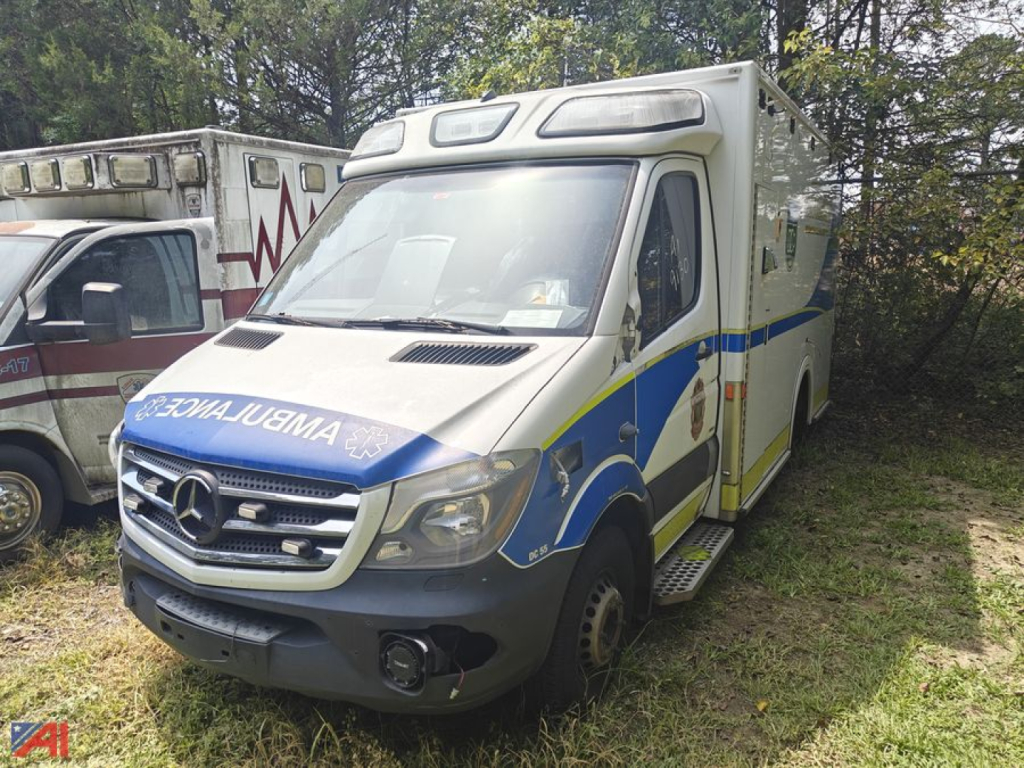

Have commercial truck to sell? List it here to reach thousands of buyers.
Commercial Trucks Near Apex, North Carolina
For medium-duty and heavy-duty trucks, drivetrain and weight ratings matter as much as the body. Common engine families in this segment include Cummins, International, Mack, and other diesel platforms paired with manual or Allison automatic transmissions. Buyers should verify GVWR, axle ratings, wheelbase, and suspension type before comparing price. A truck with spring suspension and a manual transmission may suit construction or municipal use, while an automatic with air brakes and a higher-spec cab can be a better fit for stop-and-go vocational service. On tandem, tri-axle, or quad-axle trucks, look closely at lift axles, steering axles, ratio, and local bridge-law implications because those details directly affect payload and maneuverability.
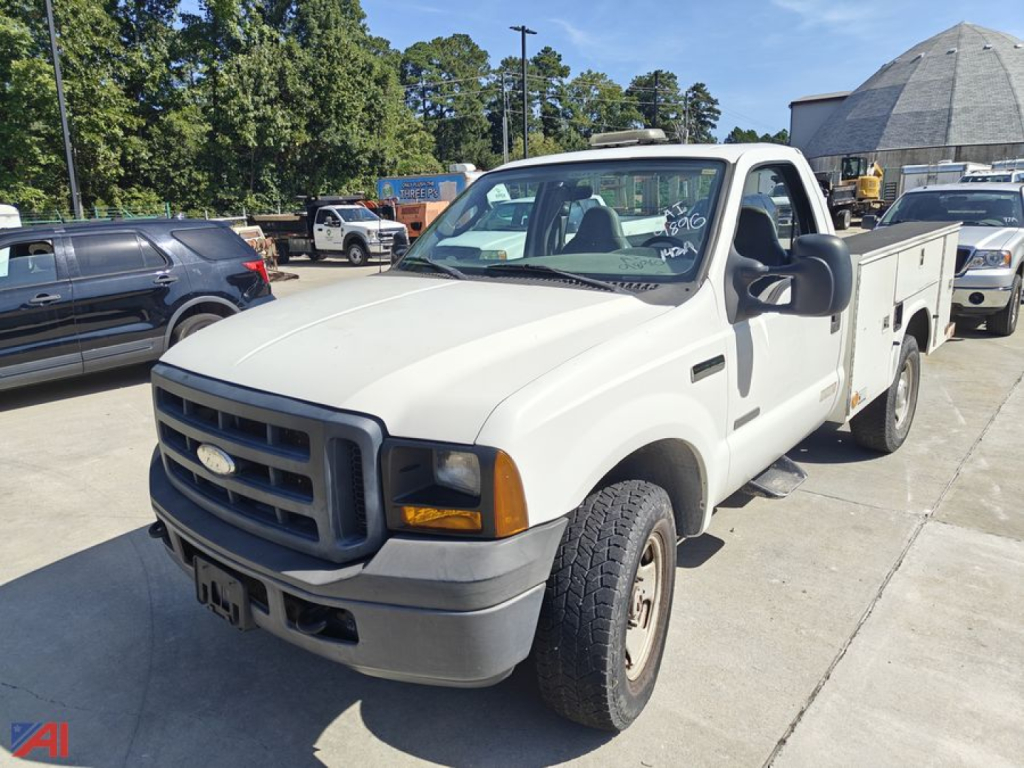
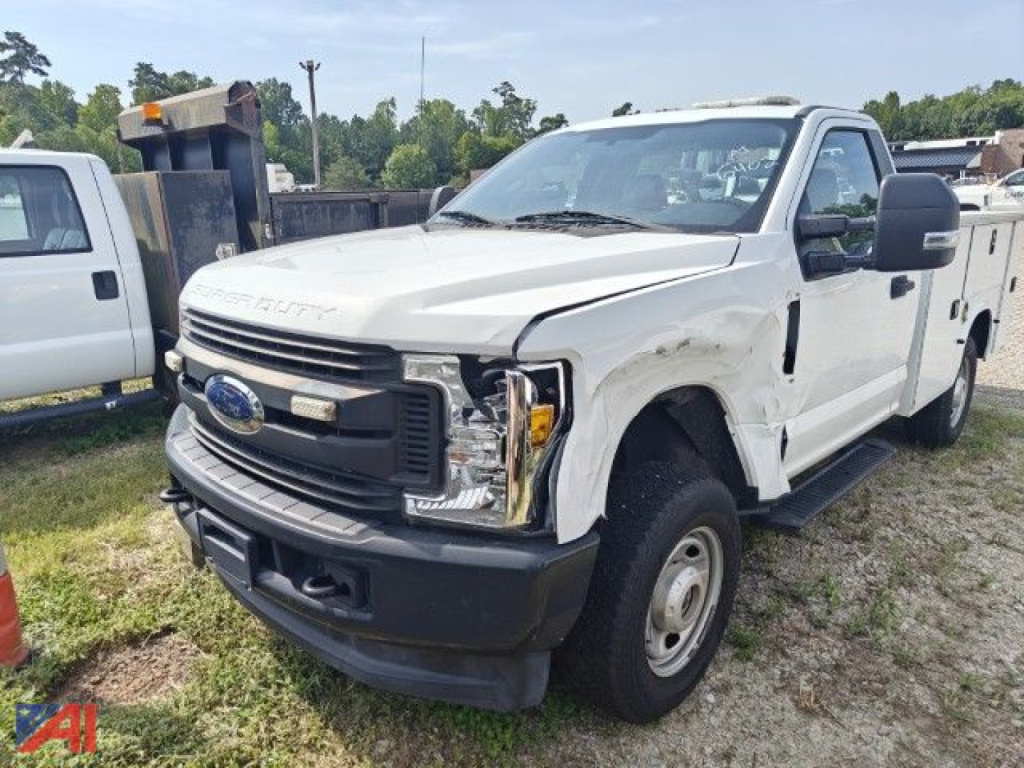
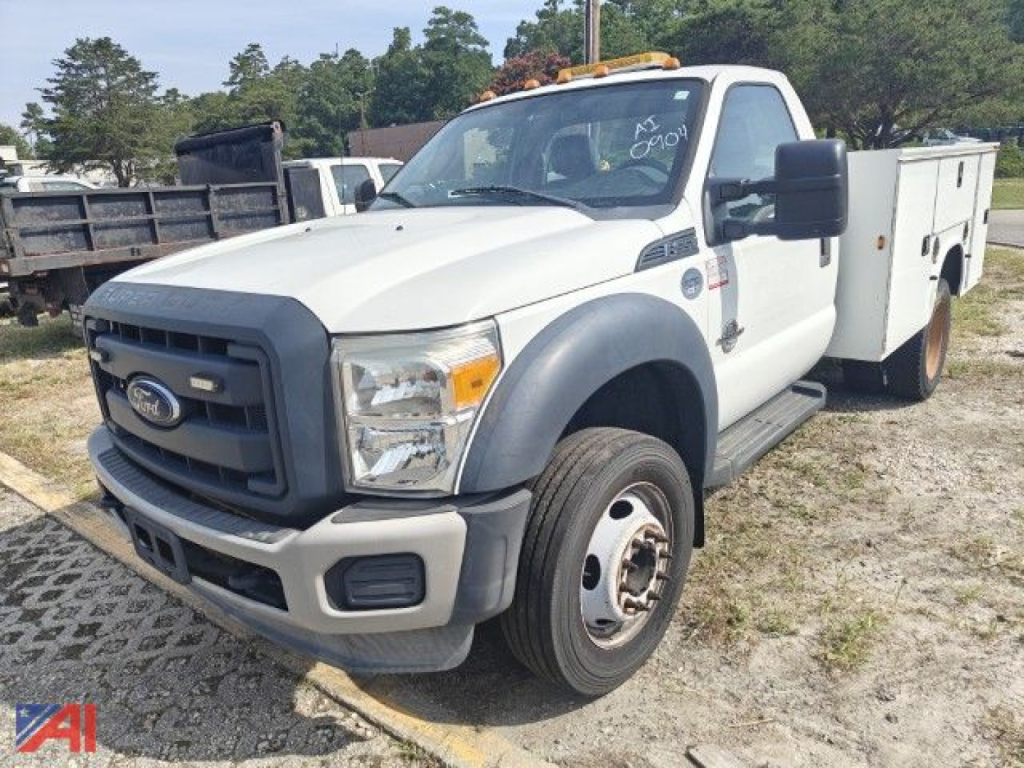
Condition is rarely just about whether the truck starts and drives. Vocational trucks live hard lives, so body systems need the same scrutiny as the chassis. On utility bodies, inspect compartment floors, door latches, reel carriers, and rust at mounting points. On dumps, check crossmembers, hinge points, apron wear, and signs of frame stress. On tanks and flushers, inspect the pump, PTO engagement, spray heads, valves, and evidence of internal or external corrosion. On garbage trucks, review maintenance on packing cylinders, hopper structure, steering components, and emissions repairs. Fleet and municipal trucks can offer strong maintenance histories, but buyers should still confirm idle hours, PTO hours when available, and the condition of wear items like brakes, tires, hydraulics, and A/C systems.
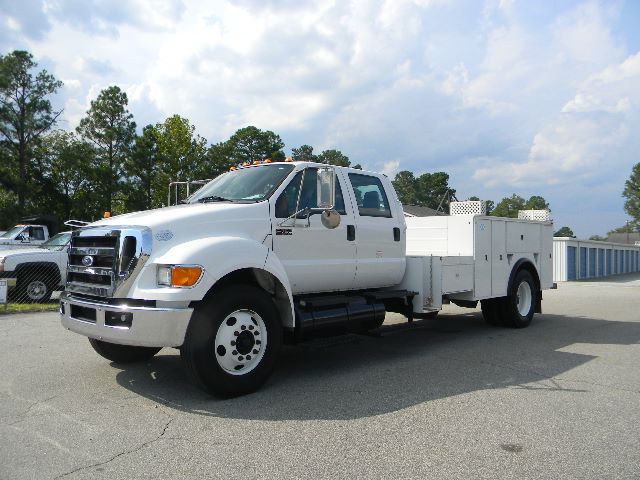
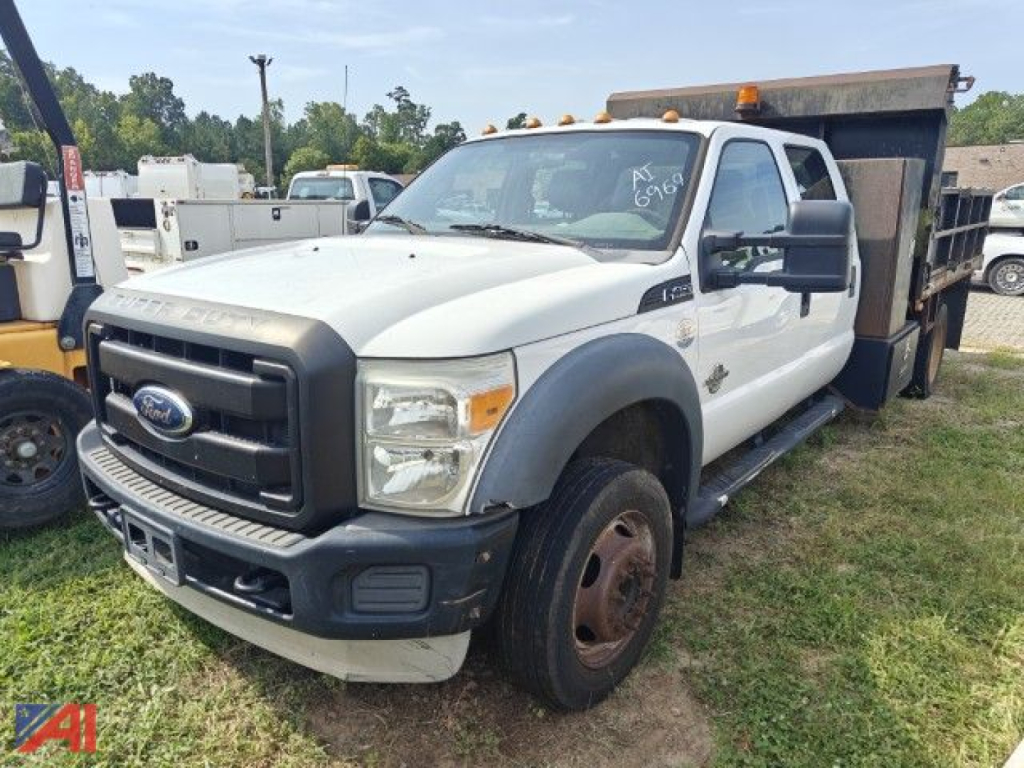
Apex-area buyers should also think about operating environment. Local and regional work around the Triangle often favors trucks that can handle suburban routes, jobsite access, and municipal or contractor duty cycles without being oversized for narrow streets or frequent stops. Crew cab utility trucks can be useful for field service and construction support. Single-axle and tandem dump trucks fit many paving, grading, and sitework roles. Tank and refuse configurations are more specialized, but they can be excellent value when the body matches the work. The best purchase is usually the truck with the right axle layout, body spec, and service history for the job, not simply the newest model year.
Frequently Asked Questions about Commercial Trucks Near Apex, North Carolina
What should I look for first when buying a used vocational truck?
Start with the intended job and match it to the truck’s body type, GVWR, axle configuration, and wheelbase. A dump truck, service truck, tank truck, and refuse truck may all be listed as trucks for sale, but each has different priorities. After confirming the truck is correctly spec'd for the work, inspect the condition of the body system, drivetrain, brakes, tires, hydraulics, and any PTO-driven equipment. A truck that is mechanically sound but poorly matched to the application will usually cost more in downtime and lost productivity than a higher-mile truck with the right specification.
How important are axle configuration and GVWR on trucks for sale?
Axle setup and GVWR are critical because they determine legal payload, stability, turning radius, and where the truck can work effectively. A single-axle truck may be ideal for tighter routes and lighter loads, while tandem, tri-axle, and quad-axle trucks are built for heavier vocational use. GVWR should always be reviewed alongside axle ratings, suspension, wheelbase, and local operating rules. Buyers comparing trucks for sale should not judge capability by appearance alone because two similar-looking trucks can have very different legal and practical capacities.
Are municipal and government fleet trucks a good used truck option?
They can be, especially for buyers who value maintenance documentation and predictable service schedules. Many municipal trucks receive regular preventive maintenance and documented repairs, which is a major advantage. The tradeoff is that these trucks often have extensive idle time, PTO use, stop-and-go duty cycles, and cosmetic wear. On specialized equipment like flushers and refuse trucks, the body and hydraulic systems should be inspected just as carefully as the engine and transmission because those systems often determine the truck’s real remaining value.
What matters most on a used dump, tank, or garbage truck beyond engine condition?
On a used dump truck, inspect the body floor, sides, hoist, hinge pins, frame, and suspension for signs of heavy structural wear. On a tank or flusher truck, verify pump performance, PTO operation, plumbing integrity, nozzle function, and tank condition. On a garbage truck, focus on packer operation, hydraulic cylinders, hopper structure, steering components, and body rust. These systems are expensive to repair and usually have a greater effect on productivity than smaller cab or cosmetic issues.
Should I choose a manual or automatic transmission on a work truck?
That depends on the route, driver pool, and application. Manual transmissions are still common in heavier vocational trucks and can work well in construction, hauling, and applications where drivers are experienced and gear control matters. Allison automatics are popular in utility, refuse, municipal, and stop-and-go service because they reduce driver fatigue and are easier to standardize across multiple operators. Transmission choice should be based on duty cycle, maintenance history, and driver availability rather than preference alone.