
Mercedes-Benz Ambulance Trucks For Sale
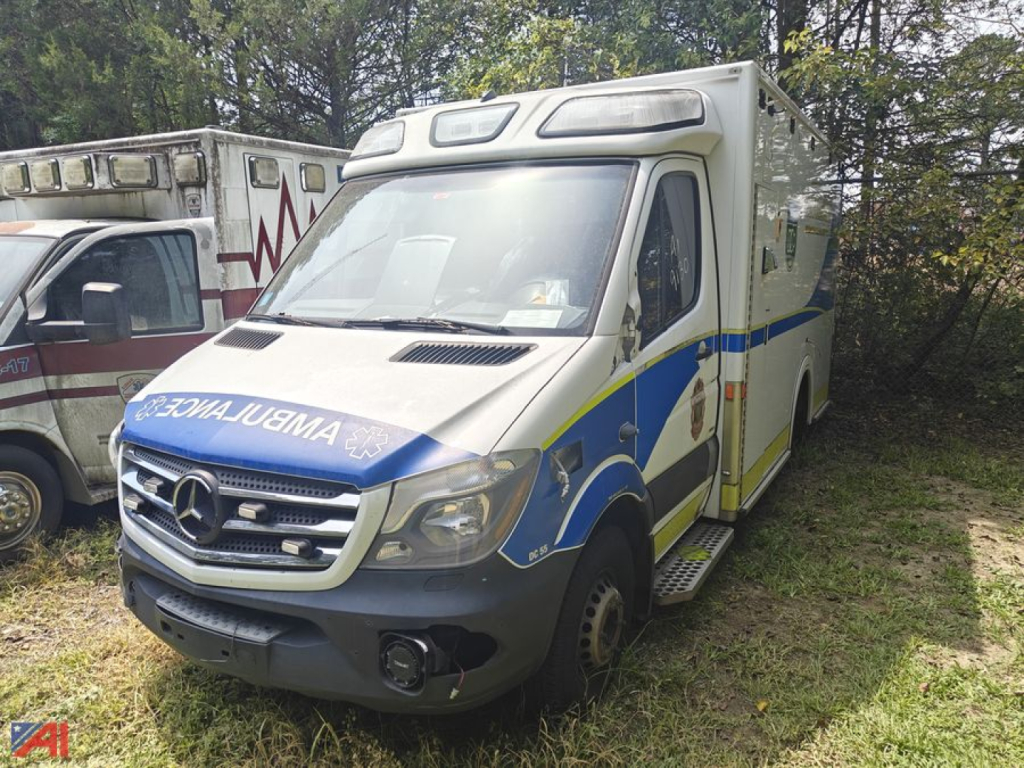
Have mercedes-benz ambulance truck to sell? List it here to reach thousands of buyers.
Mercedes-Benz Ambulance Trucks
Buyers should start with chassis and service-life considerations before looking at cosmetic condition. On Mercedes-Benz Sprinter ambulance units, engine, transmission, wheelbase, roof height, rear axle rating, and total upfit weight matter more than paint or warning-light count. Many units in this class have spent years in stop-and-go emergency duty, prolonged idling, and heavy electrical load from scene lighting, HVAC, inverters, suction, shoreline systems, and medical equipment. That means maintenance history, idle hours, charging-system condition, cooling performance, brake wear, and suspension health deserve close attention. If the listing is a parts-only ambulance, the remaining value is usually in drivetrain components, cab parts, doors, glass, seats, modules, electrical hardware, and salvageable interior equipment rather than road-ready service.
A Mercedes-Benz ambulance body may be configured for ALS or BLS use, patient transport, event medicine, or specialty medical support. Common buyer checkpoints include interior headroom, squad bench layout, attendant seat configuration, oxygen storage, cabinet integrity, HVAC output front and rear, shoreline and inverter operation, and the condition of multiplex electrical systems. For operators planning to return a unit to service, it is important to verify current state and local ambulance certification requirements, stretcher-mount compatibility, siren and warning-light compliance, and the condition of infection-control surfaces. If the goal is export, mobile clinic conversion, or non-emergency medical transport repurposing, the compact Sprinter-based ambulance can be a practical foundation because it balances usable interior volume with lower operating size than larger conventional ambulance bodies.
Mercedes-Benz ambulances also deserve a closer look at parts support and technician access in your operating region. Sprinter service capability is strong in many metro markets, but downtime planning still matters if your fleet operates in rural areas or depends on independent shops. Check emissions-system condition, DEF-related service history where applicable, door and latch wear, corrosion around body seams and step areas, and any evidence of water intrusion from roof penetrations or emergency equipment mounting points. A well-maintained Mercedes-Benz ambulance can be a smart fit for departments, contractors, converters, and rebuilders that want a compact emergency vehicle platform with strong road manners and efficient packaging.
Frequently Asked Questions about Mercedes-Benz Ambulance Trucks
What type of ambulance is usually built on a Mercedes-Benz chassis?
Most Mercedes-Benz ambulance trucks in the U.S. market are built on the Sprinter chassis. These are commonly configured as van-style or Type II ambulances, although exact body classification can vary by upfitter and agency specification. The Sprinter platform is known for a high-roof patient compartment, narrower overall width, and better maneuverability than larger box-style ambulances.
What should I inspect first on a used Mercedes-Benz Sprinter ambulance?
Start with engine and transmission service records, idle hours, charging-system health, brake condition, suspension wear, and the operation of the rear HVAC and electrical systems. Ambulances accumulate stress differently than standard delivery vans because they idle for long periods and carry heavy auxiliary electrical loads. It is also important to inspect warning-light wiring, shoreline connections, inverter systems, oxygen-storage areas, and signs of leaks around roof-mounted equipment.
Are Mercedes-Benz ambulances good for conversion or specialty service use?
Yes. Sprinter-based ambulances are often attractive for conversion into mobile medical units, event support vehicles, community paramedicine units, or non-emergency transport platforms. Their compact exterior dimensions make them easier to park and operate in cities, while the high-roof layout provides usable standing room and built-in medical cabinetry that may reduce conversion costs.
What does parts-only mean on a Mercedes-Benz ambulance listing?
Parts-only usually means the unit is not being represented as roadworthy or suitable for immediate ambulance service. Buyers generally evaluate these units for salvage value, including drivetrain components, cab assemblies, body hardware, doors, seating, electrical modules, warning equipment, and interior ambulance fixtures. A parts-only designation should be treated as a signal that title, mechanical, safety, or regulatory issues may prevent standard on-road use.
Are Mercedes-Benz ambulance trucks expensive to maintain?
Maintenance cost depends heavily on service history, local technician availability, and the condition of the ambulance upfit systems. The Sprinter chassis can be efficient and durable when maintained correctly, but neglected emissions components, electrical faults, and ambulance-specific HVAC or inverter issues can add cost quickly. Buyers should weigh purchase price against diagnostic access, regional parts support, and the condition of both the Mercedes-Benz chassis and the emergency-vehicle conversion.