
Commercial Trucks For Sale Near Albany, New York
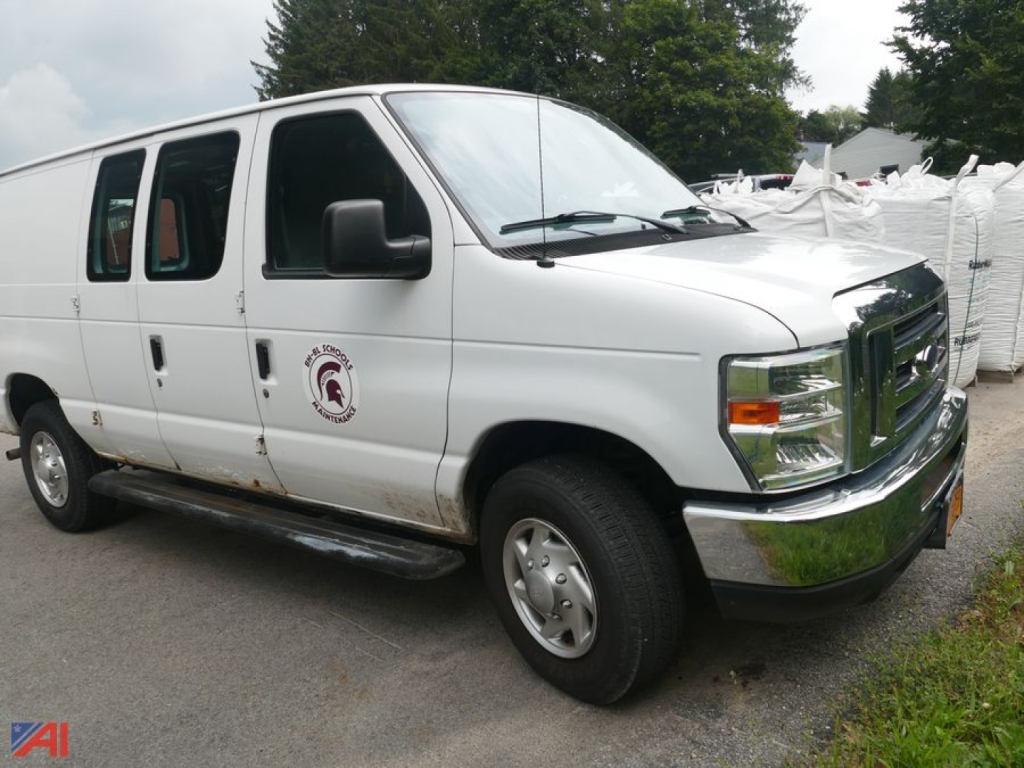
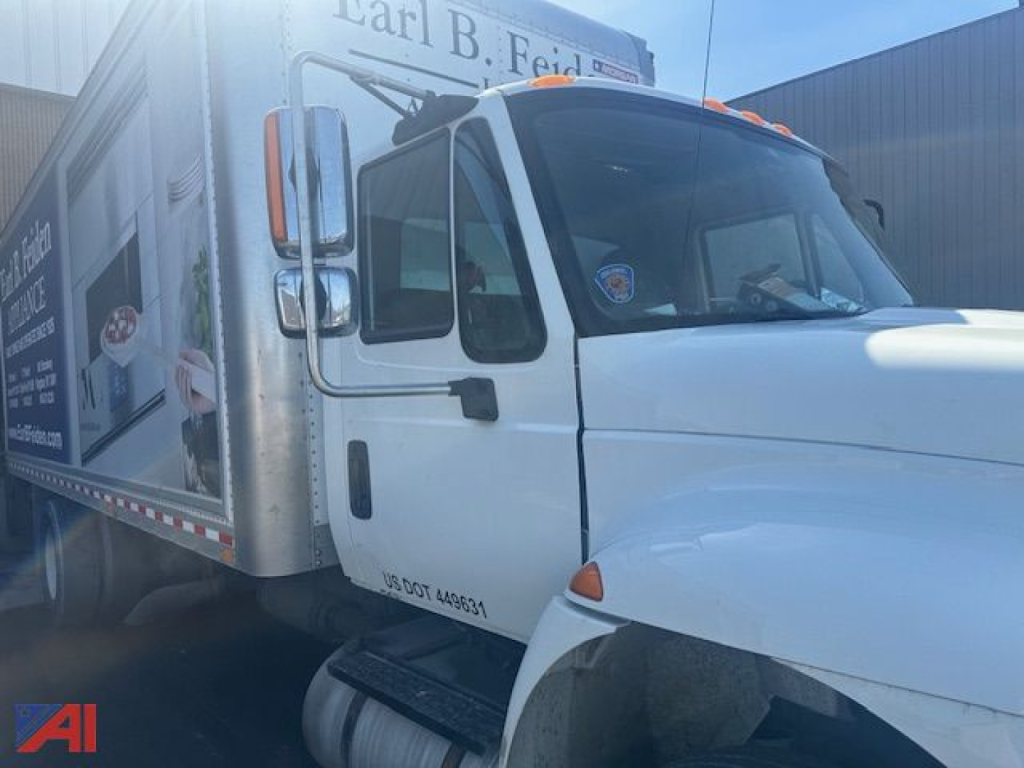
Have commercial truck to sell? List it here to reach thousands of buyers.
Commercial Trucks Near Albany, New York
Albany-area buyers often need trucks that can handle cold starts, road salt, mixed highway and secondary-road operation, and stop-and-go duty cycles. That makes frame condition, cab corrosion, brake and suspension wear, and underbody inspection especially important on used trucks. Diesel engines remain common in medium-duty and heavy-duty applications because of torque and durability, while gas engines can still make sense for lower annual miles or lighter service. Transmission choice matters too. Automatic transmissions dominate many municipal and vocational roles, but buyers should still verify PTO compatibility, gearing, and any hydraulic system integration for attached equipment.
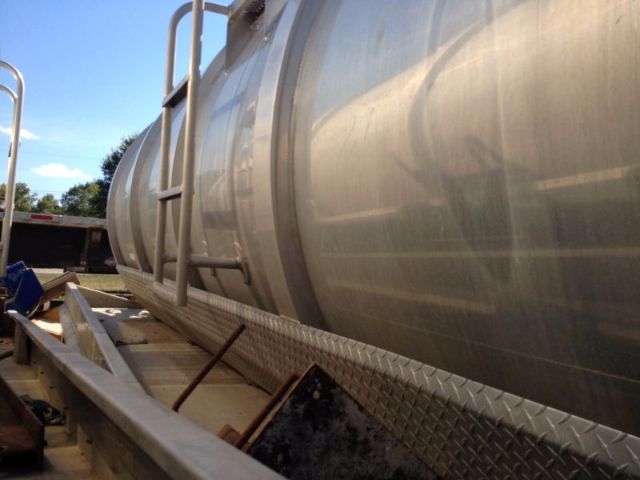
Body and equipment configuration can matter as much as the chassis itself. In this category, buyers may be sorting through ambulance units, crane trucks, vacuum tank trucks, and other specialized builds, each with different inspection points. On an ambulance or service body, electrical system condition, idle hours, module integrity, and HVAC performance are key. On a crane truck, focus on boom rating, stability equipment, outrigger condition, PTO operation, and certification history. On vacuum or tank trucks, tank material, compartment design, pump setup, plumbing layout, hatch sealing surfaces, and code or non-code construction can directly affect where and how the truck can be used.
A good truck listing should give enough detail to evaluate fit before you ever look at the truck in person. Buyers should look for engine model, transmission, mileage, engine hours, body manufacturer, tank or boom specifications, axle configuration, suspension type, brake type, tire condition, and any signs of prior fleet maintenance. For vocational trucks, it also helps to confirm title status, emissions compliance, and whether the unit was operated by a municipality, contractor, or private fleet. The best choice in this category is not just a clean truck. It is a truck with the right chassis, the right upfit, and service history that supports the work it is expected to do.
Frequently Asked Questions about Commercial Trucks Near Albany, New York
What should I look for first when comparing trucks for sale?
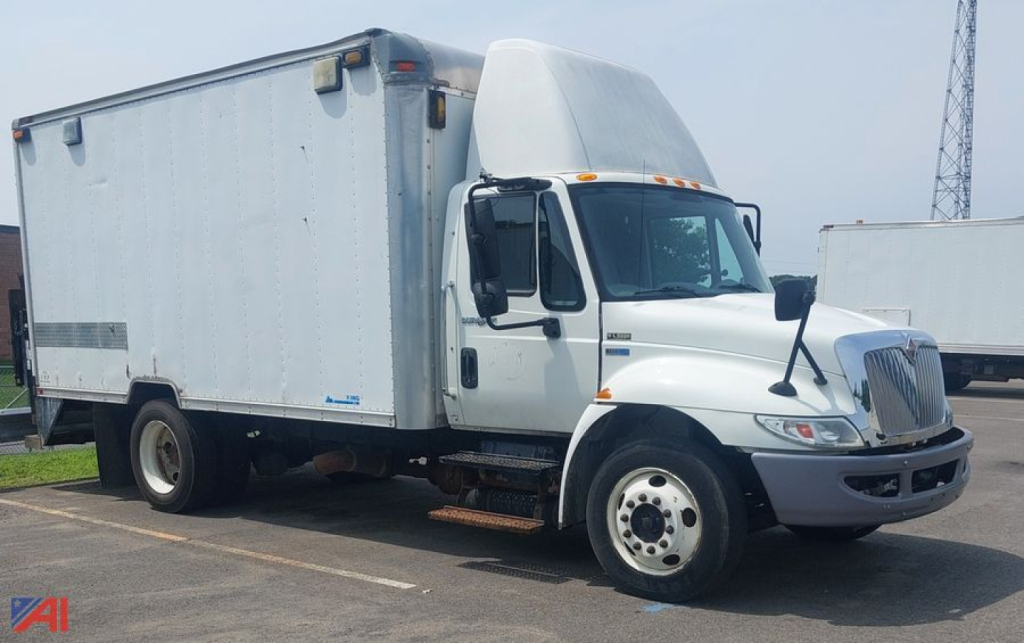
Start with the truck’s intended job, then match that job to truck class, GVWR, axle ratings, wheelbase, and body configuration. A crane truck, ambulance, vacuum truck, or utility truck may all be listed as trucks, but each one has different chassis demands and operating costs. Buyers should confirm payload needs, PTO requirements, route conditions, licensing needs, and whether the upfit is as important as the truck itself.
Are used vocational trucks in New York inspected differently than standard road trucks?
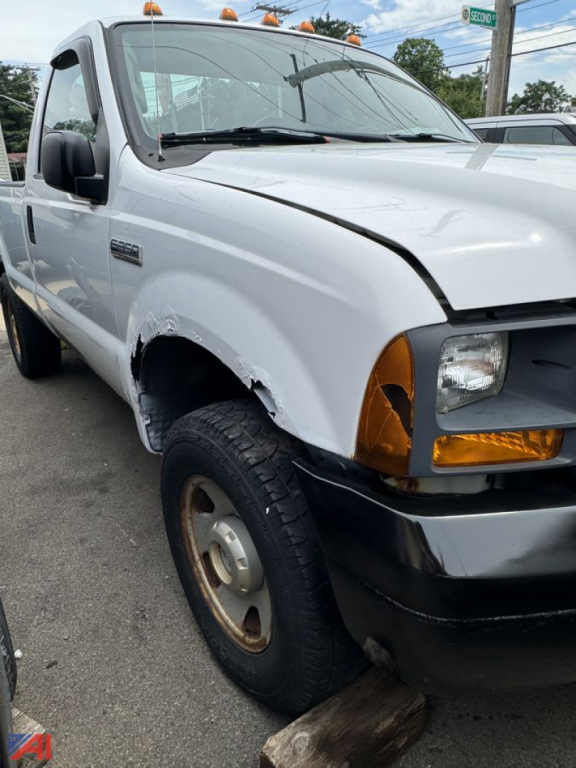
Used vocational trucks should be inspected more closely because the mounted equipment adds wear points beyond the chassis. In New York, buyers commonly pay special attention to frame corrosion, brake lines, spring hangers, electrical connections, hydraulic leaks, and rust caused by winter road treatment. If the truck has a crane, tank, pump, or emergency body, inspection should also include the mounted system, controls, seals, and any service or certification records.
Is mileage the most important factor on a used truck?
Mileage matters, but it is not the only indicator of condition. Many vocational trucks accumulate lower miles but high idle time, PTO hours, or severe stop-and-go wear. A municipal or utility truck may have modest odometer readings and still need significant work in the hydraulic system, electrical system, body mounts, or corrosion-prone areas. Maintenance history, engine hours, chassis condition, and the state of the installed equipment often tell more than mileage alone.
What specs matter most on a truck with specialized equipment?
The critical specs depend on the equipment type, but buyers should usually verify GVWR, front and rear axle ratings, wheelbase, PTO setup, engine horsepower and torque, transmission model, suspension type, and brake system. For tanks, buyers should also check capacity, material, baffling, discharge configuration, and code status. For crane trucks, lift rating, boom length, outrigger setup, and certification history are essential. For ambulance and service bodies, electrical capacity, module condition, and HVAC performance can be just as important as the drivetrain.
Why does truck application matter more than brand alone?
Brand reputation is useful, but application fit drives long-term value. A well-maintained truck from almost any major manufacturer can perform reliably if the chassis, engine, transmission, and body were selected for the actual workload. Problems usually come from under-spec’d axles, the wrong wheelbase, inadequate PTO compatibility, poor body integration, or severe-duty use that was never matched to the truck’s design. Buyers who focus on application, maintenance records, and equipment condition usually make better purchasing decisions than buyers who shop by make alone.