
Mack Agriculture Trucks For Sale
Shop Mack agriculture trucks built for feed delivery, farm support, and heavy vocational work with durable chassis, strong axle ratings, and PTO options.
Learn more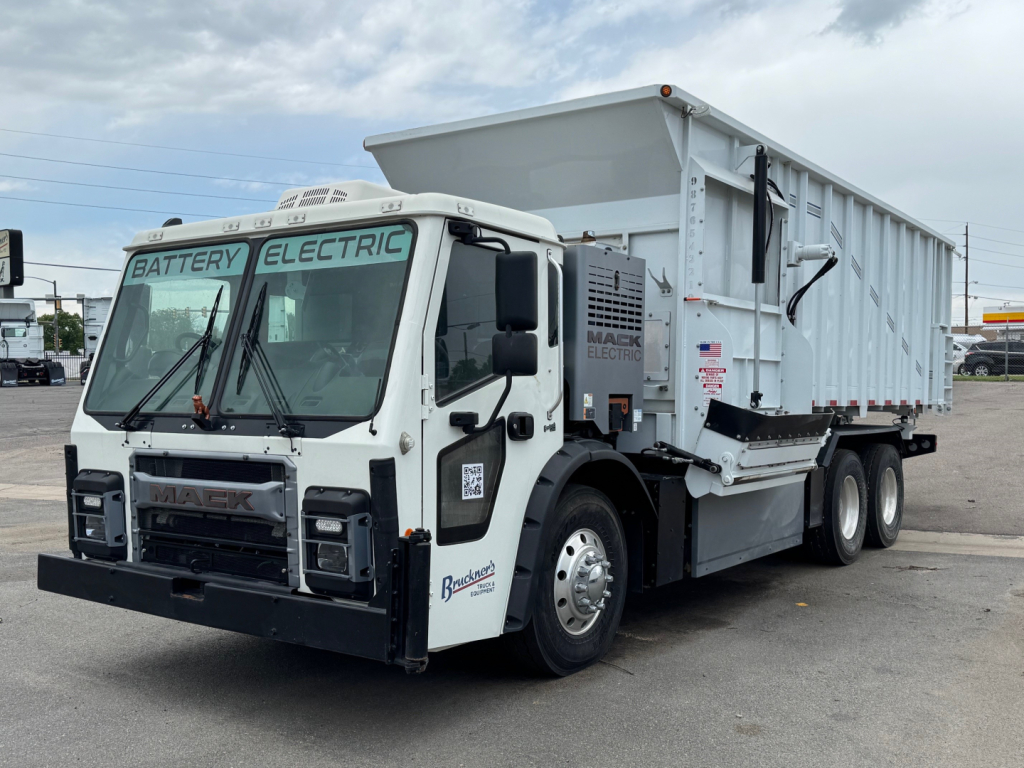
Have mack agriculture truck to sell? List it here to reach thousands of buyers.
About Mack Agriculture Trucks
The most important buying decision is matching the truck’s chassis spec to the body and operating environment. Feed trucks, for example, often need high GVWR, stable wheelbase selection, and enough front axle capacity to carry mixer or delivery equipment without overloading the steer axle. Twin-steer configurations can make sense when the body is heavy and weight distribution is critical. Rear axle ratings, suspension type, rear ratio, and transmission setup all affect how the truck performs in stop-and-go farm routes, soft access roads, and repeated loading cycles. Mack buyers also pay close attention to frame rail strength, PTO and hydraulic compatibility, and clearance for augers, bins, tanks, or specialized agricultural bodies.
Powertrain selection depends on the job. Diesel Mack agriculture trucks remain common because they deliver strong low-rpm torque, straightforward vocational serviceability, and good compatibility with hydraulic systems and auxiliary equipment. Some newer agricultural applications also use electric truck platforms for feed delivery or fixed-route support work, especially where low noise, zero tailpipe emissions, and predictable daily mileage are priorities. In those cases, buyers need to evaluate duty cycle, charging access, body weight, and how auxiliary equipment affects range. On any powertrain, the practical questions stay the same: payload, route length, terrain, idle time, and how often the truck transitions between pavement, yard surfaces, and field access lanes.
A well-spec’d Mack agriculture truck should be evaluated as a complete work system, not just a cab and chassis. Look closely at wheelbase, axle spread, steering configuration, suspension capacity, turning radius, and the installed or intended body. Many agricultural trucks spend their lives making short runs with frequent stops, operating at high gross weight, and maneuvering around bins, barns, mills, and tight rural sites. That makes visibility, durability, service access, and body integration just as important as horsepower. Buyers comparing Mack agriculture trucks should focus on legal payload, upfit readiness, driveline match, and how the truck is configured for the exact commodity or service it will handle.
Frequently Asked Questions
What is a Mack agriculture truck typically used for?
A Mack agriculture truck is typically used for feed delivery, grain or bulk commodity hauling, liquid application support, and other farm-service jobs that require a heavy vocational chassis. Many are equipped or prepared for specialized bodies such as feed mixers, bulk tanks, spreader systems, or grain bodies. The key difference from a general road truck is that an agriculture truck is usually spec’d around body equipment, repeated stop-and-go operation, and work on rural or uneven surfaces.
Why would an agriculture truck need a twin-steer configuration?
A twin-steer agriculture truck is used when front-end weight and total chassis loading would be too high for a single steer axle. This is common on trucks carrying heavy feed bodies, mixers, or other equipment that shifts a large share of weight forward. A twin-steer setup helps distribute weight more legally and more safely, and it can improve stability when the truck is fully loaded, although it also adds complexity, tire cost, and space considerations.
What specs matter most when buying a Mack agriculture truck?
The most important specs are GVWR, front and rear axle ratings, wheelbase, suspension type, rear ratio, transmission configuration, and PTO compatibility. Buyers should also verify frame strength, turning radius, body clearance, and how the truck is already upfitted or intended to be upfitted. In agriculture service, the correct axle and frame spec often matters more than engine rating alone because the truck’s job usually depends on carrying equipment and payload legally while remaining stable on rural routes.
Are electric Mack trucks practical for agricultural use?
Electric Mack trucks can be practical in agriculture when the route is predictable, daily mileage is controlled, and charging is available at a home base or operating facility. They can be a good fit for feed delivery and similar local-duty applications because they offer strong low-speed torque, quiet operation, and zero tailpipe emissions. Buyers need to account for body weight, auxiliary equipment power draw, route terrain, and charging downtime, since those factors directly affect usable range and operating efficiency.
How do I know if a Mack agriculture truck is ready for a feed delivery body or other specialty upfit?
A truck is ready for a feed delivery body or other specialty agricultural upfit when its wheelbase, frame, axle ratings, PTO provisions, and suspension match the body manufacturer’s requirements. Buyers should confirm that the chassis can support the installed equipment weight and still carry a legal payload. It is also important to check hydraulic and electrical integration, front axle loading, and clearance for moving components such as augers, bins, blowers, or mixers before treating the truck as a true fit for agricultural service.