
Agriculture Trucks For Sale
Agriculture trucks for grain, silage, feed and tender work. Compare bodies, axles, PTOs, suspensions and powertrains to match your farm hauling needs.
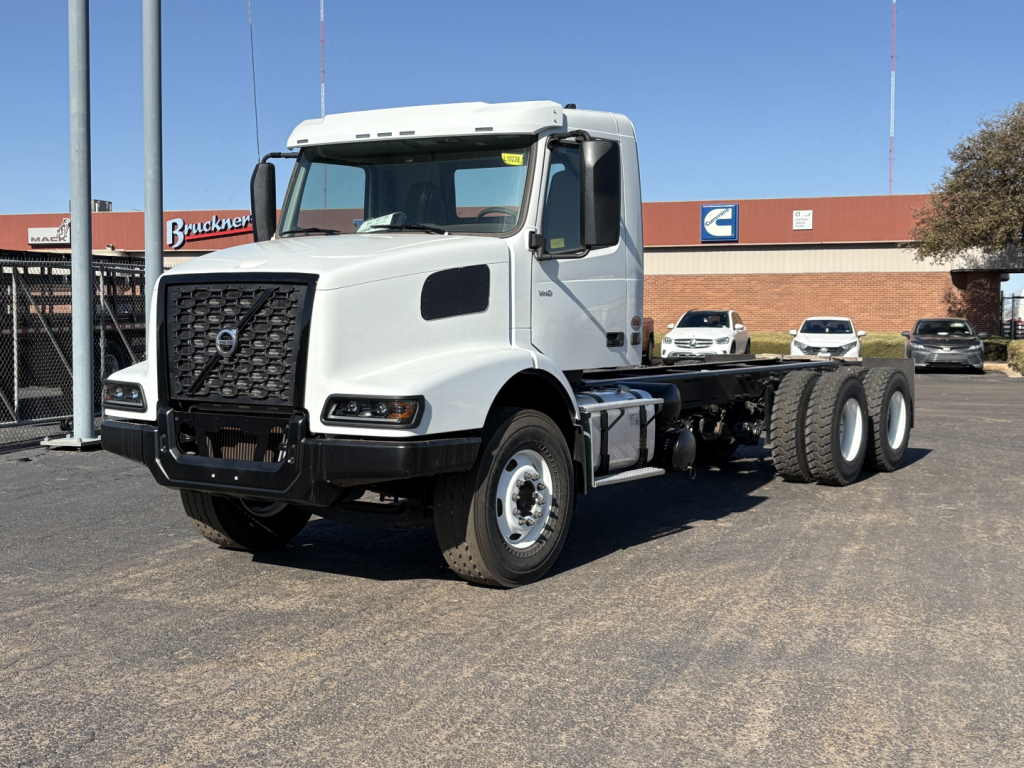
Selling a agriculture truck? List your agriculture truck for sale and reach thousands of commercial buyers.
Agriculture Trucks
Chassis selection revolves around GVWR, axle layout and gearing. Single-axle 4x2 trucks fit tight farmyards and lighter grain routes, while tandem and tri-axle 6x4 rigs carry heavier legal loads and spread weight for bridge compliance. Look for locking differentials, driver-controlled inter-axle locks and axle ratios that favor low-speed pulling in field entrances. Spring or walking beam suspensions are durable and stable off pavement; air ride improves ride to the elevator and protects fragile commodities but can reduce traction when unladen. Engines in the 6 to 13 liter range with strong low-rpm torque pair well with manual or automated manuals. Transmission PTOs or front-mount PTOs drive hoists, conveyors and blowers; size the pump for required flow and duty cycle, and verify hot-shift capability if frequent engagement is expected. Pre-cleaners, heavy-duty air filtration and cooling packages help in dusty, slow-speed harvest conditions.
Productivity features reduce unload time and protect the crop. Fast-acting scissor or telescopic hoists, ladders and catwalks, grain doors sized for pit capacity, roll tarps, electric tarp motors and onboard scales are common upgrades. Camera systems reduce blind spots around augers and drive-over pits. Tire choice matters: highway rib tires on steer and open-shoulder or lug drives improve traction on field approaches; wide-base flotation tires can cut ruts but may affect legal weights or bridge spacing. Plan for local weight limits, seasonal road postings and farm registrations. If the truck will run public roads at 26,001 lb GVWR or higher or has air brakes, ensure the driver licensing and inspection requirements are understood before purchase.
Used agriculture trucks often show low odometer miles with high idle hours and seasonal bursts of heavy use. Inspect the body floor, crossmembers and hoist subframe for corrosion or cracking, especially near cylinder mounts. Cycle the hoist under load to check lift speed, holding ability and leaks. Verify PTO engagement, hydraulic pressures and conveyor or auger wear. Look for fertilizer-induced corrosion on frames, suspension hangers and wiring; stainless fasteners and epoxy coatings are a plus for tender work. Check differential locks, gear ratios and tire condition for field traction, and confirm tarp fabric, bows and end caps are intact. Matching body length to wheelbase and ensuring adequate payload within your state’s bridge formulas will help you maximize legal tons per trip during the tight harvest window.
Also known as: Farm Truck, Agricultural Truck, Ag Truck
Frequently Asked Questions about Agriculture Trucks
What GVWR and axle configuration works best for grain hauling from field to elevator?
For short farm-to-elevator routes with light to moderate loads, a 26,000 to 33,000 lb GVWR single-axle can be efficient and easy to maneuver. For heavier crops or longer runs, tandem 6x4 trucks in the 52,000 to 66,000 lb GVWR range carry more legal payload and improve braking and stability. In soft approaches, spec locking differentials and consider a pusher or tag axle for weight distribution and bridge compliance.
Should I choose an aluminum or steel grain body?
Aluminum bodies are lighter, which increases payload and resists corrosion from moisture and some fertilizers. They are ideal for grain and other free-flowing commodities. Steel bodies handle abrasion from sandier crops or frequent rock contamination and can be more cost effective upfront. Stainless or poly-lined hoppers are preferred for fertilizer tenders due to corrosion resistance. Your route weights, commodity abrasiveness and exposure to corrosives drive the choice.
Are manual, automated manual or automatic transmissions better for agriculture trucks?
Manual and automated manuals are common because they offer strong torque multiplication, engine braking and durability at lower speeds. Automated manuals reduce driver fatigue during frequent field-to-road transitions and are easier for seasonal drivers. Full automatics can shine in soft footing with smooth torque delivery but may run hotter under heavy PTO loads, so ensure proper cooling and spec a transmission PTO that matches your hydraulic requirements.
What should I inspect on a used silage or grain truck before buying?
Inspect the hoist cylinder, hinge pins, subframe and body floor for cracks, rust and prior repairs. Cycle the hoist to full extension and verify it holds under load without drift. Check PTO engagement, hydraulic hoses and pump noise. Examine tarp fabric and hardware, grain doors and seals, conveyor chains or augers for wear. Review axle ratios and confirm differential locks function. Look for fertilizer-induced corrosion around frames and suspension hangers, and assess brake lining thickness, tire condition and wiring integrity.
Can a standard truck chassis run a fertilizer tender or feed blower body?
Yes, most medium and heavy-duty chassis can support tender or feed bodies if the PTO and hydraulic system are matched to the body’s requirements. Verify transmission PTO availability, output torque and rotation, and spec hydraulic pumps sized for required flow and pressure. Stainless or coated components help resist fertilizer corrosion. Ensure wheelbase, frame RBM and axle ratings align with the loaded hopper weight and that you have space for ladders, catwalks and conveyor fold clearance.