
2023 Commercial Trucks For Sale in Pennsylvania
Browse 2023 trucks for sale in Pennsylvania, including day cabs, sleepers, vocational and medium-duty trucks with current specs buyers compare.

Have 2023 commercial truck to sell? List it here to reach thousands of buyers.
2023 Commercial Trucks in Pennsylvania
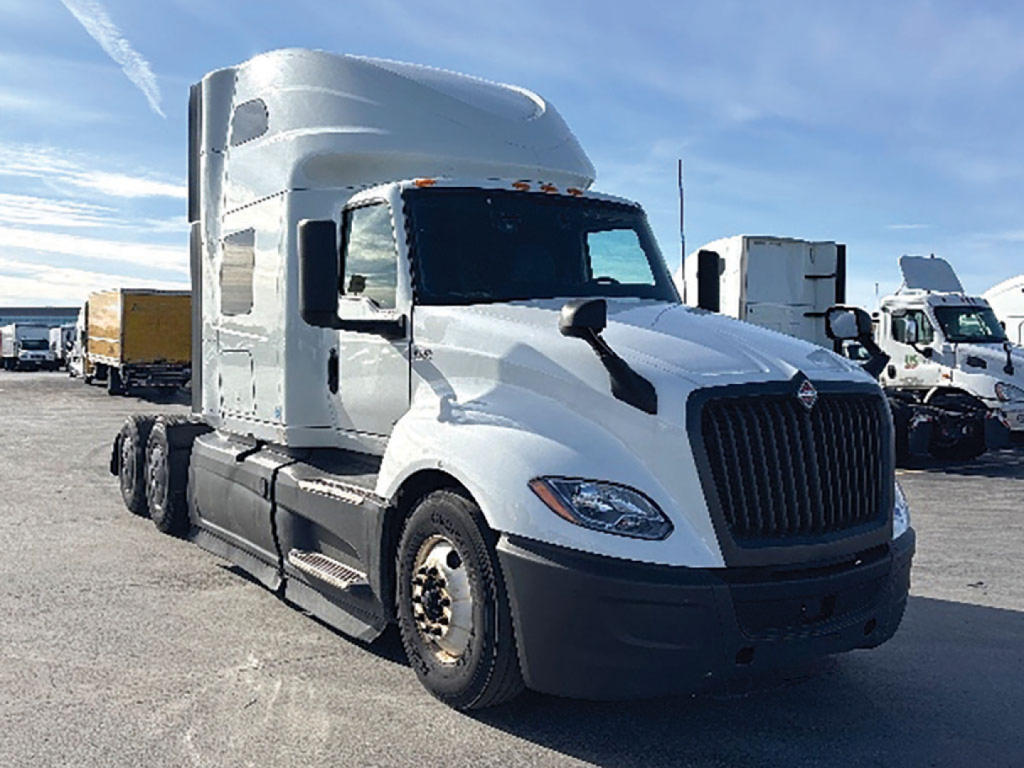
The first buying decision is usually application, not brand. A Pennsylvania linehaul buyer may focus on aero conventional sleepers with 6x4 tandem axles, automated manual transmissions, 2.64 to 3.25 rear axle ratios, and 72-inch to 80-inch sleepers. A local or regional operation may lean toward a day cab or lower-roof sleeper with a shorter wheelbase for tighter routing and easier dock access. Vocational 2023 trucks should be evaluated much differently. Frame specs, PTO setup, front axle rating, suspension type, lift axles, body compatibility, and overall packaging matter more than sleeper size or fairings. On any truck class, verify GVWR, GCWR, axle ratings, wheelbase, and intended trailer or body match before comparing price.
Powertrain choices on 2023 trucks commonly include diesel platforms from Cummins, Paccar, Detroit, and other major OEM pairings, often matched with automated manuals, though some vocational and specialty units still use manual transmissions or application-specific automatics. Buyers should compare horsepower and torque with the actual duty cycle instead of shopping by engine badge alone. A 450 HP highway tractor with a fuel-efficient rear ratio can be a strong fit for long-haul freight, while a severe-service truck may need deeper gearing, heavier rear suspensions, double-frame construction, and higher PTO capability. In Pennsylvania, terrain and seasonality matter. Trucks running the Turnpike, Appalachian grades, or winter weather routes benefit from proper engine brake spec, tire setup, suspension condition, and corrosion awareness, especially on trucks exposed to road salt.
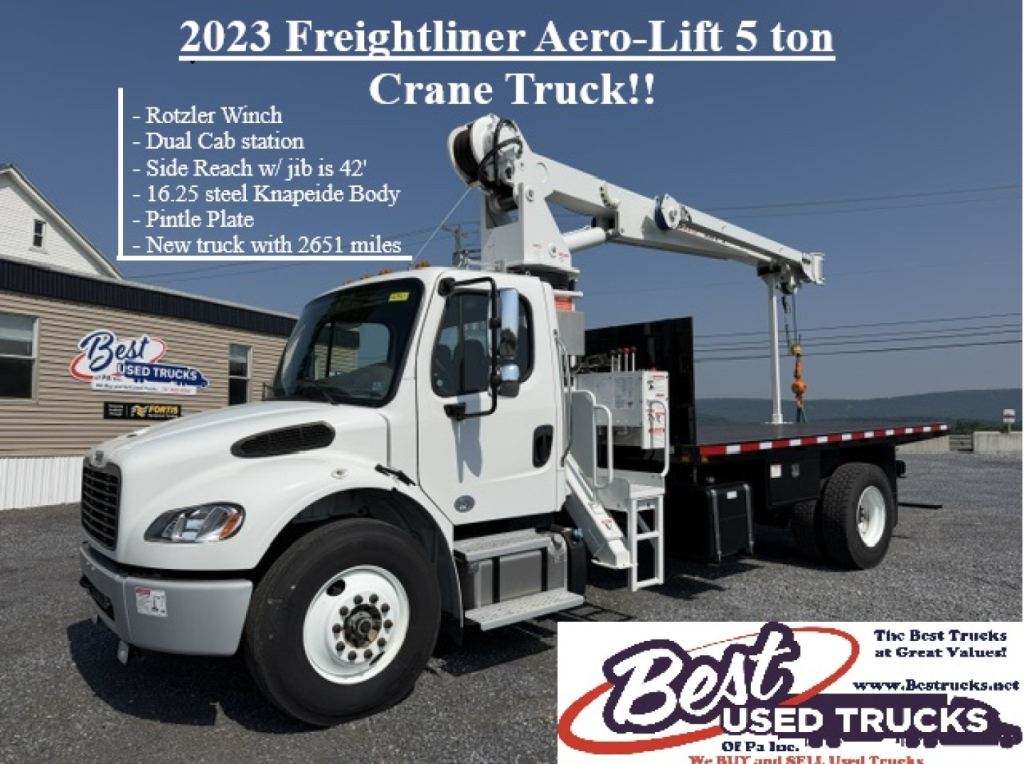
A smart 2023 truck purchase also comes down to inspection discipline. Review emissions warranty status, aftertreatment service records, idle hours, transmission calibration history, brake type, tire wear pattern, and signs of frame or cab corrosion. On sleeper tractors, look closely at bunk heater operation, APU presence, inverter setup, and interior wear. On vocational trucks, inspect hoist or hydraulic systems, body mounts, crossmembers, pintle or fifth wheel setup, and any evidence of hard off-road or municipal use. Pennsylvania buyers comparing many listings should narrow the field by application, axle configuration, engine-transmission pairing, and wheelbase first. That approach usually gets to the right truck faster than starting with paint, trim, or badge preference.
Frequently Asked Questions about 2023 Commercial Trucks in Pennsylvania
What types of 2023 trucks are commonly found for sale in Pennsylvania?
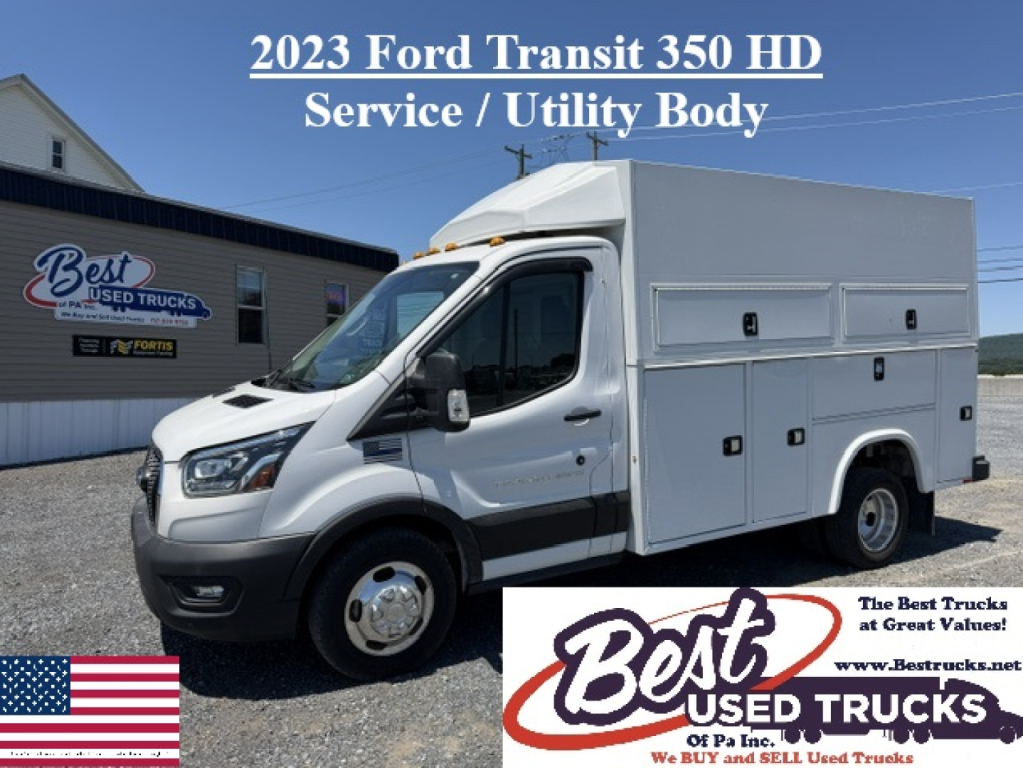
The 2023 truck market in Pennsylvania typically includes highway tractors, conventional sleepers, day cabs, medium-duty delivery trucks, and vocational units such as dump, roll-off, hooklift, utility, and municipal chassis. The mix varies by region and seller, but buyers usually see both linehaul and severe-service specs. The key is to separate on-highway trucks from vocational trucks early, because wheelbase, frame strength, axle ratings, PTO provisions, and suspension choices are driven by the job more than the model year.
Is a 2023 model year truck a good value compared with newer trucks?
A 2023 truck can be a strong value if the spec matches the operation and the maintenance history is documented. It is recent enough to include modern powertrains, emissions systems, safety technology, and driver amenities, but it may also provide a clearer picture of uptime, service needs, and fuel economy than a brand-new unit. Buyers should still review mileage, engine hours, idle time, warranty status, and repair records, because value depends more on use history and configuration than age alone.
What specs matter most when comparing 2023 semi trucks?
The most important specs are axle configuration, wheelbase, engine rating, transmission type, rear axle ratio, suspension, and sleeper or cab layout. For highway use, buyers often compare 6x4 tandems, automated manual transmissions, 400 to 500 HP diesel engines, and rear ratios tuned for fuel economy or gradeability. For local or regional work, maneuverability, body length compatibility, and dock access can matter more than sleeper size. Always match the truck's GVWR, GCWR, and drivetrain to the freight, terrain, and trailer weight it will actually pull.
What should buyers inspect on a used 2023 vocational truck in Pennsylvania?
On a used 2023 vocational truck, inspect the frame rails, crossmembers, suspension, hydraulic systems, PTO operation, body mounts, lift axles, and any installed equipment tied to the chassis. Look for corrosion from winter road treatment, signs of overload, uneven tire wear, and evidence of hard off-road use. Service records for aftertreatment components, brakes, steering, and axle work are important. Vocational trucks can look clean in photos while still showing wear in the areas that determine uptime and body compatibility.
Are emissions and warranty checks important on 2023 trucks?
Yes. On a 2023 truck, emissions system condition and remaining warranty coverage can materially affect operating cost. Buyers should confirm the status of the DPF, SCR, sensors, DEF system components, and any related fault history. It is also worth checking if engine, aftertreatment, transmission, or chassis warranty coverage is still active or transferable. A newer truck with unresolved emissions issues can become more expensive than an older truck with a well-documented maintenance file.