
2023 Trucks For Sale in North Carolina
Browse 2023 trucks for sale in North Carolina, including highway tractors, vocational trucks, and medium-duty work trucks for regional and fleet use.
Learn more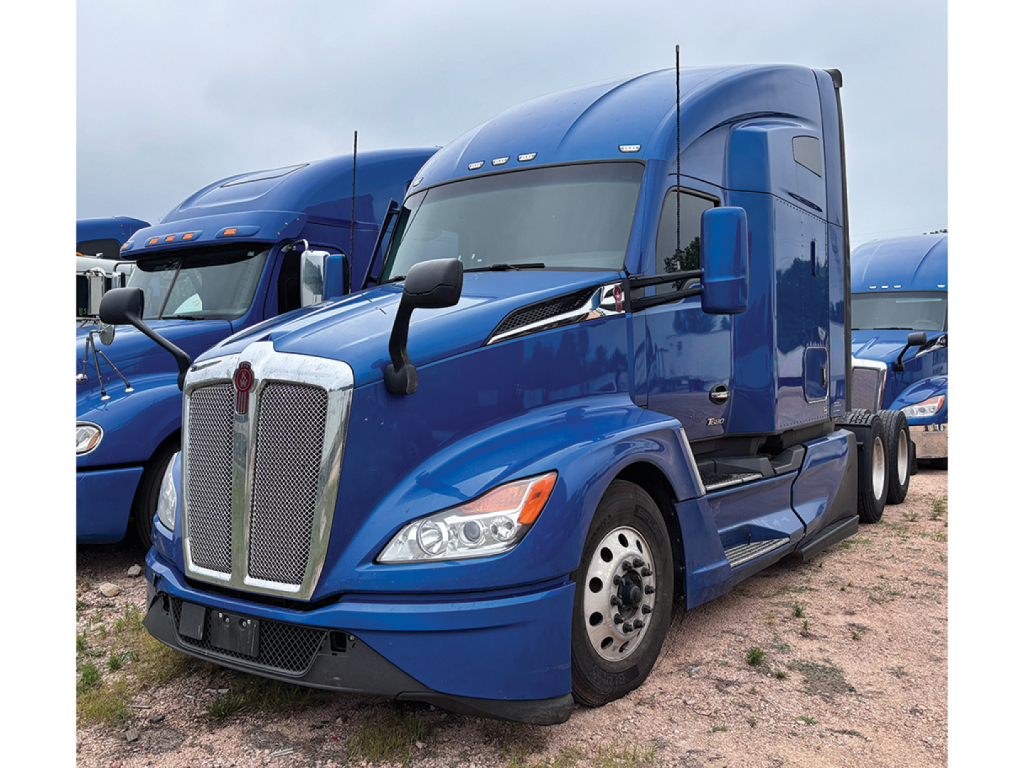

Have 2023 truck to sell? List it here to reach thousands of buyers.
About 2023 Trucks in North Carolina
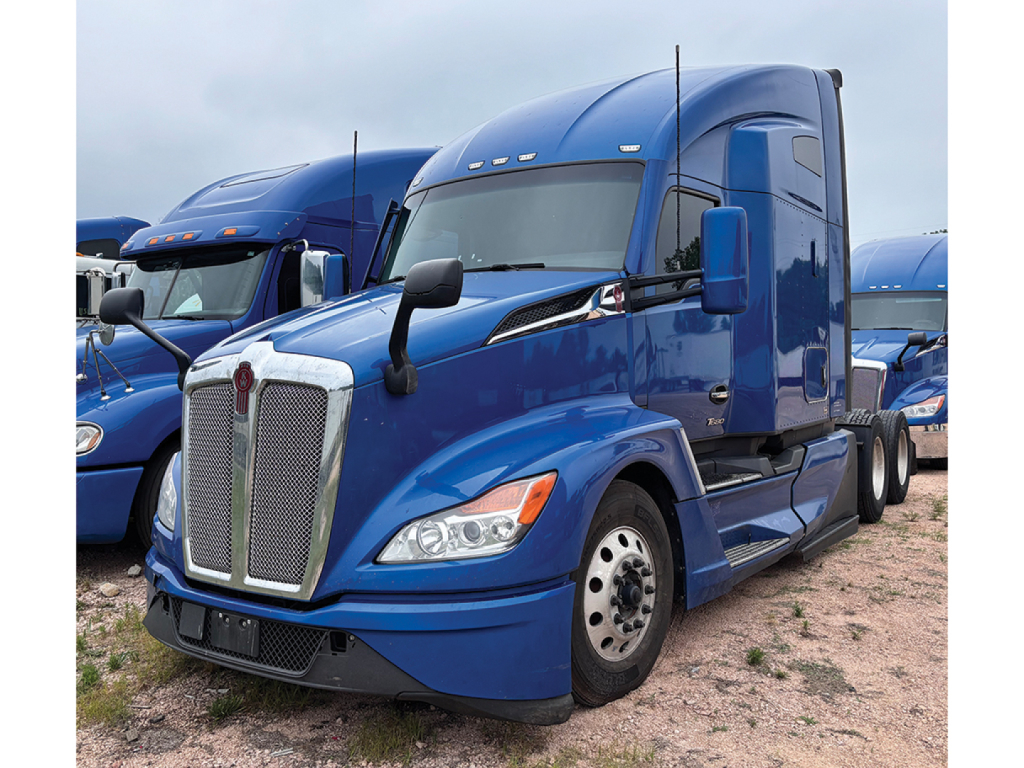
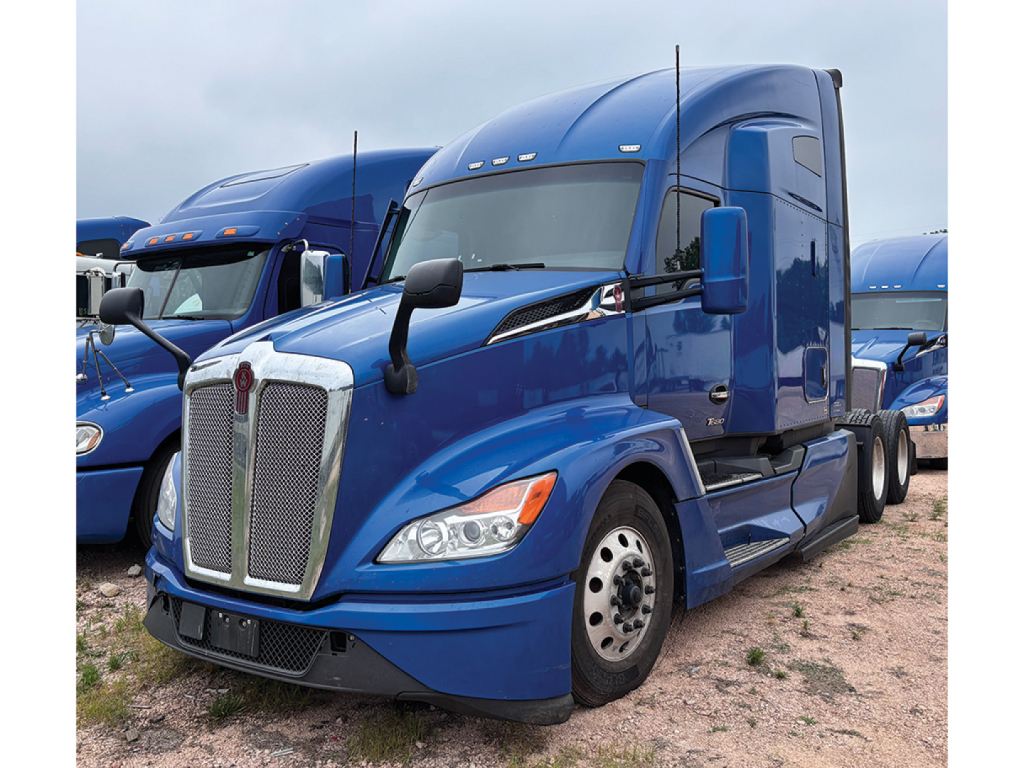
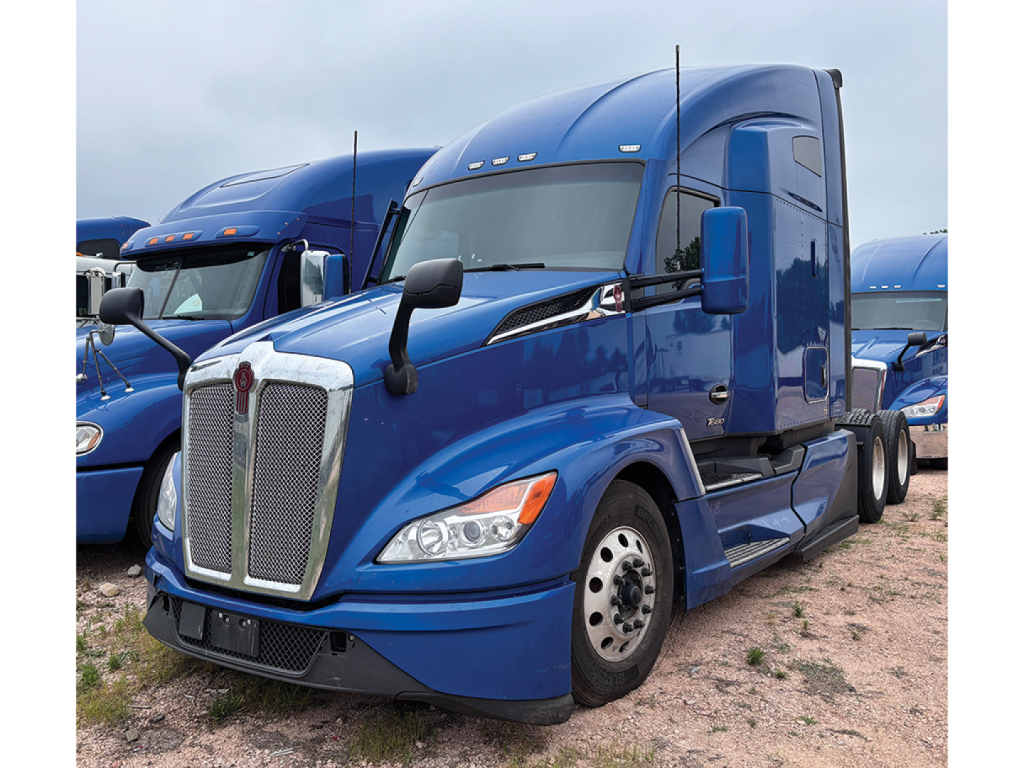
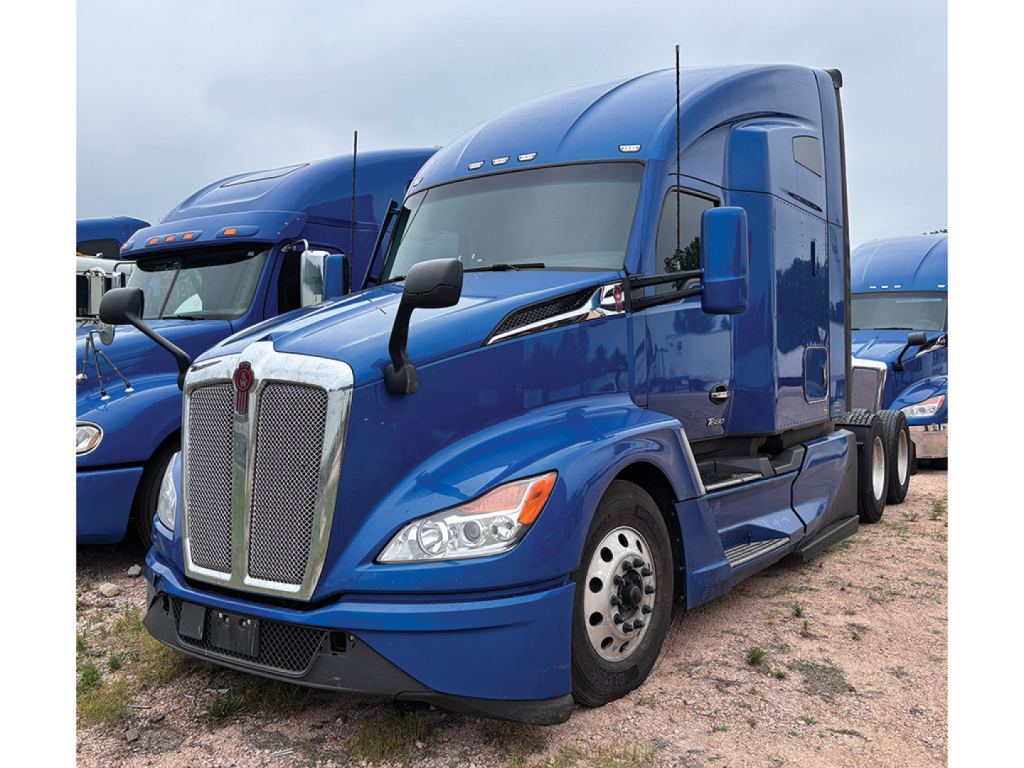
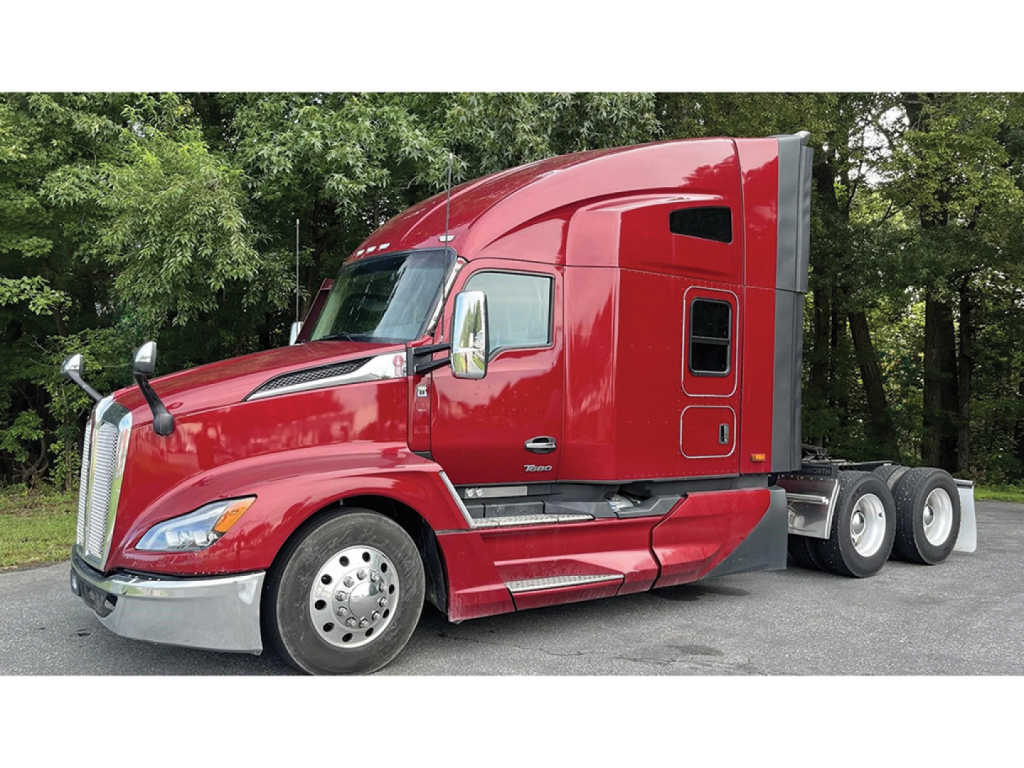
For highway buyers, many 2023 trucks are conventional day cabs or sleeper trucks built around engines such as the PACCAR MX-13, Cummins X15, Detroit DD13 or DD15, and Volvo D13, usually paired with automated manual transmissions and rear axle ratios selected for fuel economy or regional versatility. Common sleeper sizes range from mid-roof layouts to 72-inch and 80-inch configurations, and buyers should pay close attention to wheelbase, fifth wheel setup, fuel capacity, front axle rating, and rear suspension type. A 2023 tractor may also carry late-model features that matter in daily operation, including adaptive cruise control, lane departure warning, disc brakes, APUs, refrigerator packages, bunk heaters, and air slide fifth wheels.
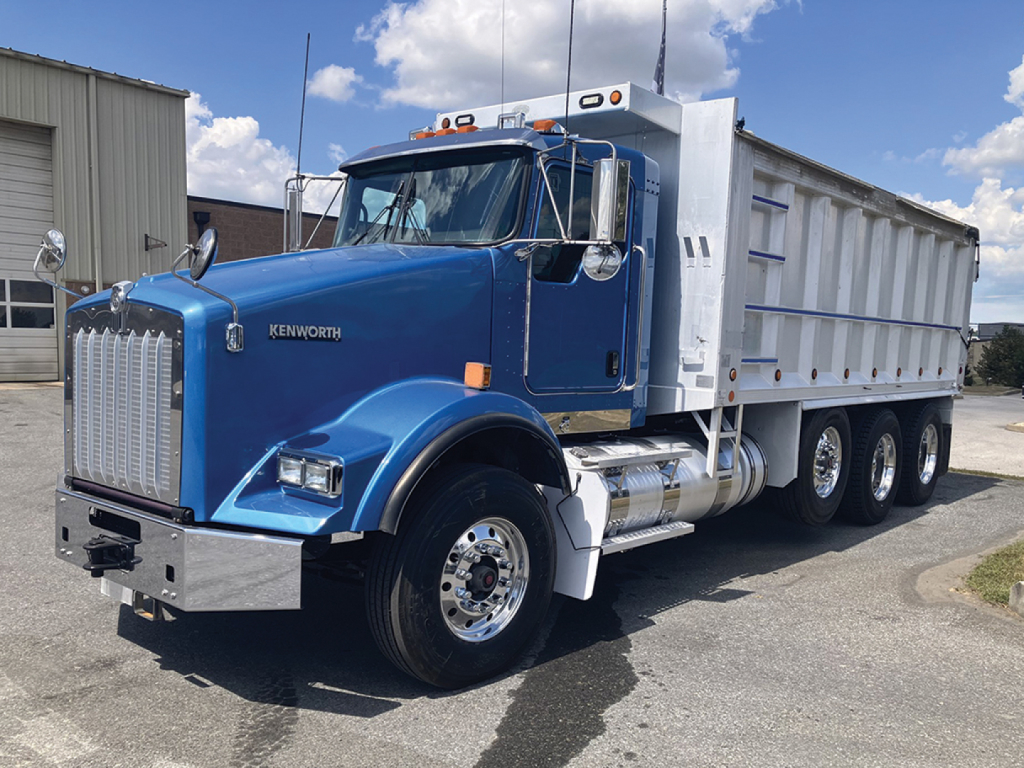
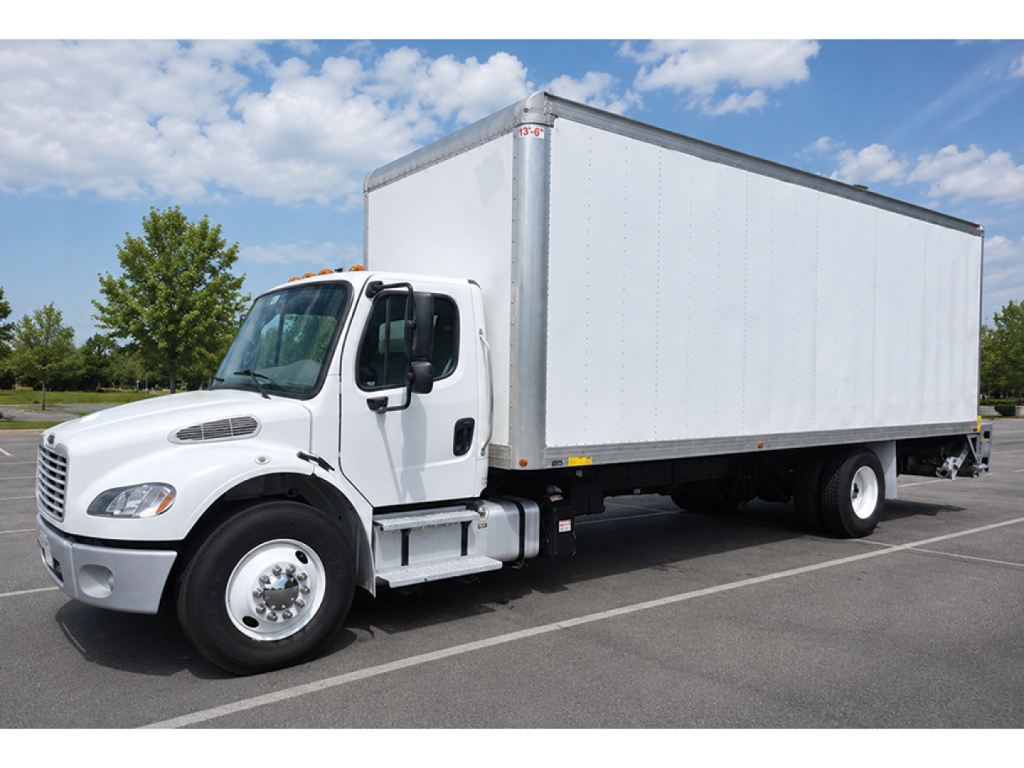
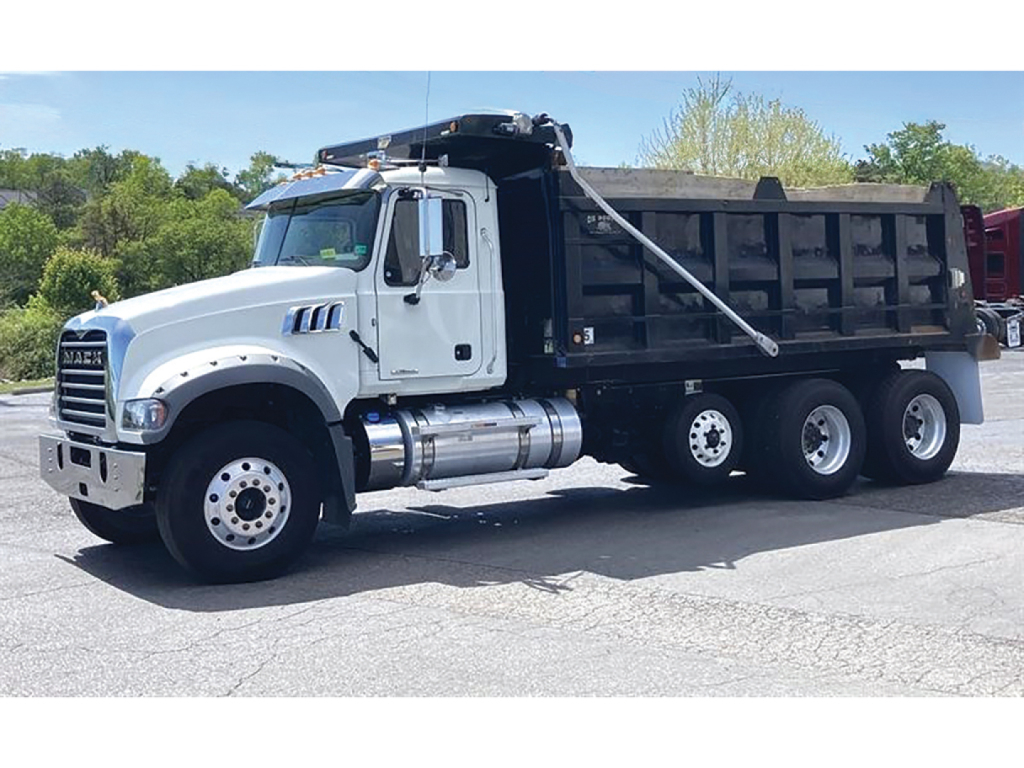
On the vocational side, a 2023 truck may be configured as a dump truck, box truck, service truck, rollback, flatbed truck, hooklift, or cab and chassis ready for body installation. Here, the buying decision is less about sleeper amenities and more about PTO provisions, axle layout, frame strength, suspension choice, body compatibility, and legal payload. In North Carolina, application matters. A tandem or tri-axle setup may make sense for aggregate, site work, and paving support, while medium-duty diesel trucks are often better suited for landscaping, delivery, and municipal routes. If the truck will spend time on secondary roads, jobsite entrances, or stop-and-go urban routes, turning radius, transmission calibration, and brake spec deserve as much attention as horsepower.
A strong 2023 truck purchase starts with matching the truck’s original build to the work it will do now. Review engine hours as well as miles, confirm maintenance intervals, check for remaining factory warranty or emissions coverage, and verify the truck’s axle ratings against your expected payload and trailer weight. Newer trucks can offer a cleaner service history and updated electronics, but the best value still comes from the right spec: the right wheelbase, the right gearing, the right suspension, and the right cab configuration for the route, commodity, and driver schedule.
Frequently Asked Questions
What should I look for when buying a 2023 truck in North Carolina?
Start with the truck’s intended job, then compare axle ratings, wheelbase, engine, transmission, and suspension to that application. A 2023 truck may look similar to another on paper but be built for a very different duty cycle. For North Carolina use, buyers should also think about terrain, seasonal heat, port or urban traffic, and how often the truck will run interstate miles versus local stops. Service records, engine hours, emissions warranty status, and any active fault codes are as important as mileage on a late-model truck.
Are 2023 trucks likely to have modern safety and fuel-efficiency features?
Yes. Many 2023 trucks include late-generation aerodynamic packages, automated manual transmissions, engine downspeeding specs, and integrated driver-assist systems. Common features include collision mitigation, adaptive cruise control, lane departure warning, electronic stability control, and idle-reduction options. The exact package depends on the original order spec, so buyers should confirm which systems are present and whether they are active and calibrated properly.
Is a 2023 sleeper truck a good choice for regional or over-the-road hauling?
A 2023 sleeper truck is often a strong fit for both regional and long-haul work because it combines newer driveline technology with current driver-comfort features. The right choice depends on sleeper size, fuel capacity, rear axle ratio, and wheelbase. A mid-roof sleeper can work well for regional freight with tighter maneuvering needs, while a larger 72-inch or 80-inch sleeper may be better for extended runs and team operations. Buyers should match the cab layout and drivetrain to average trip length, trailer type, and gross combination weight.
How important are axle ratio and transmission spec on a 2023 truck?
They are critical because they affect fuel economy, startability, cruise RPM, and overall suitability for the load. A numerically lower ratio may improve highway fuel mileage in a linehaul tractor, while a higher ratio can be better for heavier vocational work, steeper grades, or frequent starts under load. On a 2023 truck with an automated manual transmission, the programming and gearing are designed to work together, so buyers should evaluate the full drivetrain as a system rather than looking at horsepower alone.
Do 2023 vocational trucks differ much from 2023 highway tractors?
Yes. A 2023 vocational truck is usually built around durability, PTO capability, axle capacity, and body integration, while a 2023 highway tractor is generally optimized for fuel economy, ride quality, and over-the-road efficiency. Vocational units may have heavier frames, harsher-duty suspensions, set-back or set-forward axle configurations, and different transmission calibrations. Highway tractors typically focus more on aerodynamics, sleeper options, and long-mile drivability. The best purchase depends on the truck’s original spec and how closely it matches the work you need done.